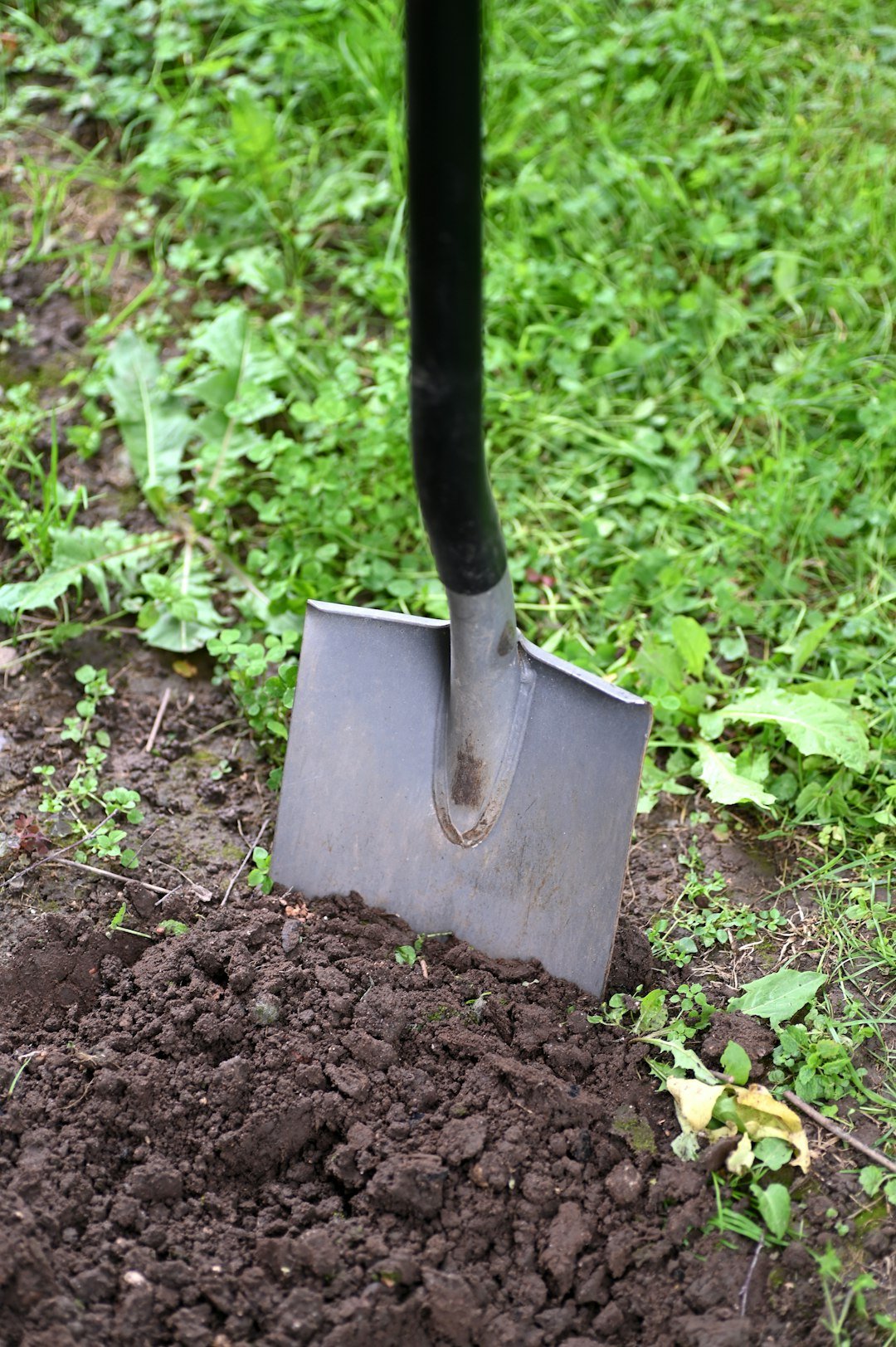
Are you struggling to keep your compost healthy and active? Turning your compost regularly is the secret to speeding up the process and creating rich, nutrient-packed soil for your garden.
Using a spade to turn compost is simple, effective, and something you can easily do yourself. You’ll learn step-by-step how to use a spade to breathe new life into your compost pile. Stick with me, and you’ll discover easy tips that save time and help your compost break down faster than ever before.
Ready to transform your garden’s waste into black gold? Let’s dive in!
Credit: www.thecelticfarm.com
Choosing The Right Spade
Using a spade makes turning compost easier and faster. Picking the right spade helps you work without strain.
Different spades suit different compost tasks. Knowing types and features helps you find the best one.
Types Of Spades For Compost
Spades come in shapes designed for digging, lifting, or mixing compost. Here are common types:
- Digging Spade:Has a flat, sharp blade for cutting through soil and roots.
- Garden Spade:Features a square blade, good for turning and edging compost heaps.
- Rounded Spade:Curved blade helps scoop loose compost easily.
- Fork Spade:Has prongs for breaking up dense compost and aerating.
Features To Look For
| Feature | Why It Matters |
| Blade Material | Steel blades last longer and resist rust. |
| Blade Shape | Choose shape that fits the type of compost work. |
| Handle Length | Long handles reduce bending and back strain. |
| Grip Comfort | Padded or shaped grips prevent hand fatigue. |
| Weight | Lighter spades are easier to lift but must be strong. |

Credit: m.youtube.com
Preparing The Compost Pile
Turning compost with a spade helps break down materials. It mixes the pile and adds air. This makes composting faster and cleaner.
Before turning, prepare the compost pile carefully. Proper preparation keeps the pile healthy and active.
Gathering Materials
Collect the right materials to start a good compost pile. Use green and brown waste for balance.
Green materials provide nitrogen. Brown materials give carbon. Both are needed for healthy compost.
- Green materials: fruit scraps, grass clippings, vegetable peels
- Brown materials: dry leaves, straw, cardboard pieces
- Avoid meat, dairy, and oily foods
Layering For Better Aeration
Layer materials to help air move through the pile. Air keeps microbes alive and working.
Start with coarse brown materials at the bottom. Alternate green and brown layers as you add more.
- Bottom layer: twigs or straw for airflow
- Next layers: thin layers of green and brown waste
- Top layer: soil or finished compost to keep moisture
Techniques For Turning Compost
Turning compost helps speed up the breakdown of organic materials. It adds oxygen and mixes the ingredients well. Using a spade correctly makes the job easier and more effective.
This guide shows how to handle a spade and use good turning motions. These tips keep your compost healthy and rich.
Proper Spade Handling
Hold the spade firmly with both hands. Keep your back straight to avoid strain. Use your legs to lift rather than your back. Position the spade blade deep enough into the compost pile to get a good scoop.
- Grip the handle near the top with your dominant hand
- Place your other hand near the middle of the handle
- Stand with feet shoulder-width apart for balance
- Keep your back straight and bend knees slightly
- Push the spade blade fully into the compost
Effective Turning Motions
Lift and turn the compost with smooth, controlled movements. Mix the outer layers into the center to expose all parts to air. Repeat the process evenly across the pile for best results.
| Motion | Description |
| Lifting | Insert the spade and lift a section of compost with your legs. |
| Turning | Flip the lifted compost over to mix old and new material. |
| Mixing | Move the compost to different parts of the pile for even breakdown. |
| Repeating | Work across the pile in sections until all compost is turned. |
Timing Your Turns
Turning compost helps speed up the breakdown of organic materials. It adds air, which is needed for good bacteria to work.
Knowing when to turn your compost can keep it healthy and ready to use faster.
How Often To Turn
The frequency of turning compost depends on factors like temperature, moisture, and materials. Too often or too little can slow down the process.
- Turn every 3 to 7 days for fast decomposition.
- Turn weekly if you want moderate composting speed.
- Turn less often, about every 2 weeks, for slow but steady compost.
- If compost is dry, turn more often to add air and moisture.
- Stop turning if compost is too wet to avoid compacting it.
Signs Compost Needs Turning
Look for these signs to know when your compost needs a turn. They help keep the pile active and healthy.
| Sign | What It Means |
| Foul smell | Too little air, needs turning |
| Heat drops | Pile is cooling, turn to restart heat |
| Dry or compacted material | Needs loosening and moisture |
| Visible worms or bugs | Good activity, but still turn regularly |
| Material looks unchanged | Needs turning to speed breakdown |
Troubleshooting Common Issues
Using a spade to turn compost helps speed up decomposition. Sometimes problems arise that slow down the process.
Here are simple tips to fix common issues like bad smells and moisture problems.
Dealing With Odors
Bad smells usually mean the compost is not getting enough air. Turning the pile with a spade adds oxygen.
If the odor stays, check for too much wet material or food scraps that do not break down fast.
- Turn the compost every few days to add air.
- Mix in dry leaves or straw to balance wet scraps.
- Remove any large chunks of food that smell strong.
- Avoid adding meat or dairy, which cause odors.
Managing Moisture Levels
The compost should feel like a wrung-out sponge. Too much water slows down composting.
Use your spade to turn and mix dry materials into wet spots. This helps balance moisture.
- If the pile is too dry, spray water lightly and turn it.
- If it is too wet, add dry leaves or shredded paper.
- Cover compost during heavy rain to prevent soaking.
- Turn the pile to help moisture evaporate evenly.
Credit: www.hgtv.com
Tips For Faster Composting
Turning compost with a spade helps speed up the process. It mixes air and breaks down materials faster.
Here are some tips to make composting quicker and more efficient.
Optimizing Temperature
Compost breaks down best between 130°F and 160°F. This temperature kills germs and helps microbes work well.
Use a spade to turn your compost often. This adds air, which keeps the temperature steady and warm.
- Turn compost every 3 to 5 days
- Keep compost moist but not wet
- Add brown and green materials in the right mix
Adding Activators
Activators speed up compost by adding helpful microbes and nutrients. They start the breakdown process faster.
Common activators include fresh grass clippings, manure, or finished compost. Add them when you turn with your spade.
- Use a small amount of fresh green material
- Add a shovelful of finished compost
- Mix activators evenly into the pile
Frequently Asked Questions
How Do You Properly Use A Spade For Compost?
To use a spade for compost, start by inserting it at the pile’s edge. Lift and turn the materials to introduce oxygen, which speeds decomposition. Repeat this process weekly to maintain optimal conditions for composting. Ensure the compost stays moist but not waterlogged for best results.
What Is The Best Spade Type For Compost?
A garden spade with a sharp, flat blade works best for turning compost. It effectively slices through materials, ensuring even mixing. Look for a spade with a comfortable handle for ease of use. A stainless steel blade is durable and resistant to rust, making it ideal for outdoor tasks.
How Often Should You Turn Compost With A Spade?
Turning compost once a week is ideal for promoting faster decomposition. Regular turning helps distribute moisture and air throughout the pile. This process prevents odors and accelerates the breakdown of organic materials. Consistent turning ensures your compost is ready for use in the garden sooner.
Why Is Spade Turning Important For Compost?
Spade turning introduces air, crucial for aerobic bacteria in compost. These bacteria break down organic materials efficiently. Without turning, compost may become anaerobic, slowing decomposition and producing unpleasant odors. Regular spade turning ensures a balanced environment, resulting in nutrient-rich compost for gardening.
Conclusion
Turning compost with a spade keeps your pile healthy and active. It helps air reach all parts, speeding up breakdown. Regular turning stops bad smells and pests from settling in. Use gentle, steady motions to avoid damaging the compost. This simple tool makes composting easier and more effective.
Try it often to see better, faster results in your garden. Good compost grows strong plants and reduces waste. Keep your spade handy and turn your compost with care. Your garden will thank you.