If you’re diving into a roofing project, a speed square is your trusty sidekick. This versatile tool might look simple, but it can make your roofing tasks precise and hassle-free.
Imagine being able to measure and cut with confidence, ensuring every piece fits perfectly. This is what a speed square can do for you. Curious to learn how to make the most of this tool? Stick around, because by the end of this guide, you’ll discover the secrets to using a speed square like a pro, making your roofing projects not only easier but also more efficient.
Get ready to transform your approach to roofing!
Speed Square Basics
A speed square is a tool used by roofers and carpenters. It helps measure angles and make straight cuts. This tool is handy for roofing projects.
Knowing how to use a speed square can save time and improve accuracy. It is simple to use once you understand its parts and types.
Parts Of A Speed Square
A speed square has several key parts that make it useful for roofing work. Each part has a specific function.
- Body:The main triangular part used for measuring and marking.
- Lip (Fence):The small edge that rests against the board for stability.
- Pivot Point:The corner where measurements start.
- Degree Scale:Markings on the square to measure angles.
- Ruler Markings:Lines for measuring length in inches or centimeters.
- Scriber Slot:A notch to hold a pencil for marking.
Types Of Speed Squares
Speed squares come in different types. Each type fits various needs and preferences for roofing tasks.
- Aluminum Speed Square:Lightweight and rust-resistant, good for outdoor use.
- Steel Speed Square:Heavier but very durable and long-lasting.
- Plastic Speed Square:Affordable and light but less durable.
- Combination Square:Offers more measuring functions but is bulkier.
Choosing The Right Square For Roofing
| Factor | Consideration |
| Material | Aluminum for rust resistance, steel for strength |
| Size | Common sizes: 7-inch or 12-inch; bigger sizes help with larger boards |
| Durability | Choose strong build for frequent outdoor use |
| Additional Features | Scriber slot or extra measurement scales improve usability |
| Budget | Balance cost with needed features and quality |
Setting Up For Roofing
Using a speed square helps you make accurate measurements and cuts for roofing. It is a simple tool that works like a ruler and a protractor.
Setting up your speed square correctly saves time and reduces mistakes on the roof. You will learn how to measure roof pitch, mark cut lines, and use the speed square as a protractor.
Measuring Roof Pitch
Roof pitch shows the steepness of the roof. It is the ratio of the vertical rise to the horizontal run.
Place the speed square’s pivot point on the edge of the rafter. Hold the square level and find the number where the body of the square meets the rise scale.
- Place pivot on rafter edge
- Hold square flat against the rafter
- Read the rise number on the scale
- Use this number to know the roof pitch
Marking Cut Lines
The speed square helps mark straight and angled cut lines on roofing materials. Align the square’s body with the edge of the material.
Use the pencil along the square’s edge to draw the line. This line guides your saw for a clean and accurate cut.
- Place square on material edge
- Hold firmly to prevent movement
- Draw line along the square’s edge
- Cut following the marked line
Using The Speed Square As A Protractor
The speed square can measure angles like a protractor. Pivot the square on the corner of your workpiece.
Slide the square until the desired degree mark aligns with the edge. Mark the angle line using the square’s straight edge.
- Place pivot on corner point
- Slide square to angle mark needed
- Align edge with workpiece side
- Draw line along the square’s edge
Cutting Roof Rafters
Cutting roof rafters is an important part of building a strong roof. Using a speed square helps you make accurate cuts. This tool saves time and improves precision.
You can use a speed square to mark angles and lines on the rafters. This makes cutting easier and safer. Let’s look at how to do this for different roof needs.
Layout For Common Rafters
Common rafters run from the wall plate to the ridge board. Marking their length and angle is key. Use the speed square to find the correct angle for the roof pitch.
Place the speed square on the rafter edge. Align the pivot with the rafter’s edge. Rotate the square until it matches the roof pitch number. Draw a line along the square’s edge.
- Set roof pitch on speed square
- Mark cut line at rafter edge
- Measure rafter length and mark
- Draw plumb cut line at the top end
Making Birdsmouth Cuts
A birdsmouth cut lets the rafter sit on the wall plate securely. Use the speed square to mark the seat cut and heel cut. These cuts form a notch in the rafter.
Place the speed square on the rafter where it meets the wall. Use the common rafter angle to mark the plumb cut. Then, mark a horizontal line for the seat cut. Cut along these lines.
- Mark plumb cut on rafter end
- Mark seat cut perpendicular to rafter edge
- Cut notch to fit wall plate
- Check fit before final installation
Adjusting For Different Roof Styles
Different roof styles need different rafter cuts. For example, hip roofs need angled cuts on both ends. Use the speed square to measure and mark these angles carefully.
For a gambrel or mansard roof, use the speed square to mark changes in pitch. Make sure to adjust the angle on the speed square for each roof section. This ensures a good fit.
- Hip roofs: mark multiple angles on rafters
- Gambrel roofs: mark pitch changes precisely
- Mansard roofs: adjust speed square for each slope
- Double-check measurements before cutting
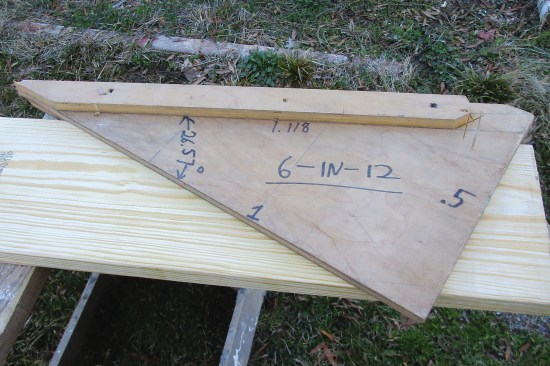
Credit: www.jlconline.com
Checking Angles And Alignments
Using a speed square is important for roofing projects. It helps check angles and keep things aligned. Proper angles prevent leaks and strengthen the roof.
This tool is simple and fast to use. It ensures your roof parts fit together well for a safe structure.
Ensuring Square Corners
Square corners make sure roof parts join correctly. A speed square helps check if corners are exactly 90 degrees. Place the speed square on the corner and see if the edges match the tool’s sides.
If the corner is not square, adjust the pieces before nailing them down. This prevents gaps and weak spots on the roof.
Verifying Roof Slope
The roof slope is the angle of the roof surface. It helps water drain off properly. Use the speed square to measure the slope by lining up its pivot with the edge of the rafter.
Read the slope from the markings on the speed square. This reading tells you if the roof angle matches your plan.
Using The Speed Square For Layout Accuracy
A speed square helps mark straight lines on roofing materials. This keeps cuts and placements accurate. Place the square on the material edge and draw along the tool’s edge.
- Mark cut lines quickly and straight
- Align roof boards evenly
- Check angles before cutting or nailing
Advanced Tips And Tricks
Using a speed square for roofing can save time and improve accuracy. This tool is simple but very useful for many roofing tasks.
Below are advanced tips and tricks to help you work faster, keep your speed square in good shape, and stay safe on the job.
Speed Square Hacks For Faster Work
Learn these practical hacks to speed up your roofing work using a speed square.
- Use the speed square as a saw guide by holding it firmly against the material for straight cuts.
- Mark common angles like 30°, 45°, and 60° by quickly aligning the pivot point to save measuring time.
- Use the lip of the speed square to hold it in place on the edge of the board for easy one-handed marking.
- Combine the speed square with a pencil sharpener to mark precise notch points on rafters.
- Use the built-in protractor to measure and transfer roof pitch angles directly without extra tools.
Maintaining Your Speed Square
Keep your speed square in good condition to ensure accurate measurements every time.
| Maintenance Task | Details |
|---|---|
| Cleaning | Wipe off dirt and debris after each use with a dry cloth. |
| Rust Prevention | Apply a light coat of oil to metal parts to stop rusting. |
| Storage | Store in a dry place away from heavy tools that can bend it. |
| Inspection | Regularly check markings for wear and fading to avoid mistakes. |
Safety Tips When Using A Speed Square
Follow these safety tips to prevent injuries while working with a speed square.
- Always keep your hands clear of the saw blade when marking cuts.
- Use the speed square on a stable surface to avoid slipping.
- Wear safety glasses to protect your eyes from wood chips and dust.
- Check that the speed square is not damaged before use to ensure safe handling.
- Store the speed square safely after use to avoid accidental cuts or damage.

Credit: www.amazon.co.uk
Credit: creators.yahoo.com
Frequently Asked Questions
What Is A Speed Square Used For In Roofing?
A speed square helps measure and mark angles quickly on roofing materials. It ensures precise cuts and accurate layouts. Roofers use it to mark common angles like 45 and 90 degrees. This tool speeds up work and improves accuracy in roofing projects.
How Do You Measure Roof Pitch With A Speed Square?
To measure roof pitch, place the speed square on the rafter edge. Align the pivot with the rafter’s edge, then read the angle where the tongue meets the scale. This angle indicates the roof pitch, helping you cut rafters correctly.
Can A Speed Square Replace A Protractor For Roofing?
Yes, a speed square can replace a protractor for most roofing tasks. It combines angle measurement, marking, and guide functions in one tool. It’s easier to use and more durable on job sites, making it ideal for roofing professionals.
How Do You Use A Speed Square To Mark A Rafter?
Place the speed square’s pivot at the rafter’s edge. Slide the tongue to the desired angle on the scale. Draw a line along the tongue to mark the cut. This method ensures precise and consistent rafter cuts.
Conclusion
Using a speed square makes roofing tasks easier and more accurate. It helps measure angles and mark cuts quickly. This tool saves time and reduces mistakes on the roof. Practice using it often to gain confidence and skill. Keep your speed square handy for all roofing projects.
Simple steps lead to better results and safer work. Trust this tool to guide your roofing work right.