Have you ever installed a cabinet or shelf only to find out it’s not quite straight? Frustrating, isn’t it?
A spirit level is a simple yet powerful tool that can ensure your cabinets and shelves are perfectly aligned every time. Imagine walking into your kitchen or living room and seeing everything perfectly level, just the way you envisioned it.
In this guide, you’ll discover easy-to-follow steps on how to use a spirit level like a pro. By the end, you’ll feel confident in your ability to hang anything with precision, and you’ll wonder how you ever did without this trusty tool. Ready to transform your DIY projects? Let’s dive in!
Choosing The Right Spirit Level
Using a spirit level helps you install cabinets and shelves straight. Picking the right spirit level makes your work easier and more accurate.
There are different types of spirit levels. Each type suits different tasks. Knowing their features helps you choose the best one.
Types Of Spirit Levels
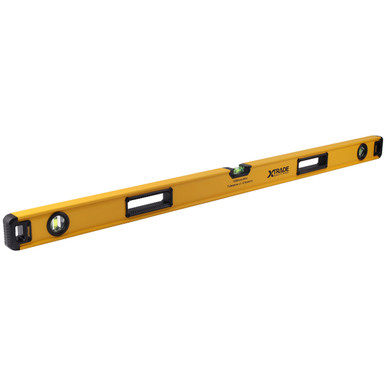
Spirit levels come in various types. The most common are torpedo, box beam, and digital levels. Each has a special design for certain jobs.
Torpedo levels are small and easy to carry. Box beam levels are longer and more stable. Digital levels show exact angles on a screen.
- Torpedo Level:Compact, good for tight spaces
- Box Beam Level:Long, provides strong support
- Digital Level:Shows angle readings digitally
Size And Accuracy Considerations
The size of your spirit level depends on your project. Longer levels give better accuracy for big cabinets or shelves.
Accuracy matters for neat and safe installations. Check the level’s accuracy rating before buying. A good level has small error margins.
- Small levels (9 to 12 inches) fit in tight spots
- Medium levels (24 inches) work well for most jobs
- Long levels (48 inches or more) give best accuracy
- Look for levels with accuracy of 0.0005 inches per inch or better
Magnetic Vs Non-magnetic Levels
Magnetic levels have magnets on the bottom. They stick to metal surfaces and free your hands for other tasks.
Non-magnetic levels do not stick but work on any surface. Choose magnetic levels for metal cabinets. Use non-magnetic for wood or drywall.
- Magnetic Levels:Stick to metal, hands-free use
- Non-Magnetic Levels:Work on all surfaces
- Pick based on the material you work with
Credit: www.victorianplumbing.co.uk
Preparing Cabinets And Shelves
Using a spirit level helps to install cabinets and shelves correctly. Proper preparation makes the job easier and results better.
Start by preparing the surfaces and marking points. Check the walls and floors to ensure everything is even before installation.
Clearing And Cleaning Surfaces
Remove all items from the area where you will place the cabinets or shelves. Dust and dirt can affect how the spirit level works.
Clean the surfaces well using a cloth or a mild cleaner. Smooth surfaces help you get accurate level readings.
Marking Reference Points
Use a pencil to mark where the cabinet or shelf will go. These marks guide your placement and help keep things straight.
Mark the top, bottom, and sides clearly. You can also mark the studs on the wall for secure fixing points.
- Mark the outline of the cabinet or shelf
- Note the position of wall studs or supports
- Draw horizontal lines for level checking
Checking Wall And Floor Evenness
Place the spirit level against the wall to see if it is straight. Uneven walls may need adjustments before installation.
Check the floor where the cabinet or shelf will stand. A level floor prevents tilting and keeps furniture stable.
- Hold the spirit level vertically and horizontally on the wall
- Check for gaps or uneven spots on the floor
- Note any areas that need fixing or shimming
Using The Spirit Level Effectively
Using a spirit level helps you install cabinets and shelves straight. It ensures they do not tilt or lean.
This guide shows how to position the level, read the bubble, and adjust your work for the best results.
Positioning The Level Correctly
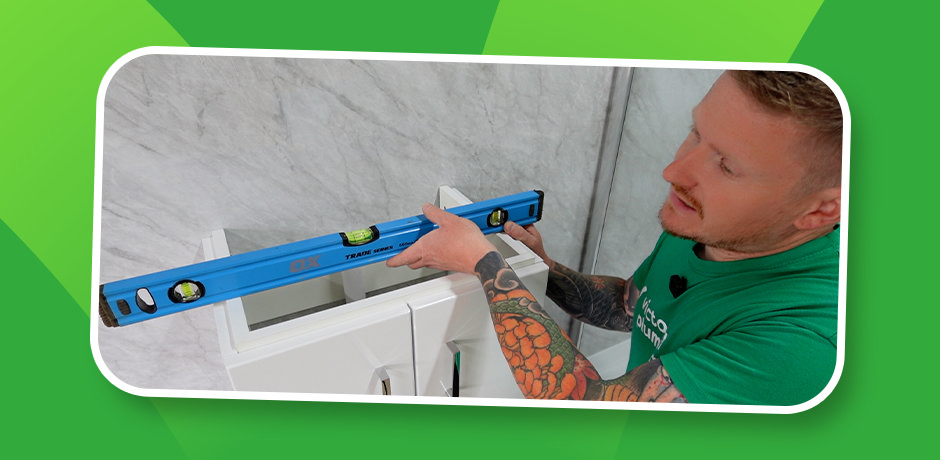
Place the spirit level on the surface you want to check. For shelves, put it along the front edge. For cabinets, lay it on the top or side.
- Use a long level for larger surfaces to get accurate results.
- Make sure the level sits flat without rocking.
- Hold it steady while reading the bubble.
Reading The Bubble Indicator
The bubble inside the vial shows if the surface is level. It moves between two marked lines.
| Bubble Position | Meaning |
| Centered between lines | Surface is level |
| Bubble touches left line | Surface slopes down to the left |
| Bubble touches right line | Surface slopes down to the right |
Adjusting Cabinets And Shelves
After checking the level, adjust your cabinet or shelf to center the bubble. Use shims or tighten screws as needed.
- Loosen mounting screws slightly to allow movement.
- Lift or lower the cabinet or shelf side that is uneven.
- Insert shims under the low side for support.
- Tighten screws once the bubble stays centered.
- Recheck the level after adjustments.
Credit: www.toolstop.co.uk
Common Mistakes To Avoid
Using a spirit level for cabinets and shelves seems simple. Many people still make errors that affect the final result.
Knowing these common mistakes helps you place shelves and cabinets straight and steady.
Ignoring Surface Imperfections
Surfaces often have bumps, dents, or dirt. If you ignore these, the level may not sit flat.
Place the level on a clean, even spot. Wipe the surface before measuring to get correct readings.
- Check for dust or debris on shelves or cabinets
- Look for dents or paint bumps that lift the level
- Clean and smooth the surface before use
Misreading The Level Bubble
The bubble inside the spirit level shows if the surface is straight. Many people misread it and get wrong results.
Focus on the bubble position carefully. Make sure it is between the two lines for accurate leveling.
- Hold the level steady and at eye level
- Read the bubble from directly above, not at an angle
- Wait for the bubble to stop moving before marking
Overlooking Wall Irregularities
Walls may not be perfectly flat or straight. Ignoring this causes shelves and cabinets to lean.
Check the wall with the spirit level before fixing cabinets. Adjust your installation to fit the wall’s shape.
- Scan the wall with the level vertically and horizontally
- Mark any uneven spots that need correction
- Use shims or fillers to adjust for wall curves
Advanced Tips For Perfect Alignment
Using a spirit level helps you keep cabinets and shelves perfectly straight. Simple tools can give great results. These tips will improve your skills.
Learn how to use multiple levels, laser levels, and secure your cabinets during installation. These methods help avoid mistakes and save time.
Using Multiple Levels
Using more than one spirit level ensures better accuracy. Place one level vertically and another horizontally on the cabinet or shelf.
- Check vertical alignment with a plumb level.
- Use a standard level for horizontal balance.
- Compare readings from both levels to find errors.
- Adjust the cabinet until both levels show it is straight.
Leveraging Laser Levels
Laser levels project a straight line on the wall. This helps line up multiple cabinets or shelves evenly.
| Type of Laser Level | Best Use | Benefits |
| Dot Laser | Mark points on walls | Easy to spot marks |
| Line Laser | Project horizontal or vertical lines | Clear reference for alignment |
| Rotary Laser | Large rooms and multiple points | 360° coverage for big projects |
Set the laser level on a stable surface. Adjust the height to match your cabinet or shelf. Use the laser line to position your items perfectly.
Securing Cabinets During Installation
Keep cabinets steady while you check their level. Use clamps or temporary supports to hold them in place.
Tips for securing cabinets:
- Use adjustable clamps to hold cabinets firmly.
- Place shims behind cabinets to fix small gaps.
- Check level again after securing to ensure no shift happened.
- Attach cabinets to wall studs for strong support.
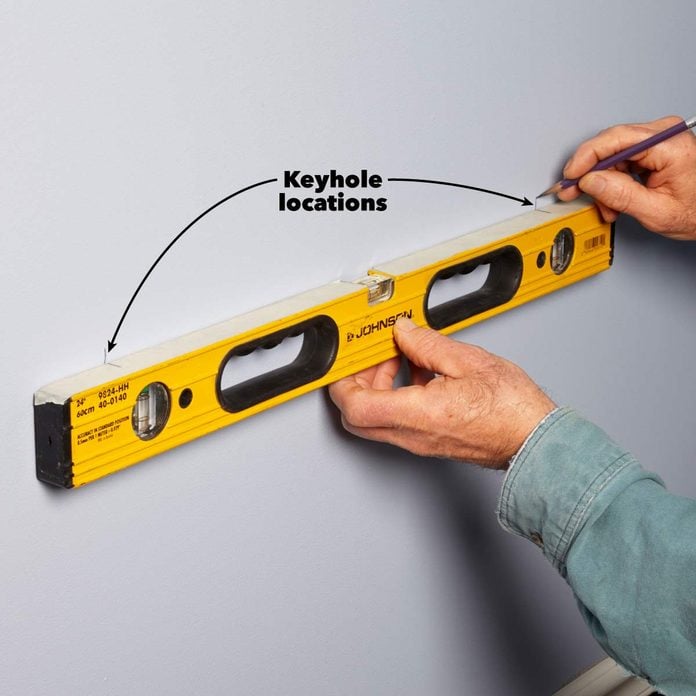
Credit: www.familyhandyman.com
Maintenance And Calibration Of Spirit Levels
Spirit levels help ensure cabinets and shelves are straight. Keeping them clean and accurate is important. Proper care extends their life and improves results.
This guide covers how to clean, check accuracy, and calibrate your spirit level. These tasks keep your tool reliable for all projects.
Regular Cleaning Practices
Clean your spirit level after every use. Dust and dirt can affect the bubble’s movement. Use a soft cloth to wipe the surface gently.
Avoid harsh chemicals. Mild soap and water work well. Dry the level completely to stop rust or damage.
- Wipe off dust with a dry cloth
- Use mild soap and water if needed
- Dry the level fully before storing
- Keep it in a protective case or box
Checking Accuracy Over Time
Spirit levels can lose accuracy with use. Test the tool regularly to ensure it is still correct. This keeps your cabinets and shelves level.
Place the level on a flat surface. Note the bubble’s position. Then flip the level end to end and check the bubble again. The bubble should stay in the same place.
- Set the level on a flat surface
- Mark the bubble position
- Flip the level 180 degrees
- Check if the bubble matches the first mark
- Mismatch means the level needs calibration
Calibrating Your Level
Calibration fixes small errors in your spirit level. Find the adjustment screws or bolts on your level. These let you move the vial to center the bubble.
Adjust slowly and test often. Repeat the flipping test after each change. Stop adjusting once the bubble stays centered both ways.
- Locate the calibration screws or bolts
- Loosen screws slightly to adjust vial
- Move vial until bubble centers on flat surface
- Tighten screws after adjustment
- Test accuracy by flipping the level again
Frequently Asked Questions
How Do I Use A Spirit Level On Cabinets?
Place the spirit level on the cabinet surface. Adjust the cabinet until the bubble centers between the lines. This ensures the cabinet is perfectly horizontal or vertical.
Can A Spirit Level Help With Shelf Installation?
Yes, a spirit level ensures shelves are straight and even. Place it on the shelf edge and adjust until the bubble is centered.
What Type Of Spirit Level Is Best For Cabinets?
A torpedo or small bubble level works best for cabinets. They are compact and easy to position on narrow surfaces.
How Often Should I Check Cabinet Level During Installation?
Check the level frequently during installation. This prevents uneven cabinets and saves time on adjustments later.
Conclusion
Using a spirit level helps keep cabinets and shelves straight. It ensures your furniture looks good and works well. Check the level often while installing for best results. Small adjustments make a big difference in the final fit. Take your time and trust the tool’s reading.
This simple step prevents uneven shelves and crooked cabinets. Now you can hang and build with more confidence. Keep practicing to improve your skills and results. A spirit level is a handy tool to have always.