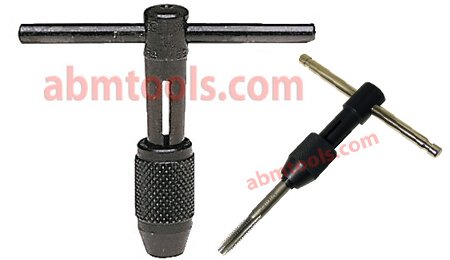
If you’ve ever struggled with tight plumbing bolts or hard-to-reach fittings, a T-handle wrench could be your new best friend. This simple tool gives you extra grip and control, making those stubborn tasks much easier.
You’ll learn exactly how to use a T-handle wrench for plumbing, step by step. By the end, you’ll feel confident tackling your next plumbing repair without frustration or guesswork. Keep reading to unlock the secret to smoother, faster fixes in your home.
Credit: www.vevor.ca
Choosing The Right T-handle Wrench
A T-handle wrench is useful for plumbing jobs. It helps you turn nuts and bolts easily in tight spaces.
Picking the right T-handle wrench makes your work faster and safer. You should think about the type, size, and material.
Types Of T-handle Wrenches
There are several types of T-handle wrenches. Each type fits different plumbing tasks.
- Hex T-Handle:Used for hex bolts and screws.
- Socket T-Handle:Fits over nuts with matching socket sizes.
- Allen T-Handle:Designed for Allen or hex key fasteners.
- Adjustable T-Handle:Can change to fit different sizes.
Choose a type that matches the fasteners you work with most.
Selecting The Correct Size
The right size wrench fits snugly on the fastener. Too small or too big causes slipping and damage.
Measure the bolt or nut before choosing your wrench. Sizes are usually in millimeters or inches.
- Use a ruler or caliper to measure the fastener.
- Check the wrench size marked on the tool.
- Buy a set with multiple sizes for flexibility.
Material And Build Quality
T-handle wrenches come in different materials. Quality affects how long the wrench lasts and how well it works.
Strong metals resist bending and breaking. Look for smooth handles for comfort.
- Chrome Vanadium Steel:Durable and rust-resistant.
- Stainless Steel:Strong and does not rust easily.
- Plastic or Rubber Handles:Provide a good grip and reduce hand fatigue.

Credit: www.amazon.in
Preparing For Plumbing Tasks
Using a T-handle wrench can make plumbing work easier. Before starting, it is important to prepare well.
Preparation helps prevent problems and keeps you safe during the job.
Gathering Necessary Tools
Collect all the tools you will need before starting your plumbing task. This saves time and helps you work smoothly.
- T-handle wrench for turning nuts and bolts
- Adjustable wrench for different sizes
- Pipe cutter or hacksaw for cutting pipes
- Plumber’s tape to seal joints
- Bucket to catch water spills
- Rags to clean up messes
Safety Precautions
Safety is very important in plumbing. Use the right gear and follow simple rules to avoid injuries.
- Wear gloves to protect your hands
- Use safety glasses to shield your eyes
- Work in a well-lit area
- Keep your workspace dry to avoid slips
- Do not force tools to prevent damage
Shutting Off Water Supply
Turn off the water supply before using the T-handle wrench. This stops water flow and prevents leaks.
Find the main valve or the valve near the repair area. Close it fully to stop the water.
- Locate the main water shut-off valve
- Turn the valve clockwise to close it
- Open a faucet to drain remaining water
- Check that water flow has stopped
Basic Techniques For Using A T-handle Wrench
A T-handle wrench is a handy tool for plumbing tasks. It gives you better control and torque for tightening or loosening fittings. Using it correctly reduces damage and makes the job easier.
Learn the basic techniques to hold and use a T-handle wrench safely. This guide covers grip, applying torque, and common mistakes to avoid.
Proper Grip And Hand Positioning
Hold the T-handle wrench firmly in the center of the handle. Use your dominant hand to grip it, while your other hand can support the shaft if needed. Keep your wrist straight to avoid strain.
- Place your thumb on top of the handle for control
- Wrap your fingers around the handle firmly
- Use both hands for better stability on tight fittings
- Keep your hands dry to prevent slipping
Applying Controlled Torque
Turn the wrench smoothly to avoid stripping the fitting. Apply steady pressure and stop if the fitting does not move. Use your body weight, not just your arm strength, for better torque.
| Action | Tip |
| Start turning | Use slow, steady motion |
| Increase force | Shift body weight gently |
| Stop | When resistance is too high |
| Check fitting | Ensure it is not damaged |
Avoiding Common Mistakes
Many people make errors that can damage plumbing or the wrench. Avoid these common mistakes to ensure a safe and effective job.
- Do not use excessive force to avoid breaking fittings
- Avoid twisting the wrench at an angle
- Never use a wrench with a worn or damaged handle
- Do not grip too loosely, or the wrench may slip
- Always wear gloves for better grip and protection
Advanced Tips For Plumbing Projects
Using a T-handle wrench correctly can make plumbing tasks easier. This tool gives you better control and power.
Here are some advanced tips to handle tough fittings, use lubricants and sealants right, and keep your tool in top shape.
Dealing With Stubborn Fittings
Sometimes plumbing fittings get stuck due to rust or tight threading. Using the T-handle wrench carefully helps avoid damage.
- Apply steady pressure, not sudden force, to loosen fittings.
- Try tapping the fitting lightly with a hammer to break rust bonds.
- Use heat with a heat gun to expand metal parts before turning.
- Work slowly and check often to avoid stripping threads.
Using Lubricants And Sealants
Lubricants and sealants help fittings turn smoothly and prevent leaks. Choose the right type for your pipes and fittings.
| Product | Use | Notes |
| Pipe Thread Sealant | Sealing threaded joints | Apply before tightening with wrench |
| Silicone Lubricant | Reducing friction on fittings | Safe for rubber and plastic parts |
| Penetrating Oil | Loosening rusted parts | Apply and wait before using wrench |
Maintaining Tool Condition
Keep your T-handle wrench clean and working well. Proper care extends its life and improves performance.
- Wipe the wrench after use to remove dirt and moisture.
- Lubricate moving parts to prevent rust and stiffness.
- Store the tool in a dry place away from harsh chemicals.
- Inspect the handle and shaft for cracks or wear regularly.
Troubleshooting Common Issues
Using a T-handle wrench for plumbing can sometimes cause problems. Knowing how to fix these issues saves time and effort.
This guide covers common problems like stripped bolts, slipped wrenches, and when to replace your tool.
Handling Stripped Bolts
Stripped bolts happen when the wrench slips or the bolt head wears out. This makes turning the bolt hard or impossible.
To fix stripped bolts, try using a rubber band between the wrench and bolt for extra grip. You can also use pliers if the bolt head is exposed.
- Apply penetrating oil to loosen the bolt
- Use a bolt extractor if available
- Tap the bolt gently with a hammer to improve grip
Fixing Slipped Wrenches
A slipped wrench can damage both the tool and the bolt. It happens if the wrench size does not fit well or the grip is weak.
Check that the T-handle wrench fits tightly around the bolt. Clean the wrench and bolt to remove dirt or grease. Tighten the wrench slowly to avoid slipping.
- Match wrench size to bolt size carefully
- Keep wrench and bolt clean and dry
- Apply steady pressure when turning
When To Replace Your Tool
Wrenches wear out after long use. Signs include bent handles, worn jaws, or rust that weakens the tool.
Replace your T-handle wrench if it does not grip bolts well or if it feels unsafe to use. A good tool makes plumbing tasks easier and safer.
- Handle bends or breaks easily
- Jaws do not hold bolts tightly
- Rust affects tool strength
- Tool slips often during use

Credit: www.abmtools.com
Maintaining Your T-handle Wrench
Keeping your T-handle wrench in good shape helps it work better and last longer. Simple care can stop damage and make your plumbing jobs easier.
Learn some easy tips to clean, store, and check your wrench often. Fixing small problems early saves time and money.
Cleaning And Storage
After each use, wipe your wrench to remove dirt and moisture. This stops rust and keeps the tool smooth to use.
- Use a clean cloth to dry the wrench.
- Apply light oil to metal parts to prevent rust.
- Store in a dry toolbox or hanging rack.
- Avoid leaving the wrench in damp or dirty places.
Regular Inspection
Check your wrench for cracks, bends, or worn edges. Early detection prevents accidents and tool failure.
| What to Check | Signs of Damage |
| Handle | Cracks, looseness |
| Metal shaft | Bends, rust spots |
| End tips | Worn or rounded edges |
Sharpening And Repairs
If the wrench tips become dull, sharpen them carefully to fit nuts and bolts well. Small repairs keep the tool safe and effective.
Tips for sharpening and repairs:
- Use a fine metal file to sharpen edges.
- Do not remove too much metal.
- Replace handles if cracked or loose.
- Lubricate moving parts after repairs.
Frequently Asked Questions
What Is A T-handle Wrench Used For?
A T-handle wrench is primarily used in plumbing to tighten or loosen nuts and bolts. Its T-shaped design provides better leverage and control, making it ideal for hard-to-reach areas. It’s particularly useful when dealing with faucets, valves, and pipes.
How Do You Properly Hold A T-handle Wrench?
To properly hold a T-handle wrench, grip the horizontal bar with one hand. Use your other hand to guide the vertical shaft. This technique ensures maximum leverage and control, allowing you to apply the necessary force efficiently.
Why Choose A T-handle Wrench For Plumbing Tasks?
A T-handle wrench offers superior leverage and control compared to other wrenches. Its design is perfect for reaching tight spaces in plumbing tasks. This makes it an essential tool for any plumbing job, ensuring efficiency and ease of use.
Can A T-handle Wrench Fit All Pipe Sizes?
A T-handle wrench is versatile and fits various pipe sizes. However, it may not be suitable for extremely large pipes. Always check the wrench size compatibility with your plumbing task to ensure efficiency and prevent damage.
Conclusion
Using a T-handle wrench makes plumbing tasks easier and faster. It gives you a better grip and more control. Always choose the right size for the job. Apply steady pressure to avoid slipping or damage. With practice, you will feel more confident handling plumbing repairs.
Small tools like this can save time and effort. Keep your wrench clean and store it safely. Soon, simple plumbing fixes will feel less stressful and more doable. A T-handle wrench is a helpful tool for every home.