
Are you ready to master the art of hardwood cutting with a table saw? Whether you’re a DIY enthusiast or a seasoned woodworker, understanding how to use a table saw effectively is crucial for achieving precision and safety.
Picture this: smooth, flawless cuts that bring your woodworking projects to life. This guide is designed just for you. We’ll walk you through the essential steps and tips, making sure you feel confident and empowered every step of the way.
By the end of this article, you’ll not only know how to use a table saw for hardwood cutting but also enjoy a newfound sense of accomplishment. Let’s dive in and unlock the secrets to perfect cuts!

Credit: www.youtube.com
Choosing The Right Table Saw
Cutting hardwood requires a table saw that is strong and accurate. Picking the right saw helps you make clean and safe cuts.
There are many types of table saws. Each one suits different needs and skill levels.
Types Of Table Saws
Table saws come in different styles. Choose one that fits your workspace and cutting tasks.
- Benchtop Saws:Small and light. Good for simple jobs and easy to move.
- Contractor Saws:Heavier and stronger. Best for medium jobs and some job site work.
- Cabinet Saws:Large and powerful. Made for serious woodworking and long use.
- Hybrid Saws:Mix features from contractor and cabinet saws. Good for hobbyists.
Blade Selection For Hardwood
Hardwood needs a sharp blade with many teeth. This gives a smooth cut and less tear-out.
- Choose blades with 60 to 80 teeth for fine cuts.
- Use carbide-tipped blades for longer life and cleaner edges.
- Pick blades designed for hardwood to get the best results.
Essential Safety Features
Safety is very important when using a table saw. Look for features that protect you during cutting.
- Blade Guard:Covers the blade to stop accidental contact.
- Riving Knife:Prevents wood from pinching the blade and causing kickback.
- Anti-Kickback Pawls:Grab the wood to stop it from moving backward.
- Emergency Stop Button:Lets you stop the saw quickly if needed.
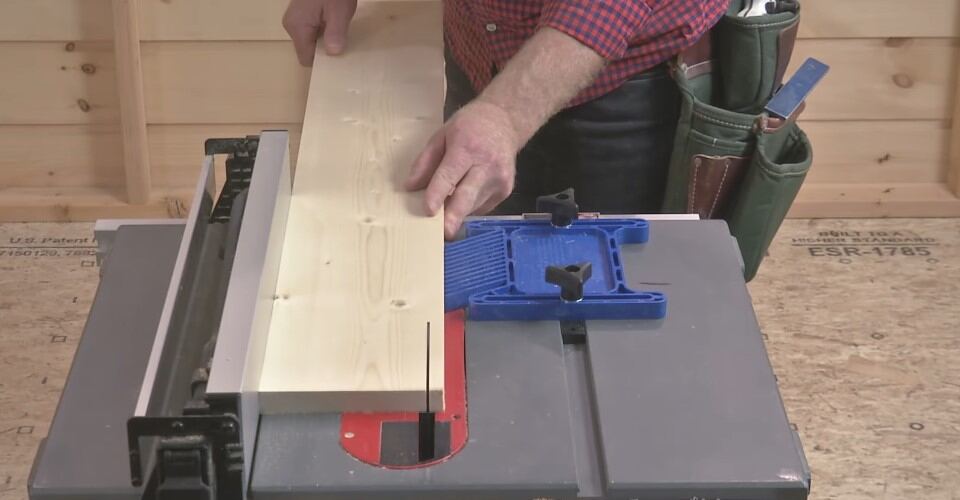
Credit: homenias.com
Preparing For Hardwood Cutting
Using a table saw to cut hardwood needs careful preparation. Safety and accuracy come first.
Get your workspace ready, check your saw, and choose the right wood. This helps you cut well.
Setting Up The Workspace
Clear your workspace to avoid accidents. Make sure there is enough light and space.
Keep the floor clean and remove any clutter. Have a stable surface for your wood pieces.
- Clear the area around the table saw
- Ensure good lighting above the saw
- Keep tools and materials nearby but tidy
- Have a sturdy workbench or support table
- Wear safety gear like goggles and ear protection
Calibrating The Saw
Check the blade for sharpness and proper installation. A dull blade can damage hardwood.
Align the blade with the fence and the miter slot. This keeps cuts straight and smooth.
- Inspect the blade for damage or dullness
- Tighten the blade securely on the arbor
- Use a square to check blade alignment
- Adjust the fence to be parallel to the blade
- Set the blade height just above the wood thickness
Selecting The Right Hardwood
Pick hardwood that fits your project needs. Look for straight grains and no knots.
Check the wood for moisture. Dry hardwood cuts cleaner and is safer to work with.
- Choose hardwood species like oak, maple, or cherry
- Inspect boards for cracks, warps, or knots
- Use a moisture meter to check wood dryness
- Buy wood cut to size if possible
- Store wood flat in a dry place before cutting
Techniques For Accurate Cuts
Cutting hardwood with a table saw requires care and precision. Using the right techniques helps you make clean, straight cuts every time.
Focus on blade settings, guides, and how you feed the wood. These key points improve your cutting accuracy and safety.
Proper Blade Height And Angle
Set the blade height so it is just above the thickness of the wood. This reduces tear-out and gives a cleaner cut.
Keep the blade angle at 90 degrees for straight cuts. Use a square or angle gauge to check this before cutting.
Using The Fence And Miter Gauge
The fence helps guide wood for rip cuts, while the miter gauge supports crosscuts. Using them properly keeps your cuts straight and safe.
- Align the fence parallel to the blade to avoid binding.
- Use the miter gauge for angled or crosscuts, locking it firmly in place.
- Check that both tools move smoothly before cutting.
- Never use the miter gauge and fence together for the same cut.
Feeding The Wood Safely
| Technique | Tip |
| Push Stick | Use it to keep hands away from the blade. |
| Steady Feed | Feed wood slowly and evenly to avoid kickback. |
| Support | Use outfeed supports for long pieces. |
| Body Position | Stand to the side of the blade path. |
Preventing Common Cutting Issues
Using a table saw to cut hardwood requires care. Common problems like tear-out, kickback, and rough cuts can happen.
Knowing how to prevent these issues helps you get clean, safe, and smooth cuts every time.
Avoiding Tear-out And Splintering
Tear-out happens when wood fibers break unevenly during cutting. Splintering is when small pieces chip off the edge.
To avoid these, use a sharp blade made for hardwood. Cut with the grain, not against it, to reduce splinters.
- Use a blade with many teeth for smooth cuts
- Place painter’s tape on the cut line to reduce splintering
- Make a shallow scoring cut before the full cut
- Support the wood firmly to prevent vibration
Reducing Kickback Risks
Kickback happens when the wood is thrown back at you by the blade. It is very dangerous and can cause injury.
Keep your wood tight against the fence and use a riving knife to reduce kickback. Never stand directly behind the blade.
- Use a sharp blade to cut easily
- Keep the fence close to the blade
- Use push sticks to keep hands away
- Check that the riving knife is in place
- Feed wood steadily and avoid stopping mid-cut
Maintaining Smooth Cuts
Smooth cuts look clean and save time on sanding. Proper setup and technique help you cut smoothly through hardwood.
Set the blade height just above the wood. Use a steady feed rate and keep your wood supported throughout the cut.
- Adjust blade height to 1/8 inch above wood
- Keep the wood flat on the table and against the fence
- Feed the wood at a consistent speed
- Use a sharp, clean blade for better results
Post-cutting Care And Maintenance
Taking care of your table saw after cutting hardwood keeps it working well. Regular maintenance helps extend the life of your saw and ensures safety.
Cleaning, blade care, and proper hardwood storage are important. Each step protects your tools and your wood.
Cleaning The Table Saw
Remove sawdust and wood chips from the table and motor area. Use a brush or compressed air to clean tight spots. Wipe the table surface with a damp cloth to remove sticky residue.
- Unplug the saw before cleaning.
- Clear debris from blade guards and riving knives.
- Check moving parts for dust buildup.
- Apply a light coat of paste wax on the table surface to prevent rust.
Blade Sharpening And Replacement
A sharp blade cuts hardwood cleanly and safely. Dull blades cause rough cuts and strain the motor. Inspect the blade regularly for dullness or damage.
| Blade Condition | Action Needed |
| Dull teeth | Sharpen the blade |
| Missing or broken teeth | Replace the blade |
| Rust or buildup | Clean or replace the blade |
| Uneven cuts | Check blade alignment and sharpen |
Storing Hardwood Properly
Store hardwood in a dry, flat place to avoid warping or cracking. Keep wood off the ground and away from direct sunlight.
- Stack wood with spacers between layers for airflow.
- Avoid damp or humid areas.
- Cover wood with a breathable cloth if stored outdoors.
- Check wood regularly for signs of mold or pests.

Credit: m.youtube.com
Frequently Asked Questions
How Do I Set Up A Table Saw For Hardwood Cutting?
To set up, adjust the blade height slightly above the hardwood thickness. Use a sharp, carbide-tipped blade. Secure the fence parallel to the blade. Ensure proper safety gear is worn before cutting.
What Blade Type Is Best For Cutting Hardwood?
A carbide-tipped blade with 40 to 60 teeth is ideal for hardwood. This blade provides clean, smooth cuts and reduces tear-out on dense wood.
How Can I Ensure Safety When Using A Table Saw?
Always wear safety goggles and ear protection. Keep hands away from the blade using push sticks. Maintain a clean workspace and use the blade guard.
What Feed Speed Should I Use For Hardwood Cutting?
Feed the hardwood slowly and steadily. Avoid forcing the wood through the blade to prevent burn marks and kickback.
Conclusion
Using a table saw for hardwood cutting takes care and focus. Always wear safety gear and check the blade before cutting. Take your time and guide the wood steadily for clean cuts. Remember to keep the saw and workspace clean to avoid mistakes.
Practice helps you gain confidence and better results. Follow these tips to cut hardwood safely and accurately every time.