Are you ready to take your woodworking skills to the next level? If precision cutting is what you’re aiming for, mastering the table saw is your next step.
Imagine crafting pieces with smooth edges and perfect dimensions, every single time. Sounds like a dream, right? Well, it’s more achievable than you think. In this guide, we’ll reveal the secrets of using a table saw for precise cutting, making sure you avoid common pitfalls and embrace techniques that professionals swear by.
By the end of this article, you’ll not only feel confident in your ability to produce flawless cuts, but you’ll also wonder how you ever managed without these tips. Let’s transform your woodworking projects from good to exceptional!
Credit: www.jlconline.com
Choosing The Right Table Saw
Using a table saw correctly helps you cut wood with precision. Picking the right saw makes your work easier and safer.
This guide explains how to choose a table saw, the right blade, and useful accessories.
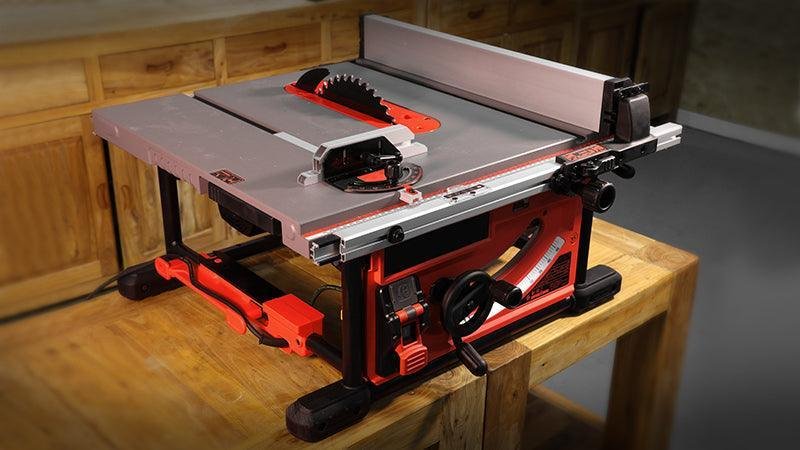
Types Of Table Saws
Table saws come in different types. Each type suits different jobs and spaces.
- Benchtop Saws:Small and light, easy to move. Good for simple jobs.
- Contractor Saws:Heavier and stronger. Suitable for medium work on site.
- Cabinet Saws:Large and powerful. Best for heavy and precise cutting in workshops.
- Hybrid Saws:Combine features of contractor and cabinet saws. Good for home use.
Blade Selection
Choosing the right blade affects the cut quality and speed. Blades differ in size, teeth, and material.
| Blade Type | Use | Teeth Count |
|---|---|---|
| Rip Blade | Cut along wood grain | 24 to 30 |
| Crosscut Blade | Cut across wood grain | 60 to 80 |
| Combination Blade | Both rip and crosscut | 40 to 50 |
| Fine Tooth Blade | Thin or delicate materials | 80 to 100+ |
Essential Accessories
Accessories help you cut safely and accurately. Some add convenience and control.
- Push Stick: Keeps your hands away from the blade.
- Blade Guard: Covers the blade for safety.
- Rip Fence: Guides wood for straight cuts.
- Miter Gauge: Helps cut angles precisely.
- Dust Collection: Keeps your workspace clean.

Credit: www.amazon.in
Setting Up For Accuracy
Using a table saw requires careful setup for precise cuts. Taking time to adjust the saw helps you avoid mistakes.
Focus on aligning the blade, adjusting the fence, and calibrating the miter gauge. These steps improve your cutting accuracy.
Aligning The Blade
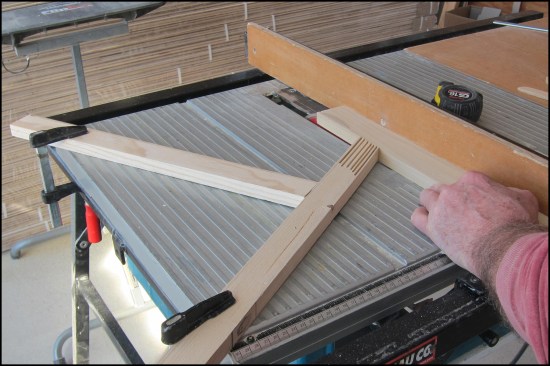
Check if the blade is parallel to the miter slot. A misaligned blade can cause poor cuts or kickback.
Use a combination square or dial indicator to measure the distance from the blade to the miter slot at the front and back.
- Turn off and unplug the saw before adjusting the blade.
- Loosen the arbor nut to slightly move the blade.
- Adjust until the blade is perfectly parallel to the miter slot.
- Tighten the arbor nut securely after alignment.
Adjusting The Fence
The fence guides your wood for straight cuts. It must be square and locked tightly in place.
Check the fence with a carpenter’s square. Make sure it forms a 90-degree angle with the blade.
- Unlock the fence and move it close to the blade.
- Use the square to check the angle between fence and blade.
- Adjust the fence until it is exactly square.
- Lock the fence firmly to prevent movement during cuts.
Calibrating The Miter Gauge
The miter gauge helps make angled cuts. It must be set to true 90 degrees for straight cuts.
Place a square against the blade and the miter gauge fence. Adjust the gauge until it matches the square.
- Loosen the miter gauge’s locking knob.
- Move the gauge until it aligns with the square.
- Tighten the knob to lock the angle in place.
- Test with scrap wood to confirm the angle is correct.
Safety Measures To Follow
Using a table saw requires careful attention to safety. Following the right measures helps prevent accidents.
Keep these safety tips in mind to protect yourself while making precise cuts.
Using Push Sticks And Guards
Push sticks keep your hands away from the blade. Use them for narrow cuts or small pieces.
- Always use the blade guard to cover the saw blade.
- Use a push stick to guide wood through the blade safely.
- Never remove safety devices unless absolutely necessary.
- Keep push sticks in good condition and replace if damaged.
Proper Stance And Hand Placement
Stand firmly with feet shoulder-width apart. Balance helps you control the wood and saw.
| Hand Position | Reason |
| Hands at least 6 inches from blade | Prevents accidental contact |
| Use non-cutting hand to hold wood firmly | Keeps wood steady |
| Push stick guides wood from behind the blade | Protects fingers |
Avoiding Kickback
Kickback happens when wood is thrown back toward you. It can cause serious injury.
- Keep the fence parallel and close to the blade.
- Do not cut warped or twisted wood.
- Use a riving knife or splitter to keep wood from pinching the blade.
- Feed wood at a steady, even pace without forcing it.
- Stand to the side of the blade, not directly behind the wood.

Credit: www.vevor.ca
Cutting Techniques For Precision
Using a table saw correctly helps you make clean and exact cuts. Precision is key for good woodworking projects.
Learn simple techniques to cut wood with accuracy and confidence. These tips improve your results every time.
Ripping Wood Accurately
Ripping means cutting wood along its length. Use the fence guide to keep the wood straight and steady.
Make sure the blade is sharp and set to the right height. Feed the wood slowly to avoid mistakes.
- Set the fence to the desired width
- Keep the wood pressed against the fence
- Push the wood at a steady, slow pace
- Use a push stick for small or narrow pieces
Crosscutting With Confidence
Crosscutting means cutting wood across the grain. Use a miter gauge or crosscut sled for better control.
Align the wood carefully before cutting. Keep your hands clear and push the wood firmly through the blade.
- Set the miter gauge to 90 degrees for straight cuts
- Hold the wood firmly against the miter gauge
- Keep your fingers away from the blade
- Push the wood smoothly and steadily
Making Bevel Cuts
Bevel cuts angle the blade to cut edges at a slant. Adjust the blade tilt to the needed angle.
Secure the wood and check the angle before cutting. Move the wood slowly to keep the cut clean.
- Loosen the bevel adjustment knob
- Set the blade to the desired angle
- Tighten the knob to lock the angle
- Use a fence or guide to keep wood steady
- Feed wood at a steady speed through the blade
Maintaining Your Table Saw
Keeping your table saw in good shape helps you cut wood accurately. Regular care stops problems and makes your saw last longer.
Below are simple ways to maintain your table saw. Follow these tips to keep it working well and safe.
Regular Cleaning
Dirt and sawdust can build up on your table saw. This buildup can cause poor cuts and damage parts.
Clean the table surface, blade, and motor area often. Use a brush or air blower to remove sawdust.
- Unplug the saw before cleaning
- Brush off sawdust from the blade and table
- Use compressed air to clean hard-to-reach spots
- Wipe the table surface with a dry cloth
Blade Sharpening Tips
A sharp blade cuts wood more cleanly and safely. Dull blades cause rough cuts and strain the motor.
Sharpen your blade when you see burn marks or hear unusual sounds. You can sharpen blades yourself or use a professional service.
- Remove the blade carefully before sharpening
- Use a blade sharpener or take it to a sharpening shop
- Check the blade for damage before reinstalling
- Balance the blade after sharpening if possible
Lubrication And Rust Prevention
Lubricate moving parts to keep your table saw running smoothly. Rust can damage metal parts and affect cutting accuracy.
Use light oil or spray lubricant on the gears, trunnions, and other moving parts. Keep the saw dry and store it in a dry place.
- Apply lubricant to the blade arbor and adjustment mechanisms
- Wipe off excess oil to avoid dust buildup
- Use a rust inhibitor spray on metal surfaces
- Cover the saw when not in use to protect from moisture
Troubleshooting Common Issues
Using a table saw can be tricky if problems appear. Fixing common issues helps get precise cuts every time.
Learn how to handle inaccurate cuts, blade drift, and motor problems. These tips keep your saw working well.
Dealing With Inaccurate Cuts
Inaccurate cuts happen when the blade or fence is not aligned. Check your setup before cutting wood.
Make sure the fence is parallel to the blade. Use a square to measure the angles carefully.
- Check the blade for damage or warping
- Align the fence and blade before each use
- Secure the wood firmly to avoid movement
- Use a sharp blade for cleaner cuts
Fixing Blade Drift
Blade drift means the wood moves away from the fence while cutting. This causes uneven edges.
Blade drift often happens because the blade teeth are not angled correctly. Adjust the blade tilt.
- Check if the blade is dull or bent
- Set the blade angle to 90 degrees or less
- Feed the wood slowly and steadily
- Use a splitter or riving knife to reduce drift
Handling Motor Problems
The motor may run slow or stop during cutting. This can harm your project and the saw.
Check the power source and motor brushes. Clean or replace parts if needed to keep the motor strong.
- Inspect power cords and plugs for damage
- Clean dust and debris from the motor area
- Replace worn motor brushes as needed
- Do not overload the saw with thick wood
Frequently Asked Questions
How Do I Set Up A Table Saw For Precise Cutting?
To set up a table saw for precise cutting, align the blade parallel to the fence. Adjust the fence tightly and check blade height. Use a square to ensure accuracy. Proper setup reduces errors and ensures clean, accurate cuts every time.
What Safety Tips Ensure Precise Table Saw Cuts?
Always wear safety gear, including goggles and ear protection. Keep hands clear of the blade and use push sticks. Maintain a stable stance and workpiece support. Following safety tips prevents accidents and helps maintain control for precise cutting.
Which Blade Type Is Best For Accurate Cuts?
Use a fine-tooth blade designed for clean, smooth cuts. A high-quality carbide-tipped blade reduces tear-out and splintering. Choose blade size and tooth count based on your material. The right blade improves cut precision and finish quality.
How To Maintain Consistent Cutting Accuracy?
Regularly calibrate the fence and blade alignment. Clean the table surface and remove debris. Inspect and replace dull blades promptly. Consistent maintenance ensures your table saw performs accurately and safely over time.
Conclusion
Using a table saw carefully helps you cut wood with great accuracy. Always check your measurements twice before cutting. Keep your hands safe and stay focused on the task. Practice makes your cuts smoother and more exact over time. Simple steps and the right tools make a big difference.
Enjoy creating projects that fit perfectly every time. Precision is key, and you have the power to achieve it.