Are you ready to take your furniture building skills to the next level? Mastering the tape measure is the first step to creating pieces that fit perfectly and look professional.
If you’ve ever struggled with awkward measurements or ended up with furniture that just doesn’t quite match your vision, this guide is for you. By learning how to use a tape measure the right way, you’ll save time, avoid costly mistakes, and build with confidence.
Keep reading, and you’ll discover simple tips that make measuring easy and accurate every single time. Your next project is about to get a whole lot smoother.
Credit: www.familyhandyman.com
Choosing The Right Tape Measure
Using a tape measure correctly is important for building furniture. It helps you get accurate sizes. Picking the right tape measure makes your work easier and better.
There are many tape measures available. Some are better for certain jobs than others. Knowing what to look for helps you choose the best one for furniture building.
Types Of Tape Measures
Tape measures come in different types. Each type suits different tasks. Some are simple and flexible, while others are rigid and strong.
- Steel Tape Measures:Durable and good for long distances.
- Cloth Tape Measures:Flexible and useful for curved surfaces.
- Fiberglass Tape Measures:Resistant to stretching and water damage.
Length And Width Considerations
Length is important for measuring large furniture pieces. Choose a tape measure long enough for your projects. Width affects how the tape holds straight when measuring.
- Longer tapes (16-25 feet) work well for big furniture.
- Narrow tapes are easy to carry but may bend easily.
- Wider tapes are stiffer and better for straight measurements.
Durability And Material
Good tape measures last longer and resist damage. Look for quality materials in the tape and case. This keeps your tool reliable over time.
- Steel tapes resist wear and tear.
- Plastic cases protect the tape and make it light.
- Rubber-coated cases add grip and shock resistance.
Preparing For Accurate Measurements
Taking precise measurements is key to building quality furniture. Careful preparation helps avoid mistakes and wasted materials.
Start by setting up your space and tools correctly. This guide covers clearing your workspace, marking points, and using a stable surface.
Clearing The Workspace
Remove all clutter from your work area. A clean space prevents distractions and errors during measuring.
- Clear off tools not in use
- Remove scraps and debris
- Ensure good lighting in the area
- Organize materials for easy reach
Marking Reference Points
Marking clear reference points helps keep measurements consistent. Use a pencil or chalk for light, erasable marks.
| Tool | Use |
|---|---|
| Pencil | Light marks on wood |
| Chalk | Temporary marks on dark surfaces |
| Awl | Small indentations for nails or screws |
Using A Stable Surface
Place your wood or parts on a flat, stable surface. This stops movement that can change measurements.
- Use a workbench or sturdy table
- Check that the surface is level
- Support longer pieces to avoid sagging
Measuring Techniques For Furniture
Measuring is an important skill for building furniture. Accurate measurements help your pieces fit well and look good.
Using a tape measure correctly makes your work easier and reduces mistakes. Learn some key measuring techniques for furniture.
Measuring Length And Width
Length and width are the main dimensions of any furniture piece. Measure these from one end to the other carefully.
Keep the tape measure straight and tight to get the correct number. Avoid bending or twisting the tape.
- Place the tape at the starting edge of the piece
- Stretch it straight to the opposite edge
- Read the number at the edge carefully
- Write down the measurement immediately
Measuring Thickness And Depth
Thickness shows how thick the material is. Depth is the distance from front to back of the furniture.
Use the tape measure to check thickness by holding it flat against the edge. For depth, measure from front to back.
- Hold the tape steady at the edge for thickness
- Make sure the tape stays straight for depth
- Measure twice for accuracy
Using The Hook Correctly
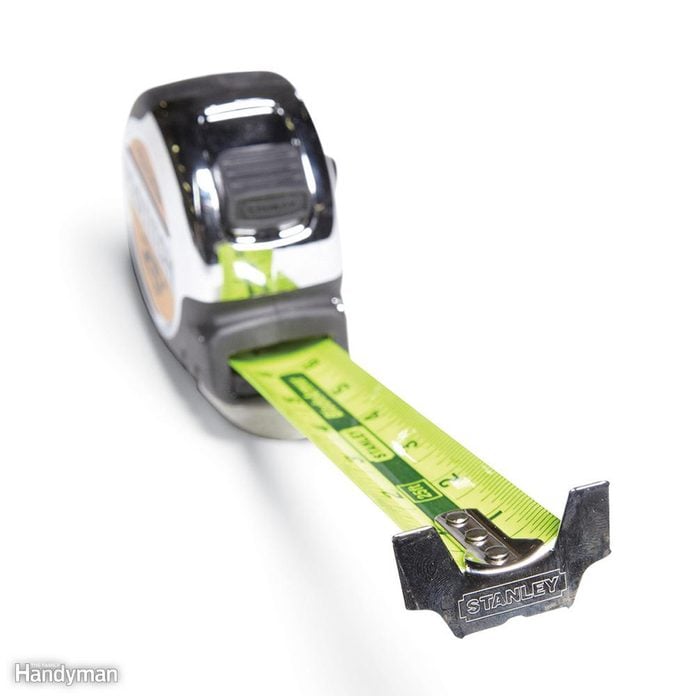
The tape measure has a small metal hook at the end. This hook helps you hold the tape on edges while measuring.
Use the hook by hooking it over the edge of the wood or furniture piece. This keeps the tape from slipping.
- Check that the hook moves slightly for inside and outside measurements
- Hook it firmly on the edge to hold the tape in place
- Keep the tape straight for the best reading

Credit: www.familyhandyman.com
Common Measurement Mistakes To Avoid
Using a tape measure is key for building furniture that fits well. Small errors can cause big problems in your project.
Learn about common mistakes to avoid so your measurements are always accurate and your furniture turns out right.
Misreading The Tape
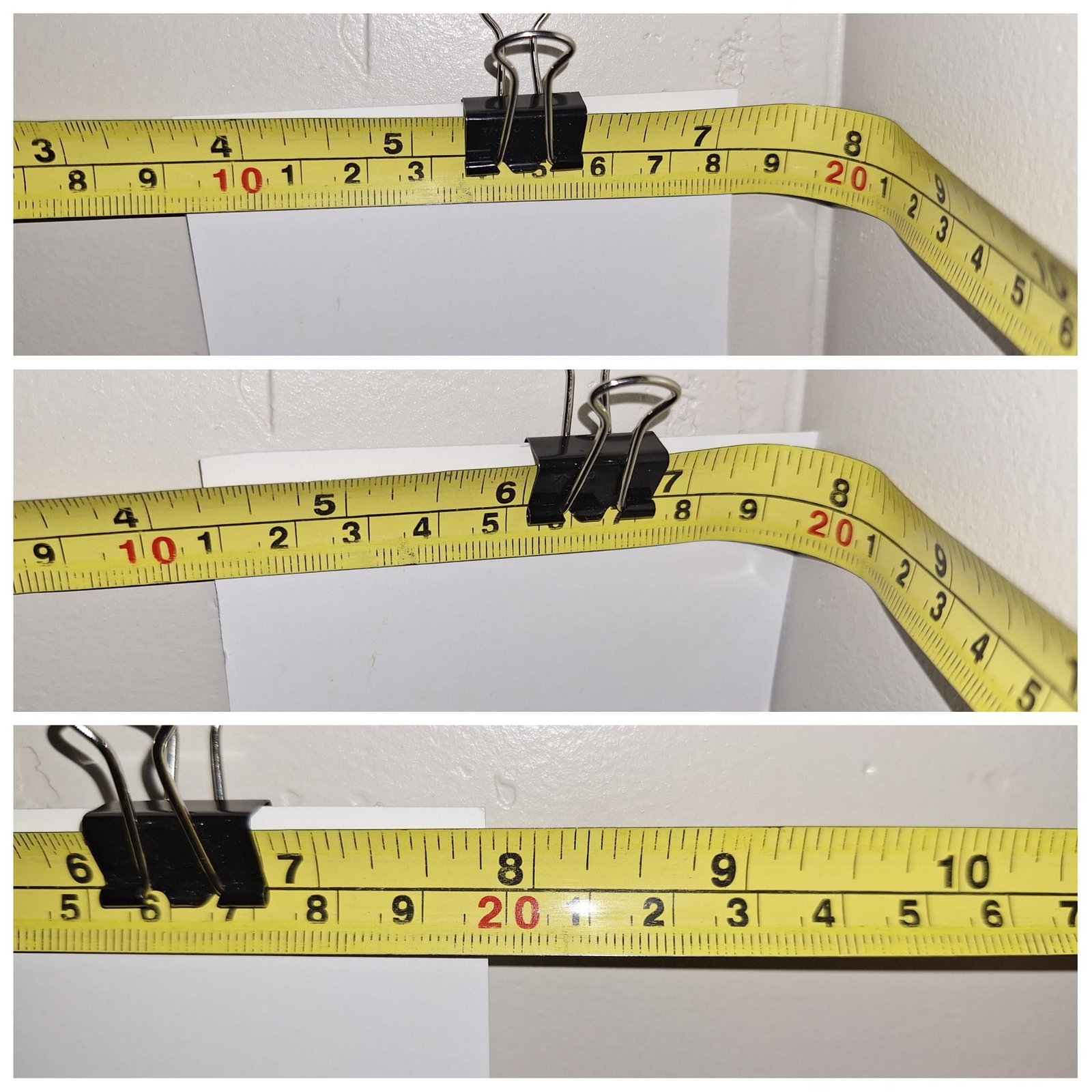
It is easy to misread the numbers on a tape measure. The marks can be close together and hard to see clearly.
Always check if you are reading inches or centimeters. Look closely at the small marks between numbers.
- Use good light to see the tape clearly
- Focus on the exact line, not the space between
- Double-check your reading before cutting
Ignoring Tape Tension
Pulling the tape too tight or leaving it loose changes the length. This causes wrong measurements for your furniture parts.
Hold the tape firmly but do not stretch it. Let it sit flat along the surface you measure.
- Keep the tape straight, not bent or twisted
- Hold the tape steady to avoid slipping
- Check the tape tension before marking the measurement
Overlooking Tape Hook Movement
The metal hook at the tape end can move slightly. This helps measure both inside and outside edges accurately.
Do not ignore this movement. If you do, your measurement may be off by the thickness of the hook.
- Know that the hook moves to adjust for inside or outside measuring
- Make sure the hook is flush against the edge when measuring outside
- Use the hook’s movement to get correct inside measurements
Tips For Efficient Tape Measure Use
Using a tape measure correctly helps you build furniture with ease. It saves time and reduces mistakes. Knowing how to use it well is important for every builder.
This guide covers three main tips: locking the tape, reading both metric and imperial units, and maintaining your tape measure.
Locking The Tape
Locking the tape lets you keep the tape in place while measuring. It makes your work faster and more precise.
- Pull the tape to the length you need.
- Press the lock button or slide the lock switch.
- Check if the tape stays put before marking or cutting.
- Release the lock slowly to rewind the tape.
Reading Both Metric And Imperial Units
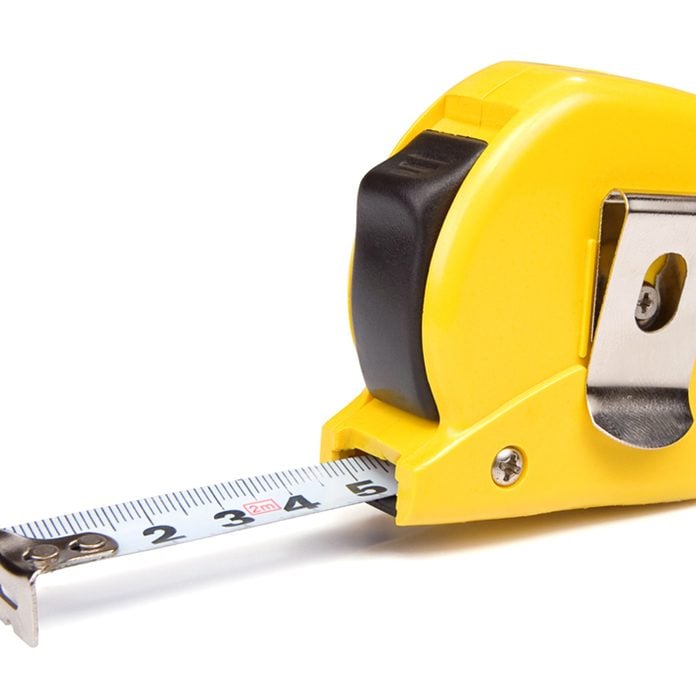
Tape measures usually show both metric (centimeters and millimeters) and imperial (inches and feet) units. Use the right unit for your project.
| Unit | Use For | How to Read |
|---|---|---|
| Metric | Precise and small measurements | Look at the numbers and small lines between centimeters |
| Imperial | Common in the US and for larger projects | Count inches and fractions like 1/2 or 1/4 |
Maintaining Your Tape Measure
Taking care of your tape measure keeps it accurate and working longer. Clean and store it properly after use.
- Wipe dirt and dust off the tape after use.
- Keep the tape dry to avoid rust.
- Do not let the tape snap back too fast.
- Store it in a cool, dry place.
Credit: www.familyhandyman.com
Applying Measurements To Furniture Building
Using a tape measure correctly is important for building furniture. Accurate measurements help pieces fit together well.
This guide explains how to apply measurements during furniture building. It covers marking wood, checking angles, and adjusting parts.
Transferring Measurements To Wood
Start by measuring the wood carefully with the tape measure. Mark the exact points where you need to cut or drill.
Use a pencil or marking tool to make clear lines. Double-check your marks to avoid mistakes before cutting.
- Place the tape measure flat on the wood surface
- Read the measurement at eye level for accuracy
- Mark the measurement point with a sharp pencil
- Draw lines using a square or straight edge
Checking For Squareness
Squareness means corners meet at right angles. This is important for strong and stable furniture.
Use a carpenter’s square or measure diagonals to check angles. Adjust the parts if corners are not 90 degrees.
- Place a carpenter’s square inside each corner
- Measure diagonals across frames to compare lengths
- Adjust the frame until both diagonal measurements match
- Tighten clamps or fasteners to hold the square shape
Adjusting Measurements During Assembly
Sometimes measurements need small changes while assembling. Wood can shift or have small differences.
Check each piece as you fit it. Measure gaps and edges. Make small cuts or sanding to fix tight or loose fits.
- Test fit parts before final assembly
- Measure gaps and check alignment
- Trim or sand edges for better fit
- Recheck measurements after adjustments
Frequently Asked Questions
How Do I Read A Tape Measure Accurately?
To read a tape measure accurately, align the tape’s zero mark with your starting point. Note measurements at the edge of the object. Use the smallest markings for precision. Always double-check your reading to avoid errors during furniture building.
What Tape Measure Length Is Best For Furniture Building?
A tape measure between 16 to 25 feet is ideal for furniture building. It provides enough length to measure large pieces. Shorter tapes may limit your reach, while longer tapes can be cumbersome for detailed work.
How Do I Measure Inside Dimensions With A Tape Measure?
For inside dimensions, place the tape’s end against one inside edge. Stretch it across to the opposite edge. Keep the tape straight and taut for accuracy. This helps measure drawers or cabinet interiors precisely.
Can A Tape Measure Help In Cutting Wood Accurately?
Yes, a tape measure helps mark exact lengths on wood. Accurate measurements ensure clean cuts and proper fitting parts. Always mark your cut lines clearly before using saws for precision.
Conclusion
Building furniture requires accurate measurements. A tape measure is essential. It helps ensure precision. Always check the measurements twice. This prevents costly mistakes. Choose a sturdy, easy-to-read tape measure. One with clear markings. Keep it handy during projects. Practice using it regularly.
This builds confidence and skill. Remember, measuring correctly saves time. It also saves money. So, measure carefully and enjoy crafting beautiful furniture. Your efforts will pay off. Every piece will fit perfectly. Happy building!