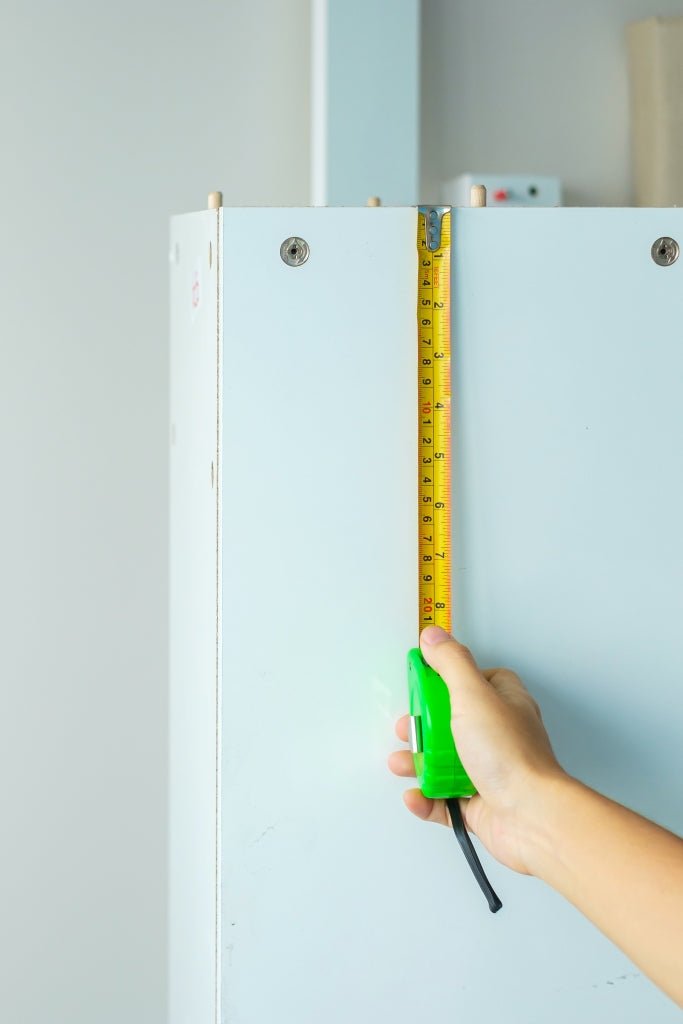
Measuring long walls can feel tricky, especially if you want to get it right the first time. If you’ve ever struggled with a tape measure that won’t reach far enough or found yourself guessing lengths, you’re not alone.
But what if you could learn a simple, step-by-step way to use your tape measure confidently and accurately, no matter how long the wall is? In this guide, you’ll discover easy techniques that save you time, reduce errors, and make your projects smoother from start to finish.
Keep reading, and you’ll master measuring long walls like a pro.

Credit: www.create-enjoy.com
Choosing The Right Tape Measure
Choosing the right tape measure makes measuring long walls easier. The right tool helps you get accurate results fast.
Consider size, material, and units before buying a tape measure. These factors affect how well it works for your project.
Tape Length And Width
Pick a tape measure long enough for your wall. A tape that is too short will cause extra work.
The tape’s width also matters. A wider tape stays straight and is easier to read over long distances.
- Choose at least 25 feet (7.5 meters) for long walls
- Wide tape (1 inch or more) resists bending
- Longer tapes often have stronger cases
Material And Durability
Look for tape measures made from strong materials. Good quality tape lasts longer and stays accurate.
Steel tapes are common and tough. Plastic tapes can be flexible but may wear out faster.
- Steel blade resists stretching and damage
- Protective coating prevents rust and scratches
- Strong case protects the tape inside
Measurement Units
Check the measurement units on the tape. Pick one that matches your project needs.
Some tapes show inches and feet. Others have metric units like centimeters and meters.
- Use imperial units for US construction projects
- Use metric units for international or science projects
- Dual scale tapes show both units for flexibility
Preparing For Measurement
Measuring long walls correctly starts with good preparation. Taking time to get ready helps you avoid mistakes.
Clear space, mark points, and get help for the best results.
Clearing The Wall Area
Remove furniture, decorations, or anything blocking the wall. A clean wall lets you measure without interruption.
Check the floor and wall edges for obstacles that may affect your tape measure’s path.
Marking Start And End Points
Mark where you will start and stop measuring. Use painter’s tape or a pencil to make small marks.
- Place the start mark at one end of the wall near the floor or baseboard.
- Put the end mark at the opposite wall edge where the measurement stops.
- Keep marks small to avoid damage but visible enough to see.
Using A Helper For Accuracy
Ask a friend to hold the tape measure at one end. This keeps the tape straight and steady.
| Role | Task |
| Helper | Hold tape firmly at start point |
| Measurer | Extend tape to end point and read measurement |
Measuring Long Walls Accurately
Measuring long walls can be tricky without the right method. You need to use a tape measure carefully to get exact results.
This guide covers key tips to help you measure long walls with accuracy and ease.
Straightening The Tape
Make sure the tape measure is fully straight before taking any reading. A bent or twisted tape can cause wrong measurements.
Hold the tape at one end and pull it tight along the wall. Check that it lies flat without curves or kinks.
Avoiding Sagging And Bends
Long tape measures tend to sag in the middle. This sagging adds extra length, which makes your measurement less accurate.
- Keep the tape level with the wall surface.
- Use your hand or a helper to support the tape at intervals.
- Do not let the tape hang freely or bend around corners.
Using Intermediate Markers
For very long walls, mark points along the wall to measure in sections. This avoids errors from sagging or misalignment.
| Tip | Why It Helps |
| Mark wall points every 10 feet | Keeps measurements manageable and precise |
| Use painter’s tape or chalk | Easy to see and remove after measuring |
| Measure each section separately | Reduces sag and bending errors |
| Add all sections for total length | Gets accurate full wall length |

Credit: thetailoredwall.com
Handling Common Challenges
Measuring long walls with a tape measure can be tricky. You may face obstacles, uneven surfaces, or need multiple readings.
Understanding how to handle these challenges helps get accurate measurements every time.
Measuring Around Obstacles
Walls often have doors, windows, or pipes that block a straight line for measuring. You must measure carefully around these obstacles.
Start by measuring from one edge to the obstacle. Then measure from the obstacle to the next point. Add these lengths together for total distance.
- Measure from wall start to obstacle edge
- Measure from obstacle edge to wall end
- Add the two measurements for full length
Dealing With Uneven Surfaces
Walls may not be perfectly flat or straight. This can cause tape measures to sag or bend, which affects accuracy.
Keep the tape measure tight and close to the wall. Use a helper to hold the tape straight if possible. Take your time to avoid errors.
- Hold tape measure tight against the wall
- Use a second person to hold the tape if needed
- Measure in small sections to avoid sagging
Taking Multiple Measurements
Measuring long walls once may not be enough. Taking several measurements ensures you find the correct length.
Measure at different heights and spots along the wall. Write down all numbers and check for differences. Use the largest measurement for safety.
- Measure at top, middle, and bottom of the wall
- Take measurements from left, center, and right areas
- Compare results and use the longest measurement
Recording And Using Measurements
Measuring long walls accurately is important for many projects. You need to record your measurements well to avoid mistakes.
Using the right method to save and check your measurements helps you get good results. This guide shows how to do it step by step.
Writing Down Measurements Clearly
Write your measurements right after taking them. Use a notebook or a digital app to keep them safe.
Keep your notes simple and easy to read. Write numbers clearly and add units next to each number.
- Use a fresh page or note for each wall
- Write numbers big and neat
- Label each measurement with its location
- Include units like feet, inches, or meters
Converting Units If Needed
Sometimes you measure in inches but need feet or meters. Convert units to match your project requirements.
Use simple math or an online converter tool to change units. Always double-check your conversions to avoid errors.
- 12 inches = 1 foot
- 3 feet = 1 yard
- 1 inch = 2.54 centimeters
- 100 centimeters = 1 meter
Double-checking For Precision
Check your measurements twice before using them. This helps catch mistakes early and saves time later.
Measure each part of the wall again and compare the numbers. If they match closely, your measurement is precise.
- Measure from the same points each time
- Use a helper for better accuracy
- Write down both measurements for comparison
- Fix any big differences before moving on

Credit: thetailoredwall.com
Advanced Tips And Tricks
Using a tape measure on long walls can be tricky. Simple methods may lead to mistakes or wasted time. These tips help you measure better and faster.
Learn how to check your measurements, mark your points clearly, and break big walls into smaller parts for accuracy.
Using A Laser Measure For Verification
A laser measure gives quick and exact distances. It helps verify tape measure results on long walls. Use it to avoid errors.
- Position the laser at one end of the wall.
- Aim the laser at the opposite end or a marked spot.
- Compare the laser reading with your tape measurement.
- Repeat if the wall is not straight or has obstacles.
- Use the laser reading to correct your tape measure results.
Marking With Painter’s Tape
Painter’s tape works well for marking points on a wall. It does not damage paint and is easy to remove. Use it to keep marks clear and visible.
| Tip | Reason |
|---|---|
| Place tape where you finish measuring | Holds your exact spot without pencil smudges |
| Write measurements on the tape | Helps remember distances without extra notes |
| Use small tape strips | Prevents peeling paint when removed |
| Remove tape soon after work | Keeps wall clean and paint intact |
Measuring In Sections
Long walls can be hard to measure all at once. Breaking the wall into smaller parts makes it easier and more accurate.
- Start at one end of the wall.
- Measure a manageable length, such as 8 or 10 feet.
- Mark the end of the section with painter’s tape.
- Record the length on the tape.
- Continue measuring the next section from the mark.
- Add all sections to get the total wall length.
Frequently Asked Questions
How Do I Measure Long Walls Accurately?
Use a sturdy tape measure and start at one end of the wall. Extend the tape slowly, keeping it straight. Mark measurements clearly. For very long walls, use a helper to hold the tape at the far end for precise readings.
What Tape Measure Length Is Best For Long Walls?
A tape measure of at least 25 feet (7. 5 meters) is ideal for long walls. Longer tape measures reduce the need for multiple measurements, improving accuracy and saving time.
How To Avoid Errors When Measuring Long Walls?
Keep the tape measure taut and straight without sagging. Avoid bending the tape around corners. Always measure from a fixed starting point. Double-check measurements to ensure accuracy before recording.
Can I Use A Laser Measure Instead Of A Tape?
Yes, laser measures provide quick and precise measurements of long walls. They are easy to use and reduce human error. However, a tape measure is still useful for verifying distances in tight spaces.
Conclusion
Mastering a tape measure is crucial for long walls. Practice often to improve skills. Start measuring with a steady hand. Ensure the tape is straight to get accurate results. Double-check measurements for precision. These steps help avoid costly mistakes. Always keep the tape measure level.
This ensures consistent results every time. Simple tools like these make projects easier. With practice, measuring becomes second nature. You’ll gain confidence with each project. Remember, accuracy matters. Using a tape measure correctly saves time and effort. Happy measuring!