Are you tired of struggling with messy cuts when tackling DIY projects or simply trying to open a package? It’s frustrating, isn’t it?
But there’s good news! Mastering the use of a utility knife can transform your cutting tasks into a breeze. Imagine making precise, clean cuts every single time, no matter the material. By the end of this guide, you’ll feel like a pro, ready to take on any cutting challenge that comes your way.
Ready to discover the secrets of using a utility knife effectively? Keep reading, and unlock a new level of efficiency and satisfaction in your projects!

Credit: olfa.com
Choosing The Right Utility Knife
Using a utility knife correctly starts with picking the right tool. The right knife helps you make clean and safe cuts every time.
This guide explains different types of utility knives, blade choices, and safety features to check before buying.
Types Of Utility Knives
Utility knives come in many styles. Each style suits different cutting jobs and preferences.
- Retractable Knife:The blade slides in and out. It is safer to carry and store.
- Fixed Blade Knife:The blade stays out. It is strong and good for tough materials.
- Folding Knife:The blade folds into the handle. It is compact and easy to carry.
- Snap-off Blade Knife:The blade has segments that break off when dull. It stays sharp longer.
Blade Selection Tips
| Blade Type | Best For | Material |
|---|---|---|
| Standard Straight Blade | General cutting tasks | Steel |
| Hook Blade | Cutting carpet and linoleum | Steel |
| Rounded Tip Blade | Safety-sensitive jobs | Steel |
| Heavy Duty Blade | Thick materials like leather | Hardened Steel |
Choose a blade that fits the job to get clean cuts and avoid blade damage.
Safety Features To Look For
- Blade Lock:Keeps the blade in place during use.
- Non-slip Handle:Provides a firm grip to avoid slips.
- Retractable Blade:Allows the blade to hide when not in use.
- Blade Cover:Protects the blade and user during storage.
These features help prevent accidents and make cutting safer for everyone.
Credit: bladeforge.au
Preparing For Clean Cuts
Using a utility knife safely and effectively starts with good preparation. Setting up your work area and marking your cuts clearly helps you make straight, clean lines.
Securing your material before cutting keeps it steady and prevents slips. These steps reduce mistakes and improve your cutting results.
Proper Workspace Setup
Choose a flat, stable surface to work on. Make sure the area is well-lit and free of clutter. This helps you see your lines clearly and move the knife smoothly.
- Clear the workspace of loose items
- Use a cutting mat or board to protect surfaces
- Keep your utility knife sharp and clean
- Wear safety gloves if needed
Marking Your Cutting Lines
Draw clear cutting lines on your material using a pencil or marker. Check that the lines are straight and visible before you cut.
| Tool | Purpose |
| Ruler or Straightedge | Draw straight lines |
| Pencil or Marker | Mark cutting lines clearly |
| Square | Make sure corners are right angles |
Securing The Material
Hold your material firmly to keep it from moving while you cut. Use clamps or weights to keep larger pieces steady.
- Place clamps on both ends of the material
- Use a non-slip mat under the material if clamps are not available
- Keep your hands clear of the cutting path
- Test stability before cutting
Cutting Techniques For Precision
Using a utility knife well needs good technique. Clean cuts make your work look neat and professional.
Focus on how you hold the knife, the pressure you apply, and keeping your hand steady. These steps help you cut with care.
Holding The Knife Correctly
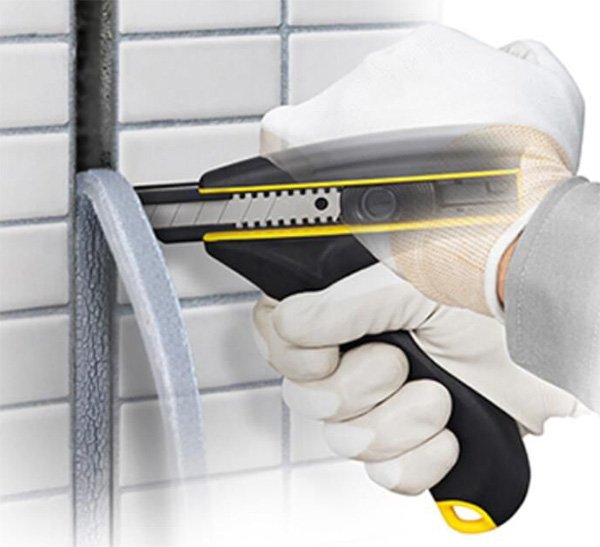
Grip the utility knife firmly but not too tight. Hold it like a pen to keep control. Your thumb should press on the side for extra support.
- Keep your fingers away from the blade’s path.
- Use your other hand to hold the material steady.
- Position the blade at a slight angle to the cutting surface.
Applying The Right Pressure
Press the blade gently at first. Increase pressure slowly as you cut through the material. Too much force can cause slips or uneven edges.
| Material | Pressure Level | Blade Angle |
| Cardboard | Medium | 45° |
| Plastic Sheet | Light to Medium | 30° |
| Foam Board | Light | 40° |
Maintaining A Steady Hand
Keep your hand steady to avoid jagged cuts. Rest your wrist on the work surface. Move the knife slowly along the line you want to cut.
Tips to keep your hand steady:
- Take deep breaths to stay calm.
- Work in a well-lit area.
- Keep your elbow close to your body.
- Practice on scrap material first.
Maintaining Your Utility Knife
Keeping your utility knife in good shape helps you make clean cuts every time. Proper care improves safety and saves money on replacements.
This guide covers blade replacement, cleaning, storage, and ways to extend your blade’s life.
Blade Replacement Guidelines
Change the blade when it becomes dull or damaged. Dull blades require more force and can cause accidents.
- Unlock the blade holder safely before removing the blade.
- Use pliers or gloves to avoid cuts while handling blades.
- Insert a new blade fully and lock it securely.
- Test the blade carefully on scrap material before use.
Cleaning And Storage
Clean your utility knife after every use. Dirt and debris can cause blade sticking and rust.
| Task | Instructions |
|---|---|
| Cleaning | Wipe blade and handle with a damp cloth. Dry completely to prevent rust. |
| Lubrication | Apply a drop of oil on moving parts for smooth blade movement. |
| Storage | Store knife in a dry place with the blade retracted or covered. |
Extending Blade Life
Using your utility knife properly helps the blade last longer. Avoid cutting hard materials like metal or stone.
- Cut on a soft surface to protect the blade edge.
- Use straight, even pressure to avoid bending the blade.
- Retract the blade fully after use to avoid damage.
- Replace blades before they become too dull to reduce strain.
Safety Tips To Prevent Injuries
Using a utility knife can be dangerous without the right safety measures. Always take precautions to avoid cuts and injuries.
Follow these safety tips to protect yourself and others while making clean cuts with a utility knife.
Protective Gear Recommendations
Wearing the correct protective gear helps reduce the risk of injury. It creates a barrier between your skin and the blade.
- Use cut-resistant gloves to protect your hands.
- Wear safety glasses to shield your eyes from debris.
- Choose long sleeves to cover your arms during cutting tasks.
- Use closed-toe shoes to protect your feet from falling blades.
Safe Cutting Practices
Following safe cutting methods keeps you in control and avoids accidents.
- Always cut away from your body and hands.
- Use a stable surface or cutting board for support.
- Make slow, steady cuts to maintain control.
- Keep your fingers clear of the cutting path.
- Do not use excessive force on the blade.
Handling And Disposal Of Blades
Proper blade handling and disposal prevent injuries after use and protect others.
| Action | Safety Tip |
| Changing blades | Always use pliers or a tool to avoid direct hand contact. |
| Storing blades | Keep blades in a closed container or sheath to avoid cuts. |
| Disposing blades | Place used blades in a sharps container or wrap them in tape before trashing. |
| Blade inspection | Check blades for damage before use to prevent slipping. |

Credit: www.amazon.com
Frequently Asked Questions
How Do I Hold A Utility Knife For Clean Cuts?
Hold the utility knife firmly with your dominant hand. Keep your fingers away from the blade edge. Use a steady, controlled grip to guide the knife smoothly. This ensures precision and safety during cuts.
What Materials Can I Cut With A Utility Knife?
Utility knives cut materials like cardboard, drywall, plastic, and thin wood. They are ideal for trimming wallpaper, carpet, and foam board. Always choose the right blade type for your specific material.
How Often Should I Change The Utility Knife Blade?
Change the blade as soon as it becomes dull or difficult to cut. A sharp blade ensures clean cuts and improves safety. Regularly inspect the blade to maintain cutting efficiency.
Can I Use A Utility Knife For Straight Cuts?
Yes, use a straightedge or ruler as a guide for straight cuts. Align the blade along the guide and apply consistent pressure. This technique helps achieve clean, precise lines.
Conclusion
Using a utility knife safely ensures clean and precise cuts every time. Always keep the blade sharp and apply steady pressure. Take your time and follow the cutting line closely. Wear gloves for extra safety and work on a stable surface.
Practice these steps to improve your skill and confidence. Clean cuts make your projects look neat and professional. Keep your utility knife in good condition to use it longer. Small efforts lead to better results. Simple tools, done right.