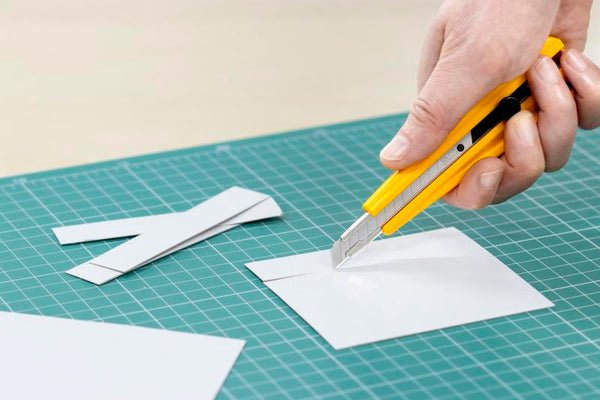
When it comes to making precise cuts, your utility knife can be your best friend—if you know how to use it right. Imagine slicing through materials smoothly and confidently, without jagged edges or mistakes.
Whether you’re working on a DIY project, crafting, or just need clean cuts for repairs, mastering your utility knife will save you time and frustration. You’ll discover simple, effective techniques to handle your knife like a pro and get those perfect cuts every time.
Ready to take your skills up a notch? Let’s dive in.
Credit: www.boschtools.com
Choosing The Right Utility Knife
Using a utility knife correctly helps you make clean, precise cuts. Picking the right knife is important for safety and accuracy.
This guide explains key features to consider when selecting your utility knife. Focus on the type, blade quality, and handle comfort.
Types Of Utility Knives
Utility knives come in many styles. Some are retractable, some fixed. Choose one that fits your cutting needs well.
- Retractable knives:Blades slide in and out for safety.
- Fixed-blade knives:Blades do not move; they feel sturdy.
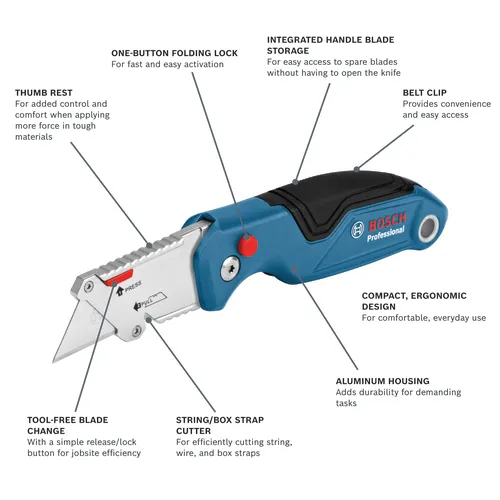
- Folding knives:Fold the blade into the handle for storage.
- Disposable knives:Cheap and easy to replace blades.
Blade Materials And Sharpness
Blade quality affects cutting precision. Look for blades made from strong materials that hold sharp edges well.
| Material | Durability | Sharpness | Cost |
|---|---|---|---|
| Carbon Steel | High | Sharp, but may rust | Moderate |
| Stainless Steel | Medium | Sharp and rust-resistant | Moderate |
| Titanium Coated | Very High | Sharp and long-lasting | High |
Ergonomic Handles
Comfortable handles reduce hand fatigue. Look for textured grips and shapes that fit your hand well.
- Rubberized grips prevent slipping
- Curved handles fit the palm better
- Lightweight materials ease long use
- Easy blade change mechanisms save time
Preparing For Precision Cuts
Using a utility knife for precision cuts needs careful preparation. You must choose the right tools and set up your workspace well.
This guide covers how to pick the correct blade, create a stable cutting area, and wear safety gear to protect yourself.
Selecting The Right Blade
Pick a blade that fits the material you will cut. Sharp blades make cleaner cuts and reduce errors. Replace dull blades often.
- Use a fine-point blade for detailed work.
- Choose a heavy-duty blade for thick materials.
- Check blade size for compatibility with your knife handle.
- Keep extra blades on hand for quick swaps.
Setting Up A Stable Cutting Surface
A stable surface keeps your cuts straight and safe. Use a cutting mat or a hard flat board. Avoid slippery or uneven tables.
| Surface Type | Recommended Use | Notes |
| Self-healing cutting mat | Crafts and paper | Protects blades and surface |
| Wooden board | Wood and thick materials | Must be flat and secure |
| Metal table | Heavy-duty cutting | Use with caution to avoid blade damage |
Safety Gear Essentials
Wear safety gear to protect your hands and eyes from cuts and debris. Use gloves and safety glasses every time.
- Cut-resistant gloves help prevent hand injuries.
- Safety glasses protect against flying particles.
- Wear closed-toe shoes for foot safety.
- Keep a first-aid kit nearby for emergencies.
Techniques For Accurate Cutting
Using a utility knife for precision cuts needs steady hands and good technique. Cutting accurately saves material and makes your work look neat.
This guide explains key techniques to help you cut with control and exactness every time.
Proper Grip And Hand Position
Hold the utility knife firmly but not too tight. Your grip should feel natural and steady. Keep your fingers away from the blade path.
Position your hand so your wrist is straight. This helps guide the knife smoothly along the cutting line.
- Use your dominant hand for better control
- Wrap your fingers around the handle
- Keep your thumb on the side for support
- Rest your pinky lightly on the surface to steady your hand
Controlling Cutting Pressure
Apply gentle, even pressure on the knife. Pressing too hard can cause slips or jagged cuts. Too little pressure may not cut through properly.
Make several light passes instead of one deep cut. This gives you more control and cleaner edges.
- Start with light pressure to score the material
- Increase pressure slightly on each pass
- Stop if the blade feels stuck or uneven
- Replace the blade if it becomes dull for better cutting
Using Guides And Rulers
Use a straight edge like a ruler or metal guide to keep your cuts straight. Hold the guide firmly to prevent slipping.
Place the guide along the cutting line before you start. Move the knife close to the guide for precise edges.
- Choose a metal ruler for durability and safety
- Hold the guide firmly with your non-cutting hand
- Cut along the edge of the guide without pushing it away
- Use clamps if needed to secure the guide on the material

Credit: excelblades.com
Maintaining Your Utility Knife
Keeping your utility knife in good shape helps you make clean, precise cuts. Regular care keeps the blade sharp and safe to use.
Proper maintenance also extends the life of your knife and prevents accidents during cutting tasks.
Blade Replacement Tips
Replace the blade as soon as it becomes dull or damaged. A sharp blade cuts better and reduces the risk of slipping.
Always use the right type of blade for your utility knife. Follow the tool’s instructions for safe blade removal and insertion.
- Wear gloves to protect your hands.
- Hold the knife firmly while changing blades.
- Dispose of old blades safely in a blade container.
Cleaning And Storage
Clean your utility knife after each use to remove dirt and debris. This keeps the blade and handle working well.
Store the knife in a dry place. Use a sheath or case to protect the blade and avoid injuries.
- Wipe the blade with a dry cloth.
- Use a small brush to clean inside the handle.
- Keep the knife away from moisture to stop rust.
Sharpening Blades Safely
Sharpen blades only if they are designed to be sharpened. Some utility blades are disposable and should be replaced instead.
Use a sharpening stone or tool carefully. Keep your fingers away from the blade edge while sharpening.
- Hold the blade steady and sharpen at the correct angle.
- Use gentle, even strokes on both sides of the blade.
- Test the blade carefully after sharpening to ensure it is sharp.
Common Mistakes To Avoid
Using a utility knife needs care to get sharp and precise cuts. Many users make simple mistakes that reduce safety and accuracy.
Learn about common errors to improve your cutting skills and avoid accidents.
Cutting Without Support
Cutting without proper support can cause uneven cuts and accidents. Always place the material on a stable surface before cutting.
- Never hold the material in your hand while cutting.
- Use a cutting mat or board to protect surfaces.
- Apply firm, even pressure to avoid slips.
- Secure loose items to prevent movement.
Ignoring Blade Wear
Dull blades make cutting harder and unsafe. Replace blades often to keep cuts clean and to reduce hand strain.
| Blade Condition | Effect on Cutting | Action Needed |
| New | Sharp, smooth cuts | Use as normal |
| Dull | Rough cuts, more force needed | Replace blade |
| Rusty or damaged | Unsafe, may break | Discard and change |
Unsafe Handling Practices
Handling the utility knife carelessly leads to injuries. Follow safety rules to protect yourself and others.
- Keep fingers away from the blade path.
- Do not use excessive force when cutting.
- Retract the blade when not in use.
- Store the knife in a safe place out of reach of children.
- Wear cut-resistant gloves if possible.

Credit: olfa.com
Advanced Cutting Tips
Using a utility knife for precision cuts needs careful control. Small details can make a big difference.
These advanced tips help you cut clean lines and avoid mistakes. Practice makes your cuts sharper and safer.
Layered Material Cutting
Cutting through layers requires steady hands and the right technique. Cut one layer at a time to keep edges neat.
Use a ruler or straight edge to guide your knife. Apply even pressure for each pass.
- Start with a light cut to mark the layers
- Repeat cuts, pressing deeper each time
- Check alignment after each pass
- Keep the blade sharp to avoid tearing
Scoring Techniques
Scoring means making a shallow cut to guide a deeper cut later. It helps create clean folds or breaks.
Use light pressure for scoring. Follow the line exactly and do not cut through the material.
- Mark the cutting line clearly
- Run the blade gently along the line once
- Check the score depth before cutting deeper
- Use scoring for materials like cardboard and plastic
Working With Different Materials
Each material cuts differently. Adjust your blade angle and pressure for best results.
Hard materials need slower, careful cuts. Soft materials allow faster, smoother cuts.
| Material | Blade Angle | Pressure | Tip |
|---|---|---|---|
| Cardboard | 45 degrees | Medium | Score first, then cut deeper |
| Plastic sheets | 60 degrees | Light to medium | Use multiple passes |
| Foam board | 90 degrees | Light | Cut gently to avoid dents |
| Vinyl | 30-45 degrees | Light | Use a fresh blade for clean edges |
Frequently Asked Questions
How Do I Hold A Utility Knife For Precision Cuts?
Hold the utility knife firmly with your dominant hand. Use your index finger to guide the blade for control. Keep your other hand steady on the material. Maintain a comfortable grip to prevent slipping and ensure accurate, straight cuts every time.
What Safety Tips Should I Follow Using A Utility Knife?
Always cut away from your body to avoid injury. Use a sharp blade for cleaner cuts and less force. Wear protective gloves and ensure the workspace is well-lit. Retract the blade when not in use and store the knife safely.
How Can I Achieve Straight Cuts With A Utility Knife?
Use a ruler or straight edge as a guide. Position the blade firmly against the edge. Apply steady, even pressure while cutting slowly. Make multiple light passes rather than one deep cut to avoid mistakes and ensure precision.
When Should I Replace The Utility Knife Blade?
Replace the blade when cuts become rough or require extra force. Dull blades increase the risk of slipping and injury. Regularly inspect the blade for nicks or rust. Keeping the blade sharp ensures safety and precise cutting results.
Conclusion
Using a utility knife can make precision cuts easy. Practice ensures cleaner cuts. Always maintain a firm grip for safety. Choose the right blade for each task. This prevents damage and ensures accuracy. Keep blades sharp for best results. Dull blades can slip and cause accidents.
Regularly replace worn blades. This keeps your cuts precise and smooth. Remember, safety first. Use protective gear to avoid injuries. With these tips, your utility knife becomes a reliable tool. Perfect for all your cutting needs.