Are you ever unsure if a wire or outlet is live before you start working? Using a voltage detector pen can keep you safe and save you time.
This small tool helps you quickly check if electricity is flowing without touching wires directly. You’ll learn exactly how to use a voltage detector pen step-by-step. By the end, you’ll feel confident and ready to handle your electrical tasks safely.
Keep reading to discover simple tips that protect you and make your work easier.
What Is A Voltage Detector Pen
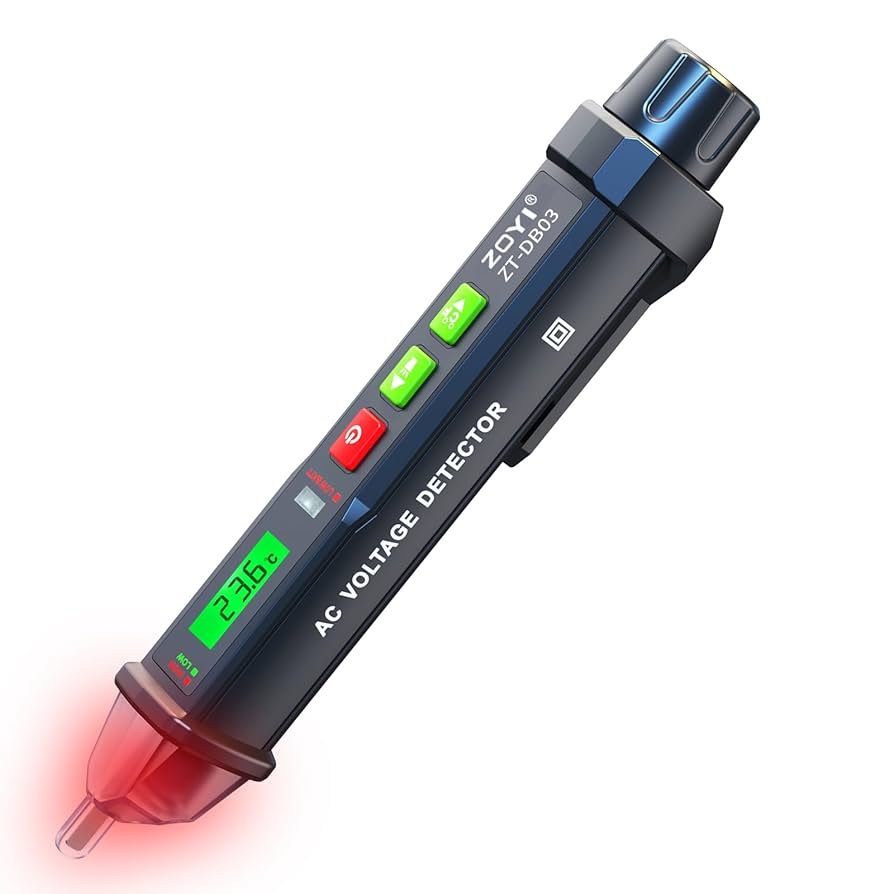
A voltage detector pen is a small tool that checks for electric voltage without touching wires. It helps to know if a wire or device is live or not. This tool is safe and easy to use.
Electricians and homeowners use voltage detector pens to avoid electric shocks. The pen lights up or beeps when it finds voltage. It works by sensing electric fields near wires.
How A Voltage Detector Pen Works
The pen detects voltage by sensing the electric field around live wires. It does not need to touch the wire directly. The pen has a sensor at the tip that picks up this field.
When the pen senses voltage, it shows a light or makes a sound. This alerts the user that the wire has electricity. The tool usually works on a wide voltage range.
- Non-contact voltage testers: detect voltage without touching wires
- Contact voltage testers: require direct contact with a conductor
- Dual-range testers: can detect low and high voltages
- Digital testers: show voltage level on a screen
Safety Features Of Voltage Detector Pens
| Feature | Description |
| Insulated Body | Protects user from electric shock |
| Audible Alert | Beeps when voltage is detected |
| Visual Indicator | Lights up to show voltage presence |
| Auto Power Off | Saves battery when not in use |
Common Uses Of Voltage Detector Pens
People use voltage detector pens for many tasks. They check if wires or outlets have power. They test switches and electrical devices. They help find power before fixing electrical problems.

Credit: manuals.plus
Types Of Voltage Detector Pens
Voltage detector pens help check if wires or devices have electricity. They are safe tools used by electricians and home users. Knowing the types helps pick the right one for a job.
There are three main types of voltage detector pens. Each works in a different way. They also show voltage in different forms.
Non-contact Voltage Detectors
Non-contact voltage detectors find electricity without touching wires. They sense electrical fields near live wires. This type is safe for quick checks.
- Detects voltage through insulation
- Shows presence of voltage by lights or sound
- Works on AC voltage only
- Useful for checking outlets and switches
- Does not measure exact voltage level
Contact Voltage Detectors
Contact voltage detectors need to touch the wire or terminal. They give a more direct reading of voltage presence. Some models show the exact voltage value.
| Feature | Contact Voltage Detector |
| Contact Required | Yes |
| Voltage Type | AC and DC |
| Voltage Measurement | Yes, some models |
| Use Case | Testing batteries, circuits |
| Risk Level | Higher than non-contact |
Multifunction Voltage Testers
Multifunction testers combine several tools in one device. They detect voltage, measure current, and test continuity. These testers are useful for complex electrical work.
Common features of multifunction voltage testers:
- Voltage detection (AC/DC)
- Current measurement
- Continuity testing with sound
- Resistance measurement
- Backlit display for easy reading
Safety Precautions Before Use
Using a voltage detector pen safely is important to avoid accidents. Always follow safety steps before testing any electrical source.
These precautions help protect you from electric shocks and ensure your device works properly.
Wear Protective Gear
Wear insulated gloves to protect your hands from electric shock. Use safety glasses to shield your eyes from sparks or debris.
- Insulated gloves reduce shock risk
- Safety glasses protect eyes from sparks
- Wear non-conductive shoes for extra safety
Check Device Battery
Make sure the battery in your voltage detector pen is charged. A weak battery can give false readings or fail to detect voltage.
| Battery Status | Action |
| Full | Ready to use |
| Low | Replace before use |
| Dead | Do not use device |
Inspect The Pen For Damage
Look over the voltage detector pen for cracks or broken parts. Damaged tools can be unsafe and give wrong results.
- Check the pen’s tip for wear or breaks
- Look for cracks on the body
- Verify all buttons work properly

Credit: scccltd.com
Step-by-step Usage Guide
Using a voltage detector pen is a simple way to check if wires or outlets have electricity. This tool helps keep you safe by detecting live voltage without touching wires directly.
Follow these steps carefully to use the voltage detector pen correctly and understand its signals.
Turn On The Pen
First, press the power button or slide the switch to turn on the voltage detector pen. Some models light up or beep to show they are active. Make sure the pen’s battery is charged or new for accurate readings.
Test On A Known Live Source
Before testing unknown wires, check the pen on a known live source like a powered outlet. This confirms the pen works properly. Hold the pen near the live wire or outlet slot without touching it directly.
- Turn the pen on.
- Place the tip close to a live outlet slot or wire.
- Watch for light or sound signals from the pen.
- If no signal appears, check the battery or try a different outlet.
Detect Voltage On Wires And Outlets
To check wires or outlets, hold the pen tip near the surface. Keep fingers away from metal parts for safety. Move the pen slowly along the wire or around the outlet slots.
- Keep the pen tip close but do not touch the wire.
- Scan the entire length of the wire or all outlet slots.
- Note any light flashes or beeps indicating voltage.
- Test multiple points if needed for accuracy.
Interpreting The Signals
The voltage detector pen uses lights, sounds, or vibrations to show live electricity. Different signals mean different things. Use this table to understand what each signal means.
| Signal Type | Meaning |
| Steady Light | Live voltage detected |
| Flashing Light | Weak or low voltage present |
| Continuous Beep | Strong voltage detected |
| No Signal | No voltage detected or pen off |
| Vibration | Live voltage detected (on models with vibration) |
Common Mistakes To Avoid
Using a voltage detector pen is simple but requires care. Some common mistakes can cause wrong readings or damage the tool.
Knowing what to avoid helps keep you safe and ensures accurate results.
Ignoring Battery Levels
Low battery power makes the voltage detector pen less reliable. It may fail to light up or beep, causing false negatives.
- Check the battery before use.
- Replace batteries regularly.
- Do not use the pen if the battery is weak.
- Keep spare batteries handy.
Using On Wet Surfaces
Using the pen on wet or damp surfaces can cause electrical shorts or damage the device. It also risks electric shock.
| Risk | Reason | Prevention |
|---|---|---|
| Electric shock | Water conducts electricity | Only test dry surfaces |
| Device damage | Water can enter the pen | Keep pen dry and store properly |
| Inaccurate readings | Water interferes with sensors | Dry the surface before use |
Misreading Indicator Lights
Indicator lights show voltage presence. Misreading them leads to wrong safety decisions.
- Learn what each light color means on your pen.
- Do not assume no light means no voltage.
- Check the user manual for correct interpretation.
- Test the pen on a known live source before use.
Credit: www.whitecapsupply.com
Maintenance Tips For Longevity
Taking care of your voltage detector pen helps it last longer. Proper maintenance keeps it working well and safe.
Follow simple steps to clean, store, and replace batteries. This will protect your tool and ensure accurate readings.
Regular Cleaning
Keep your voltage detector pen clean to prevent dirt buildup. Dirt can block sensors and cause false readings.
Use a soft, dry cloth to wipe the pen after each use. Avoid using water or harsh chemicals on the device.
- Remove dust from the tip and body
- Do not spray liquids directly on the pen
- Check for any cracks or damage during cleaning
Proper Storage
Store your voltage detector pen in a dry place away from heat. High temperatures can damage the internal parts.
Keep it in a case or pouch to protect it from drops and dust. Avoid leaving it in direct sunlight or damp areas.
- Use a protective case for storage
- Keep away from moisture and extreme temperatures
- Store in a clean, safe place
Battery Replacement
Check the battery regularly to ensure the pen works well. Low battery power can cause inaccurate results or no readings.
Replace batteries as soon as the pen shows low power signs. Use the battery type recommended by the manufacturer.
- Open the battery compartment carefully
- Use fresh batteries of the correct type
- Dispose of old batteries safely
- Test the pen after replacing batteries
When To Replace Your Voltage Detector Pen
A voltage detector pen helps you check electrical currents safely. It is important to know when to replace it to avoid incorrect readings.
Using a faulty voltage detector pen can be dangerous. Learn the signs that show your pen needs replacement.
Signs Of A Faulty Voltage Detector Pen
Check your voltage detector pen for these common issues that mean it might not work properly.
- The pen does not light up or beep during testing.
- The battery drains quickly or does not hold a charge.
- The tip or sensor looks damaged or worn out.
- The pen gives inconsistent or false readings.
- The pen is old and has been used for many years.
How Often To Replace The Battery
Battery life affects the pen’s accuracy. Replace the battery regularly to keep the pen working well.
| Battery Type | Replacement Frequency |
| AAA or AA | Every 6 months |
| Button Cell | Every 12 months |
| Rechargeable | Every 1–2 years |
When To Replace The Entire Voltage Detector Pen
Some problems require a full replacement of the pen, not just the battery.
- If the pen is physically broken or cracked.
- If it fails tests on known live wires.
- If it has internal damage from water or drops.
- If it is outdated and no longer meets safety standards.
Benefits Of Using A Voltage Detector Pen
A voltage detector pen helps check if wires or devices have electricity. It is a simple tool for safety and quick testing.
This pen can detect live voltage without touching wires directly. It makes electrical work safer and easier for many users.
Increases Safety During Electrical Work
The voltage detector pen warns you if a wire is live. This reduces the risk of electric shock or injury.
You do not need to touch wires directly. The pen detects voltage from a short distance, keeping your hands safe.
Easy To Use For Anyone
The pen is simple to operate. Just turn it on and bring it close to a wire or device to check for voltage.
No special skills or training are needed. It is good for both beginners and professionals in electrical tasks.
Saves Time In Troubleshooting
The voltage detector pen quickly finds live wires. This speeds up locating electrical problems.
You can avoid opening multiple wires or panels. The pen helps identify the problem wire faster.
Portable And Lightweight
The pen is small and easy to carry. You can keep it in your toolbox or pocket for quick access.
Its light weight makes it handy for use anywhere. You can test voltage inside or outside your home easily.
Non-contact Voltage Detection
The pen detects electricity without contact. This means you do not need to touch wires to check if they are live.
Non-contact detection lowers risk and keeps you safe from electric shocks. It also avoids damaging wires.
Frequently Asked Questions
What Is A Voltage Detector Pen Used For?
A voltage detector pen detects the presence of electrical voltage. It helps identify live wires safely without direct contact. It is essential for troubleshooting electrical circuits and ensuring safety during electrical work.
How Do You Safely Use A Voltage Detector Pen?
Turn on the pen and test it on a known live wire first. Hold the pen near the wire or outlet without touching it. If the pen lights up or beeps, voltage is present. Always follow the manufacturer’s safety instructions.
Can A Voltage Detector Pen Detect All Voltages?
Most pens detect standard household voltages between 90V and 1000V AC. Some models also detect low voltages or DC voltage. Check your pen’s specifications to ensure it matches your electrical testing needs.
Why Isn’t My Voltage Detector Pen Working Properly?
The pen may have dead batteries or be faulty. Test it on a known live source to confirm. Clean the sensor tip and avoid contact with moisture. Replace batteries or the pen if it still fails.
Conclusion
Using a voltage detector pen is simple and safe. It helps identify live wires quickly. Just hold it near the wire. The pen lights up if voltage is present. Always ensure the pen is working before use. Follow safety guidelines to avoid accidents.
Remember, it’s a tool for detection only. It doesn’t fix electrical issues. Consult a professional for repairs. Practice regularly to gain confidence. Stay safe and handle tools responsibly. A voltage detector pen is a handy device. It makes checking electrical circuits easy.
Use it wisely for better safety at home or work.