Are you looking to measure electrical voltage safely and accurately but don’t know where to start? Understanding how to use a voltage meter can save you time, prevent damage, and keep you safe.
Whether you’re fixing a faulty outlet or checking your car battery, knowing the right steps makes all the difference. You’ll discover simple, clear instructions that anyone can follow—even if you’ve never handled a voltage meter before. Keep reading, and you’ll soon feel confident testing voltage like a pro.
Credit: medium.com
Choosing The Right Voltage Meter
A voltage meter measures electrical voltage in circuits. Picking the right one helps you get accurate readings.
There are many types of voltage meters. Each fits different needs and skill levels.
Types Of Voltage Meters
Voltage meters come in digital and analog forms. Digital meters show numbers on a screen. Analog meters use a needle and dial.
Some meters are handheld and portable. Others are designed for lab or industrial use.
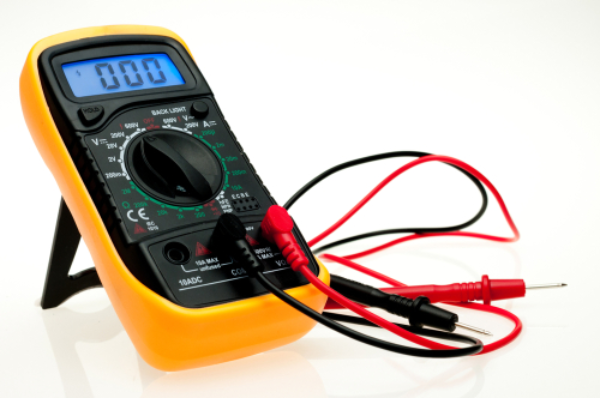
- Digital Multimeters (DMM) measure voltage, current, and resistance.
- Analog Voltmeters are simple but less precise.
- Clamp Meters measure current and voltage without touching wires.
- Test Pens detect voltage presence quickly.
Key Features To Consider
Choose a meter with clear display and easy controls. Accuracy is important for reliable readings.
Look for meters with auto-ranging. This feature sets the right measurement scale automatically.
- Display type: LCD or analog dial
- Measurement range: low to high voltage
- Auto-ranging for ease of use
- Data hold function to freeze readings
- Backlight for use in dark places
Safety Ratings And Certifications
Safety is key when measuring electricity. Check for meters with proper safety ratings.
Look for certifications from trusted organizations. These show the meter meets safety standards.
- CAT ratings (Category I to IV) show safe use environments
- CE marking means it meets European safety rules
- UL certification indicates compliance with US safety standards
- IP ratings show protection against dust and water
Credit: mrelectric.com
Preparing For Measurement
Using a voltage meter safely starts with good preparation. Getting ready helps you avoid mistakes and keep safe.
This guide covers checking your meter and leads, setting the right mode, and wearing safety gear.
Inspecting The Meter And Leads
Look over your voltage meter before use. Check the body for cracks or damage. Test the leads for any cuts or broken wires.
Make sure the leads connect well to the meter. Damaged parts can give wrong readings or cause shocks.
- Check meter screen for cracks or dirt
- Inspect leads for cuts, cracks, or exposed wires
- Ensure lead connectors fit snugly into meter ports
- Replace any broken or worn parts before measuring
Setting The Correct Measurement Mode
Choose the right mode on the voltage meter. Set it to measure voltage, not current or resistance. Pick AC or DC voltage as needed.
Select the correct range if your meter is not auto-ranging. If unsure, start with the highest range and work down.
- Turn meter dial to voltage (V) mode
- Select AC (alternating current) or DC (direct current)
- Pick a range higher than the expected voltage
- Use auto-range if your meter has that feature
Ensuring Proper Safety Gear
Wear safety gear before measuring voltage. Use insulated gloves to protect your hands. Safety glasses protect your eyes from sparks.
Stand on a dry surface. Avoid touching metal parts other than the meter leads. This reduces the risk of electric shock.
- Wear insulated electrical gloves
- Use safety glasses or goggles
- Stand on a dry, non-conductive surface
- Keep body parts away from exposed wires
Measuring Voltage Step-by-step
Using a voltage meter helps you check the electric power in a circuit. It measures the difference in electric charge between two points.
Follow simple steps to get an accurate voltage reading. Always be careful when working with electricity.
Connecting The Leads Correctly
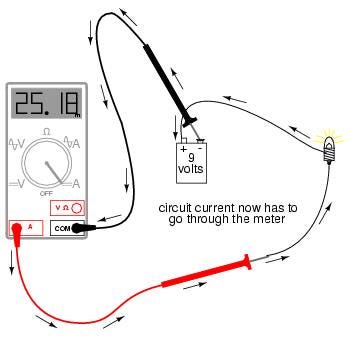
First, connect the black lead to the common (COM) port on the meter. Then, connect the red lead to the voltage (V) port.
Touch the black lead to the negative or ground point. Touch the red lead to the point where you want to measure voltage.
- Black lead goes to COM port and negative point
- Red lead goes to V port and positive point
- Hold leads steady for a clear reading
Reading Ac Vs Dc Voltage
Set your meter to the right voltage type before measuring. Choose AC for power outlets and DC for batteries.
AC voltage changes direction and level constantly. DC voltage flows in one direction and stays steady.
- AC voltage is used in homes and offices
- DC voltage is common in batteries and electronics
- Select AC or DC mode on your meter
Avoiding Common Mistakes
Do not touch the metal parts of the leads while measuring. This can cause electric shock or false readings.
Do not set the meter to the wrong mode or range. This can damage the meter or give wrong results.
- Always check meter settings before use
- Keep hands away from metal probe tips
- Use proper safety gear if needed
Interpreting Voltage Readings
Using a voltage meter is easy, but understanding the readings takes practice. The numbers on the display show the electrical pressure in a circuit.
Knowing how to read these values helps you check if your electrical devices work properly.
Understanding Display Results
The voltage meter shows numbers in volts (V). A higher number means more electrical pressure. A steady number means the circuit is stable.
Some meters show AC or DC voltage. AC stands for alternating current, like in home outlets. DC means direct current, like in batteries.
- If the reading is zero, the circuit might be off or not connected.
- A fluctuating number means the circuit is unstable or has a problem.
- Compare your reading to the device’s normal voltage to check for issues.
Troubleshooting Unexpected Values
Unexpected readings can confuse you. They might mean a bad connection, wrong meter setting, or a broken part.
Check the meter’s settings first. Make sure it matches the voltage type and range of your circuit.
- Loose or damaged wires can cause low or no voltage readings.
- Using the wrong measurement mode gives false numbers.
- A dead battery in the meter can make the display weak or blank.
- High voltage readings in low voltage circuits can signal a short or fault.
Maintaining Your Voltage Meter
Taking care of your voltage meter helps it last longer and work well. Regular maintenance keeps your readings accurate.
Simple steps can protect your tool from damage and wear. Follow these tips to keep your voltage meter in good shape.
Cleaning And Storage Tips
Keep your voltage meter clean by wiping it with a soft, dry cloth. Avoid using water or harsh chemicals.
Store the meter in a dry, cool place away from dust and moisture. Use a protective case if available.
- Remove dust with a soft brush or cloth
- Keep away from extreme temperatures
- Store in a protective case
- Avoid exposure to liquids and chemicals
Regular Calibration
Calibrate your voltage meter regularly to ensure accurate readings. Calibration adjusts the meter to correct values.
You can send it to a professional service or use a known voltage source if you have the skills.
- Check calibration at least once a year
- Use certified calibration equipment
- Keep a record of calibration dates
- Recalibrate after any repair
Replacing Batteries And Parts
Replace batteries when the meter shows low power or weak readings. Use the correct battery type recommended by the manufacturer.
Inspect parts like probes and leads regularly. Replace damaged parts to keep the meter safe and accurate.
- Check battery status before use
- Use fresh batteries of correct size
- Replace worn or broken probes and leads
- Follow the manual for part replacement

Credit: www.familyhandyman.com
Safety Tips While Using A Voltage Meter
Using a voltage meter helps you measure electrical voltage safely. You must follow safety rules to avoid accidents.
Always be careful and prepared when working with electricity. This guide shows important safety tips.
Avoiding Electric Shock
Electric shock can cause serious injury or death. Always keep your hands dry and use insulated tools.
Do not touch metal parts of the meter or wires when measuring voltage. Always check if the meter is in good condition.
- Wear rubber gloves if possible
- Stand on dry, non-conductive surfaces
- Never touch exposed wires or terminals
- Keep fingers behind the probe guards
Working In Hazardous Environments
Some places have risks like wet floors or flammable gases. Be alert and prepare before testing voltage there.
Turn off power if you can. Use protective gear like goggles and flame-resistant clothing if needed.
- Check the area for water or chemicals
- Use a voltage meter rated for hazardous locations
- Keep tools and equipment dry
- Work with a partner if possible
Following Manufacturer Guidelines
Every voltage meter comes with instructions. Read them carefully before use to understand limits and features.
Use the meter only as the manual says. Avoid using damaged meters or wrong settings that can cause errors or danger.
- Check the meter’s voltage and current limits
- Inspect probes and wires before use
- Calibrate the meter regularly
- Store the meter in a safe, dry place
Frequently Asked Questions
What Is A Voltage Meter Used For?
A voltage meter, also known as a voltmeter, measures electrical potential difference between two points in a circuit. It’s essential for testing and troubleshooting electrical devices. By using a voltage meter, you can ensure that electrical systems operate safely and efficiently.
How Do You Set Up A Voltage Meter?
To set up a voltage meter, first ensure it’s turned off. Connect the black lead to the COM terminal. Attach the red lead to the voltage terminal. Select the appropriate voltage range on the meter. Finally, connect the leads to the circuit for measurement.
Can A Voltage Meter Test Ac And Dc Voltage?
Yes, most voltage meters can measure both AC and DC voltage. You need to set the meter to the correct mode before testing. It’s crucial to understand the type of voltage in your circuit to ensure accurate readings.
How Do You Read A Voltage Meter Display?
To read a voltage meter display, first observe the numerical reading. Ensure it aligns with the selected range. The display will show voltage in volts, usually with a decimal point for precision. Ensure the reading matches expected values for safety and accuracy.
Conclusion
Using a voltage meter is simple and useful. Always check the meter before testing. Connect the probes carefully to avoid mistakes. Read the numbers on the screen clearly. Remember to stay safe while working with electricity. Practice often to feel more confident.
This tool helps find electrical problems fast. Keep your voltage meter ready for any task. Understanding the basics makes testing easier every time. Small steps lead to big improvements in skills.