If you’ve ever struggled to grip or turn pipes, nuts, or bolts that just won’t budge, water pump pliers can be your best friend. But are you using them the right way to get the job done quickly and safely?
Understanding how to use water pump pliers correctly can save you time, prevent damage, and make your repairs much easier. You’ll discover simple, step-by-step tips that anyone can follow to master these handy tools. Ready to boost your DIY skills and tackle those tough tasks with confidence?
Let’s dive in.
Choosing The Right Pliers
Using water pump pliers correctly starts with choosing the right tool. The right pliers fit the job and make work easier.
Consider the types, size, and material before picking your pliers. These factors affect performance and comfort.
Types Of Water Pump Pliers
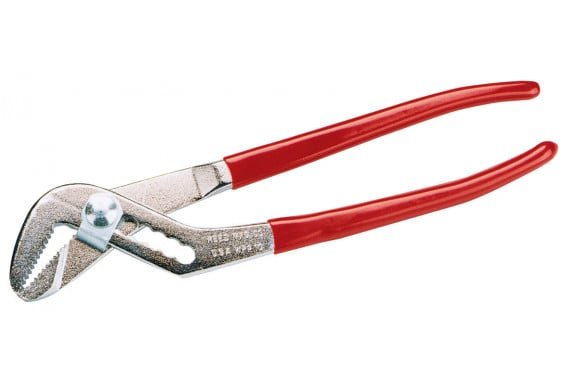
Water pump pliers come in various types for different tasks. Knowing each type helps you pick the best one.
- Slip-joint pliers: Adjustable jaws with two positions for different sizes.
- Channel-lock pliers: Multiple jaw positions for versatile gripping.
- Tongue-and-groove pliers: Long handles and adjustable jaws for tight spaces.
- Locking pliers: Can lock onto objects for a strong hold.
Size And Jaw Adjustments
Size matters for water pump pliers. Choose a size that fits your hand and the objects you work on.
| Size | Jaw Opening Range | Best Use |
| 6 inches | Up to 1 inch | Small plumbing and light tasks |
| 8 inches | Up to 1.5 inches | General plumbing and medium tasks |
| 10 inches | Up to 2 inches | Heavy plumbing and large objects |
Look for pliers with easy jaw adjustments. This feature lets you work faster and safer.
Material And Grip Quality
Strong materials like chrome vanadium steel make pliers last longer. They resist rust and damage.
- Steel body ensures strength and durability
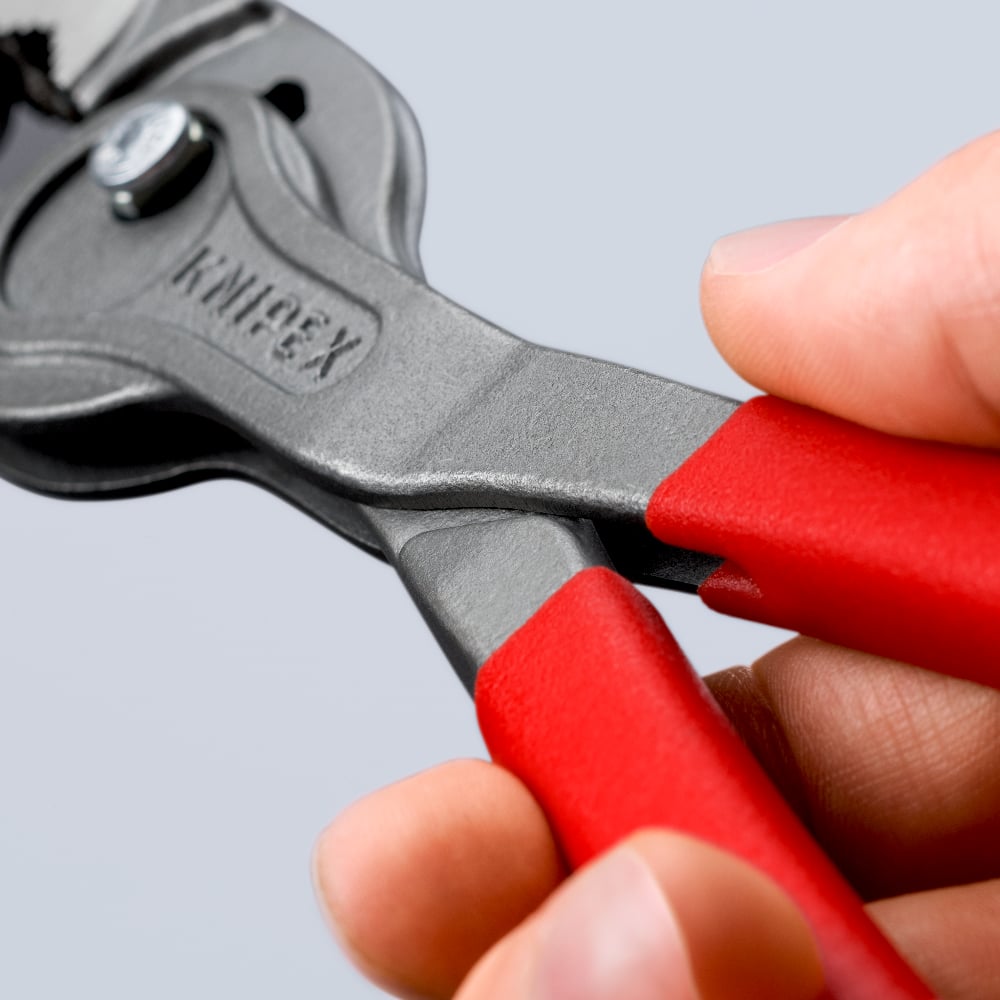
- Non-slip rubber grips improve control
- Comfortable handles reduce hand fatigue
- Rust-resistant coating extends tool life
Credit: p2brelay.com
Preparing For Use
Using water pump pliers safely requires good preparation. Before you start, check the tool and your workspace.
Proper setup helps you work better and avoid accidents. Follow these steps to get ready.
Inspecting The Tool
Look closely at the water pump pliers before use. Check for damage or wear that can affect performance.
Make sure the jaws open and close smoothly. The adjustment mechanism should work without sticking.
- Check for cracks or rust on metal parts
- Test the grip teeth for wear or damage
- Ensure handles are clean and not slippery
- Confirm the adjustment knob or slider moves easily
Safety Precautions
Wear safety gear to protect yourself. Gloves can prevent cuts and improve grip.
Keep your hands and body away from moving parts. Use the pliers only for tasks they are made for.
- Wear safety gloves and eye protection
- Do not use damaged or faulty tools
- Keep fingers clear of jaws while adjusting
- Use the right size pliers for the job
Workspace Setup
Prepare a clean and well-lit workspace. Clear away clutter to avoid trips or falls.
Arrange your tools nearby. Make sure you have enough space to move the pliers freely.
- Work on a stable surface
- Keep tools organized and within reach
- Ensure good lighting for clear visibility
- Remove any hazards or obstacles from the area
Gripping Techniques
Water pump pliers are handy tools for gripping and turning objects. Using the right technique helps you work safely and effectively.
Good gripping keeps the tool steady and prevents damage to the object or your hands.
Adjusting Jaw Width
Start by opening the pliers wide enough to fit the object. Most water pump pliers have an adjustable jaw width.
Slide the jaws to the size that holds the object firmly but not too tight to cause slipping or damage.
- Press the release lever if your pliers have one.
- Slide the jaws apart or together to match the object size.
- Ensure the jaws lock in place before using.
Positioning On The Object
Place the jaws around the object where you want to grip. Positioning is key for a strong hold.
Try to grip flat surfaces or round parts near the center to get the best control and avoid slipping.
- Align the jaws evenly around the object.
- Grip near the object’s widest point for stability.
- Avoid gripping on edges that can break or deform.
Applying Proper Pressure
Use steady pressure to hold the object firmly without crushing it. Too much force can damage both the tool and the object.
Apply pressure by squeezing the handles smoothly and evenly until the object feels secure.
- Start with light pressure and increase as needed.
- Keep your grip strong but controlled.
- Release pressure slowly to avoid sudden slips.
Common Applications
Water pump pliers are a handy tool for gripping and turning objects. They adjust to different sizes easily. Many people use them for various tasks at home and work.
These pliers can help with plumbing, car repairs, and fixing things around the house. Their strong grip makes tough jobs easier.
Plumbing Tasks
Water pump pliers are useful in plumbing for holding pipes and fittings. They fit different pipe sizes because of their adjustable jaws. This helps to tighten or loosen plumbing parts quickly.
You can use them to fix leaks, change washers, or connect hoses. Their strong grip prevents slipping and damage to pipes.
- Grip and turn pipe fittings
- Hold pipes firmly while working
- Loosen stuck nuts and bolts
- Adjust hoses and clamps
Automotive Repairs
Water pump pliers help in car repairs by gripping nuts and bolts in tight spaces. They adjust to fit different sizes, making it easier to work on engines and parts.
Use them to hold pipes, remove stubborn parts, or tighten connectors. Their strong grip reduces the chance of slipping and injury.
- Remove or tighten hose clamps
- Hold small parts while repairing
- Grip irregular shaped nuts and bolts
- Work in hard-to-reach areas
Household Fixes
At home, water pump pliers help with many fixes. They can open stuck jars, fix furniture, and adjust appliances. Their adjustable jaws fit many sizes of objects.
These pliers are good for gripping and turning when you need extra force. They make small repairs quicker and easier.
- Open tight lids or jars
- Tighten or loosen nuts on furniture
- Fix appliances and tools
- Hold objects while gluing or assembling
Maintenance Tips
Water pump pliers need care to last longer. Good maintenance keeps them working well.
Simple steps help avoid rust and damage. Regular cleaning, lubrication, and proper storage are key.
Cleaning After Use
Clean the pliers after every job. Dirt and grease can cause parts to stick or rust.
Use a dry cloth or brush to remove debris. For heavy dirt, use mild soap and water, then dry well.
- Wipe off dirt and grease
- Use soap and water for tough grime
- Dry completely to stop rust
Lubrication Points
Lubricate the moving parts to keep the pliers smooth. Focus on the joint and sliding areas.
Apply a few drops of light oil. Open and close the pliers to spread the oil evenly.
- Put oil on the pivot joint
- Lubricate the sliding parts
- Wipe off extra oil to avoid dirt
Storage Recommendations
Store pliers in a dry place to prevent rust. Avoid damp or humid areas.
Keep them in a toolbox or hang them on a pegboard. This protects the tool and keeps it ready for use.
- Keep in a dry, clean area
- Use a toolbox or hang on a pegboard
- Avoid storing near moisture or chemicals

Credit: www.youtube.com
Troubleshooting Grip Issues
Water pump pliers must hold tightly to work well. Grip issues can slow your work down.
Check the pliers if they slip or feel loose. Fixing grip problems keeps them safe and strong.
Slipping Jaws
Slipping jaws happen when the gripping teeth wear out or get dirty. Clean the jaws with a wire brush.
- Remove dirt and grease from the teeth
- Check for worn or smooth edges
- Replace the pliers if teeth are too worn
Jaw Misalignment
Jaw misalignment stops the pliers from gripping evenly. This problem can damage the tool.
| Cause | Solution |
| Loose pivot bolt | Tighten the bolt with a wrench |
| Bent jaw | Gently bend back to correct position |
| Worn pivot | Replace the pivot pin |
Handle Wear
Worn handles make it hard to hold the pliers firmly. Handle grips may tear or become slippery.
Check handle condition by following these tips:
- Look for cracks or splits in rubber grips
- Replace grips if they feel loose or sticky
- Use tape or new covers to improve grip

Credit: www.hotukdeals.com
Frequently Asked Questions
What Are Water Pump Pliers Used For?
Water pump pliers are used to grip and turn pipes, nuts, and bolts. They provide adjustable jaw sizes for different tasks. These pliers are essential for plumbing, automotive work, and general repairs. Their design allows for strong grip and leverage in tight spaces.
How Do I Adjust Water Pump Pliers Correctly?
To adjust water pump pliers, open the jaws wide and slide the pivot to the desired size. Lock the pivot in place for a firm grip. Ensure the jaws fit snugly around the object before applying pressure. Proper adjustment prevents damage and improves efficiency.
Can Water Pump Pliers Damage Surfaces?
Water pump pliers can damage delicate surfaces if used improperly. Always use pliers with smooth jaws or protective covers on soft materials. Apply gentle pressure and avoid excessive force to prevent scratches or dents. Choosing the right tool for the job reduces the risk of damage.
What Is The Best Technique For Gripping With Water Pump Pliers?
Grip with water pump pliers by positioning the jaws firmly around the object. Apply steady pressure while maintaining control and balance. Use the correct jaw size for the task to maximize grip strength. Avoid twisting motions that can slip or damage the item.
Conclusion
Mastering water pump pliers enhances your toolbox skills. They’re versatile. They grip, twist, and hold various objects. Always ensure a firm grip for safety. Choose the right size for the task. Practice makes handling them easier. Water pump pliers handle plumbing tasks well.
They assist in daily repairs too. With patience, you’ll use them like a pro. Remember to clean and store them properly. This ensures longevity. Keep them handy for quick fixes. Simplify your DIY projects with these reliable tools. Stay safe and efficient with every use.
Enjoy the convenience they bring to everyday tasks.