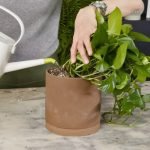
Do you want your plants to thrive and stay healthy? Using a watering can correctly might seem simple, but it makes a big difference in how well your plants grow.
If you’ve ever wondered why some plants wilt even after you water them, the secret could be in how you water. You’ll discover easy tips and tricks to master the art of watering with a can. By the end, you’ll know exactly how to give your plants the care they need to flourish.
Keep reading, and watch your garden come alive like never before!
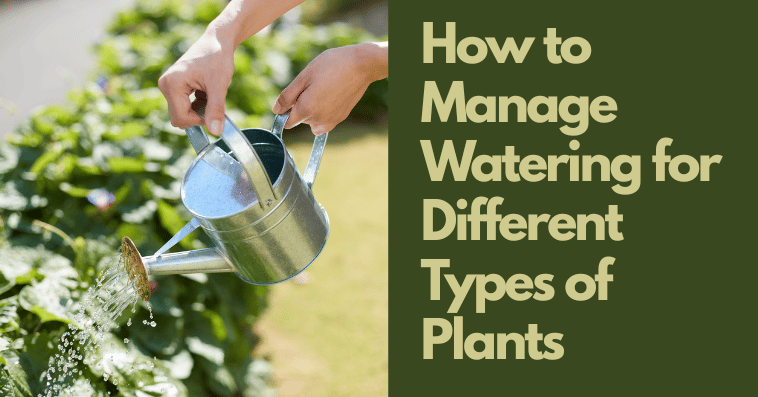
Credit: www.paudhewale.com
Choosing The Right Watering Can
Using a watering can helps you water plants gently and evenly. Picking the right one makes your task easier. Different watering cans suit different plants and spaces.
Look at the material and size first. Then check the spout type. These choices affect how well you water your plants.
Materials And Sizes
Watering cans come in many materials. Some are light, some are heavy. Some last longer outside. Size matters for how much water you carry.
- Plastic:Light and cheap. Easy to carry but may crack in cold weather.
- Metal:Strong and stylish. Can rust if not coated.
- Galvanized Steel:Rust-resistant and durable. Good for outdoor use.
- Ceramic:Decorative but heavy. Use mainly indoors.
- Sizes:Small cans hold about 1 liter. Large cans can hold 5 liters or more.
Spout Types And Their Uses
The spout controls how water flows. Choose a spout that fits your plant’s needs and the watering area.
| Spout Type | Description | Best Use |
|---|---|---|
| Long Narrow | Reaches into pots and tight spaces. | Indoor plants and hanging baskets. |
| Rose (Detachable) | Sprays water in soft, even droplets. | Seedlings and delicate plants. |
| Short Wide | Pours water quickly. | Outdoor plants and large pots. |
| Adjustable | Allows control of water flow strength. | Versatile use in gardens. |
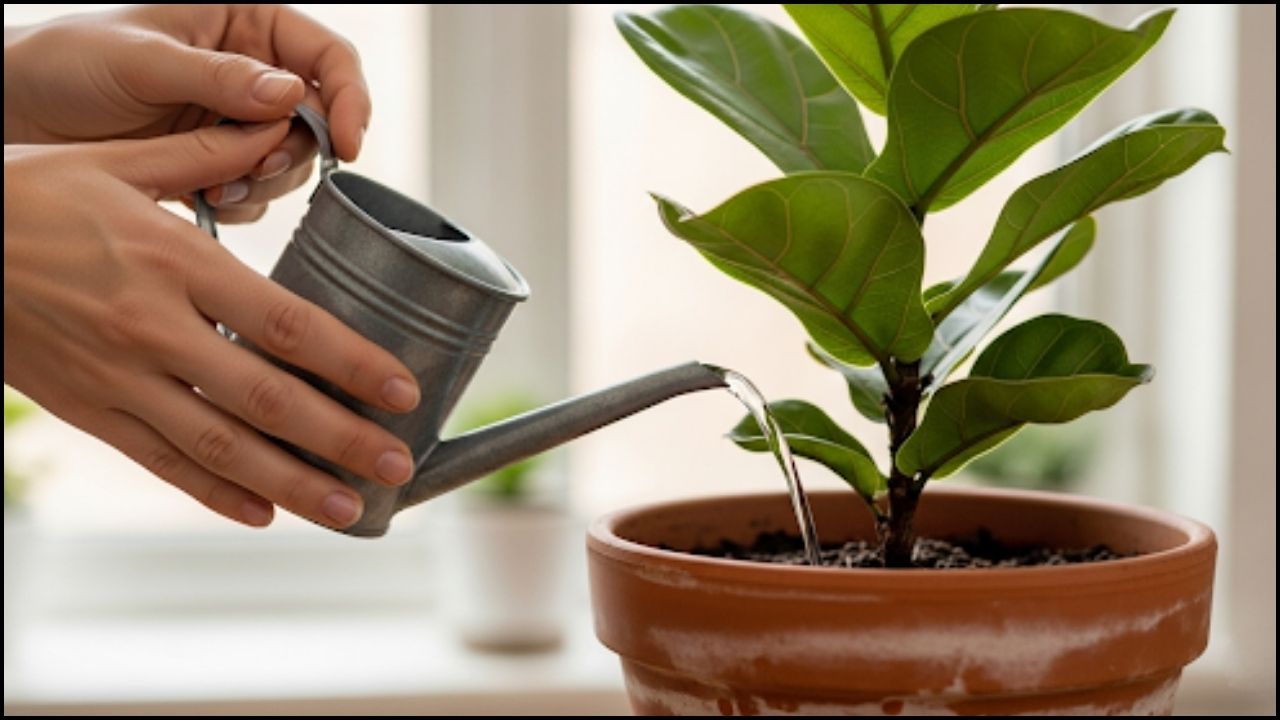
Credit: adonicollege.com
Preparing Your Watering Can
Using a watering can correctly helps plants grow healthy. Preparing it well makes watering easy and effective.
Start by making sure your watering can is clean and ready. Fill it carefully to avoid spills.
Filling Techniques
Fill your watering can with water from a clean source. Avoid dirty or hard water that can harm plants.
Fill the can slowly to prevent splashing. Leave some space at the top to carry it easily.
- Use room temperature water for best results
- Fill the can near the water source to reduce spills
- Check for leaks before carrying the can
Adding Nutrients Or Fertilizers
You can add liquid nutrients or fertilizers to the water. This helps plants get extra food while watering.
Mix the nutrients carefully according to the package instructions. Do not use too much to avoid plant damage.
- Dissolve fertilizer fully before adding to the can
- Use only water-soluble fertilizers for watering cans
- Shake or stir the water to mix nutrients evenly
Watering Techniques For Different Plants
Using a watering can correctly helps plants grow healthy. Different plants need different watering styles.
Learning how to water indoor, outdoor, and young plants can keep them strong and green.
Indoor Plants
Water indoor plants slowly to avoid overwatering. Use a watering can with a narrow spout for control.
Pour water near the base of the plant, not on leaves. This helps prevent mold and disease.
- Water when the top inch of soil feels dry
- Use room temperature water
- Empty saucers under pots to avoid waterlogging
Outdoor Garden Plants
Water outdoor plants early in the morning or late in the evening. This reduces evaporation loss.
Use a watering can with a rose head to spread water evenly over the soil and roots.
- Water deeply to encourage strong roots
- Avoid wetting the foliage to reduce disease risk
- Adjust watering frequency based on weather and soil type
Seedlings And Young Plants
Water seedlings gently to avoid washing away soil. A watering can with a fine rose works best.
Keep soil moist but not soaked. Water small amounts more often to support growth.
- Use a light shower to protect delicate stems
- Check soil daily for moisture
- Water at the base to avoid damping-off disease
Timing Your Watering Sessions
Watering your plants at the right time helps them grow healthy. It saves water and avoids plant stress.
Knowing when to water is as important as how much water you use. Timing affects how well plants absorb water.
Best Time Of Day
Water plants early in the morning to reduce evaporation. Morning water stays longer in the soil.
Evening watering is okay but avoid late night. Wet leaves at night can cause disease.
- Morning: 6 am to 9 am is ideal
- Evening: 5 pm to 7 pm is acceptable
- Avoid watering in midday heat
Frequency Based On Plant Type
Different plants need different watering schedules. Check each plant’s water needs carefully.
Succulents need less water than leafy plants. Overwatering can harm some plants.
| Plant Type | Watering Frequency |
|---|---|
| Succulents and Cacti | Once every 2 weeks |
| Vegetables and Herbs | Every 2-3 days |
| Flowering Plants | Every 3-4 days |
| Indoor Houseplants | Once a week |
Common Mistakes To Avoid
Using a watering can seems simple, but many make mistakes that hurt plants. Knowing what to avoid helps your plants grow strong.
Two common errors are overwatering or underwatering, and watering leaves instead of soil. These can cause damage if not done right.
Overwatering And Underwatering
Giving too much or too little water harms plants. Each plant has its needs. Too much water can drown roots. Too little water makes plants dry out.
- Check soil moisture before watering to avoid overwatering.
- Water deeply but less often to encourage strong roots.
- Observe plants for signs of stress like yellow leaves or drooping.
- Adjust watering based on weather and season changes.
Watering Leaves Instead Of Soil
Many people water plant leaves, but water should reach the soil near roots. Wet leaves can cause mold and disease.
| Problem | Why It Happens | How to Fix |
|---|---|---|
| Water on Leaves | Pouring water from above without aiming at soil | Direct watering can spout to soil near base of plant |
| Mold Growth | Leaves stay wet for long periods | Water early in the day to dry leaves quickly |
| Leaf Damage | Water droplets magnify sun, causing burns | Avoid watering leaves during hot sunlight hours |

Credit: www.squiresgardencentres.co.uk
Maintaining Your Watering Can
Taking care of your watering can helps it last longer. Clean and store it properly after use.
Good maintenance keeps your watering can free from dirt and damage. This ensures smooth watering.
Cleaning Tips
Empty your watering can after each use. Rinse it with clean water to remove dirt.
Use a soft brush to clean the spout and inside. Avoid harsh chemicals that can damage the material.
- Rinse thoroughly with water
- Clean spout with a small brush
- Use mild soap if needed
- Do not use bleach or strong cleaners
Storage Advice
Store your watering can in a dry place to stop rust or mold. Keep it out of direct sunlight.
Place the watering can upside down to drain leftover water. This prevents damage and bad smells.
- Keep in a shaded area
- Store upside down to drain water
- Avoid freezing temperatures
- Check for cracks before storing
Frequently Asked Questions
How Do I Choose The Right Watering Can?
Selecting the right watering can depends on your garden size and plant types. For indoor plants, opt for a smaller can with a narrow spout. Outdoor gardens benefit from larger cans with broader spouts. Consider the material; plastic is lightweight, while metal is more durable.
How Often Should I Water My Plants?
The frequency of watering depends on plant type, season, and climate. Generally, water when the soil feels dry an inch below the surface. Over-watering can harm roots, so ensure proper drainage. Adjust watering frequency for different seasons and plant needs.
What Is The Best Technique For Watering?
For effective watering, aim the spout at the base of the plant. This ensures water reaches the roots directly. Avoid wetting leaves to prevent fungal diseases. Water early in the morning or late afternoon to minimize evaporation and maximize absorption.
Can I Use A Watering Can For All Plants?
Yes, but adjust the technique based on plant needs. Delicate plants require gentle watering with a narrow spout. Larger plants can handle a heavier flow. Consider plant type and size when choosing the watering method. Proper watering ensures healthy growth.
Conclusion
Using a watering can the right way helps plants grow strong. Pour water gently at the plant base, not on leaves. Water early in the morning or late in the evening. Keep the watering can clean to avoid spreading disease.
Water just enough to soak the soil, not flood it. Regular watering keeps your garden healthy and green. Small steps like these make a big difference. Enjoy watching your plants thrive with simple care.