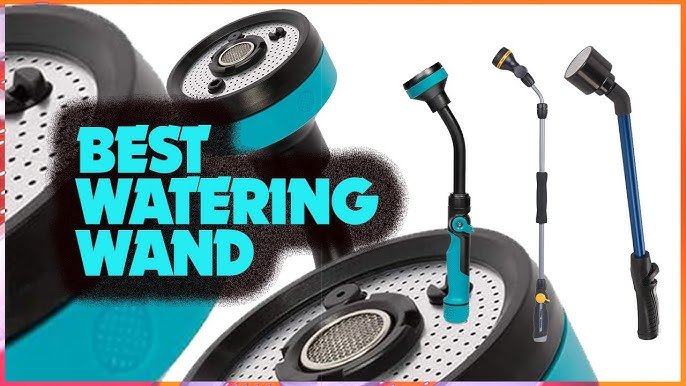
Imagine transforming your garden into a lush paradise, bursting with vibrant blooms and thriving greenery. One simple tool can make this vision a reality: the watering wand.
If you’ve ever struggled with ensuring your plants get the deep watering they need, you’re not alone. Many gardeners face this challenge, often leading to undernourished plants and lackluster results. But what if there was a way to water efficiently and effectively, all while saving time and effort?
With a watering wand, you can achieve exactly that. This article will show you how to use a watering wand for deep watering, giving your garden the love it deserves. You’ll discover tips and techniques that will make watering a breeze, ensuring your plants flourish like never before. Ready to unlock the secrets to a thriving garden? Keep reading to find out how!
Choosing The Right Watering Wand
A watering wand helps you reach plants easily and water deeply. Picking the right one makes your garden care simple and effective.
Look at the material, length, and nozzle types to find the best wand for your needs. Each part affects how well it works.
Material And Build Quality
Choose a watering wand made from strong materials like aluminum or heavy-duty plastic. This ensures the wand lasts longer and does not break easily.
Check the handle grip for comfort. A soft, non-slip grip helps you hold the wand without strain. Also, look for rust-resistant parts to avoid damage.
Length And Reach Considerations
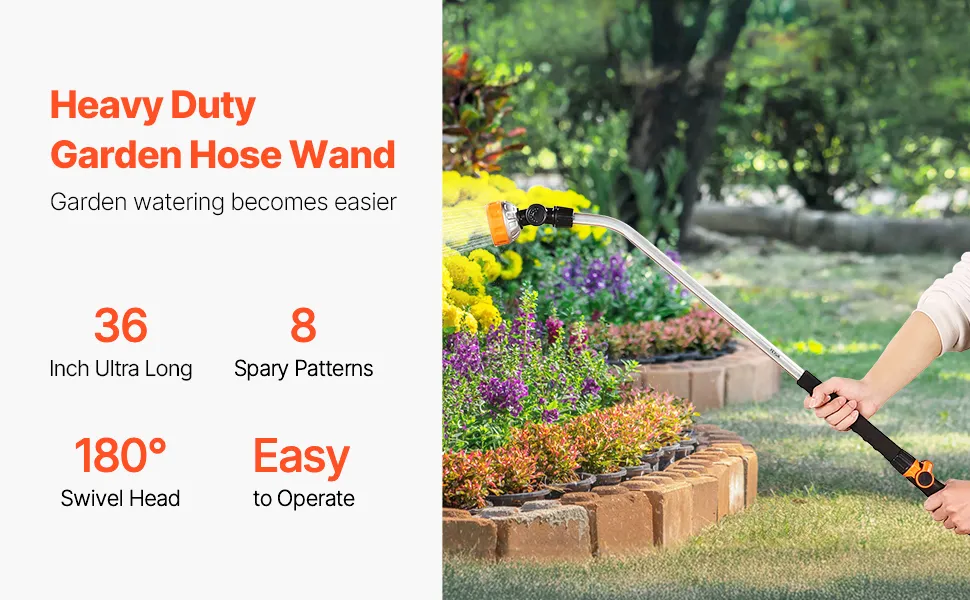
The length of the watering wand affects how far you can reach. Pick a length that fits your garden size and plant placement.
- Short wands (18-24 inches) work well for small gardens or close plants.
- Medium wands (30-36 inches) offer a good balance for most gardens.
- Long wands (over 36 inches) help reach hanging pots and tall plants.
Make sure the wand is easy to control at the chosen length. A longer wand might be harder to hold steady when full of water.
Types Of Nozzles
Nozzles control the water flow and spray pattern. Choose one that fits your watering needs.
| Nozzle Type | Description | Best For |
| Fan | Wide, gentle spray | Watering large areas and delicate plants |
| Jet | Strong, focused stream | Reaching far or cleaning leaves |
| Mist | Fine spray | Seedlings and delicate flowers |
| Shower | Soft, rain-like flow | Most garden plants and pots |
Some watering wands let you change nozzles or adjust spray settings. This adds flexibility for different plants and garden areas.
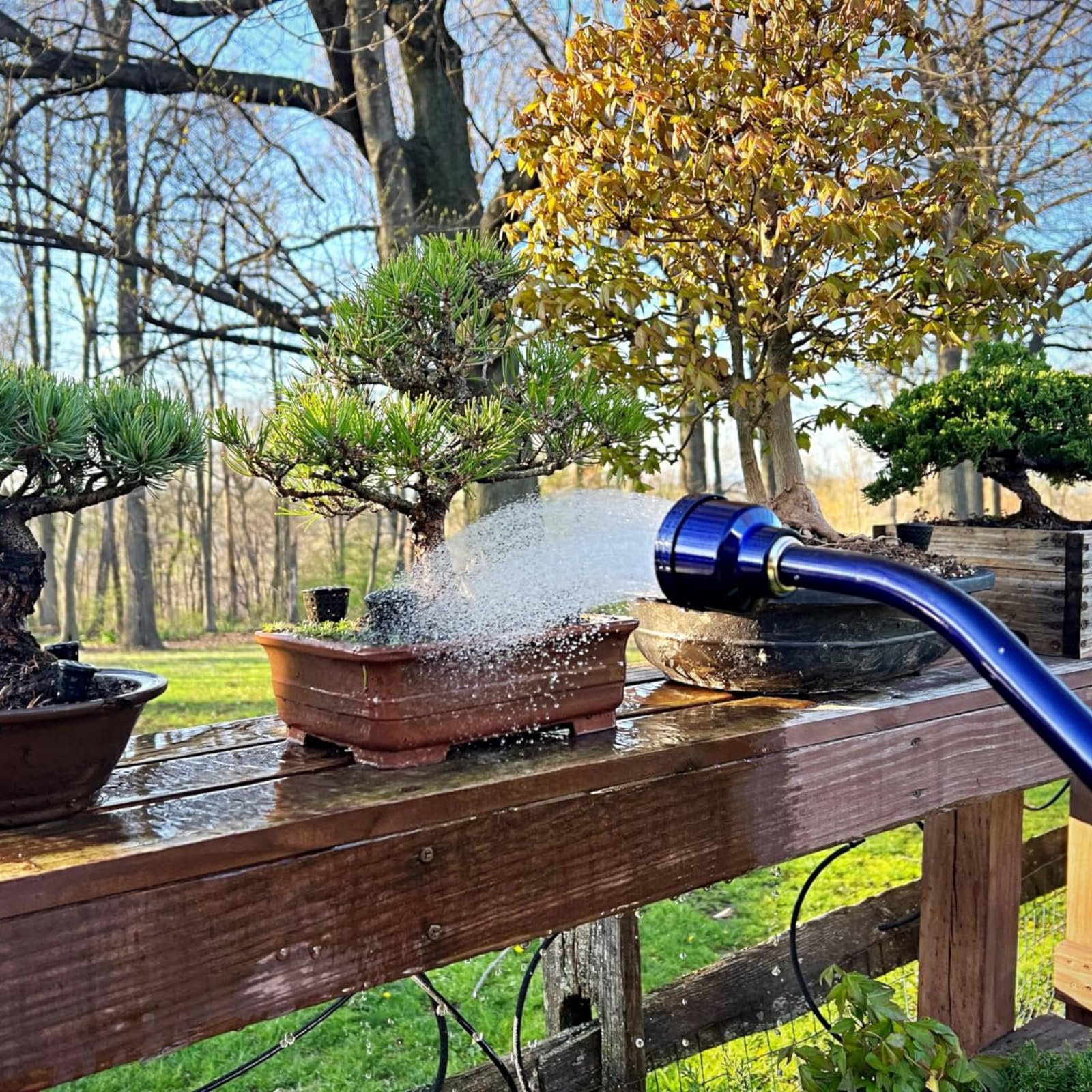
Credit: www.amazon.com
Preparing Your Watering Wand
Using a watering wand helps you water plants deeply and gently. Preparing it right makes the job easier.
Follow simple steps to get your watering wand ready before watering your garden.
Attaching To Hose Properly
Connect the watering wand tightly to your garden hose. This prevents water loss and keeps the wand stable.
- Check the hose end for dirt or damage.
- Push the wand connector firmly onto the hose.
- Twist the connector clockwise to secure it.
- Make sure the connection feels tight and snug.
Checking For Leaks
Look for leaks at the connection points before using the wand. Small leaks waste water and reduce pressure.
| Leak Location | What to Do |
|---|---|
| Hose to Wand Connection | Re-tighten or add a rubber washer |
| Wand Head | Check for cracks or replace the head |
| Trigger Handle | Inspect trigger seal and replace if needed |
Adjusting Water Pressure
Water pressure controls how much water flows through the wand. Adjust it to protect your plants.
- Turn on the water supply slowly.
- Hold the wand trigger and feel the water flow.
- Adjust the faucet to increase or decrease pressure.
- Test the spray pattern to ensure gentle watering.
Techniques For Deep Watering
Using a watering wand helps deliver water deep into the soil. This method supports healthy root growth. It saves water by reaching the roots directly.
Deep watering requires careful techniques. These include watering slowly, aiming at root zones, and preventing water waste.
Slow And Steady Approach
Watering too fast causes water to run off the soil surface. Use a slow flow with the watering wand. This lets water soak deeply into the ground.
- Hold the wand close to the soil.
- Keep the water flow low and steady.
- Move the wand slowly over the area.
- Pause if water begins to pool.
Targeting Root Zones
Roots absorb water best when it reaches their zone. Aim the watering wand at the base of plants. This focuses water where roots grow the most.
| Plant Type | Root Zone Depth | Watering Tip |
| Shallow-rooted | 6-12 inches | Water gently near stem base |
| Deep-rooted | 12-24 inches | Use slow soak for longer time |
| Container plants | Varies | Water until runoff drains |
Avoiding Surface Runoff
Surface runoff wastes water and causes soil erosion. Prevent runoff by adjusting watering speed and wand position. Make sure water soaks fully before moving on.
Tips to avoid runoff:
- Water in short bursts with pauses
- Use mulch to slow water flow
- Check soil moisture before watering again
Best Times To Water
Watering your garden at the right time helps plants grow strong. Using a watering wand for deep watering works best when you pick the best times of day. This keeps water from evaporating too fast and reaches plant roots well.
Choosing the right time to water also prevents plant diseases and saves water. Here are some tips for when to water your garden with a watering wand.
Early Morning Benefits
Watering in the early morning is the best choice. The air is cool, so less water evaporates. This means more water soaks deep into the soil.
- Water before the sun rises above the trees.
- Soil stays moist longer through the day.
- Plants absorb water before heat stress starts.
- Leaves dry quickly, reducing disease risk.
Avoiding Midday Heat
Watering during midday heat is not a good idea. The sun is strong and water evaporates fast. This wastes water and may burn plant leaves.
| Time | Watering Effect |
|---|---|
| Late Morning (10am-12pm) | Water evaporates quickly, less soil moisture |
| Midday (12pm-3pm) | High evaporation, risk of leaf burn |
| Early Afternoon (3pm-4pm) | Still hot, not efficient watering time |
Evening Watering Tips
Watering in the evening can work well if done right. The cooler air means less evaporation. But wet leaves overnight can cause fungus and diseases.
- Water the soil, not leaves, to avoid disease.
- Water early evening so leaves dry before night.
- Use the watering wand to reach roots deeply.
- Check weather; avoid watering before rain.
Maintenance And Storage Tips
Using a watering wand for deep watering helps your plants grow strong. Keeping it clean and stored right makes it last longer.
Follow simple care steps to avoid damage and keep the wand ready for your next watering session.
Cleaning The Nozzle
Clean the nozzle after each use to stop clogs and keep water flowing well. Dirt and mineral buildup can block holes.
- Remove the nozzle from the wand carefully.
- Soak it in warm water with mild soap for 10 minutes.
- Use a soft brush or toothpick to clear any blocked holes.
- Rinse the nozzle with clean water to remove soap.
- Dry it with a cloth before reattaching.
Preventing Damage In Winter
Cold weather can cause the wand to crack or freeze inside. Protect it by draining all water before winter.
- Detach the wand from the hose.
- Shake out any water left inside.
- Store the wand in a dry place away from frost.
- Avoid leaving it outside during freezing days.
Proper Storage Methods
Store your watering wand carefully to keep it safe and ready to use. Keep it dry and away from direct sun.
| Storage Tip | Reason |
| Hang the wand on a hook | Prevents bending or damage |
| Keep in a dry shed or garage | Stops rust and mold growth |
| Cover with cloth or bag | Keeps dust and dirt off |
| Store away from heat sources | Avoids warping or melting |
Credit: www.vevor.com
Common Mistakes To Avoid
Using a watering wand helps reach deep roots with ease. Many gardeners make simple errors that harm their plants. Learning these mistakes can improve your watering habits.
Below are common watering wand mistakes and how to avoid them. Each section explains a key problem and tips for better care.
Overwatering Issues
Giving too much water causes root rot and weak plants. A watering wand can deliver large amounts quickly. Watch your watering time and soil moisture.
- Check soil before watering to avoid soggy ground
- Use a timer or count seconds for consistent watering
- Water early in the day to reduce evaporation
- Focus on the base of plants, not leaves
Ignoring Plant Needs
Different plants need different water amounts. Using the same watering method harms some species. Know your plants and adjust your watering wand use.
| Plant Type | Water Frequency | Water Amount |
| Succulents | Weekly | Light, deep soak |
| Vegetables | Every 2-3 days | Moderate, deep watering |
| Flowers | Every 1-2 days | Moderate |
Using Incorrect Water Pressure
Too strong pressure can damage soil and roots. Too weak pressure wastes time and water. Adjust the wand to the right flow for your plants.
- Start with low pressure and increase if needed
- Use a spray nozzle for delicate plants
- Test flow on soil before watering plants
- Avoid splashing to prevent soil erosion
Credit: www.vevor.com
Frequently Asked Questions
What Is A Watering Wand Used For?
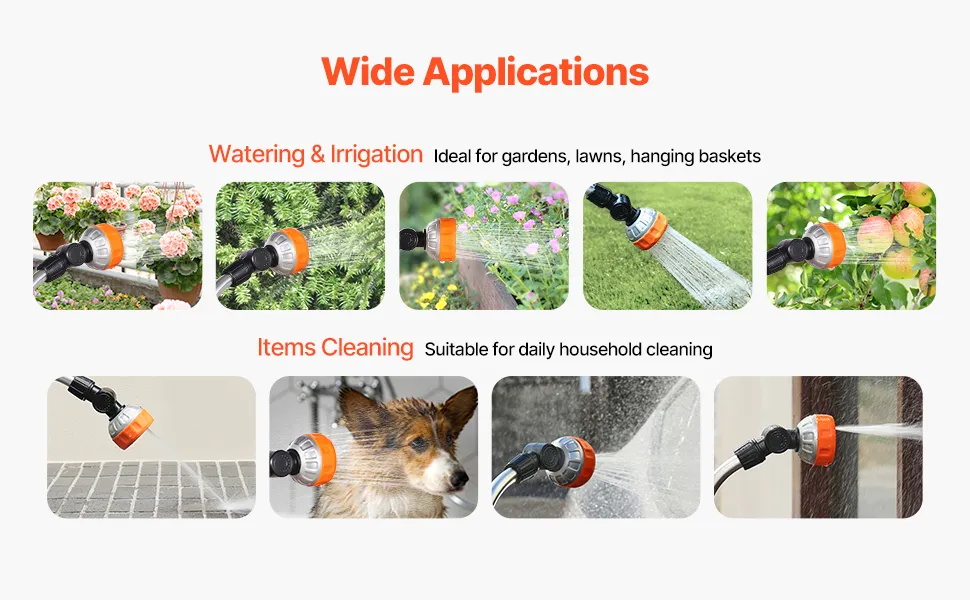
A watering wand helps deliver water deeply and evenly to plants. It is ideal for reaching hanging baskets and deep-rooted plants. The wand offers gentle water flow to prevent soil erosion and plant damage.
How Do I Use A Watering Wand Effectively?
Attach the wand to a hose, then turn on water at a low pressure. Direct the nozzle at the base of plants for deep watering. Move slowly to ensure water penetrates the soil thoroughly.
Can A Watering Wand Prevent Overwatering?
Yes, it allows controlled water flow, reducing runoff and water waste. This helps maintain proper soil moisture and prevents root rot. Adjust the nozzle to suit different plant needs.
What Plants Benefit Most From Deep Watering?
Deep watering favors trees, shrubs, and deep-rooted plants. It encourages strong root growth and drought resistance. Annuals and shallow-rooted plants need gentler watering methods.
Conclusion
Using a watering wand helps water plants deeply and gently. It saves time and reaches roots better than regular hoses. Watering slowly lets soil absorb moisture well. This tool makes gardening easier, especially for big or delicate plants. Keep the wand clean and check for leaks often.
With practice, watering becomes quick and more effective. Try using a watering wand to help your plants grow strong and healthy. Simple steps lead to better garden care. Give it a try and see the difference.