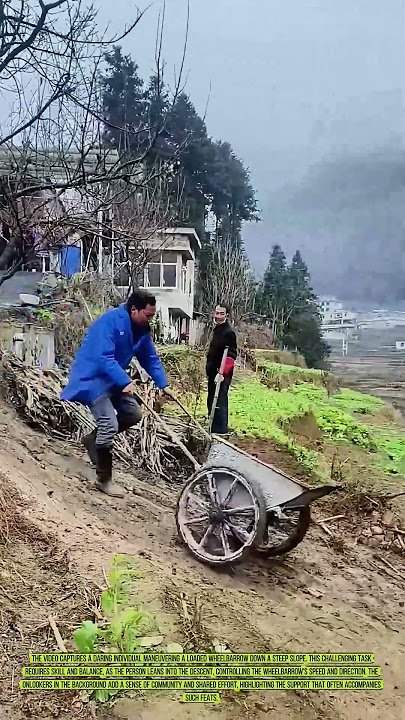
Struggling to maneuver a wheelbarrow on slopes? You’re not alone.
Many people find it tricky to control this handy tool on uneven terrain. But fear not! With the right techniques, you can master the art of using a wheelbarrow on slopes safely and efficiently. Imagine being able to transport heavy loads with ease, without the fear of tipping over.
This guide is your key to turning that daunting task into a simple one. Ready to learn how to make your outdoor projects smoother and more manageable? Let’s dive in and explore the secrets that will transform your wheelbarrow experience.

Credit: www.youtube.com
Choosing The Right Wheelbarrow
Using a wheelbarrow on slopes needs extra care. Picking the right wheelbarrow makes work easier and safer.
Look at the design and features to find the best fit for hilly or uneven ground.
Types Suitable For Slopes
Some wheelbarrows handle slopes better than others. Choose types that offer more balance and control.
Two-wheeled and motorized wheelbarrows are good options for slopes because they stay steady.
- Two-wheeled wheelbarrows provide extra balance
- Motorized wheelbarrows reduce physical effort
- Single-wheeled wheelbarrows need more skill on slopes
Wheelbarrow Size And Weight
Size and weight affect how easy it is to push a wheelbarrow uphill. Choose a size you can handle safely.
Smaller wheelbarrows are lighter and easier to control on slopes, but they carry less load.
- Smaller size means easier control on steep slopes
- Lighter weight reduces strain when pushing uphill
- Balance load to avoid tipping over
Wheel Options And Terrain Compatibility
The type of wheels affects how well the wheelbarrow moves on uneven ground. Pick wheels that fit the terrain.
Large pneumatic tires work well on soft, rough surfaces. Solid rubber wheels are better for hard, rocky areas.
- Pneumatic tires absorb shocks and grip soft soil
- Solid rubber wheels resist punctures on rocky ground
- Wide wheels increase stability on uneven slopes
Preparing The Slope
Using a wheelbarrow on slopes requires careful preparation. A safe and steady path helps prevent accidents and damage.
Before moving heavy loads, clear the slope and check its steepness. Build paths that support smooth wheelbarrow movement.
Clearing Obstacles
Remove rocks, branches, and debris from the slope. These obstacles can cause the wheelbarrow to tip or get stuck.
- Pick up loose stones and sticks
- Cut back overgrown plants or grass
- Fill in holes or uneven spots
- Keep the path wide enough for the wheelbarrow
Assessing Slope Gradient
Check how steep the slope is before using a wheelbarrow. A steep slope needs extra caution or may require alternate plans.
| Slope Angle | Risk Level | Recommendation |
| 0°–10° | Low | Use wheelbarrow normally |
| 11°–20° | Medium | Move slowly and control load |
| Above 20° | High | Build stable paths or avoid |
Creating Stable Paths
Make firm and even paths for the wheelbarrow. Stable paths reduce slipping and tipping risks on slopes.
- Use gravel or wood chips to improve traction
- Build small steps or flat sections on steep parts
- Compact the soil to prevent loose ground
- Keep paths clear and wide for easy movement
Loading Techniques
Using a wheelbarrow on slopes needs careful loading. Proper techniques help keep balance and prevent accidents.
Follow these tips to load your wheelbarrow safely and move it with ease on uneven ground.
Balancing The Load
Keep the load centered over the wheelbarrow wheel. This balance reduces effort and keeps the wheelbarrow steady on slopes.
- Place heavy items near the front, above the wheel.
- Distribute weight evenly side to side.
- Check the load before moving to avoid tipping.
Avoiding Overloading
Do not fill the wheelbarrow beyond its capacity. Overloading makes it hard to control on slopes and can cause spills.
| Load Size | Effect on Control |
| Light | Easy to handle |
| Moderate | Stable but needs care |
| Heavy | Difficult to steer and dangerous |
Securing Loose Materials
Loose materials can fall off when moving uphill or downhill. Secure them tightly to avoid accidents and loss.
- Use a tarp or net to cover the load.
- Stack items so they fit snugly without gaps.
- Tie down loose parts with rope or straps.
Safe Handling On Inclines
Using a wheelbarrow on slopes requires extra care to stay safe. The angle of the incline can make it harder to control the wheelbarrow. Knowing how to handle it properly reduces the risk of accidents.
This guide covers key tips on body positioning, speed control, and using brakes or supports to work safely on inclines.
Proper Body Positioning
Keep your body balanced to avoid tipping over. Stand close to the wheelbarrow with your feet shoulder-width apart. Bend your knees slightly to lower your center of gravity.
- Hold the handles firmly with both hands
- Lean slightly uphill when pushing up a slope
- Shift weight backward when going downhill
- Keep your back straight to avoid strain
Controlling Speed
Moving too fast on a slope can cause loss of control. Keep a steady, slow pace. Use short pushes rather than long, fast ones. This helps maintain balance and reduces stress on your arms.
| Speed | Effect |
| Slow | Better control, safer handling |
| Moderate | Risk of tipping increases |
| Fast | High chance of accidents |
Using Brakes And Supports
Many wheelbarrows have built-in brakes or supports to help on slopes. Use these features to keep the wheelbarrow from rolling backward or forward unexpectedly.
- Apply brakes gently to slow down
- Use supports or blocks to hold the wheelbarrow still on steep inclines
- Check that brakes work before starting on a slope
- Do not overload the wheelbarrow; heavy loads are harder to control
Navigating Different Slope Types
Using a wheelbarrow on slopes can be challenging. Different types of slopes need different ways to move safely.
Knowing how to handle steep slopes, uneven ground, and slippery surfaces helps prevent accidents and makes work easier.
Steep Slopes
Steep slopes require careful control of the wheelbarrow. Always keep the load balanced to avoid tipping over.
Push the wheelbarrow uphill using your legs, not just your arms. Keep a steady pace and take breaks if needed.
- Load the wheelbarrow light on steep slopes
- Keep the wheel centered under the load
- Use both hands for better control
- Walk slowly and watch your footing
Uneven Terrain
Uneven ground can cause the wheelbarrow to tip or get stuck. Look ahead and plan your path to avoid big rocks or holes.
Keep the wheelbarrow close to your body to maintain balance. Adjust your speed to match the roughness of the terrain.
- Use a wheelbarrow with a wide wheel for better stability
- Keep the load low and centered
- Step carefully on uneven spots
- Take small steps for better control
Wet Or Slippery Conditions
Wet or slippery slopes increase the risk of slipping. Wear shoes with good grip and move slowly to keep control.
Check the wheelbarrow tire for good traction. Avoid heavy loads that make it hard to stop or steer on slick surfaces.
- Use tires designed for wet conditions
- Keep your hands dry for a firm grip
- Walk carefully to avoid slipping
- Unload some weight if the load is too heavy
Credit: www.abc.net.au
Maintenance Tips For Sloped Use
Using a wheelbarrow on slopes can be tough on its parts. Regular maintenance helps keep it safe and working well.
Check key areas often to prevent damage. This keeps your wheelbarrow ready for any job on hills or uneven ground.
Checking Wheels And Tires
Wheels and tires take the most strain on slopes. Look for cracks, flat spots, or worn tread. Make sure tires are properly inflated.
Replace damaged tires quickly. Check the wheel bearings for smooth spinning. Tighten any loose nuts or bolts on the wheel.
- Inspect tires for cuts or wear
- Keep tires inflated to the right pressure
- Check that wheels spin without resistance
- Tighten bolts and nuts on wheels
Lubricating Moving Parts
Lubrication reduces friction and wear on moving parts. Grease the wheel bearings regularly to keep them turning smoothly.
Also, apply oil or grease to axle joints and any pivot points. Clean old grease and dirt before applying new lubricant for best results.
- Use grease on wheel bearings
- Oil axle and pivot points
- Clean parts before lubricating
- Lubricate every few uses on slopes
Inspecting Frame Integrity
The frame holds the whole wheelbarrow. Check for cracks, bends, or rust spots, especially after steep slope use.
Tighten any loose bolts on the frame. Repair small rust spots by sanding and painting to prevent spreading.
- Look for cracks or bends in the frame
- Check for rust and treat it early
- Tighten all frame bolts and screws
- Fix small damages quickly to avoid bigger problems
Safety Gear And Precautions
Using a wheelbarrow on slopes can be risky without the right safety gear. Taking precautions helps prevent accidents and injuries.
This guide covers the key safety equipment and steps to work safely on sloped terrain with a wheelbarrow.
Recommended Protective Equipment
Wearing the correct protective gear reduces injury risks on slopes. Always prepare before starting work.
- Sturdy gloves for a strong grip and hand protection
- Non-slip boots to prevent slipping on steep ground
- Helmet to protect your head from falls or debris
- Knee pads to cushion knees when kneeling or if you fall
- High-visibility clothing to be easily seen by others
Emergency Preparedness
Be ready for accidents by having an emergency plan. Knowing what to do saves time and reduces harm.
| Emergency Item | Purpose |
| First aid kit | Treat minor cuts and scrapes quickly |
| Mobile phone | Call for help if needed |
| Whistle | Signal for assistance in noisy areas |
| Water bottle | Stay hydrated during work |
Working With A Partner
Working with someone else improves safety on slopes. They can help if you lose control of the wheelbarrow.
- Keep close to each other and watch for hazards
- Communicate clearly about movements and loads
- Assist with pushing or pulling heavy loads
- Be ready to stop work if conditions become unsafe

Credit: www.youtube.com
Frequently Asked Questions
How Do I Safely Push A Wheelbarrow Uphill?
To push a wheelbarrow uphill, keep your back straight and use your legs for strength. Hold the handles firmly and move slowly to maintain balance. Avoid overloading the wheelbarrow to prevent tipping. Take short steps and rest if needed to avoid strain.
What Is The Best Wheelbarrow Type For Slopes?
Choose a wheelbarrow with a pneumatic tire for better grip on slopes. A single wheel model offers easier maneuverability on uneven ground. Make sure the wheelbarrow is lightweight but sturdy to handle loads safely on inclines.
How Can I Prevent Tipping On Steep Slopes?
Distribute weight evenly in the wheelbarrow to avoid tipping. Keep the load low and centered. Move slowly and avoid sudden turns or stops. Using both hands on the handles improves control and stability on slopes.
Should I Reduce The Load When Using Slopes?
Yes, reducing the load helps maintain control and balance. Heavy loads increase the risk of tipping or losing grip. Carry smaller, manageable amounts to ensure safety and ease when navigating slopes with a wheelbarrow.
Conclusion
Using a wheelbarrow on slopes takes care and attention. Keep your balance steady and control the load. Always push uphill and walk carefully downhill. Choose the right path to avoid slipping or tipping. Regular practice builds confidence and skill over time.
This way, your work stays safe and easier. Remember, safety matters most when working on slopes. Follow these tips for smooth and secure wheelbarrow use.