Are you tired of struggling to strip wires without damaging them? Knowing how to use a wire stripper correctly can save you time, prevent frustration, and keep your projects safe.
Whether you’re fixing a broken cable or working on a new DIY project, mastering this simple tool is essential. In this guide, you’ll learn easy steps to strip wires like a pro, even if you’ve never done it before. Keep reading, and soon you’ll handle wires with confidence and precision.
Choosing The Right Wire Stripper
Using the correct wire stripper makes your work safer and easier. It helps you remove insulation without damaging the wire.
Knowing how to pick the right tool saves time and improves results. Focus on the type, wire size, and key features.
Types Of Wire Strippers
There are several wire stripper types. Each fits different needs and skill levels.
- Manual Wire Strippers:Simple tools for basic stripping jobs.
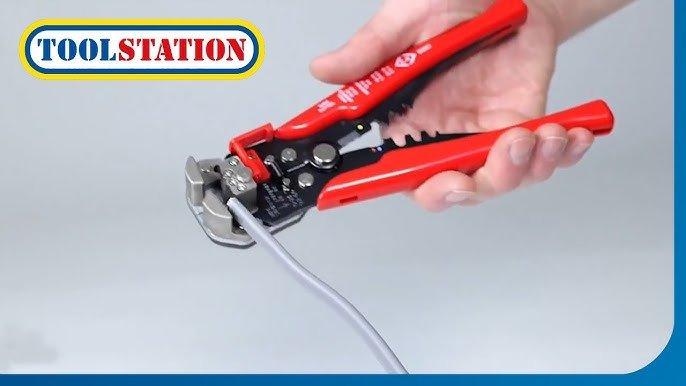
- Automatic Wire Strippers:These grip and strip in one motion.
- Adjustable Wire Strippers:You can change settings for wire size.
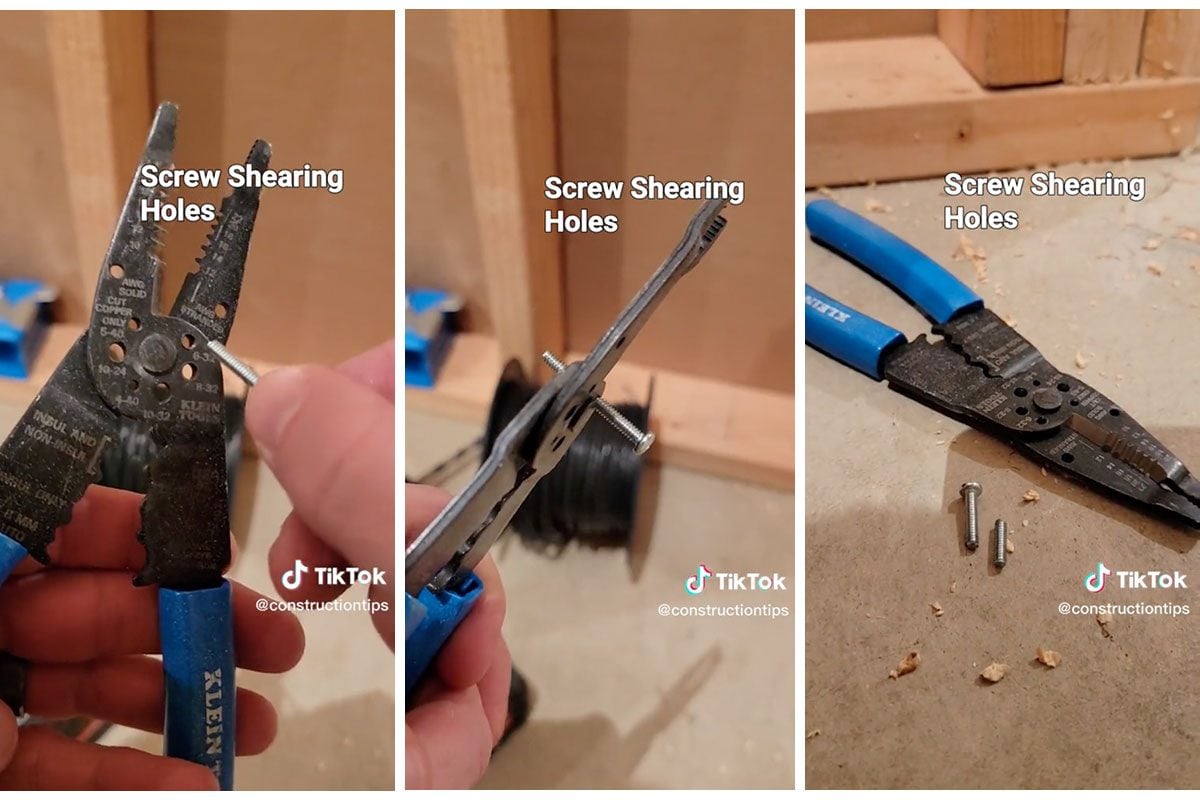
- Multi-Tool Strippers:Combine stripping with cutting and crimping.
Selecting Based On Wire Gauge
Wire gauge means wire thickness. You must match the stripper to the gauge to avoid damage.
| Wire Gauge | Recommended Stripper Size |
| 10-12 | Heavy-duty or adjustable strippers |
| 14-16 | Standard manual or automatic strippers |
| 18-22 | Lightweight manual or precision strippers |
| 24-30 | Precision or specialty micro strippers |
Features To Consider
Good features improve comfort and accuracy. Choose the ones that fit your needs.
- Ergonomic handles for less hand strain
- Adjustable stops for consistent strip length
- Built-in cutters for added convenience
- Material quality for durability
- Locking mechanism for safe storage

Credit: www.amazon.com
Preparing The Wire
Preparing the wire correctly makes stripping easier and safer. You need to measure the wire length and mark the strip point carefully.
Taking these steps helps you avoid damaging the wire inside and ensures a clean strip every time.
Measuring Wire Length
Measure the length of wire you want to strip before using the wire stripper. Use a ruler or tape measure to get the right size.
- Place the wire on a flat surface.
- Align the start of the wire with zero on the ruler.
- Mark the desired length with a pencil or marker.
- Double-check your measurement to avoid mistakes.
Marking The Strip Point
Mark the point on the wire where you want to strip the insulation. This mark guides your wire stripper for a clean cut.
| Tool | Purpose | Tips |
|---|---|---|
| Pencil or Marker | Mark strip point | Use a fine tip for accuracy |
| Ruler or Tape Measure | Measure wire length | Hold steady for exact measurement |
| Wire Stripper | Strip insulation | Align with marked point before cutting |
Using The Wire Stripper
Using a wire stripper helps remove insulation from electrical wires. It makes wiring easier and safer.
The tool cuts the insulation without damaging the wire inside. Follow simple steps to use it properly.
Adjusting The Tool
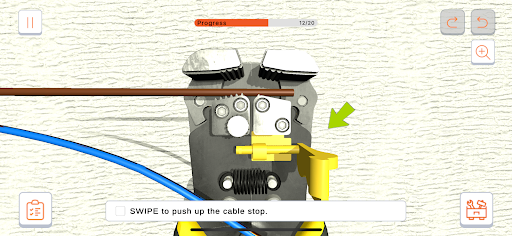
First, check the wire stripper’s size settings. Adjust the tool to match the wire’s thickness.
Many wire strippers have adjustable screws or guides. Use these to fit the wire snugly without cutting it.
- Find the gauge size on the wire stripper.
- Turn the adjustment screw to fit the wire.
- Test the setting on a scrap wire if possible.
Positioning The Wire
Hold the wire firmly and place it in the correct slot on the stripper. Align the wire where you want to strip.
Position the wire so the stripper will cut only the insulation. Keep the wire steady during this process.
- Match the wire gauge with the slot on the stripper.
- Insert the wire so the end aligns with the cutting edge.
- Hold the wire and tool firmly to prevent slipping.
Stripping The Insulation
Squeeze the handles of the wire stripper gently to cut the insulation. Do not squeeze too hard to avoid wire damage.
Pull the stripper away from the wire end to remove the insulation cleanly. The wire inside should stay intact.
- Squeeze the handles until the insulation is cut.
- Keep the tool steady and pull the insulation off.
- Inspect the wire to make sure it is not nicked.
Credit: tradefoxapp.com
Handling Common Challenges
Using a wire stripper can be tricky at times. Some wires have thick or tough insulation that is hard to remove.
You need to be careful to avoid cutting or damaging the wire inside. Let’s look at how to handle these problems.
Dealing With Tough Insulation
Some wires have thick or rubbery insulation that does not strip easily. This can make it hard to get a clean strip.
Use a wire stripper with adjustable blades or different gauge settings. This helps cut through tough insulation cleanly.
- Adjust the blade depth so it only cuts the insulation.
- Pull the insulation slowly after scoring it with the stripper.
- If needed, use a utility knife carefully to start the cut.
Avoiding Wire Damage
Damaging the wire strands can cause poor connections and electrical problems. Take care to avoid nicking or cutting the wire.
Use the correct wire gauge setting on the stripper. Do not squeeze too hard or strip multiple times on the same spot.
- Match the wire gauge to the stripper slot.
- Grip the wire firmly but gently when stripping.
- Check the wire after stripping for any cuts or broken strands.
Maintaining Your Wire Stripper
Keeping your wire stripper in good shape helps it work well and last longer. Regular care stops damage and makes your work easier.
Simple maintenance tasks like cleaning and storing your tool properly keep it ready for use every time.
Cleaning And Lubrication
Clean your wire stripper after each use. Dirt and metal bits can cause rust or wear. Use a dry cloth to wipe the blades and handles.
Lubricate the moving parts regularly to keep them smooth. Use a light machine oil and apply a small drop where the tool pivots.
- Wipe off dirt and metal shavings
- Use a soft brush for tight spots
- Apply oil to joints and pivot points
- Open and close the tool to spread oil
- Remove excess oil with a cloth
Storing Safely
Store your wire stripper in a dry place to stop rust. Avoid damp or humid areas that can damage the metal parts.
Keep it in a tool box or hang it on a pegboard. Make sure it is closed to protect the blades and prevent injury.
- Close the tool before storing
- Keep it in a dry, cool place
- Use a tool box or pegboard hook
- Check for rust before use
- Replace damaged parts quickly
Credit: www.familyhandyman.com
Safety Tips While Stripping Wire
Stripping wire can be dangerous if you do not take safety seriously. It is important to protect yourself and avoid accidents. Always follow safety rules before and during wire stripping.
Using the right tools and techniques helps you work safely and efficiently. This guide covers key safety tips to keep in mind.
Using Protective Gear
Wear protective gear to avoid injuries while stripping wire. Proper equipment shields you from cuts, shocks, and other hazards.
- Wear safety glasses to protect your eyes from wire fragments.
- Use insulated gloves to prevent electrical shocks.
- Choose gloves with good grip to hold tools firmly.
- Wear long sleeves to protect your arms from cuts.
- Ensure your shoes have rubber soles to reduce shock risk.
Working With Live Circuits
Working with live electrical circuits is risky. Follow strict rules to avoid shocks or fires.
| Safety Rule | Description |
| Turn Off Power | Always switch off the main power before stripping wires. |
| Use Voltage Tester | Check that the wire is not live before starting work. |
| Use Insulated Tools | Only use wire strippers with insulated handles to reduce shock risk. |
| Work in Dry Area | Keep your workspace dry to prevent electrical hazards. |
| Do Not Rush | Take your time to avoid mistakes and injuries. |
Frequently Asked Questions
What Is The Main Purpose Of A Wire Stripper?
A wire stripper removes insulation from electrical wires safely. It exposes the metal core for connections without damaging the wire. This tool ensures clean, precise stripping for better electrical conductivity and secure fittings.
How Do I Choose The Right Wire Stripper Size?
Select a wire stripper that fits your wire gauge. Check the tool’s gauge markings to match your wire thickness. Using the correct size prevents wire damage and ensures efficient insulation removal.
Can Wire Strippers Cut Wires As Well?
Yes, many wire strippers include cutting blades. They allow you to trim wires while stripping insulation. This dual function makes them convenient for various electrical tasks and saves time.
How To Use A Wire Stripper Safely?
Grip the wire firmly and align it with the correct gauge slot. Squeeze the handles gently to cut insulation without nicking the wire. Always wear safety glasses and work in a well-lit area.
Conclusion
Using a wire stripper is straightforward with some practice. Start by choosing the right tool for your wire type. Hold the wire securely, and align it properly in the stripper’s notch. Gently squeeze the handles and pull away the insulation.
Always check your stripped wire for damage. Practicing these steps regularly builds confidence. Remember, safety first—wear protective gear and work in a well-lit area. With these tips, stripping wires becomes easier and safer. Keep practicing, and soon you’ll feel comfortable and efficient in your wire stripping tasks.