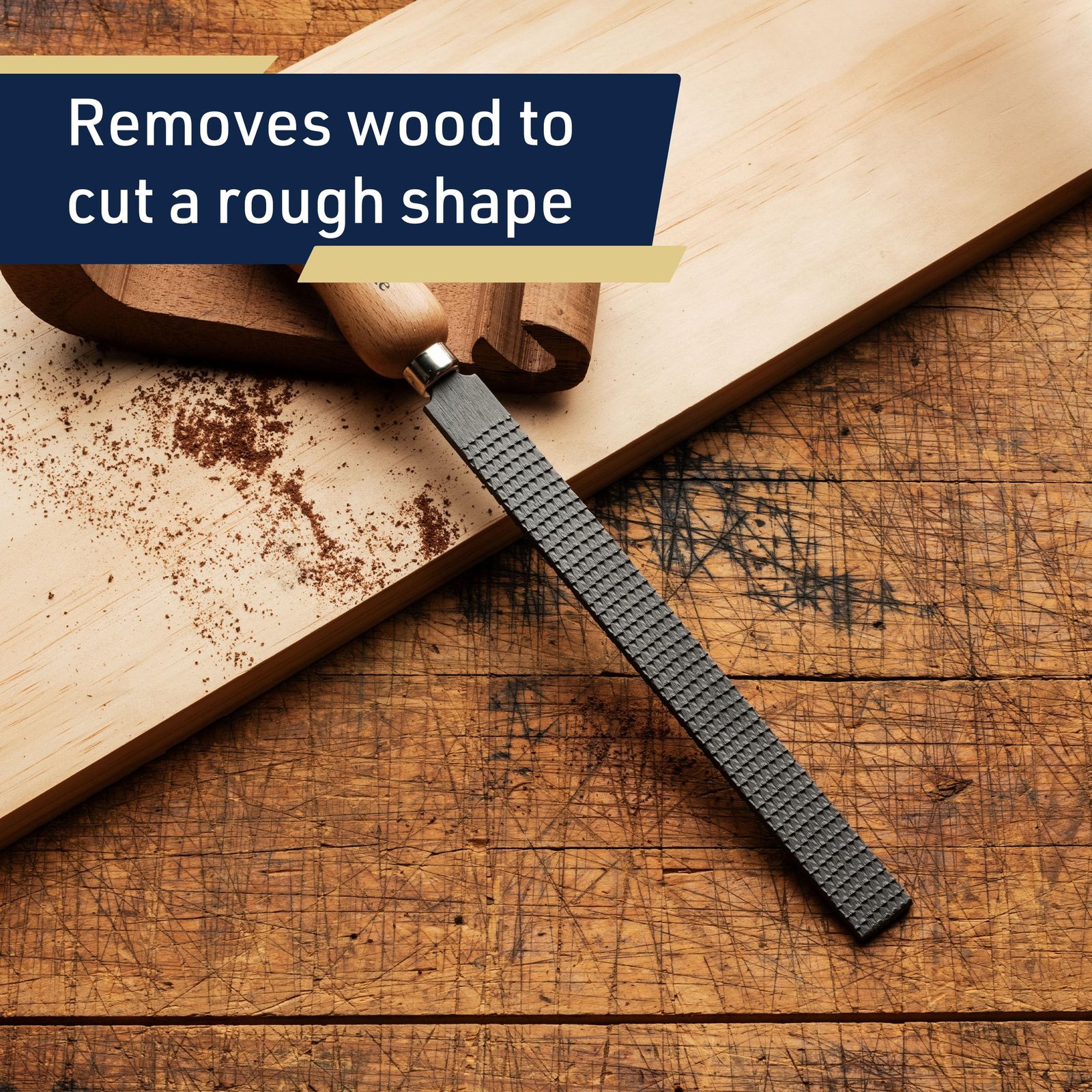
If you’ve ever struggled to shape wood just right, learning how to use a wood rasp efficiently can change everything. This simple tool can quickly smooth rough edges and create the perfect finish—if you know the right techniques.
You’ll discover easy tips to work smarter, not harder, saving you time and effort. By the end, you’ll feel confident handling your rasp like a pro, making your woodworking projects look sharper and more polished. Ready to get started? Let’s dive in!
Choosing The Right Wood Rasp
Using the correct wood rasp makes your work easier and faster. Picking the right rasp depends on your project and wood type.
This guide helps you find the best rasp by looking at types, wood match, and handle styles.
Types Of Rasps
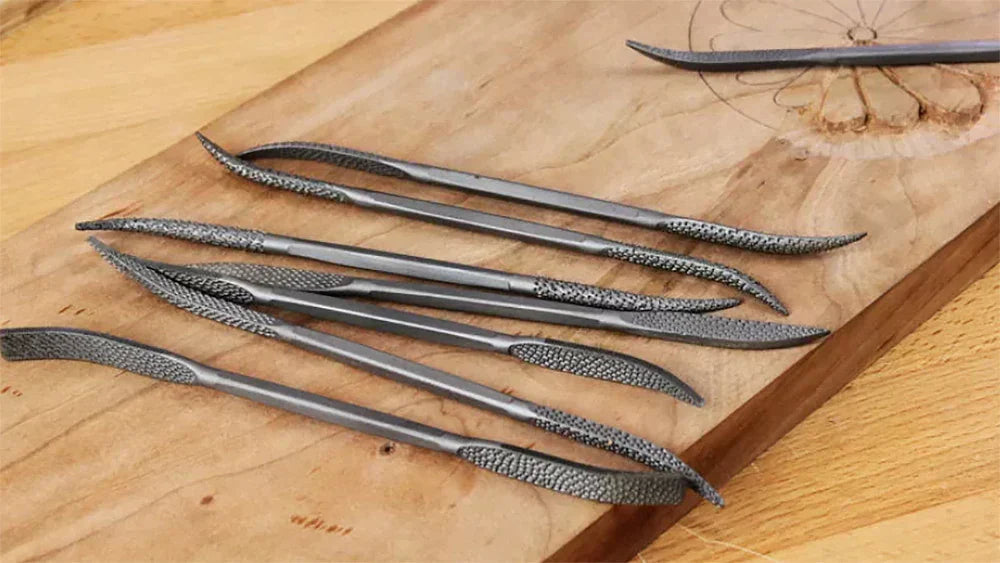
Wood rasps come in several shapes and tooth sizes. Each type suits different tasks and wood textures.
- Coarse Rasps:Remove large amounts of wood quickly.
- Fine Rasps:Used for smoothing and detail work.
- Half-Round Rasps:Good for flat and curved surfaces.
- Cabinet Rasps:Have small teeth for fine shaping.
Selecting Based On Wood Type
Different wood types need different rasps. Hardwoods need finer teeth to avoid rough cuts. Softwoods work well with coarser rasps.
| Wood Type | Recommended Rasp | Reason |
|---|---|---|
| Softwood (pine, cedar) | Coarse | Removes wood quickly without clogging |
| Hardwood (oak, maple) | Fine | Prevents deep marks and splinters |
| Medium wood (poplar, birch) | Medium | Balances speed and smooth finish |
Handle And Grip Options
The handle affects comfort and control. Choose a handle that fits your hand and work style well.
Common handle types include:
- Wooden Handles:Traditional, warm feel, good grip.
- Plastic Handles:Lightweight, easy to clean.
- Rubberized Handles:Soft, reduce slipping and hand fatigue.
Credit: www.melanieabrantes.com
Preparing Your Workspace
Using a wood rasp needs a clean and safe workspace. Preparing well helps you work faster and better.
Focus on setting up your tools and environment before you start rasping wood.
Securing The Wood
Keep the wood steady to avoid slips and errors. Use clamps or a vise to hold it firmly.
- Place the wood on a flat surface.
- Use clamps to hold it tight.
- Check the wood does not move before rasping.
- Adjust clamps if needed for comfort and control.
Ensuring Proper Lighting
Good lighting helps you see the wood surface clearly. This reduces mistakes and improves results.
| Lighting Type | Best Use |
| Natural Light | Daytime work near windows |
| LED Lamp | Focused light on detailed areas |
| Overhead Light | Even lighting for the whole workspace |
Using Safety Gear
Wear safety gear to protect yourself from dust and sharp edges. Safety is key for every task.
- Safety goggles to protect your eyes
- Dust mask to avoid breathing sawdust
- Work gloves for hand protection
- Hearing protection if using power tools nearby
Basic Techniques For Using A Wood Rasp
A wood rasp is a useful tool for shaping wood surfaces. Using it correctly makes your work smoother and faster.
This guide explains simple techniques to help you use a wood rasp efficiently and with control.
Correct Hand Positioning
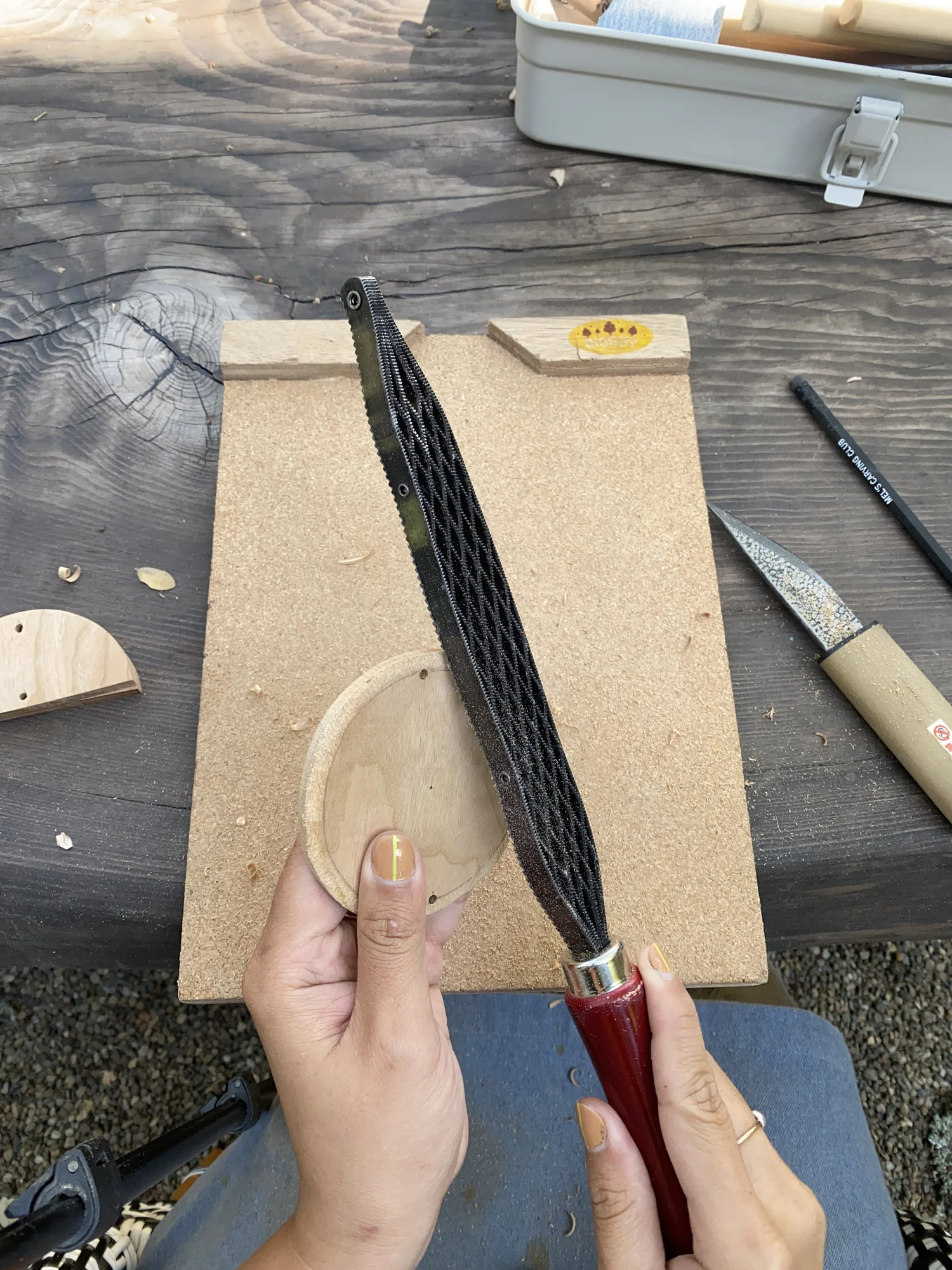
Hold the wood rasp with both hands for better control. Place one hand on the handle and the other on the opposite end.
Keep your hands steady and relaxed to avoid slipping or uneven pressure on the wood.
- Grip the handle firmly with your dominant hand
- Place your other hand near the tip for guidance
- Keep your wrists straight to reduce fatigue
Stroke Direction And Pressure
Push the rasp forward along the wood grain for best results. Avoid pushing sideways or backward.
Use steady, even pressure. Pressing too hard can damage the wood or the rasp teeth.
- Move the rasp away from you in long strokes
- Apply gentle to moderate pressure
- Let the rasp do the work, do not force it
Maintaining Consistent Movement
Keep your strokes smooth and even. This helps create a uniform surface on the wood.
Work slowly and avoid stopping mid-stroke to prevent uneven spots.
- Use long, continuous strokes
- Keep the rasp flat against the wood
- Check your progress frequently to stay even
Advanced Tips For Precision
Using a wood rasp with precision improves your woodworking results. Focus on careful control and technique for better shapes.
This guide covers shaping curves, smoothing surfaces, and avoiding common mistakes for efficient rasp use.
Shaping Curves And Contours
Use the rasp with short, controlled strokes to follow the natural curve of the wood. Keep the rasp flat to avoid gouging.
- Hold the rasp at a slight angle to guide the shape.
- Work gradually, removing small amounts of material.
- Check your progress often by feeling the curve with your hand.
- Change direction occasionally to smooth out rough spots.
Smoothing Edges And Surfaces
After shaping, use the rasp’s finer side to smooth edges and surfaces. This helps prepare the wood for sanding.
| Rasp Side | Purpose | Tip |
| Coarse | Shaping | Use with firm pressure |
| Medium | Refining | Use light pressure |
| Fine | Smoothing | Use gentle, even strokes |
Avoiding Common Mistakes
Using a rasp incorrectly can damage your work. Avoid these common errors for better results.
- Do not press too hard; this can cause uneven surfaces.
- Keep the rasp clean to prevent clogging and dulling.
- Avoid using the rasp on nails or metal parts to protect the teeth.
- Always rasp with the grain to reduce splintering.
Maintaining Your Wood Rasp
Keeping your wood rasp clean and sharp helps it work better. Regular care makes the tool last longer. Follow these tips to maintain your wood rasp.
Proper maintenance also keeps your work safe and efficient. Learn how to clean, sharpen, and store your rasp correctly.
Cleaning And Storage
Remove wood dust and resin from the rasp after each use. This stops buildup that can clog the teeth. Use a wire brush or a stiff nail brush for cleaning.
- Brush the rasp teeth gently to clear debris.
- Use compressed air to blow out tiny particles.
- Wipe the rasp with a dry cloth to remove moisture.
- Store the rasp in a dry place to avoid rust.
- Keep it in a protective case or wrap to prevent damage.
Sharpening Tips
Sharpening a wood rasp is delicate work. It needs special tools and care to keep the teeth sharp and even. Use a small file or a sharpening stone for this task.
- Secure the rasp in a clamp or vice.
- File each tooth carefully, following its angle.
- Check your progress often to keep teeth even.
- Clean the rasp after sharpening to remove filings.
- Test the rasp on scrap wood to ensure sharpness.
Extending Tool Life
Use your wood rasp correctly to make it last longer. Avoid pressing too hard or using it on metals. Keep it dry and clean after every use.
| Care Tip | Benefit |
| Clean after use | Prevents clogging and rust |
| Store dry and protected | Stops corrosion and damage |
| Sharpen carefully | Keeps teeth effective |
| Use on wood only | Prevents tooth wear |
Credit: infinitytools.com

Credit: www.amazon.ca
Frequently Asked Questions
What Is A Wood Rasp Used For?
A wood rasp shapes and smooths rough wood surfaces. It removes material quickly, ideal for detailed woodworking tasks. It helps refine curves, edges, and contours efficiently.
How Do You Hold A Wood Rasp Correctly?
Hold the rasp firmly with both hands. Use one hand on the handle and the other to guide the blade. Maintain steady pressure and controlled strokes for best results.
How Often Should You Clean A Wood Rasp?
Clean your wood rasp after every use. Remove debris with a wire brush to maintain cutting efficiency. Regular cleaning prevents clogging and extends the rasp’s lifespan.
Can You Use A Wood Rasp On Metal?
Wood rasps are not designed for metal. Using them on metal damages the teeth and reduces effectiveness. Use a metal file specifically made for metal surfaces instead.
Conclusion
Using a wood rasp efficiently requires practice and patience. Start with a clear plan. Hold the rasp firmly. Apply even pressure for smooth results. Remember to choose the right rasp for your project. Keep your tools sharp and clean. Safety should always be your priority.
Take your time to achieve the desired finish. Regular practice will improve your skills. Soon, you’ll handle projects with confidence. Enjoy creating with your wood rasp. Your craftsmanship will enhance with each project. Happy woodworking!