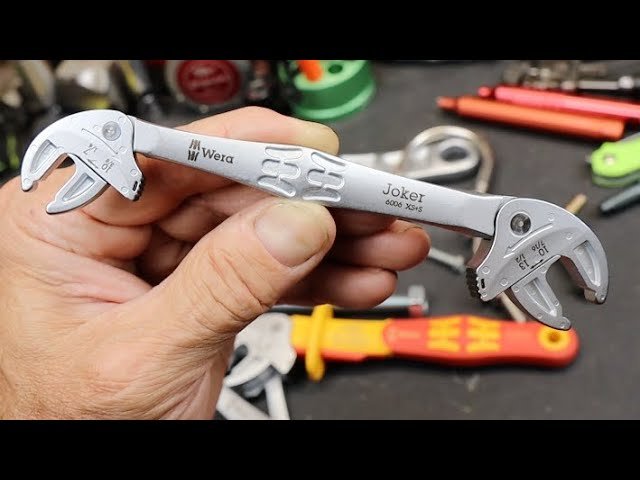
Are you tired of struggling with stubborn nuts and bolts that just won’t budge? Knowing how to use an adjustable wrench correctly can make your repairs and projects much easier and faster.
In this guide, you’ll discover simple, step-by-step tips to get a perfect grip every time—saving you frustration and effort. Whether you’re fixing something at home or working on a DIY project, mastering this tool will give you the confidence to handle any job.
Keep reading to unlock the secrets of using adjustable wrenches like a pro!

Credit: www.familyhandyman.com
Choosing The Right Adjustable Wrench
Adjustable wrenches are useful tools for tightening or loosening nuts and bolts. Picking the right wrench makes your work easier and safer.
There are different types and sizes. Knowing the material and build quality helps you choose a strong wrench.
Types Of Adjustable Wrenches
Adjustable wrenches come in various types. Each type fits different tasks and spaces.
- Standard adjustable wrench: Common and versatile.
- Ratcheting adjustable wrench: Allows quick turning without repositioning.
- Self-adjusting wrench: Adjusts automatically to the nut size.
- Pipe wrench: Designed for round pipes and bolts.
Size And Jaw Capacity
Wrenches come in different lengths and jaw sizes. Size affects how much force you can apply.
Choose a wrench with a jaw capacity that fits the nuts or bolts you work with often. A bigger jaw can handle larger nuts.
- Small wrenches (4-6 inches): Good for tight spaces and small nuts.
- Medium wrenches (8-10 inches): Suitable for general tasks.
- Large wrenches (12 inches or more): Best for heavy-duty work.
Material And Build Quality
The material affects how strong and durable the wrench is. Good materials resist rust and wear.
Look for wrenches made of chrome-vanadium steel or stainless steel. These last longer and hold their shape.
- Chrome-vanadium steel: Strong and corrosion-resistant.
- Stainless steel: Resists rust and easy to clean.
- Drop-forged wrenches: Have better strength and durability.
- Wrenches with a polished finish: Prevent rust and smooth operation.

Credit: www.youtube.com
Preparing For The Task
Using an adjustable wrench for nuts and bolts starts with good preparation. This helps you work safely and avoid damage.
Before you begin, check the nuts and bolts, clean them well, and follow safety rules.
Inspecting Nuts And Bolts
Look closely at the nuts and bolts before you use the wrench. Check for rust, damage, or worn threads.
Damaged nuts or bolts can slip or break. Make sure they are the right size for your wrench.
Cleaning And Lubrication
Clean dirt and grease from nuts and bolts to help the wrench grip better. Use a brush or cloth for cleaning.
Apply a little oil or lubricant to stuck or rusty parts. This makes turning easier and prevents damage.
- Use a wire brush for rust
- Wipe with a clean cloth
- Add light machine oil if needed
Safety Precautions
Wear safety glasses to protect your eyes from flying debris. Gloves can protect your hands from cuts.
Make sure you have a firm grip on the wrench. Keep your body balanced to avoid slips or falls.
- Wear safety glasses
- Use gloves if needed
- Keep your workspace clean
- Hold the wrench firmly
- Maintain good balance
Adjusting The Wrench Properly
Using an adjustable wrench correctly helps you tighten or loosen nuts and bolts safely. Adjusting the wrench properly prevents damage to the tool and the fastener.
Learn how to measure the nut or bolt, set the jaw width, and ensure a secure grip. These steps make your work easier and more effective.
Measuring The Nut Or Bolt
First, check the size of the nut or bolt you want to work on. Use a ruler or caliper to measure across the flat sides. This measurement helps you adjust the wrench correctly.
Setting The Jaw Width
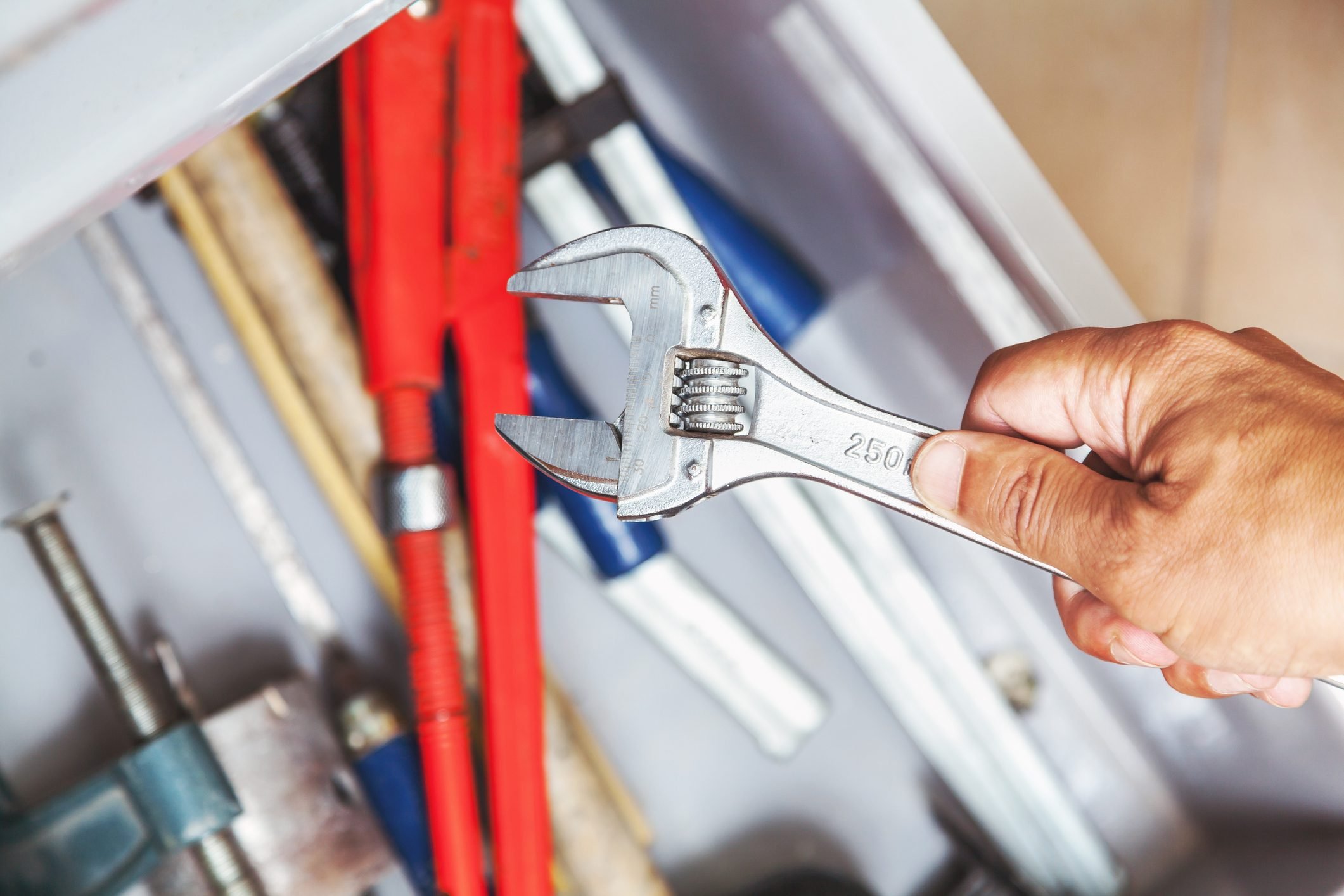
Turn the wrench’s thumbwheel to open the jaws. Adjust the width so it fits snugly around the nut or bolt. Avoid making it too loose or too tight.
- Place the wrench jaws around the nut or bolt.
- Turn the thumbwheel slowly to close the jaws.
- Stop when the jaws touch the flat sides firmly.
- Check if the wrench moves smoothly without slipping.
Ensuring A Secure Grip
Confirm the wrench grips the nut or bolt tightly. A secure grip prevents rounding or slipping. You can use a small test turn to check the hold.
| Grip Check | Action |
| Wrench slips | Readjust jaw width tighter |
| Wrench tight but moves smoothly | Good fit, start turning |
| Wrench too tight, hard to turn | Loosen jaw slightly |
Effective Techniques For Tightening
Using an adjustable wrench correctly helps tighten nuts and bolts well. It also stops damage to the fasteners.
This guide explains how to apply the right force, hold the wrench properly, and protect fasteners.
Applying Correct Force
Use steady and even pressure when turning the wrench. Avoid pushing too hard to prevent slipping.
Stop tightening once the nut or bolt feels secure. Over-tightening can break or strip the fastener.
- Turn the wrench slowly and smoothly
- Stop if you feel strong resistance
- Check tightness with your fingers first
Using Proper Hand Position
Hold the wrench handle near the end for more leverage. Keep your wrist straight to avoid strain.
Grip the wrench firmly but do not squeeze too hard. Use your dominant hand for better control.
- Place your hand at the wrench’s end
- Keep your wrist aligned with your arm
- Use your other hand to steady the tool if needed
Avoiding Damage To Fasteners
Adjust the wrench jaw to fit the nut or bolt snugly. Loose jaws cause slipping and rounding of corners.
Do not use the wrench on damaged or rusted fasteners without cleaning or replacing them first.
- Set the wrench jaw close to the fastener size
- Check for a tight grip before turning
- Clean rust or dirt from fasteners before use
Loosening Stuck Nuts And Bolts
Adjustable wrenches are useful tools to loosen nuts and bolts. Sometimes, nuts and bolts get stuck due to rust or tight fitting. Using the right technique helps prevent damage to the fasteners.
This guide explains how to use an adjustable wrench to loosen stuck nuts and bolts safely and effectively.
Using Penetrating Oil
Penetrating oil helps loosen rusted or stuck nuts and bolts. Spray the oil on the fastener and wait a few minutes. The oil seeps into the threads and reduces friction.
Apply the oil generously around the stuck nut or bolt. Let it sit for at least 10 minutes before trying to turn it with the wrench.
- Choose a penetrating oil designed for rust removal
- Spray around the nut or bolt threads
- Allow time for the oil to work, usually 10-15 minutes
- Wipe excess oil before using the wrench
Applying Controlled Force
Use steady, controlled force when turning a stuck nut or bolt. Sudden jerks can round off corners or break the bolt. Adjust the wrench jaw so it fits snugly on the fastener.
Turn the wrench slowly and steadily. If it does not move, do not force it too hard. Instead, try to rock the wrench back and forth gently to loosen the fastener.
- Set the wrench jaw tightly on the nut or bolt
- Pull the wrench handle slowly with steady pressure
- Avoid sudden twisting or jerking motions
- Try gentle rocking motions if stuck
Alternative Methods
If the wrench alone does not work, try these alternative methods. Use heat, tapping, or longer handles to help loosen the fastener. These methods increase force or break rust bonds.
Be careful when using heat or hammering. Too much force can damage the nut, bolt, or surrounding parts.
- Heat the stuck nut with a heat gun or small torch to expand metal
- Tap the nut lightly with a hammer to break rust bonds
- Use a pipe on the wrench handle for more leverage
- Try a different wrench size or a socket wrench for better grip
Maintaining Your Adjustable Wrench
Keeping your adjustable wrench in good shape helps it last longer. Regular care makes it easier to use on nuts and bolts.
This guide shows simple ways to clean, lubricate, and store your wrench properly.
Cleaning After Use
After using your wrench, remove dirt and grease. This prevents rust and keeps the tool working well.
- Wipe the wrench with a clean cloth.
- Use a small brush to clean the jaws and moving parts.
- If needed, wash with mild soap and water, then dry completely.
- Remove any rust spots with fine steel wool.
Lubricating Moving Parts
Lubrication keeps the wrench’s adjustable jaw smooth and easy to move. Use the right oil to avoid damage.
| Lubricant Type | Use |
|---|---|
| Light machine oil | Ideal for general use and smooth movement |
| Silicone spray | Protects from rust and repels dirt |
| Grease | Use sparingly for heavy-duty tools |
Storage Tips
Proper storage keeps your wrench safe from damage and rust. Use these tips to store it correctly.
- Store the wrench in a dry place to avoid moisture.
- Keep it in a toolbox or hang it on a pegboard.
- Close the jaws slightly to keep parts aligned but not too tight.
- Check the tool regularly for signs of wear or rust.
Common Mistakes To Avoid
Using an adjustable wrench on nuts and bolts can be easy if you avoid certain mistakes. These errors can damage your tools or hardware. Knowing what to avoid helps you work safely and efficiently.
This guide explains three common mistakes: overtightening, using the wrong wrench size, and ignoring wear and tear.
Overtightening
Applying too much force can strip or break nuts and bolts. It also damages the wrench. Turn the wrench slowly and stop once it feels tight.
Use the right amount of pressure to avoid problems. If unsure, test gently first.
Using Incorrect Wrench Size
Adjustable wrenches come in different sizes. Picking the wrong size makes gripping hard and causes slipping. Slips can damage the nut or bolt.
Match the wrench jaw to the nut or bolt size. Avoid using a wrench that is too big or too small.
- Check the jaw opening before use
- Adjust to fit snugly around the nut or bolt
- Do not force a wrench that is too small
Ignoring Wear And Tear
Wrenches wear down over time. Worn jaws can slip and damage fasteners. Inspect your wrench before each use.
Replace or repair your wrench if it shows cracks, rust, or loose parts. A good tool is safer and works better.
Credit: www.familyhandyman.com
Frequently Asked Questions
How Do I Adjust An Adjustable Wrench Correctly?
To adjust an adjustable wrench, turn the thumbwheel until the jaws fit snugly around the nut or bolt. Ensure a tight grip to prevent slipping and damage. Proper adjustment improves control and efficiency during tightening or loosening tasks.
Can Adjustable Wrenches Damage Nuts And Bolts?
Yes, improper use can damage nuts and bolts. Using a loose or oversized wrench causes rounding or stripping. Always match the wrench size precisely, apply steady pressure, and avoid excessive force to protect hardware integrity.
What Size Nuts And Bolts Fit An Adjustable Wrench?
Adjustable wrenches fit a wide range of sizes, typically from 0. 5 to 1. 5 inches. Their versatility allows handling various nuts and bolts, making them ideal for general household and mechanical tasks requiring different fastener sizes.
How To Use An Adjustable Wrench Safely?
Use an adjustable wrench by fitting it tightly to the fastener. Pull the wrench toward you instead of pushing. Wear gloves to protect hands and ensure a firm grip to avoid slips and injuries during use.
Conclusion
Using adjustable wrenches simplifies tasks with nuts and bolts. They offer flexibility for different sizes. Perfect for quick adjustments. Choose the right wrench for your needs. Ensure a snug fit on the bolt. Tighten or loosen with care. Avoid over-tightening to prevent damage.
Adjustable wrenches are handy in every toolkit. Practice makes perfect for smooth operation. Remember to maintain your tools for longevity. With these tips, handling nuts and bolts becomes easier. Enjoy efficient and safe DIY projects. Happy wrenching!