Are you tired of struggling with stubborn pipes and fittings? It’s time to discover the magic of adjustable wrenches.
These versatile tools can be your best ally when it comes to tackling those tricky plumbing tasks. Imagine the satisfaction of fixing a leaky pipe or securing a loose fitting with ease. You’ll learn the secrets to mastering adjustable wrenches for pipes.
With simple techniques and a little know-how, you’ll be ready to handle any challenge that comes your way. Get ready to empower yourself with practical skills that will save you time, money, and frustration. Keep reading to transform your DIY plumbing game!

Credit: www.youtube.com
Choosing The Right Adjustable Wrench
Using an adjustable wrench for pipes requires picking the right tool. The right wrench fits the pipe and works well without damage.
Knowing the types, size, and build quality helps you choose the best wrench for your pipe work.
Types Of Adjustable Wrenches
There are several types of adjustable wrenches for pipe work. Each type fits different jobs and pipe sizes.
- Crescent Wrenches: Common, with smooth jaws for different nuts.
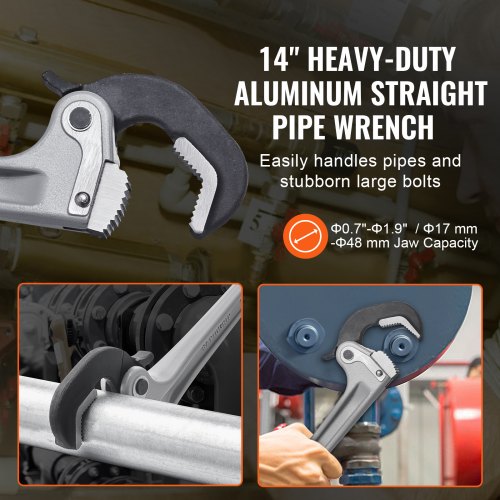
- Pipe Wrenches: Have serrated jaws to grip round pipes firmly.
- Basin Wrenches: Designed for tight spots under sinks.
Selecting The Proper Size
Choose an adjustable wrench size that matches the pipe size. A wrench too big or small can slip and cause damage.
Check the jaw opening range and pick one that covers your pipe’s diameter. A good fit gives more control and safety.
Material And Build Quality
Strong materials make wrenches last longer and work better. Look for tools made of steel or chrome vanadium.
Good build quality means smooth jaw movement and a solid handle. This helps you work comfortably and avoid tool failure.

Credit: www.amazon.ca
Preparing Pipes For Adjustment
Before using an adjustable wrench on pipes, prepare the pipes properly. This helps avoid damage and makes the job easier.
Cleaning, checking, and lubricating pipes are key steps. Follow these to get pipes ready for adjustment.
Cleaning Pipe Surfaces
Remove dirt, rust, and grease from pipe surfaces before adjusting. Clean pipes give a better grip and prevent slipping.
- Use a wire brush to scrub off rust and debris.
- Wipe the pipe with a clean cloth to remove dust.
- If needed, apply a mild detergent and rinse with water.
- Dry the pipes completely to avoid slipping.
Checking Pipe Condition
Inspect pipes for damage before adjusting. Look for cracks, deep dents, or worn areas that can cause leaks or breakage.
| Condition | What to Look For | Action Needed |
| Good | No visible damage or wear | Proceed with adjustment |
| Minor Damage | Small dents or scratches | Use caution; avoid overtightening |
| Severe Damage | Cracks, deep dents, or corrosion | Replace pipe before adjustment |
Applying Lubricants
Lubricate pipe threads and joints to reduce friction. This helps the adjustable wrench work smoothly and protects the pipes.
Follow these tips for applying lubricant:
- Use a pipe thread lubricant or plumber’s grease.
- Apply a thin, even layer to threads or joints.
- Avoid using too much lubricant to prevent mess.
- Wipe off any excess before adjusting.
Proper Grip And Handling
Using an adjustable wrench for pipes requires the right grip and handling. This helps avoid slipping and damage to pipes.
Follow these tips to adjust the wrench and hold it safely for better control.
Adjusting The Jaw Width
Turn the screw to open the jaws wide enough to fit the pipe. The jaws should grip the pipe tightly but not too tight to cause damage.
- Open the jaws slightly wider than the pipe diameter.
- Place the jaws around the pipe.
- Turn the screw to close the jaws firmly on the pipe.
- Check that the wrench does not slip when you pull.
Positioning The Wrench Correctly
Place the wrench so the fixed jaw is against the part that will not move. This lets you push the wrench rather than pull it.
| Correct Position | Fixed Jaw Against Pipe |
| Incorrect Position | Movable Jaw Against Pipe |
| Result | Better grip and less slip |
Using Both Hands Effectively
Use one hand to hold the wrench handle and the other to adjust the jaw or support the pipe. This gives more control and safety.
- Hold the wrench handle firmly with your dominant hand.
- Use your other hand to turn the adjustment screw if needed.
- Support the pipe with your free hand to avoid movement.
- Apply steady force without sudden jerks.
Techniques For Tightening And Loosening
Using an adjustable wrench for pipes takes care and skill. You must apply the right force. Too much or too little can cause problems.
This guide covers how to tighten and loosen pipes safely. Learn how to avoid damage and handle tough situations.
Applying Controlled Force
Apply steady, even pressure when using the wrench. Avoid sudden or jerky movements. Grip the wrench handle firmly but not too tightly.
- Adjust the wrench jaw to fit snugly around the pipe.
- Pull the wrench handle slowly and steadily in the direction needed.
- Release pressure if you feel the pipe or wrench slipping.
- Repeat carefully until the pipe moves.
Avoiding Pipe Damage
Protect pipes by using the right wrench size and adjusting it properly. Loose jaws can slip and scratch pipes. Use a cloth to cover soft pipes.
| Tip | Reason |
| Fit wrench tightly | Prevents slipping and scratches |
| Use pipe protector | Protects soft or painted pipes |
| Do not over-tighten | Avoids bending or breaking pipe |
| Check wrench condition | Good teeth grip better and reduce damage |
Handling Stuck Or Rusty Pipes
Stuck pipes need patience and care. Use lubricant to loosen rust or dirt. Tap gently with a hammer to break rust seals.
- Apply penetrating oil and wait 10-15 minutes.
- Try turning the pipe slowly with the wrench.
- Tap the pipe joint lightly with a hammer.
- Heat the pipe area carefully if rust is severe.
- Repeat lubrication and turning until it loosens.
Safety Tips While Using Adjustable Wrenches
Using adjustable wrenches on pipes needs care to avoid accidents. Safety helps protect you and your tools.
Follow simple safety steps to work better and prevent injuries.
Wearing Protective Gear
Always wear gloves to protect your hands from sharp edges. Safety glasses stop dirt and metal bits from hurting your eyes.
Choose gear that fits well and feels comfortable to keep working safely.
- Wear sturdy gloves for grip and protection
- Use safety glasses to shield your eyes
- Consider ear protection if working in noisy places
Maintaining A Stable Work Area
Keep your work area clean and dry to avoid slips. Good lighting helps you see the pipe and wrench clearly.
Place tools and parts where you can reach them easily without stretching or losing balance.
- Clear clutter and spills from the floor
- Use a sturdy surface to hold pipes
- Keep tools organized and within reach
Inspecting Tools Before Use
Check your adjustable wrench for cracks or damage before starting. Make sure the jaws open and close smoothly.
Do not use a wrench with worn or bent parts. A broken tool can slip and cause injury.
- Look for cracks or rust on the wrench
- Test the adjustable jaw movement
- Replace tools that do not work properly
Maintaining Your Adjustable Wrenches
Adjustable wrenches work best when you take good care of them. Regular maintenance keeps them strong and easy to use.
Follow simple steps to clean, lubricate, and store your wrenches. This helps them last longer and avoid damage.
Cleaning After Use
After using your adjustable wrench on pipes, clean it well. Dirt and grease can cause rust and affect its grip.
- Wipe the wrench with a dry cloth to remove loose dirt.
- Use warm soapy water to clean stubborn grime.
- Dry the wrench completely with a clean towel.
- Check for any stuck debris in the jaw or adjustment mechanism.
Lubricating Moving Parts
Keep the wrench’s moving parts smooth by adding oil. This makes adjusting easier and prevents rust.
| Lubrication Tip | Why It Matters |
| Apply light machine oil to the screw and sliding jaw | Reduces friction and wear |
| Wipe off extra oil to avoid dirt buildup | Keeps wrench clean and efficient |
| Lubricate after every few uses or if movement feels stiff | Ensures long-term smooth operation |
Storing Properly
Store your adjustable wrenches in a dry place. This prevents rust and keeps them ready for the next job.
- Keep wrenches in a toolbox or hang them on a pegboard.
- Avoid leaving them on damp surfaces or outdoors.
- Use tool covers or wrap them in cloth if stored for long times.
Credit: www.vevor.ca
Frequently Asked Questions
What Size Adjustable Wrench Is Best For Pipes?
Choose an adjustable wrench that fits pipe sizes you work with. Typically, a 6 to 12-inch wrench suits most plumbing tasks. Ensure the jaws adjust smoothly to grip pipes securely without slipping or damaging the surface.
How To Adjust An Adjustable Wrench For Pipe Fittings?
Turn the worm screw to open or close the jaws. Fit the wrench snugly around the pipe or fitting. Avoid over-tightening to prevent damage or slipping during use.
Can Adjustable Wrenches Damage Pipes?
Yes, if used improperly, they can scratch or deform pipes. Always adjust the wrench properly and apply steady pressure. Use protective padding or a cloth to prevent surface damage when working on softer pipes.
How To Maintain An Adjustable Wrench For Plumbing?
Clean the wrench after each use to remove dirt and rust. Lubricate the worm gear regularly for smooth adjustment. Store it in a dry place to prevent corrosion and ensure long-lasting performance.
Conclusion
Using an adjustable wrench makes pipe work easier and safer. Adjust the wrench to fit the pipe’s size before turning. Hold it firmly to avoid slipping or damage. Practice patience to get the right grip and avoid mistakes. Keep your tools clean and check them often.
Small steps lead to better results. With care and attention, you can handle most pipe tasks confidently. Remember, simple tools and good technique go hand in hand. Try these tips next time you work with pipes.