Have you ever found yourself in a situation where a stubborn bolt just won’t budge? We’ve all been there, and that’s where an adjustable spanner becomes your best friend.
This handy tool is a staple in every toolbox, but using it safely and effectively can make all the difference. Imagine the satisfaction of completing your DIY projects with ease and confidence, knowing you’re using your tools the right way.
In this guide, you’ll discover step-by-step instructions on how to use an adjustable spanner safely, ensuring your projects are not just successful, but also injury-free. Keep reading to unlock the secrets of mastering this essential tool and enhance your DIY skills. Your projects—and your fingers—will thank you!

Credit: www.amazon.in
Choosing The Right Spanner
Using the correct adjustable spanner helps you work safely and efficiently. It reduces the risk of slipping and damage.
Choosing the right spanner means picking the right size and checking the tool for any damage before use.
Size And Type Selection
Select a spanner that fits the nut or bolt tightly. A loose fit can cause slipping and injury.
Adjustable spanners come in different sizes. Choose one that matches the work you need to do.
- Smaller spanners work well on tight spaces and small nuts
- Larger spanners provide more leverage for big bolts
- Use a spanner type designed for the job, such as a heavy-duty or lightweight model
Inspecting For Damage
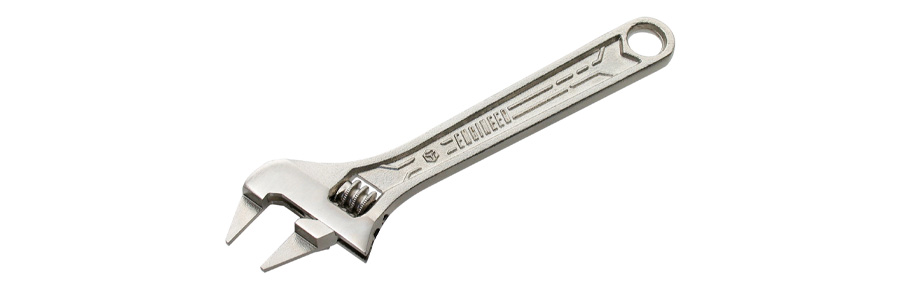
Always check your adjustable spanner for damage before use. Damaged tools can break or slip.
Look for cracks, bent jaws, or worn teeth. These problems reduce the tool’s grip and safety.
- Check that the moving jaw adjusts smoothly
- Make sure the spanner opens and closes without sticking
- Look for rust or corrosion that weakens the metal
- Replace the spanner if any part looks damaged
Credit: www.foxwoll.com
Preparing For Use
Using an adjustable spanner safely starts with good preparation. This helps prevent injury and tool damage.
Check the tool before use. Make sure it is clean and adjusted correctly.
Cleaning The Tool
Clean the spanner before using it. Dirt or grease can make it hard to grip.
Use a dry cloth to wipe off dust and dirt. For sticky grease, use a small amount of oil or cleaning spray.
- Remove dirt from the jaws and handle
- Wipe away old grease or oil buildup
- Dry the tool well before adjusting
Adjusting The Jaw Correctly
Set the jaw to fit the nut or bolt snugly. Loose jaws can slip and cause injury.
Turn the adjustment screw slowly. Check the fit by placing the jaw on the fastener before use.
- Turn the screw to open the jaw wider
- Place jaw around the fastener
- Turn screw to tighten jaw until it fits firmly
- Test the fit by gently moving the spanner
Safe Handling Techniques
Using an adjustable spanner safely prevents injuries and tool damage. Proper handling keeps your work efficient and secure.
Focus on correct grip and applying force carefully. These techniques help control the spanner and avoid slips.
Proper Grip And Position
Hold the spanner with a firm grip near the handle end. Keep your wrist straight and your body balanced.
- Place your thumb on one side and fingers on the other side of the handle.
- Adjust the spanner jaws to fit snugly around the nut or bolt.
- Keep the spanner perpendicular to the fastener to avoid slipping.
- Position your body so you can pull the spanner toward you, not push away.
Applying Force Safely
Use steady and controlled force. Avoid sudden or jerky movements to reduce the risk of injury.
| Do | Don’t |
| Pull the spanner toward you | Push the spanner away from you |
| Use moderate force for tight fasteners | Use excessive force that may cause slippage |
| Wear gloves for better grip | Work with wet or oily hands |
| Check jaw tightness before applying force | Use a spanner with loose jaws |
Avoiding Common Hazards
Using an adjustable spanner safely protects you from injuries. Many accidents happen due to simple mistakes. Knowing how to avoid these risks keeps your work safe and smooth.
This guide focuses on two main hazards: slips and trips, and working near electrical parts. Follow these tips to stay safe while using your spanner.
Preventing Slips And Trips
Slips and trips cause falls that may lead to serious injuries. Keep your workspace clean and organized to avoid these hazards. Watch out for wet floors and loose objects around you.
- Clear tools and materials from walkways
- Wipe up spills immediately
- Wear shoes with good grip
- Keep cords and cables tidy and out of paths
- Use proper lighting to see where you walk
Working Around Electrical Components
Electric shocks can happen if you touch live wires while using a spanner. Take precautions before starting work near electrical parts. Always assume wires are live unless confirmed safe.
| Safety Tip | Why It Matters |
| Turn off power supply | Prevents electric shock |
| Use insulated spanners | Reduces risk of current flow |
| Check for damaged wires | Avoid contact with exposed conductors |
| Wear rubber gloves | Provides extra protection |
| Keep hands dry | Water conducts electricity |
Maintenance And Storage
Keeping your adjustable spanner clean and stored properly helps it last longer. Good care stops rust and damage.
Learn how to clean the tool after use and store it safely to keep it in top shape.
Cleaning After Use
Wipe the spanner with a clean cloth to remove dirt and grease. This prevents buildup that can cause problems.
Use a small brush to clean hard-to-reach parts, especially around the adjustable jaw.
- Remove any oil or grease with a mild solvent if needed
- Dry the spanner completely to avoid rust
- Check for any damage or wear while cleaning
Safe Storage Practices
Store the spanner in a dry place to stop rust from forming. Avoid damp or humid areas.
Keep the tool in a toolbox or hang it on a rack to prevent damage and loss.
- Close the adjustable jaw before storing to protect the mechanism
- Use tool organizers to keep spanners separated
- Apply light oil to metal parts if storing for a long time

Credit: www.youtube.com
Frequently Asked Questions
What Is The Correct Way To Hold An Adjustable Spanner?
Hold the spanner firmly with your dominant hand. Position the jaw around the fastener. Pull the spanner towards you, never push. This grip reduces the risk of slipping and injury.
How Do I Adjust The Spanner Size Safely?
Turn the thumbwheel to fit the fastener snugly. Avoid forcing the jaws too wide. A proper fit prevents damage to the tool and fastener, ensuring safety during use.
Can I Use An Adjustable Spanner On All Fasteners?
Adjustable spanners work best on hexagonal nuts and bolts. Avoid using them on rounded or stripped fasteners. Using the right tool prevents accidents and maintains fastener integrity.
How To Prevent Slipping With An Adjustable Spanner?
Ensure the jaws fit tightly on the fastener. Pull the spanner handle towards you steadily. Avoid sudden force or jerky movements. Proper technique minimizes slipping and potential injury.
Conclusion
Using an adjustable spanner safely helps prevent injuries and tool damage. Always check the tool before use and adjust it properly. Hold the spanner firmly and pull it toward you, never push. Keep your work area clean and avoid distractions.
Practice these steps every time you use the tool. Safety and care make any job easier and faster. Stay alert and handle tools with respect. Your hands and projects will thank you.