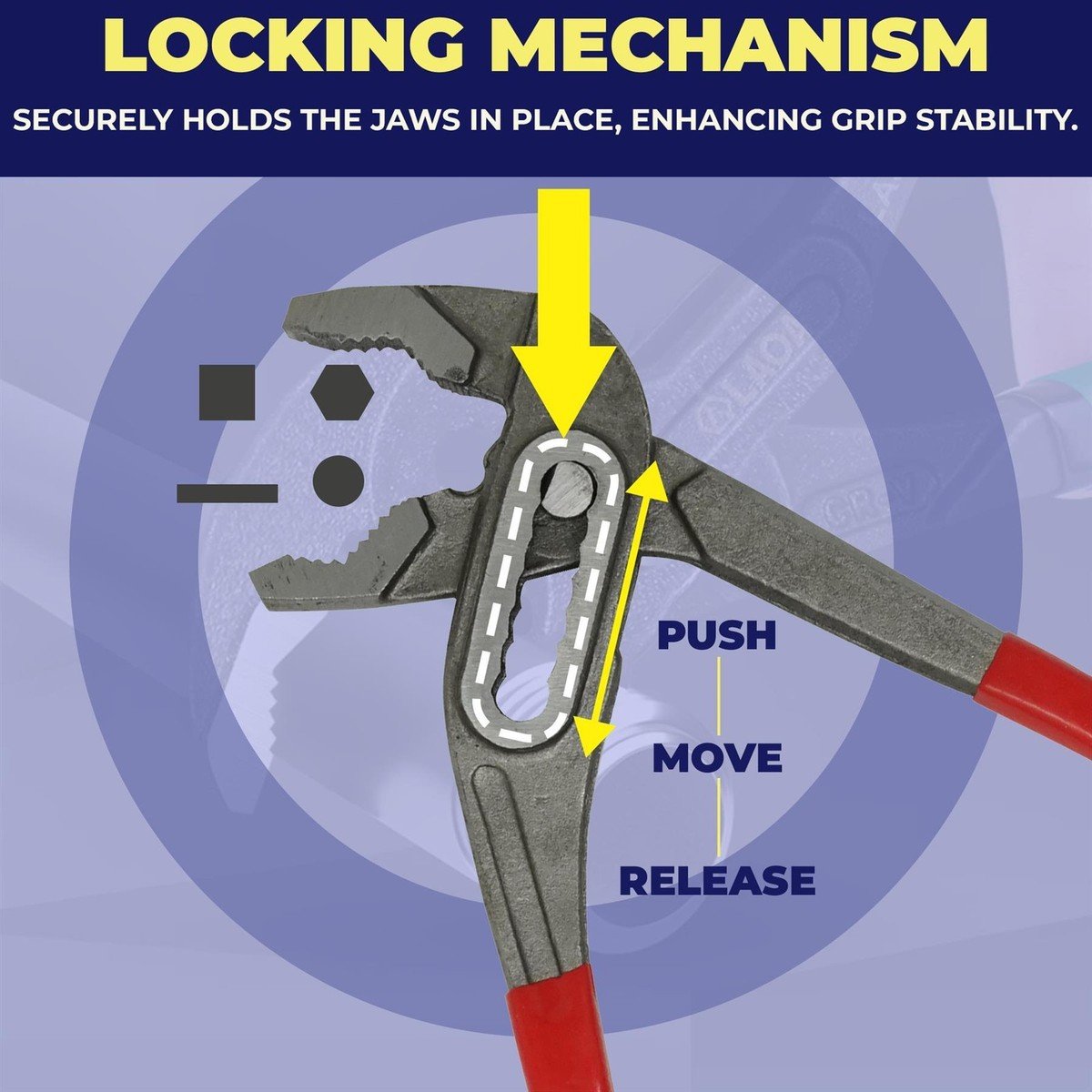
If you’ve ever picked up an adjustable wrench, you know it’s a handy tool for many jobs. But using it the wrong way can lead to slips, damage, or even injury.
You want to get your work done quickly and safely, right? This guide will show you exactly how to use an adjustable wrench without risk. By following simple steps, you’ll protect yourself and your tools while making every turn count.
Keep reading to master the safe use of this essential tool and avoid common mistakes that most people overlook.
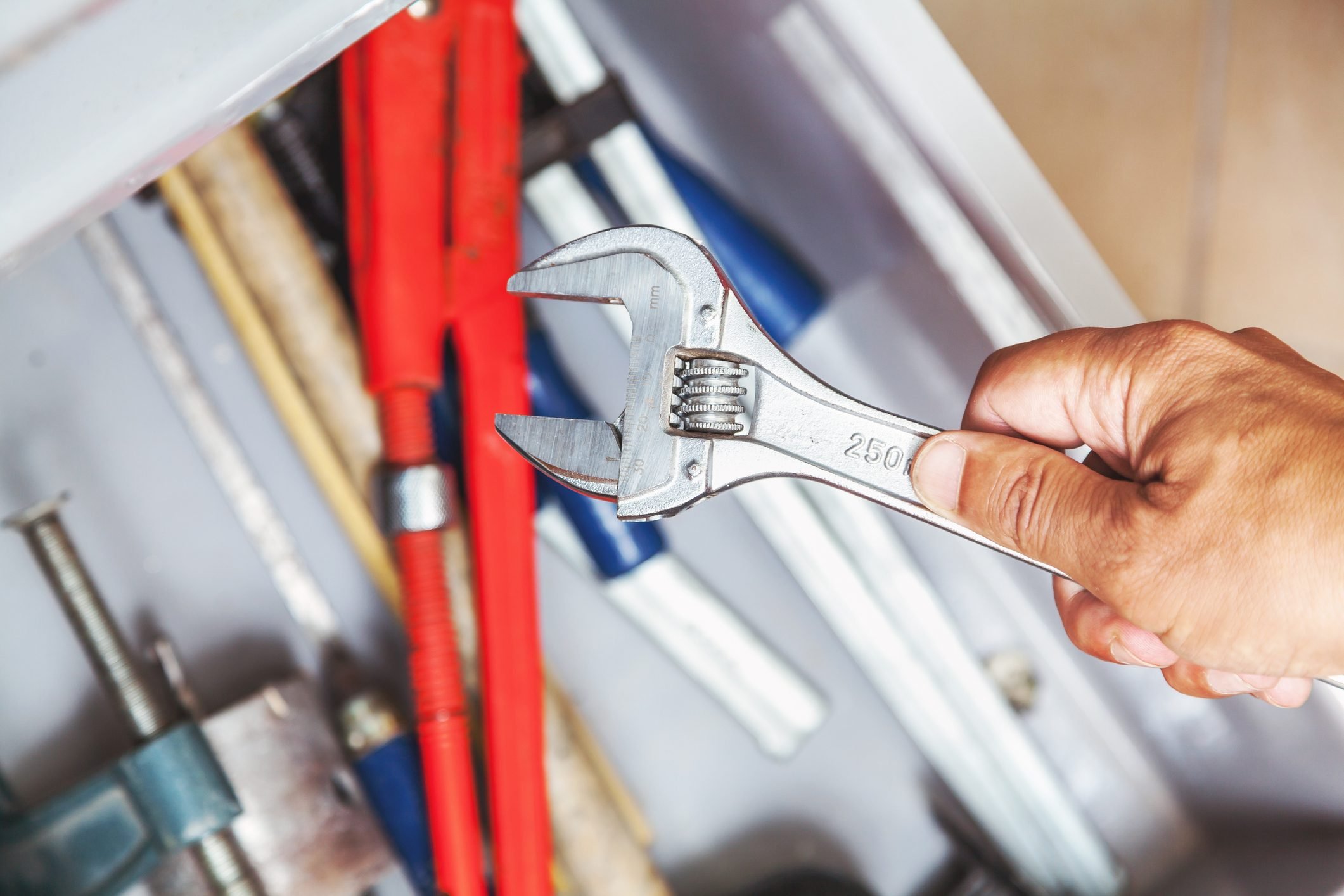
Credit: www.familyhandyman.com
Choosing The Right Wrench
Using an adjustable wrench safely starts with picking the right tool. The right wrench fits the job well and reduces the risk of slipping.
Choosing the correct wrench size and type helps you work better and avoid injuries.
Types Of Adjustable Wrenches
There are several types of adjustable wrenches. Each type suits different tasks and sizes of nuts or bolts.
- Crescent Wrench: Has a smooth jaw that adjusts to many sizes.
- Pipe Wrench: Designed for gripping round pipes with serrated jaws.
- Spanner Wrench: Used for special bolts with holes or notches.
- Monkey Wrench: Heavy-duty tool with wide jaws for larger bolts.
Choose a wrench type that fits the shape and size of the object you will tighten or loosen.
Selecting The Correct Size
Pick a wrench that fits the bolt or nut closely. Too small or large wrenches can slip and cause injury.
Adjust the wrench jaw so it grips the fastener firmly. The wrench should not move or wiggle.
- Measure the nut or bolt across the flats.
- Choose a wrench that matches or slightly exceeds the size.
- Check the wrench jaw moves smoothly and locks tight.
- Use a wrench with a long handle for better grip and leverage.
Preparing For Use
Using an adjustable wrench safely starts with good preparation. You must check the tool and set it right before working.
Taking time to prepare helps avoid accidents and damage to the wrench or the workpiece.
Inspecting The Tool
Before using the wrench, look it over carefully. Check for any damage or wear that could cause problems.
- Make sure the jaws are clean and free of rust.
- Check that the handle is not bent or cracked.
- Test the adjustment screw to see if it moves smoothly.
- Look for any loose or missing parts.
- Ensure the movable jaw fits tightly without play.
Adjusting The Jaw Properly
Set the wrench jaw to fit the nut or bolt snugly. A loose fit can slip and cause injury or damage.
| Step | Action | Tip |
|---|---|---|
| 1 | Turn the adjustment screw to open the jaws wide. | Make sure the jaws are wider than the fastener. |
| 2 | Place the wrench on the fastener. | Align the jaws squarely to the flat sides. |
| 3 | Turn the screw to close the jaws until tight. | Stop when the wrench fits snugly without forcing. |
| 4 | Check the fit by trying to move the wrench slightly. | The wrench should not slip or wiggle. |
Safe Handling Techniques
Using an adjustable wrench safely reduces the risk of injury. It also helps you complete tasks correctly. Learning good habits is important.
Focus on how to hold the wrench and control the force you apply. This guide covers key tips for safe handling.
Correct Grip And Position
Hold the wrench handle near the end for the best leverage. Your hand should grip firmly but not too tight. Keep your wrist straight to avoid strain.
- Place your thumb along the handle for control.
- Keep your fingers wrapped around the handle fully.
- Position the wrench so the fixed jaw faces the direction you want to turn.
- Make sure the adjustable jaw fits snugly on the fastener.
Applying Controlled Force
Apply force slowly and steadily to avoid slipping. Use your body weight rather than just your arm strength. Pull the wrench toward you instead of pushing it away.
| Action | Reason |
| Pull wrench toward your body | Better control and less chance of injury |
| Use smooth, steady pressure | Prevents fastener damage and slipping |
| Do not use excessive force | Avoids wrench or fastener breakage |
| Wear gloves if needed | Improves grip and protects hands |
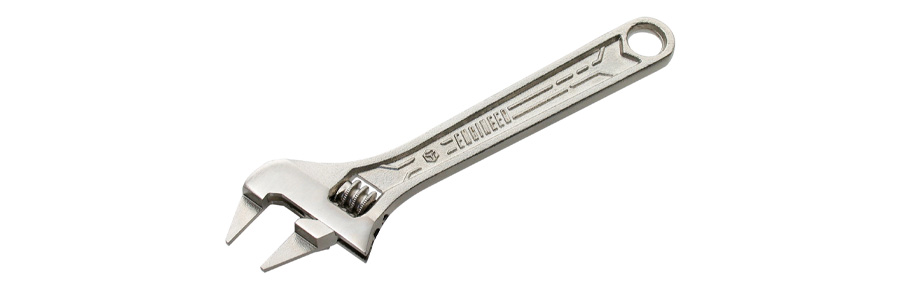
Credit: www.foxwoll.com
Common Mistakes To Avoid
Using an adjustable wrench safely is important to avoid damage and injury. Many people make simple mistakes that cause problems. Learning what to avoid helps you work better and safer.
Two common errors are over-tightening and using the wrong angle. These mistakes can harm your tools and your work. Understanding these issues is key to using an adjustable wrench correctly.
Over-tightening
Applying too much force on a fastener can strip the bolt or damage the wrench. Over-tightening also makes future repairs harder. Use just enough pressure to secure the connection firmly.
- Adjust the wrench jaw to fit snugly around the bolt.
- Turn slowly and check resistance often.
- Stop tightening when the bolt feels secure.
- Avoid using extra tools to increase torque.
- Use a torque wrench for precise tightening if possible.
Using The Wrong Angle
Holding the wrench at the wrong angle reduces grip and increases slipping risk. This can cause injury or damage the fastener. Keep the wrench aligned with the bolt’s turning direction.
| Correct Angle | Incorrect Angle |
| Wrench handle in line with bolt axis | Wrench handle tilted away from bolt |
| Even pressure on jaws | Uneven pressure causes slipping |
| Better control and safety | Higher chance of tool damage |
Maintenance And Storage
Taking care of your adjustable wrench helps it last longer. Proper cleaning and storage keep it working well and safe to use.
Learn simple ways to clean your wrench after use and store it properly to avoid damage and rust.
Cleaning After Use
Wipe your adjustable wrench with a clean cloth after every use. Remove dirt, grease, and moisture to stop rust from forming.
- Use a dry cloth to remove dust and grime.
- Apply a small amount of light machine oil on moving parts.
- Check for any damage or wear while cleaning.
- Dry the wrench thoroughly before storing it.
Proper Storage Tips
Store your adjustable wrench in a dry, clean place. This prevents rust and keeps it ready for the next job.
| Storage Method | Benefit |
| Toolbox with compartments | Keeps wrench organized and protected |
| Hanging on a pegboard | Easy access and good air circulation |
| Tool roll or pouch | Protects from dust and scratches |
| Use silica gel packs nearby | Absorbs moisture to prevent rust |
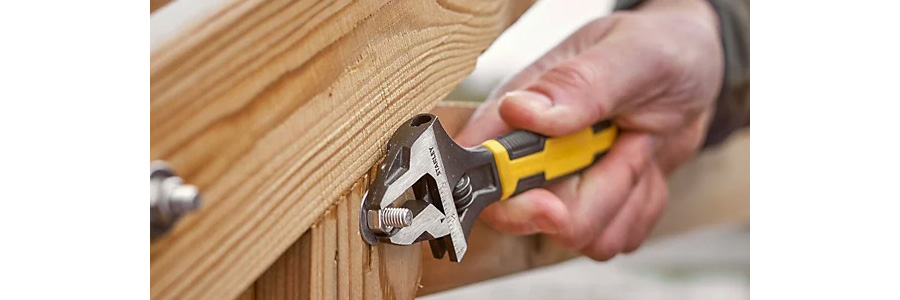
Credit: www.foxwoll.com
Frequently Asked Questions
How Do I Adjust An Adjustable Wrench Correctly?
To adjust an adjustable wrench, turn the thumbwheel until the jaws fit snugly around the fastener. Ensure a tight grip to avoid slipping and damage.
What Safety Gear Should I Wear Using An Adjustable Wrench?
Wear safety goggles and gloves to protect your eyes and hands. Proper gear prevents injuries from slipping or sharp edges during use.
How Can I Prevent Slipping With An Adjustable Wrench?
Ensure the jaws are firmly tightened on the fastener. Pull the wrench toward you, not away, to maintain control and reduce slipping risk.
When Should I Replace My Adjustable Wrench?
Replace your wrench if jaws are worn, bent, or don’t adjust smoothly. Using damaged tools can cause injury and damage fasteners.
Conclusion
Using an adjustable wrench safely is essential for any DIY project. First, choose the right size for your task. Ensure a firm grip to prevent slipping. Always turn it in the right direction. Keep your fingers away from moving parts.
Regularly check the tool for any damage. A well-maintained wrench lasts longer and works better. Safety goggles protect your eyes from debris. Gloves can shield your hands from injury. Practice these tips to work confidently and safely. Remember, safety comes first in every task.
Happy fixing!