Are you ready to tackle your next DIY project with confidence and precision? If you’ve ever found yourself staring at a stack of tiles, wondering how to cut them neatly without breaking the bank on expensive tools, you’re in the right place.
An angle grinder, typically known for its heavy-duty capabilities, can be your secret weapon in achieving those perfect tile cuts. But before you dive in, it’s crucial to know the right techniques and safety measures. This guide will reveal the step-by-step process to transform an ordinary angle grinder into your ultimate tile-cutting ally.
Get ready to discover how you can effortlessly achieve professional results, saving both time and money. Stick around, because by the end of this article, you’ll be equipped with all the knowledge you need to cut tiles like a pro.
Choosing The Right Angle Grinder
Using an angle grinder to cut tiles needs the right tool. Choosing the correct grinder helps you work safely and easily.
This guide shows you which angle grinders work best for tile cutting. It also covers important features to look for.
Types Of Angle Grinders
There are different types of angle grinders. Each one fits certain jobs and skill levels.
- Electric Angle Grinders:These run on power cords. They give constant power and suit most tile jobs.
- Cordless Angle Grinders:Battery-powered for easy movement. Good for small jobs without nearby outlets.
- Pneumatic Angle Grinders:Use air pressure. They are light and work well for long projects but need an air compressor.
- Right-Angle Grinders:Have a head turned 90 degrees. They are good for tight spaces and detailed cuts.
Essential Features For Tile Cutting
| Feature | Why It Matters | What to Look For |
| Disc Size | Affects cutting depth and control | 4 to 5 inches are best for tile cutting |
| Power | Strong power cuts tiles smoothly | Look for 6 to 9 amps (electric) or 18V+ (cordless) |
| Speed Control | Adjust speed for different tile types | Variable speed settings are helpful |
| Safety Features | Protects user from accidents | Check for a safety guard and a lock-on switch |
| Weight | Lighter grinders reduce fatigue | Choose one you can hold comfortably |

Credit: www.familyhandyman.com
Selecting The Best Cutting Disc
Choosing the right cutting disc is important for cutting tiles safely and cleanly. The right disc makes the job easier and protects your tools.
Different discs work better for different tile materials. Knowing which disc to pick helps you cut tiles without cracks or breaks.
Diamond Blades Vs. Other Blades
Diamond blades have tiny diamond pieces on the edge. These pieces cut hard materials like tiles fast and clean.
Other blades, like abrasive ones, wear out faster and may cause rough edges on tiles. Diamond blades last longer and give smoother cuts.
- Diamond blades cut tiles with less dust and fewer chips
- Abrasive blades are cheaper but wear down quickly
- Diamond blades work well on porcelain and ceramic tiles
- Abrasive blades may cause tile cracking
Blade Size And Thickness
Blade size affects how deep you can cut. Choose a blade that fits your angle grinder and tile thickness.
Thicker blades are stronger but may cut slower. Thin blades cut faster but can break if used wrongly.
- 4 to 5 inch blades are good for small tiles and light work
- 7 to 9 inch blades cut larger tiles and thicker materials
- Thin blades give smooth cuts but need careful handling
- Thick blades last longer but may cause rough edges
Preparing For Tile Cutting
Using an angle grinder to cut tiles needs careful preparation. This helps you work safely and get clean cuts.
Before you start, gather all the tools and safety gear. Measure and mark your tiles precisely to avoid mistakes.
Safety Gear And Precautions
Wear proper safety gear to protect yourself from dust and sharp tile pieces. Also, follow safety rules for using the angle grinder.
- Use safety glasses or goggles to shield your eyes.
- Wear a dust mask to avoid breathing tile dust.
- Put on ear protection to protect from noise.
- Use gloves to protect your hands from sharp edges.
- Wear long sleeves and pants to protect your skin.
- Keep a firm grip on the angle grinder at all times.
- Work in a well-ventilated area to reduce dust.
- Make sure the angle grinder’s guard is in place before use.
Marking And Measuring Tiles
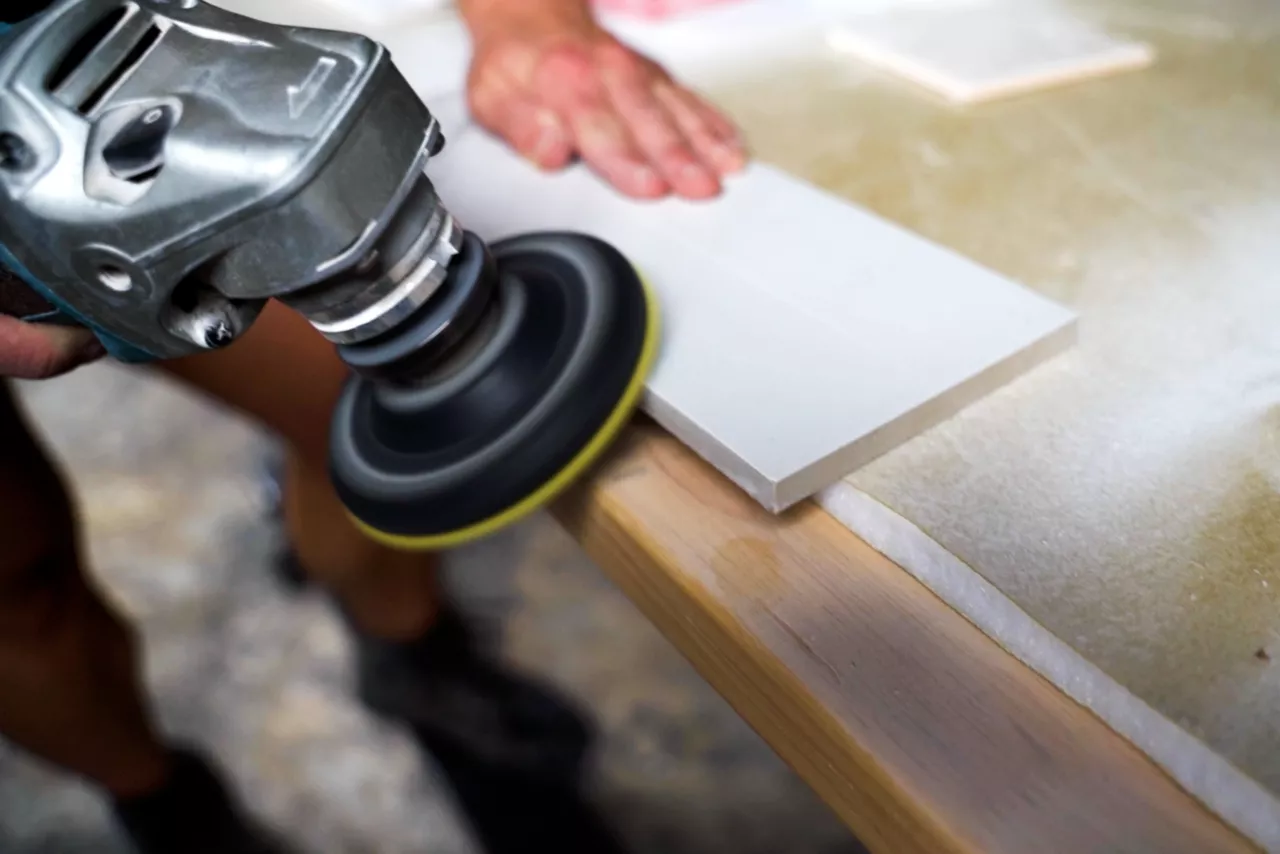
Accurate marking and measuring ensure straight cuts and less waste. Use the right tools to mark your tiles clearly.
| Tool | Purpose |
| Measuring Tape | Measure tile length and width |
| Pencil or Marker | Draw cutting lines on tiles |
| Square Ruler | Mark straight and right-angle lines |
| Masking Tape | Apply on tiles to help mark and reduce chipping |
Credit: www.tileshop.com
Proper Angle Grinder Techniques
Using an angle grinder to cut tiles needs careful handling. Proper technique helps you cut smoothly and safely.
Focus on how you hold the tool and how fast you cut. These details affect your results and safety.
Correct Grip And Positioning
Hold the angle grinder firmly with both hands. Keep your fingers wrapped around the handles. This gives you full control and reduces vibrations.
- Place your dominant hand on the main handle
- Use your other hand on the side handle for balance
- Keep your arms relaxed but steady
- Stand with feet shoulder-width apart for stability
- Position the tile on a stable surface before cutting
Optimal Cutting Speed And Pressure
Cut tiles at a steady speed. Do not push too hard or go too slow. The right balance prevents chipping and tool damage.
| Cutting Speed | Pressure | Result |
|---|---|---|
| Moderate | Light to medium | Clean cut without cracks |
| Too fast | High | Tile cracks or tool overheat |
| Too slow | Low | Rough edges and longer work time |
Cutting Different Types Of Tiles
Using an angle grinder for cutting tiles requires care and the right technique. Different tiles need different approaches. Safety gear is important for all types.
This guide covers how to cut ceramic, porcelain, and natural stone tiles with an angle grinder.
Ceramic Tiles
Ceramic tiles are easier to cut than other tiles. Use a diamond blade for smooth cuts. Mark the tile clearly before cutting. Hold the grinder firmly and cut slowly.
- Wear safety glasses and gloves.
- Use a steady hand to avoid cracks.
- Cut on the marked line for accuracy.
- Keep the grinder moving to avoid overheating.
Porcelain Tiles
Porcelain tiles are denser and harder than ceramic. Cutting them needs a stronger blade and slower speed. Water can help cool the blade and reduce dust.
| Blade Type | Cutting Speed | Cooling Method |
|---|---|---|
| Diamond blade | Slow | Water spray or wet cutting |
| Abrasive blade | Medium | Air cooling |
Natural Stone Tiles
Natural stone tiles vary in hardness. Marble cuts easier than granite. Use the correct blade for the stone type. Cutting slowly reduces chip and break risks.
Tips for cutting natural stone tiles:
- Choose a diamond blade designed for stone.
- Work in a well-ventilated area.
- Use water to cool the blade and reduce dust.
- Make shallow passes to avoid damage.
Handling Common Challenges
Using an angle grinder to cut tiles can be tricky. You might face problems like cracks, chips, dust, and debris.
This guide helps you handle these challenges safely and effectively. Follow simple tips to get clean cuts and keep your workspace tidy.
Avoiding Tile Cracks And Chips
Tiles can crack or chip if you cut too fast or press too hard. Using the right tools and technique helps prevent damage.
Use a diamond blade made for tiles and keep the grinder steady. Score the tile lightly first before cutting all the way through.
- Mark your cut line clearly with a pencil
- Start the grinder before touching the tile
- Cut slowly and let the blade do the work
- Hold the tile firmly but avoid bending it
- Use water or a wet sponge to cool the blade
Dealing With Dust And Debris
Cutting tiles with an angle grinder creates a lot of dust and small pieces. This dust can harm your lungs and make a mess.
Work in a well-ventilated area and wear a dust mask and safety goggles. Use water to reduce dust and clean up often.
- Wear protective gear like masks and goggles
- Use water spray to keep dust down
- Cut outdoors or near an open window
- Clear away debris regularly during work
- Vacuum or sweep the area after cutting
Maintaining Your Tools
Taking care of your angle grinder helps it last longer. Good maintenance keeps the tool safe and working well.
Cleaning and replacing parts regularly will improve your cutting results and protect your investment.
Cleaning The Angle Grinder
After each use, remove dust and debris from your angle grinder. This stops dirt from causing damage inside the tool.
- Unplug the grinder before cleaning.
- Use a dry cloth to wipe the outer parts.
- Blow compressed air into vents to clear dust.
- Check the power cord for cracks or damage.
- Keep the spindle and guard free of dirt.
Replacing Blades Safely
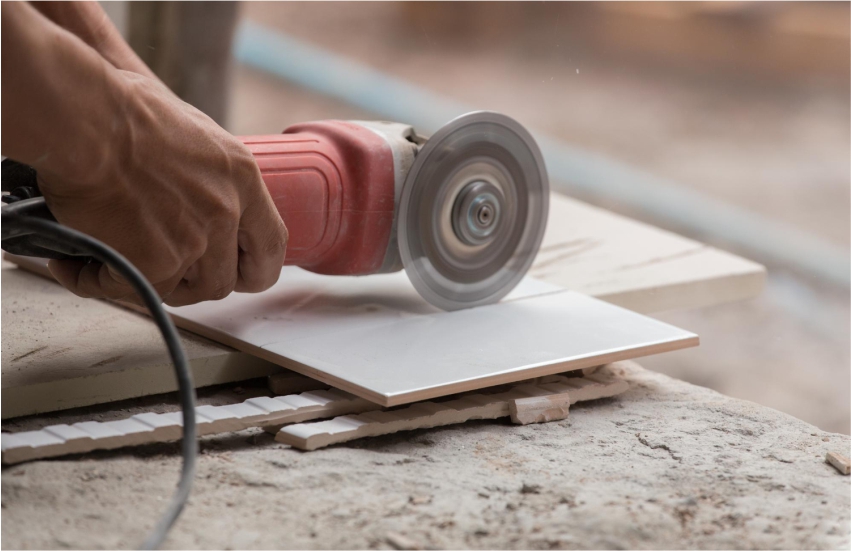
Always change blades when they show signs of wear or damage. Using a dull blade can be dangerous and damage tiles.
| Blade Type | When to Replace | Safety Tip |
|---|---|---|
| Diamond Blade | When cutting slows or edges become rough | Wear gloves and eye protection |
| Abrasive Blade | When cracks or chips appear | Disconnect power before changing |
| Cut-Off Wheel | When the wheel is warped or cracked | Secure the blade with the wrench before removal |
Credit: www.orientbell.com
Frequently Asked Questions
What Safety Gear Is Needed For Cutting Tiles With An Angle Grinder?
Always wear safety goggles, gloves, and a dust mask when cutting tiles. Use ear protection to reduce noise impact. Ensure proper ventilation to avoid inhaling dust. Wearing long sleeves and closed shoes adds extra protection during the cutting process.
Can An Angle Grinder Cut All Types Of Tiles?
An angle grinder can cut ceramic, porcelain, and stone tiles effectively. Use a diamond blade for harder materials like porcelain. Softer tiles may require less powerful blades. Always check the blade compatibility with your tile type before cutting.
How Do I Prevent Tiles From Cracking While Cutting?
Score the tile lightly before cutting to guide the blade. Use a slow, steady cutting motion without applying too much pressure. Support the tile firmly to reduce vibrations. Keep the blade cool by occasionally dipping it in water.
What Is The Best Angle Grinder Blade For Tile Cutting?
A diamond-tipped blade is ideal for cutting tiles with an angle grinder. It ensures clean cuts and longer blade life. Avoid using abrasive or metal-cutting blades as they can damage tiles and reduce cutting efficiency.
Conclusion
Using an angle grinder to cut tiles can be simple and effective. Always wear safety gear to protect yourself. Keep a steady hand and cut slowly for clean edges. Choose the right blade for the tile type. Practice on spare tiles before starting your project.
This tool saves time and effort when used correctly. Stay patient and work carefully for the best results. Now, you can confidently cut tiles with an angle grinder.