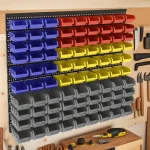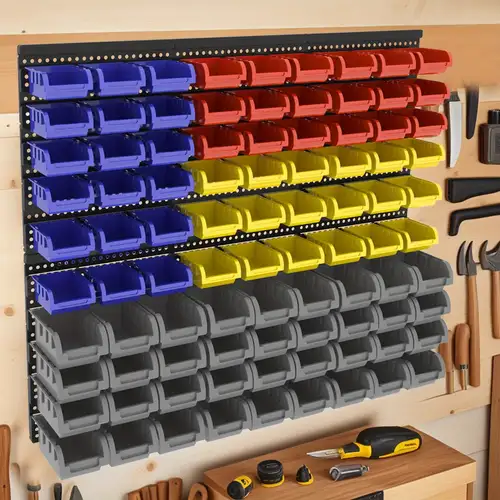
Are you tired of rummaging through cluttered toolboxes, searching for that one elusive screw or bolt? You’re not alone.
Disorganized hardware can turn a simple DIY project into a frustrating ordeal. But what if there was a straightforward way to keep every screw, bolt, and nut in its place, ready for whenever you need it? By using bins, you can transform your workspace into a model of efficiency and order.
Imagine the time you’ll save, the stress you’ll avoid, and the satisfaction you’ll feel when everything is perfectly organized. You’ll discover practical tips on how to use bins effectively to manage your screws and bolts, making sure that every project starts off on the right foot. Keep reading, and unlock the secret to a clutter-free, organized toolkit that will revolutionize how you tackle your home improvement tasks.
Credit: www.walmart.com
Choosing The Right Bins
Organizing screws and bolts makes your work faster and easier. Choosing the right bins helps keep everything neat and easy to find.
Good storage bins protect your items and save space. Think about the type, material, and size before buying bins.
Types Of Storage Bins
There are many types of storage bins for screws and bolts. Some have small compartments, while others are open trays or drawers.
- Compartment bins keep small items separated
- Drawer bins slide out for easy access
- Stackable bins save space and are easy to move
- Open bins let you grab items quickly
Material Considerations
Bins come in different materials like plastic, metal, and wood. Each material has benefits and limits.
- Plastic bins are lightweight and resist rust
- Metal bins are strong and last longer
- Wood bins look nice but may wear out faster
- Clear bins help you see the contents easily
Size And Capacity
Pick bin sizes based on the number and size of your screws and bolts. Too small bins fill up fast. Too big bins waste space.
Consider bins with adjustable compartments for mixed sizes. This helps keep small and large items organized together.
- Small bins for tiny screws and nuts
- Medium bins for standard bolts and screws
- Large bins for bulky or long items
- Bins with adjustable dividers offer flexibility
Sorting Screws And Bolts
Using bins to organize screws and bolts helps keep your workspace neat. It also makes finding the right fastener faster and easier.
Sorting screws and bolts by different features improves your workflow. You can sort by size, thread type, or material and finish.
Categorizing By Size
Sorting screws and bolts by size is the most common way to organize. Place small, medium, and large fasteners in separate bins. This saves time when you need a specific size.
- Sort by length
- Sort by diameter
- Label each bin clearly
- Use small containers for tiny screws
Separating By Thread Type
Screws and bolts come with different thread types. Sorting them by thread helps you pick the right fastener for your project.
| Thread Type | Description |
| Coarse Thread | Fewer threads per inch, good for wood |
| Fine Thread | More threads per inch, used for metal |
| Machine Thread | Uniform threads, for machines and tools |
| Self-tapping | Creates threads in soft materials |
Grouping By Material And Finish
Material and finish affect screw strength and rust resistance. Grouping by these factors helps protect your fasteners and find the right one.
- Steel:Strong but can rust if not coated.
- Stainless Steel:Rust-resistant and good for outdoor use.
- Brass:Corrosion resistant and decorative.
- Zinc-coated:Steel with a protective zinc layer.
Labeling And Identification
Organizing screws and bolts in bins helps keep your workspace tidy. Clear labeling makes finding the right parts faster and easier. Good labels prevent confusion and save time during projects.
This guide covers useful ways to label and identify your bins for screws and bolts. Follow these tips to improve your system.
Effective Labeling Techniques
Use clear and simple labels with the size and type of screws or bolts. Print labels or write neatly with a permanent marker. Avoid using abbreviations that may confuse others.
- Include size measurements like length and diameter
- Specify the thread type, such as coarse or fine
- Use easy-to-read fonts or handwriting
- Keep labels consistent across all bins
Using Color Codes
Color codes help you identify parts quickly by sight. Assign a color to each screw or bolt type and use matching colored labels or stickers. This method works well with many bins.
| Color | Type |
| Red | Wood Screws |
| Blue | Machine Screws |
| Green | Bolts |
| Yellow | Sheet Metal Screws |
Label Placement Tips
Place labels where you can see them easily without moving the bins. Front-facing labels on the bin lid or side work best. Make sure labels stick well and do not peel off.
- Attach labels at eye level for quick scanning
- Use waterproof or laminated labels to last longer
- Place labels on both the bin and its shelf spot
- Keep label size large enough to read from a distance
Maximizing Space Efficiency
Using bins to organize screws and bolts helps keep your workspace tidy. It also saves time when you need to find the right part quickly. Maximizing space efficiency means using every inch smartly.
This guide explains how to use stacking and nesting bins, utilize vertical space, and add custom inserts and dividers to organize small hardware.
Stacking And Nesting Bins
Stacking bins allow you to place one bin on top of another, saving floor or shelf space. Nesting bins fit inside each other when not in use. This helps keep your storage neat and flexible.
- Choose bins that lock securely when stacked.
- Use nesting bins to store extra bins compactly.
- Label each bin clearly for quick access.
- Keep frequently used bins on top for easy reach.
Utilizing Vertical Space
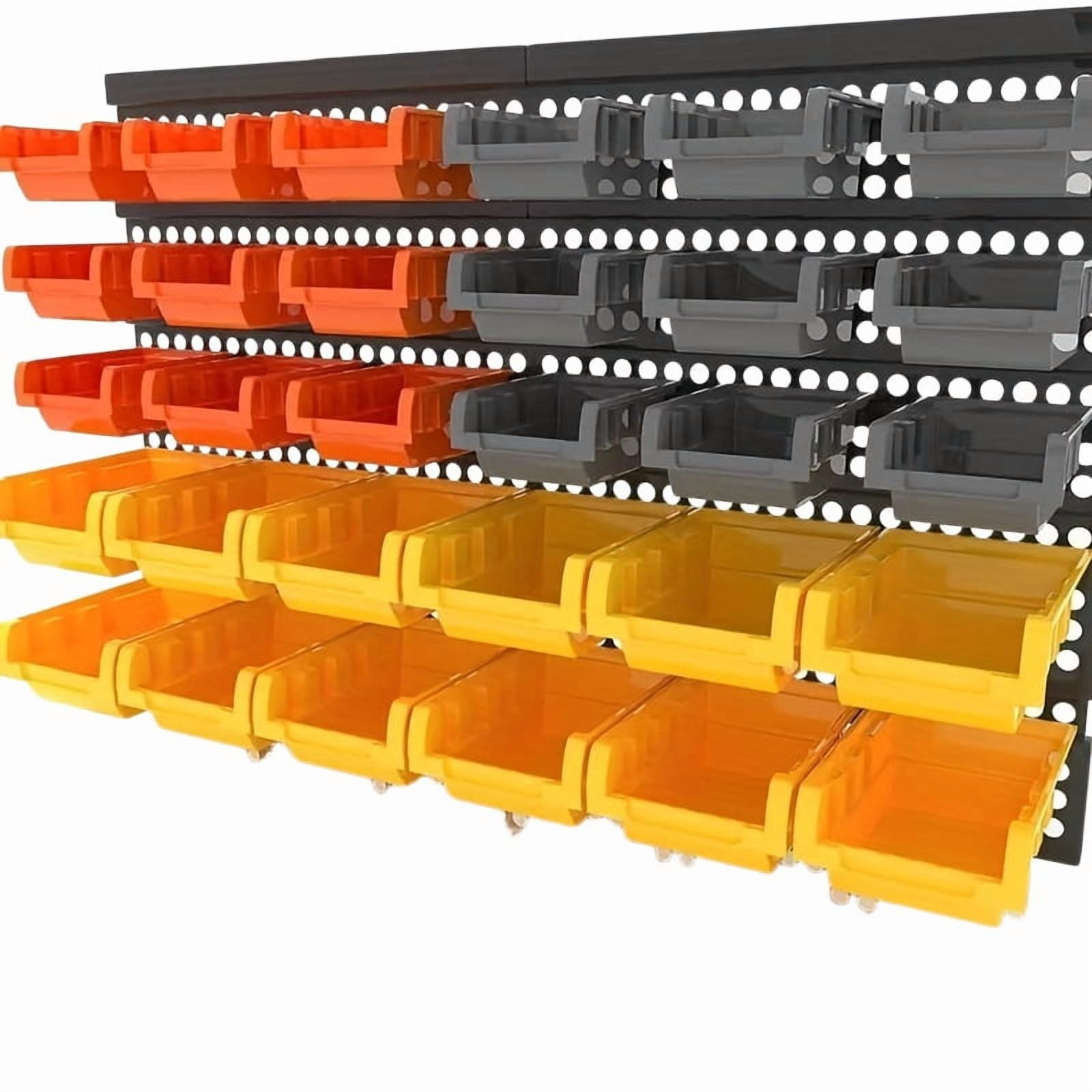
Vertical space is often unused in workshops. Use tall shelving or wall-mounted racks to hold bins. This keeps your screws and bolts organized without taking up floor space.
| Method | Benefit | Tip |
|---|---|---|
| Wall-mounted racks | Frees floor space | Mount at eye level for easy access |
| Tall shelving units | Stores many bins | Use adjustable shelves for different bin sizes |
| Overhead storage | Maximizes unused space | Secure bins to avoid falls |
Custom Inserts And Dividers
Custom inserts and dividers separate screws and bolts inside bins. This prevents parts from mixing and makes it easier to find what you need fast.
- Measure bin dimensions before buying inserts.
- Use adjustable dividers for different screw sizes.
- Consider foam inserts for delicate or small parts.
- Label each section clearly to speed up sorting.
Maintenance And Upkeep
Using bins to organize screws and bolts keeps your workspace tidy. Regular upkeep ensures the system works well over time.
Good maintenance helps you find items quickly and prevents damage or loss.
Regular Inventory Checks
Check your bins often to see what screws and bolts you have. This avoids running out of important items.
- Count screws and bolts in each bin
- Note any low stock levels
- Restock before supplies run out
- Keep a list of needed items for reordering
Cleaning And Dust Prevention
Dust and dirt can build up on bins and parts. Clean bins regularly to keep parts in good condition.
| Cleaning Task | Frequency |
| Wipe bin surfaces | Weekly |
| Remove and clean small parts | Monthly |
| Check for rust or dirt on screws/bolts | Monthly |
Replacing Damaged Bins
Bins can crack or break from use. Replace damaged bins quickly to avoid losing parts.
Signs to replace bins:
- Cracks or holes in the bin
- Broken lids or closures
- Bins that no longer hold parts securely

Credit: www.walmart.com
Tools And Accessories
Organizing screws and bolts helps keep your workspace clean. Using bins makes it easier to find what you need fast.
There are different tools and accessories to help you sort and store screws and bolts efficiently.
Screw And Bolt Organizers
Screw and bolt organizers have many small compartments. Each compartment holds different sizes or types.
These organizers keep parts separated and prevent them from mixing. They often have clear lids for easy viewing.
- Use labels to mark each compartment
- Choose organizers with adjustable dividers
- Stackable organizers save space
Magnetic Trays
Magnetic trays hold screws and bolts securely during work. They stick to metal surfaces to prevent loss.
These trays are handy when you need to move parts around your workspace. They keep small pieces from rolling away.
- Choose trays with strong magnets
- Use different trays for different projects
- Clean trays regularly to keep magnets strong
Portable Sorting Solutions
Portable sorting bins let you carry screws and bolts easily. They come with handles and secure lids.
These bins are good for transporting parts to different job sites or rooms. You can sort by size or project.
- Look for lightweight and durable bins
- Use color-coded bins for quick ID
- Pick bins with removable trays for flexibility

Credit: www.amazon.com
Frequently Asked Questions
What Are The Best Bins For Organizing Screws And Bolts?
Plastic bins with adjustable compartments are ideal. They keep screws and bolts separated and visible. Clear bins help quickly identify contents. Durable materials ensure long-lasting organization. Stackable designs save space in workshops or garages.
How To Label Bins For Screw And Bolt Storage?
Use waterproof labels or write on masking tape. Include size, type, and material information. Clear labeling speeds up finding the right fastener. Consistent labeling improves overall organization and efficiency. Consider color-coded labels for quick identification.
Can I Use Bins To Prevent Screw And Bolt Damage?
Yes, bins with soft dividers reduce metal scratching. Proper compartments prevent mixing different sizes or types. Organizing by size and type avoids damage during storage. Keep bins closed to prevent dust and moisture exposure.
How To Maintain Screw And Bolt Bins Regularly?
Check bins weekly for misplaced items. Clean compartments to remove dust and debris. Restock screws and bolts when running low. Rearrange items seasonally to match project needs. Regular maintenance keeps your workspace tidy and efficient.
Conclusion
Using bins helps keep screws and bolts neat and easy to find. Sort items by size, type, or project for quick access. Clear labels make storage simple and save time. Regularly check and refill bins to avoid running out. Organized bins reduce frustration and improve work efficiency.
Start small and build your system over time. Clean spaces create better focus and less clutter. Try using bins to make your workspace tidy today.