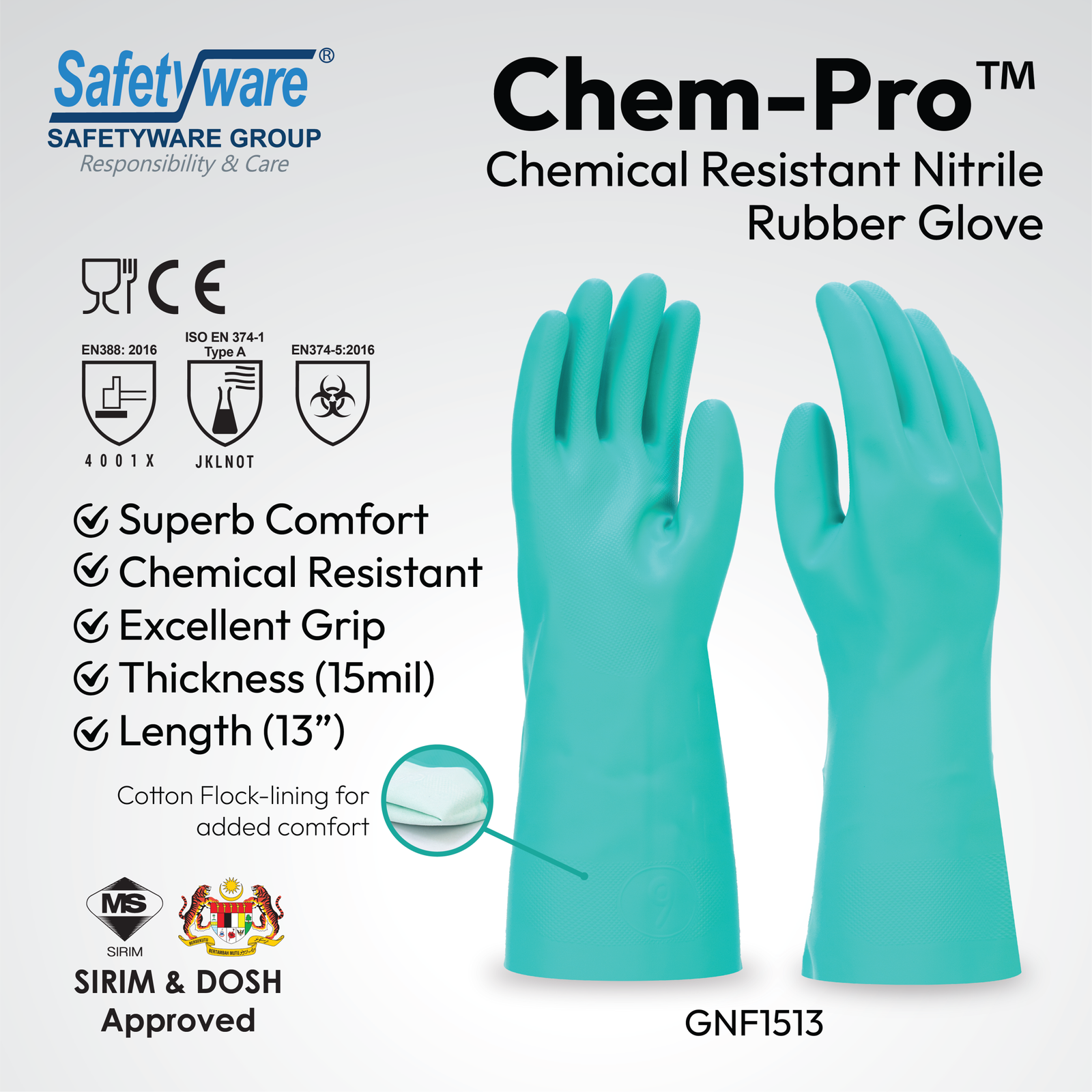
Imagine working with strong chemicals without worrying about your skin’s safety. Chemical-resistant gloves are your first line of defense in such situations.
But, do you know how to use them safely? Using these gloves correctly is crucial to protect yourself from harmful substances and avoid potential injuries. You’re about to discover simple yet essential tips to ensure your safety and keep your hands in top condition.
By the end of this article, you’ll feel confident every time you slip on your gloves, knowing you’re taking the right steps to safeguard your health. Ready to learn how? Let’s dive in!
Choosing The Right Gloves
Using the right chemical-resistant gloves keeps your hands safe. It is important to select gloves that fit well and match the chemicals you handle.
Different gloves protect against different chemicals. Understanding glove types, materials, and size helps you work safely.
Types Of Chemical-resistant Gloves
Gloves come in many types. Each type offers protection against certain chemicals. Common types include:
- Nitrile gloves: Good for oils and solvents
- Latex gloves: Flexible but less chemical resistant
- Neoprene gloves: Resist acids and bases
- Butyl gloves: Protect against gases and ketones
- PVC gloves: Resist acids and alkalis
Material Compatibility
Choose glove material based on the chemicals you use. Some materials break down quickly with certain chemicals.
| Chemical Type | Recommended Glove Material |
| Acids | Neoprene, PVC |
| Solvents | Nitrile, Butyl |
| Oils | Nitrile |
| Ketones | Butyl |
| Alkalis | PVC, Neoprene |
Size And Fit
Gloves must fit well. Too tight or loose gloves reduce protection and cause discomfort.
- Measure your hand width and length
- Try gloves on before use if possible
- Choose gloves that allow hand movement
- Replace gloves that tear or wear out

Credit: makesy.com
Inspecting Gloves Before Use
Using chemical-resistant gloves keeps your hands safe from harmful substances. Before wearing them, always check the gloves carefully. This helps prevent accidents and skin contact with chemicals.
Inspecting gloves before use is a simple step that protects you. Look for any signs of damage, check expiration dates, and make sure the gloves were stored properly.
Checking For Damage
Look closely at the gloves for holes, tears, or cracks. Even small damage can let chemicals reach your skin. Stretch the gloves gently to find hidden weak spots.
- Check fingers, palms, and seams for cuts or holes
- Feel for sticky or brittle areas that may show wear
- Discard gloves with any visible damage
Expiration Dates
Chemical-resistant gloves have expiration dates. Over time, materials break down and lose protection. Always check the date on the package or glove itself before use.
Do not use gloves past their expiration date. Old gloves may tear more easily and fail to protect your hands.
Proper Storage Effects
How you store gloves affects their strength. Keep gloves in a cool, dry place away from sunlight. Heat and light can damage glove material.
Avoid storing gloves near sharp objects or chemicals that can harm them. Proper storage helps gloves last longer and stay safe to use.
Proper Glove Usage
Chemical-resistant gloves protect your hands from harmful substances. Using them correctly keeps you safe. Learn how to wear and handle gloves properly.
Follow simple rules to avoid accidents and keep gloves effective. Careful use helps prevent contamination and injury.
Correct Wearing Techniques
Wear gloves that fit well and cover your wrists fully. Check gloves for holes or tears before use. Make sure your hands are clean and dry before putting them on.
- Choose the right glove size for your hand
- Inspect gloves for damage before use
- Put gloves on carefully without touching the outside
- Pull gloves over your wrists for full protection
- Avoid touching your face or other surfaces unnecessarily
Avoiding Cross-contamination
Cross-contamination spreads chemicals or germs from one place to another. Always remove gloves before touching clean areas or your face. Use different gloves for different tasks.
| Task | Glove Use |
| Handling chemicals | Use chemical-resistant gloves only |
| Cleaning surfaces | Use fresh gloves to avoid spreading chemicals |
| Touching tools or equipment | Wear gloves clean of chemical residues |
| Taking breaks or eating | Remove gloves completely |
Replacing Gloves Timely
Gloves lose protection after damage or long use. Change gloves if torn, punctured, or contaminated. Replace gloves between different tasks.
- Check gloves often for signs of wear
- Remove gloves if chemicals leak through
- Dispose of used gloves safely
- Put on new gloves before starting a new task
- Never reuse disposable gloves

Credit: www.polycohealthline.com
Handling Chemicals Safely
Using chemical-resistant gloves helps protect your hands from harm. Proper handling of chemicals reduces risks of accidents. Always follow safety steps when working with chemicals.
Wear gloves made for the chemicals you use. Check gloves for damage before each use. Keep your work area clean and organized.
Safe Chemical Transfer
Move chemicals carefully to avoid spills or splashes. Use containers that are easy to pour from and fit well in your hands. Do not rush when transferring chemicals.
- Use funnels or pumps to control flow
- Keep containers close to the receiving vessel
- Pour slowly and steadily
- Wear gloves and eye protection
- Work in a well-ventilated area
Avoiding Skin Contact
Skin contact with chemicals can cause irritation or burns. Always wear chemical-resistant gloves and protective clothing. Avoid touching your face or other skin areas while handling chemicals.
| Precaution | Reason |
| Wear gloves | Protect hands from chemical burns |
| Use long sleeves | Cover exposed skin |
| Do not rub eyes | Prevent chemical irritation |
| Wash hands after use | Remove any chemical residue |
Dealing With Spills
Spills must be cleaned up quickly and safely. Use proper tools and wear gloves during cleanup. Follow your workplace’s spill response plan.
Steps to clean a chemical spill:
- Alert others and secure the area
- Wear chemical-resistant gloves and safety goggles
- Use absorbent materials to soak up the spill
- Dispose of waste in approved containers
- Wash the spill area with water if safe
Glove Removal And Disposal
Using chemical-resistant gloves protects your hands from harmful substances. Removing and disposing of gloves correctly keeps you safe from contamination.
Follow these steps to remove gloves safely, dispose of them properly, and clean your hands after use.
Safe Removal Methods
Remove gloves without touching the outside surface. This prevents chemicals from contacting your skin or clothes.
- Pinch the outside of one glove near the wrist without touching your skin.
- Peel the glove away, turning it inside out as you remove it.
- Hold the removed glove in your gloved hand.
- Slide fingers of your bare hand under the wrist of the remaining glove.
- Peel off the second glove, turning it inside out and enclosing the first glove.
- Dispose of gloves immediately after removal.
Disposal Guidelines
Dispose of used gloves in a way that avoids chemical exposure to others and the environment.
| Disposal Method | Details |
|---|---|
| Seal in a Plastic Bag | Place gloves in a sealed bag to contain chemicals and prevent leaks. |
| Follow Local Rules | Dispose according to local hazardous waste regulations. |
| Avoid Trash Bins | Do not throw chemical gloves in regular trash unless allowed. |
| Label Waste | Mark bags if gloves contain harmful substances. |
Post-use Hand Hygiene
Cleaning your hands after glove removal removes any contamination that may remain.
- Wash hands with soap and water for at least 20 seconds.
- Use hand sanitizer if soap and water are not available.
- Dry hands thoroughly with a clean towel or air dryer.
- Inspect hands for cuts or irritation and treat if needed.

Credit: estore.excia.com.my
Training And Awareness
Using chemical-resistant gloves safely needs proper training and awareness. Workers must know how to handle gloves to protect their hands.
Training helps employees understand risks and the right safety steps. Awareness keeps everyone alert to dangers.
Employee Safety Training
Train employees on the correct use of chemical-resistant gloves. Show them how to put on and take off gloves safely.
Explain glove types and which chemicals they protect against. Teach how to check gloves for damage before use.
- Wear gloves that fit well
- Inspect gloves for holes or tears
- Replace gloves after contamination or damage
- Store gloves away from sunlight and heat
Recognizing Chemical Hazards
Teach workers to identify chemical hazards in their workspace. Help them understand warning labels and safety data sheets.
Show which chemicals need special gloves. Explain signs of exposure like skin irritation or burns.
- Know the chemicals used in your area
- Read labels and hazard signs carefully
- Watch for spills and leaks
- Report unsafe conditions immediately
Emergency Procedures
Train employees on what to do in case of chemical spills or glove failure. Clear steps help reduce injury.
Explain how to remove gloves safely if contaminated. Teach how to get medical help quickly if chemicals touch skin.
- Leave the contaminated area immediately
- Remove gloves without touching skin
- Rinse exposed skin with water for 15 minutes
- Report the incident to a supervisor
- Seek medical attention if needed
Frequently Asked Questions
What Types Of Chemicals Require Resistant Gloves?
Chemical-resistant gloves are essential when handling acids, solvents, oils, and hazardous substances. Always check glove compatibility with specific chemicals to ensure safety and prevent skin damage.
How Do I Choose The Right Chemical-resistant Gloves?
Select gloves based on chemical type, exposure duration, and glove material. Review manufacturer guidelines and safety data sheets to ensure maximum protection and durability.
How Should I Properly Wear Chemical-resistant Gloves?
Ensure gloves fit snugly without being tight. Inspect for tears or defects before use. Always wear clean gloves and avoid touching your face or personal items.
Can I Reuse Chemical-resistant Gloves Safely?
Reuse only if gloves remain intact and uncontaminated. Clean according to manufacturer instructions. When gloves show signs of wear, replace immediately for optimal safety.
Conclusion
Using chemical-resistant gloves protects your hands from harm. Always choose the right gloves for the chemicals you handle. Check gloves for damage before every use. Clean and store them properly after work. Replace gloves if they show signs of wear.
Follow safety rules to avoid accidents. Keep your hands safe to work with confidence. Safety starts with small, smart steps every day. Stay careful and protect yourself well.