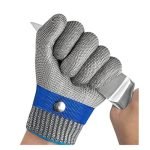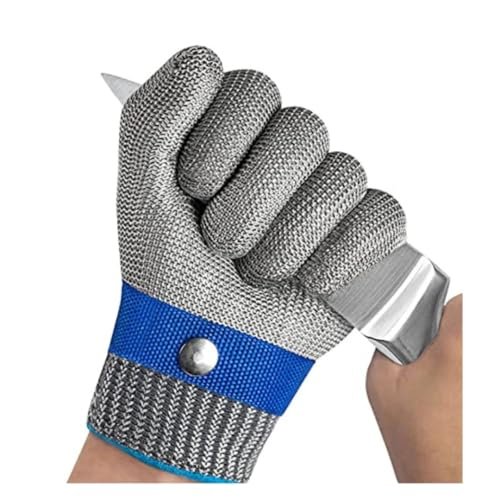
When working with metal, your hands face a real risk of cuts and injuries. You might think a regular glove is enough, but it often isn’t.
That’s where cut-resistant gloves come in—they are designed to protect you from sharp edges and unexpected accidents. If you want to keep your hands safe and still work efficiently, learning how to use these gloves correctly is a must. You’ll discover simple, practical tips that will help you get the most out of your cut-resistant gloves and keep your metal projects safe and stress-free.
Keep reading to protect your hands and boost your confidence on every job.

Credit: bunzlprocessor.com
Choosing The Right Gloves
Using cut-resistant gloves is key for safety in metal projects. Picking the right gloves protects your hands from sharp edges and tools.
Focus on material, rating, and fit to ensure the gloves work well and feel comfortable.
Material Types
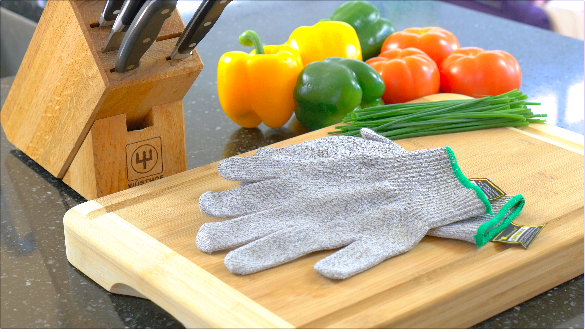
Gloves come in many materials like Kevlar, stainless steel mesh, and high-performance polyethylene. Each type offers different cut resistance and flexibility.
- Kevlar:Light and flexible, good for moderate cuts.
- Stainless Steel Mesh:Very strong, best for heavy-duty cutting.
- High-Performance Polyethylene (HPPE):Lightweight and good for precision work.
Glove Ratings And Standards
Look for gloves tested and rated by standards like ANSI or EN388. These ratings show how well gloves protect against cuts.
| Standard | Description | Rating Scale |
| ANSI/ISEA 105 | Cut resistance in the USA | 0 to 5 (higher is better) |
| EN388 | European cut protection test | Levels A to F (F is highest) |
Size And Fit Considerations
Proper size and fit let you move easily and keep control. Gloves too big or too small reduce protection and comfort.
- Measure your hand width and length before buying.
- Try gloves on if possible to check for tightness or looseness.
- Choose gloves that allow finger movement without slipping.
Credit: workglovesdepot.com
Preparing For Metal Work
Working with metal can be dangerous without the right safety gear. Cut-resistant gloves protect your hands from sharp edges and tools. Before starting, it is important to prepare properly.
Preparation helps prevent injuries and makes your work easier. Pay attention to your gloves and workspace for the best results.
Inspecting Gloves Before Use
Always check your gloves before using them. Look for holes, tears, or worn spots that reduce protection. Gloves with damage can cause accidents.
Make sure the gloves fit well and feel comfortable. Loose gloves can catch on tools. Tight gloves may limit hand movement.
- Check for cuts or holes in the fabric
- Look for signs of wear on the fingertips and palm
- Ensure the gloves fit your hands properly
- Replace gloves if they show any damage
Setting Up A Safe Workspace
Prepare your work area before handling metal. Keep your workspace clean and clear of clutter. This reduces the chance of accidents.
Organize tools and materials within easy reach. Use proper lighting to see your work clearly. Good lighting helps avoid mistakes.
- Clear the workbench of unnecessary items
- Arrange tools in an orderly way
- Use bright, even lighting
- Keep a first aid kit nearby
Proper Glove Wearing Techniques
Using cut-resistant gloves correctly is important for safety in metal projects. Proper wearing helps protect your hands and improves your work. Follow simple tips to wear and use gloves well.
Learn how to put on and take off gloves safely. Also, find out how to keep your grip and finger movement sharp while wearing them.
Donning And Removing Gloves
Put on gloves carefully to avoid damage and keep them clean. Removing gloves the right way stops dirt and sharp metal bits from touching your skin.
- Wash and dry your hands before putting gloves on.
- Check gloves for tears or holes before use.
- Slide your hand into the glove without forcing it.
- Adjust gloves to fit snugly but not too tight.
- To remove, pinch the outside of one glove near the wrist.
- Pull it off inside out without touching the outer surface.
- Use the gloved hand to remove the second glove the same way.
- Dispose of or clean gloves as recommended.
Maintaining Dexterity And Grip
Good dexterity and grip keep your hands safe and help you work well. Choose gloves that match your hand size and task needs.
| Tip | How It Helps |
| Choose the right glove size | Prevents slipping and improves control |
| Keep gloves clean and dry | Maintains grip and comfort |
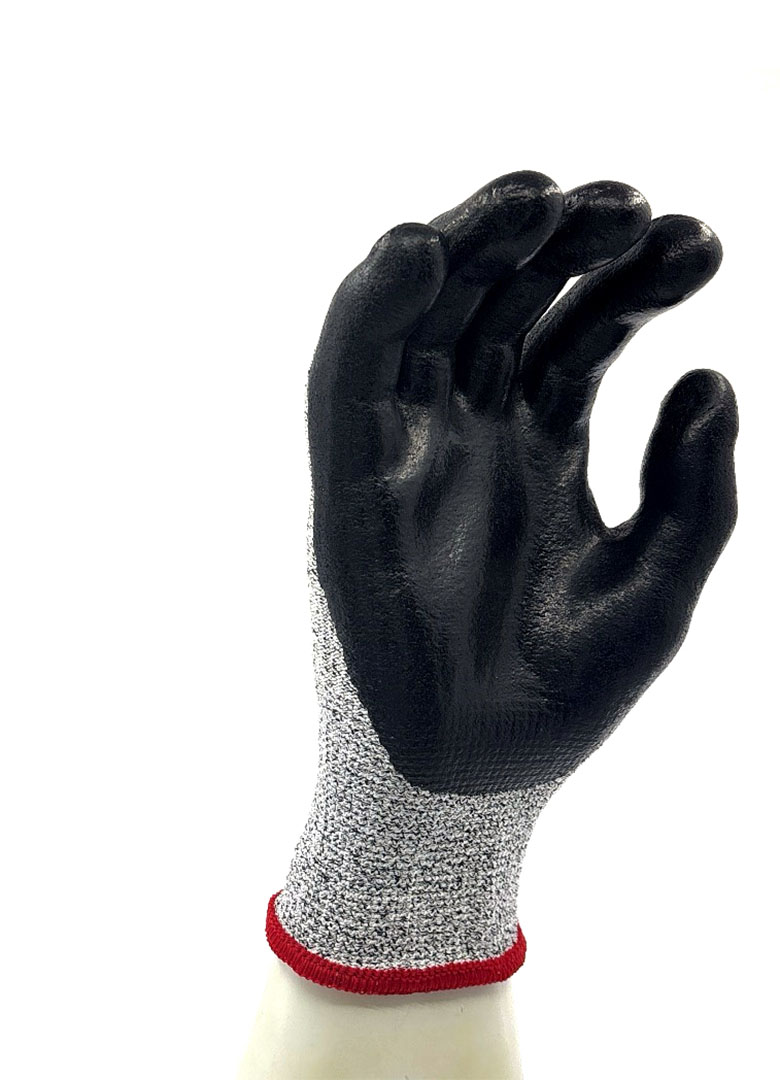
| Use gloves with textured surfaces | Enhances holding power on metal pieces |
| Avoid wearing damaged gloves | Maintains protection and grip strength |
Using Gloves During Metal Projects
Cut-resistant gloves protect your hands during metal work. They reduce injuries from sharp edges and tools.
Wearing the right gloves helps you work safely and comfortably on metal projects every time.
Handling Sharp Edges Safely
Metal often has sharp edges that can cut skin easily. Gloves with cut resistance give a strong barrier.
- Choose gloves rated for the sharpness of your metal.
- Always inspect gloves before use for tears or holes.
- Handle metal slowly and carefully to avoid slips.
- Keep your gloves clean to maintain protection.
Working With Power Tools
Power tools can cause serious hand injuries. Cut-resistant gloves add safety but do not replace caution.
| Tool Type | Recommended Glove Feature |
| Angle Grinder | High cut resistance, heat resistant |
| Metal Shears | Flexible, cut resistant |
| Drill | Good grip, cut resistant |
| Welding Torch | Heat resistant, cut resistant |
Avoiding Common Hazards
Gloves help avoid cuts but some risks still exist. Follow safety rules to prevent accidents.
- Do not wear gloves near rotating machinery if caught risks exist.
- Replace gloves immediately if damaged.
- Keep hands dry; wet gloves lose protection.
- Store gloves in a clean, dry place.
Caring For Cut-resistant Gloves
Cut-resistant gloves protect your hands during metal work. Proper care keeps them effective and safe.
Learn how to clean, store, and know when to replace your gloves for the best protection.
Cleaning Methods
Clean your gloves after each use to remove dirt and metal particles. Use mild soap and cold water.
- Hand wash gently to avoid damage.
- Do not use bleach or harsh chemicals.
- Rinse well and air dry away from direct heat.
Storage Tips
Store gloves in a cool, dry place. Avoid sunlight and moisture to prevent material breakdown.
| Storage Condition | Reason |
|---|---|
| Cool temperature | Prevents glove material from weakening |
| Dry place | Stops mold and mildew growth |
| Away from sunlight | Protects from UV damage |
When To Replace Gloves
Replace gloves if you see cuts, holes, or thinning fabric. Damaged gloves do not protect well.
- Check gloves before each use.
- Replace immediately if damaged.
- Do not use gloves past their lifespan stated by the manufacturer.
Credit: www.bobdalegloves.com
Enhancing Safety Measures
Using cut-resistant gloves is vital for metal projects. They help protect your hands from sharp edges and reduce injury risk.
Safety improves when gloves are part of a larger personal protective equipment plan. Knowing how to combine gloves with other gear keeps you safer.
Combining Gloves With Other Ppe
Wearing cut-resistant gloves alone is not enough. Combine them with other PPE to protect your entire body during metalwork.
- Wear safety goggles to protect your eyes from flying metal shards.
- Use a face shield for extra face protection during grinding or cutting.
- Wear long sleeves and durable aprons to shield your arms and torso.
- Use steel-toed boots to protect feet from heavy falling objects.
- Wear ear protection to reduce noise from loud metalworking tools.
Training And Best Practices
Training workers on proper glove use helps prevent accidents. Knowing when and how to use cut-resistant gloves is key.
| Best Practice | Description |
| Inspect Gloves | Check for tears or damage before each use. |
| Choose Right Gloves | Pick gloves rated for the specific metalwork tasks. |
| Proper Fit | Ensure gloves fit well to maintain dexterity and safety. |
| Replace Regularly | Change gloves after heavy use or when damaged. |
| Follow Safety Rules | Wear gloves with other PPE and follow workplace safety policies. |
Frequently Asked Questions
What Are Cut-resistant Gloves Used For?
Cut-resistant gloves are designed to protect hands from sharp objects. They are essential in metal projects to prevent cuts and injuries. These gloves provide a barrier against blades, sharp metal edges, and other hazards. Using them enhances safety and boosts confidence while working on metal projects.
How Do Cut-resistant Gloves Work?
Cut-resistant gloves work by incorporating high-strength materials like Kevlar or Dyneema. These fibers are woven tightly to resist cuts and abrasions. The gloves’ design allows flexibility while providing protection. They are graded by cut resistance levels, helping users choose the right pair for specific tasks.
Can Cut-resistant Gloves Prevent All Injuries?
Cut-resistant gloves significantly reduce the risk of cuts but don’t prevent all injuries. They are effective against sharp edges but not against crushing or puncture injuries. Proper usage and choosing the correct level of protection are crucial. Always combine gloves with other safety measures for maximum protection.
Are Cut-resistant Gloves Comfortable To Wear?
Modern cut-resistant gloves are designed for comfort and flexibility. They are lightweight and allow good dexterity for handling tools. Breathable materials are often used to keep hands cool during extended use. Choose the right size and fit to ensure maximum comfort and protection.
Conclusion
Using cut-resistant gloves keeps your hands safe during metal work. They help prevent cuts and injuries effectively. Always choose gloves that fit well and feel comfortable. Inspect gloves before each use for any damage or wear. Proper care extends the life of your gloves.
Stay focused and work carefully for better results. Safety should always come first in metal projects. Protect your hands to enjoy your work without worry. Simple steps make a big difference in hand safety. Keep these tips in mind for every metal task.