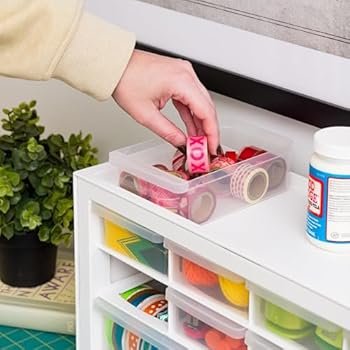
Are your small tools scattered everywhere, making it hard to find what you need when you need it? Imagine opening a drawer where every screwdriver, wrench, and nail has its own perfect spot.
Using drawer organizers can turn your cluttered mess into a neat, easy-to-navigate system. You’ll discover simple, effective ways to use drawer organizers that save you time and reduce frustration. Ready to transform your workspace and keep your tools at your fingertips?
Let’s dive in!
Benefits Of Drawer Organizers
Drawer organizers help you keep small tools in order. They make it easy to find what you need quickly.
Using organizers protects your tools and keeps your workspace neat. This saves you time and effort daily.
Save Time Finding Tools
Drawer organizers separate tools into sections. You can see all tools at a glance. This stops you from searching through clutter.
Organizing tools by type or size means you get the right tool fast. This saves time and helps you finish jobs quicker.
- Sort screwdrivers, pliers, and wrenches separately
- Use small compartments for nails and screws
- Label sections for easy identification
Protect Tools From Damage
Drawer organizers keep tools from banging into each other. This reduces scratches and breaks. Your tools stay in good shape longer.
Soft inserts or foam organizers add extra protection. They hold each tool securely and reduce movement inside the drawer.
- Prevent rust by keeping tools dry and separated
- Use cushioned dividers to avoid dents
- Store sharp tools safely to protect yourself
Keep Workspaces Tidy
Organizers create a place for every tool. This stops tools from piling up on workbenches. A tidy space helps you work better.
Clean workspaces reduce accidents and improve safety. When tools are stored properly, your area looks professional and inviting.
- Clear clutter by returning tools to drawers
- Use stackable organizers to save space
- Maintain order by organizing regularly

Credit: www.amazon.ca
Choosing The Right Organizer
Drawer organizers help keep small tools neat and easy to find. Picking the right organizer makes your workspace tidy.
Consider the material, size, and divider type when choosing an organizer. These factors affect how well it fits your needs.
Material Options
Organizers come in different materials like plastic, wood, and metal. Each has its own benefits and drawbacks.
Plastic is lightweight and easy to clean. Wood looks nice but can be heavier. Metal is very strong but may scratch tools.
- Plastic: Lightweight, affordable, easy to clean
- Wood: Durable, stylish, heavier
- Metal: Strong, long-lasting, can scratch
Size And Compartments
Measure your drawer before buying an organizer. The right size fits well and saves space.
Look at how many compartments the organizer has. More compartments help separate small tools better.
- Small organizers fit tiny drawers
- Large organizers hold more tools
- Multiple compartments keep tools sorted
Adjustable Vs Fixed Dividers
Some organizers have fixed dividers that do not move. Others let you change the size of compartments.
Adjustable dividers give flexibility for different tool sizes. Fixed dividers are usually stronger and more stable.
- Adjustable dividers: Customizable, flexible layout
- Fixed dividers: Strong, stable, simple design
Preparing Drawers For Organizers
Organizing small tools starts with preparing your drawers well. Clean and empty drawers give you a fresh space to work with.
Measuring the drawer and removing unneeded items helps you choose the right organizers. This makes your tools easy to find and keeps the drawer neat.
Empty And Clean Drawers
Take everything out of the drawer before organizing. This shows you how much space you have and allows for a proper clean.
Use a damp cloth to wipe the drawer inside. Remove dust, dirt, and crumbs to make the surface smooth and clean.
Measure Drawer Dimensions
Measure the width, depth, and height of your drawer. This will help you pick organizers that fit perfectly inside.
| Dimension | Measurement |
| Width | _____ inches/cm |
| Depth | _____ inches/cm |
| Height | _____ inches/cm |
Remove Unnecessary Items
Sort through your tools and remove items you do not use. Keeping only what you need frees up space and reduces clutter.
- Throw away broken or worn tools
- Donate duplicates or extras
- Store rarely used items elsewhere
Organizing Small Tools Effectively
Small tools can easily get lost or tangled in a drawer. Using drawer organizers helps keep them neat and easy to find. It saves time and reduces frustration.
Organizing tools in a drawer also protects them from damage. A well-arranged drawer looks tidy and makes your workspace more efficient.
Group Tools By Type
Sort your small tools by their type before placing them in the drawer. Keep similar tools together for easy access. For example, group screwdrivers, pliers, and wrenches separately.
This method helps you find tools quickly and know where to return them. It also prevents clutter and mixed-up items.
- Separate screwdrivers by size
- Keep pliers in one section
- Store measuring tools together
- Group fasteners like nails and screws
Use Foam Inserts For Fragile Items
Fragile tools need extra protection in your drawer. Foam inserts cushion these items and keep them from moving around. This reduces damage and wear.
You can cut foam pieces to fit each tool perfectly. This keeps everything secure and easy to spot at a glance.
- Use soft foam to prevent scratches
- Cut slots for each tool shape
- Layer foam for extra padding
- Replace foam if it gets worn out
Label Compartments
Labeling each compartment helps you find tools faster. It also reminds you where each tool belongs. Use simple labels that are easy to read.
Labels keep your drawer organized over time. Anyone can use the drawer without confusion.
- Use printed or handwritten labels
- Place labels on the front edge of compartments
- Use clear font and contrasting colors
- Update labels when you change tools
Maximizing Vertical Space
Using drawer organizers helps keep small tools tidy and easy to find. Maximizing vertical space in drawers allows you to store more items without clutter.
With smart organizing, you can use every inch of drawer height. This keeps tools accessible and protects them from damage.
Stackable Organizers
Stackable organizers let you build layers in your drawer. These layers create extra storage by using vertical space efficiently.
- Choose organizers that fit your drawer size.
- Use clear or labeled containers for easy identification.
- Stack organizers with different heights for various tools.
- Keep heavier tools on the bottom layers for stability.
- Use small trays on top for screws and nails.
Using Drawer Dividers Vertically
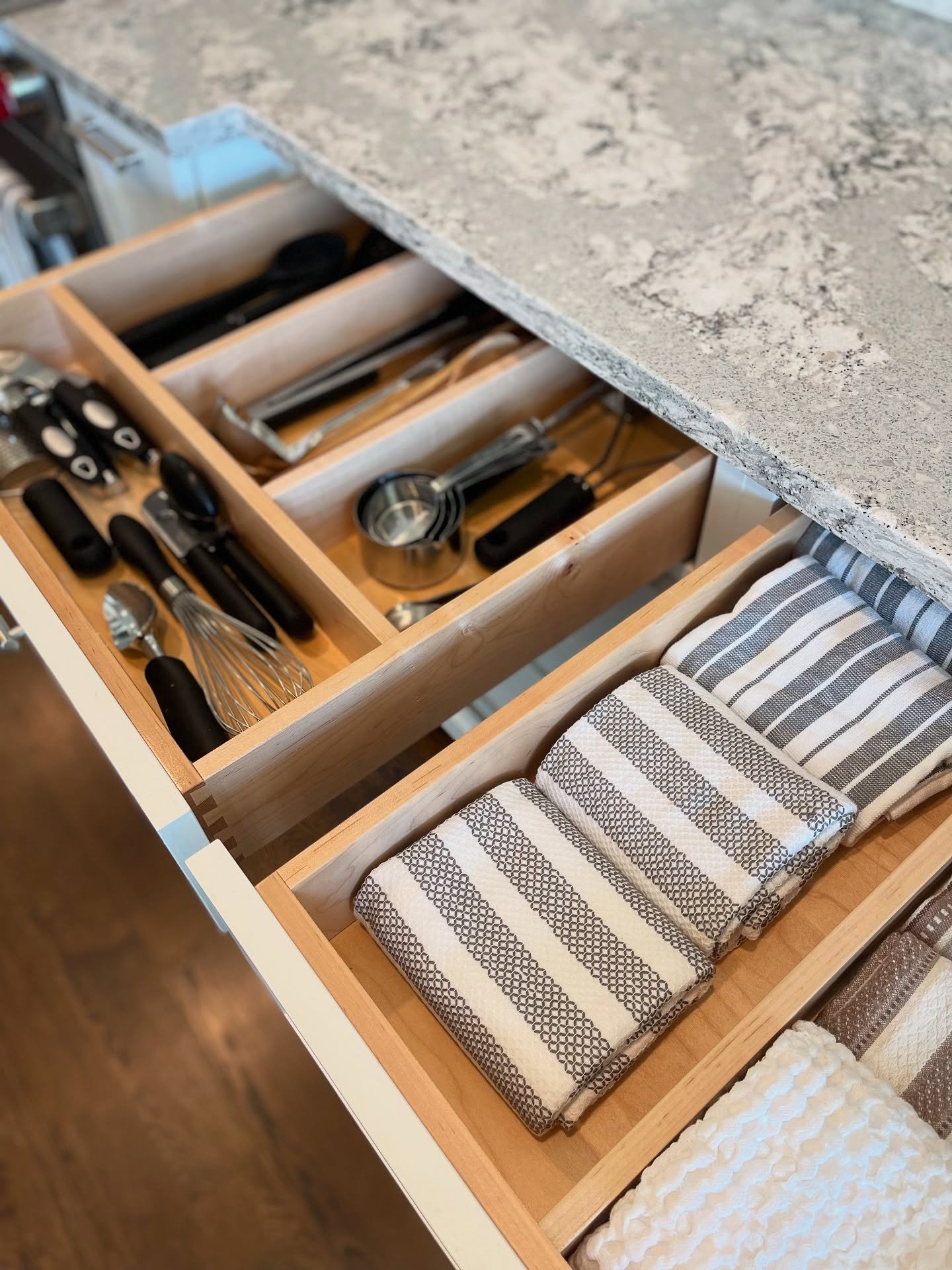
Vertical drawer dividers create tall sections inside your drawer. They hold tools upright, saving horizontal space.
| Tool Type | Divider Height | Benefit |
| Screwdrivers | 4 inches | Easy to grab handles |
| Pliers | 5 inches | Prevent tangling |
| Wrenches | 3 inches | Keep sizes separated |
| Paint Brushes | 6 inches | Protect bristles |
Credit: www.thejoyfulsort.com
Maintaining Organized Drawers
Keeping your small tools drawer neat saves time and stress. Drawer organizers help separate items so you can find them fast.
Regular care keeps your tools easy to access and prevents clutter from building up again.
Regularly Declutter
Take time often to remove tools you no longer use. This stops your drawer from becoming overcrowded.
- Empty the drawer completely.
- Sort tools by type and size.
- Throw away broken or duplicate items.
- Clean the drawer before returning tools.
- Put back only what you need regularly.
Rearrange As Needed
Adjust your organizer compartments if tools don’t fit well or are hard to reach. Change the layout to fit your habits.
| Reason to Rearrange | Action |
| Too many tools in one section | Split section into smaller parts |
| Hard to find frequently used tools | Move them to the front or top |
| New tools added | Create space by removing unused items |
| Tools shifting inside drawer | Add dividers or liners for stability |
Diy Drawer Organizer Ideas
Small tools can easily clutter drawers and make it hard to find what you need. Using drawer organizers helps keep tools tidy and accessible.
You can create your own organizers with simple materials at home. This guide shows easy ideas to organize small tools effectively.
Repurposed Household Items
Look around your house for items you no longer need. These can be used to build drawer organizers without extra cost.
- Use empty egg cartons to separate screws and nails.
- Cut plastic containers to fit your drawer and hold small parts.
- Old muffin tins work well for sorting tiny tools or bits.
- Use cardboard pieces to create dividers for larger tools.
- Stack small jars inside drawers to keep bolts and washers visible.
Custom Foam Cutouts
Foam cutouts hold tools snugly and protect them from damage. You can customize foam inserts to fit your tools perfectly.
| Material | Use | Benefit |
| High-density foam | Cut to tool shape | Keeps tools secure and easy to find |
| Layered foam sheets | Stack and cut slots | Adjustable depth for different tool sizes |
| Adhesive foam | Stick to drawer base | Prevents tools from sliding |

Credit: www.amazon.ca
Frequently Asked Questions
How Do Drawer Organizers Help With Small Tools?
Drawer organizers keep small tools neatly arranged and easy to find. They prevent clutter and save time searching. Organizers maximize space by utilizing compartments, ensuring every tool has its place. This efficiency enhances productivity and prolongs the life of your tools by preventing unnecessary wear and tear.
What Materials Are Best For Tool Organizers?
Tool organizers come in plastic, metal, and wood. Plastic is lightweight and affordable, ideal for casual use. Metal provides durability and is best for heavy-duty tools. Wood offers a classic look and is sturdy. Choose based on durability needs and aesthetic preferences to suit your workspace.
Can Drawer Organizers Fit All Tool Sizes?
Drawer organizers come in various sizes and configurations. Most can fit small to medium-sized tools. For larger tools, customizable or adjustable organizers are ideal. Measure your drawers and tools beforehand to ensure a perfect fit. This ensures optimal use of space and prevents overcrowding.
Are Adjustable Organizers Worth It?
Adjustable organizers offer flexibility in accommodating different tool sizes. They are ideal for evolving tool collections. Adjustability ensures efficient use of drawer space, adapting to your needs. While they might be slightly pricier, their versatility and ability to maximize organization make them worthwhile investments.
Conclusion
Using drawer organizers keeps small tools tidy and easy to find. It saves time and reduces frustration during projects. Choose organizers that fit your drawer size and tool types. Separate tools by function or size for quick access. Regularly clean and rearrange your drawers to maintain order.
A neat workspace helps you work faster and with less stress. Organizers make small tools more useful and your space more pleasant. Try different layouts to see what works best for you. Simple steps lead to a clutter-free and efficient tool drawer.