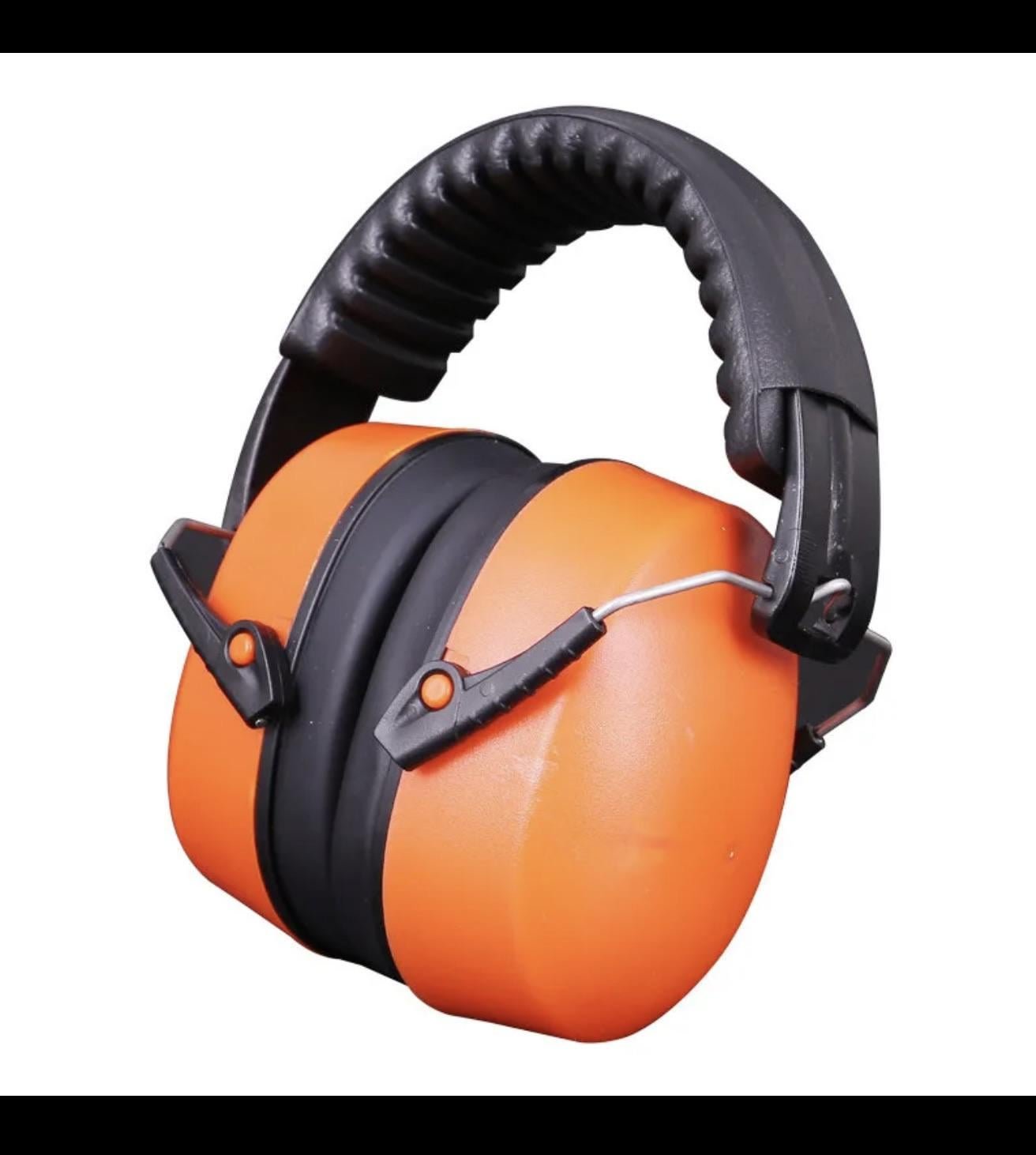
When you’re drilling or sawing, loud noise isn’t just annoying—it can damage your hearing. Using ear muffs is one of the easiest ways to protect your ears, but only if you use them the right way.
You might think putting them on is enough, but there’s more to it. You’ll discover simple steps to get the most out of your ear muffs, keeping your hearing safe and making your work more comfortable. Keep reading, and you’ll learn how to protect your ears like a pro every time you pick up your tools.
Choosing The Right Ear Muffs
Using ear muffs while drilling and sawing protects your hearing. Picking the right ear muffs is important for safety and comfort. This guide helps you understand what to look for.
Different types of ear muffs offer various levels of noise reduction and fit. Learning about noise ratings and comfort factors helps you choose wisely.
Types Of Ear Muffs For Construction
There are three main types of ear muffs for construction work. Each type suits different needs and noise levels.
- Passive Ear Muffs:Use sound-blocking materials to reduce noise. No batteries or electronics needed.
- Electronic Ear Muffs:Amplify low sounds and block loud noises. They use batteries for power.
- Custom Molded Ear Muffs:Made to fit your ears perfectly. Offer high comfort and good noise protection.
Noise Reduction Ratings Explained
Noise Reduction Rating (NRR) shows how much sound the ear muffs can block. The higher the number, the better the protection.
| NRR Level | Noise Reduction |
| 15 – 20 dB | Low noise environments |
| 21 – 25 dB | Moderate noise, like drilling |
| 26 – 30+ dB | Loud noise, heavy sawing and machinery |
Comfort And Fit Factors
Comfort is key when wearing ear muffs for long periods. A good fit prevents gaps where noise can enter.
- Adjustable headbands fit different head sizes.
- Soft ear cushions reduce pressure on ears.
- Lightweight designs cause less fatigue.
- Check that ear muffs fully cover your ears.

Credit: smartgun.com
Preparing For Drilling And Sawing
Drilling and sawing can be loud and dangerous without proper care. Using ear muffs helps protect your hearing. It is important to prepare your workspace before starting.
Good preparation keeps you safe and makes the work easier. Follow simple steps to get ready for drilling and sawing.
Assessing Noise Levels
Check how loud the drilling or sawing will be before you start. Loud noises can harm your ears quickly. Ear muffs reduce noise to safe levels.
Use a sound meter or ask for information about the tool’s noise output. If noise is above 85 decibels, ear protection is needed.
- Drills usually produce noise around 90 decibels
- Saws can reach 100 decibels or more
- Long exposure to loud noise damages hearing
- Always wear ear muffs if noise is loud
Setting Up Your Workspace
Choose a clean, dry area to work in. Remove any clutter that could cause accidents. Good lighting helps you see clearly.
Place your tools where you can reach them easily. Make sure the power cords are not tangled or in the way. This keeps the workspace safe.
- Clear the area of obstacles
- Set up a sturdy workbench
- Keep tools organized and within reach
- Check for good lighting
- Secure cords and cables
Additional Safety Gear
Ear muffs protect your hearing, but other safety gear protects your body. Use safety glasses to guard your eyes from dust and debris.
Wear gloves to protect your hands and a dust mask if there is a lot of dust. Dress in clothes that cover your skin and fit well.
- Safety glasses for eye protection
- Gloves to protect hands
- Dust mask to avoid breathing dust
- Close-fitting clothes to avoid getting caught
Proper Use Of Ear Muffs
Using ear muffs is essential for protecting your hearing during drilling and sawing. Proper use ensures you get the best noise reduction.
Learn how to wear, adjust, and maintain ear muffs for safe and effective hearing protection.
How To Wear Ear Muffs Correctly
Place the ear muffs over your ears so the cushions fully cover them. Make sure nothing blocks the seal, like hair or glasses.
- Position the headband on top of your head, centered.
- Adjust the ear cups to fit snugly around your ears.
- Check that the cushions create a tight seal on your skin.
- Avoid gaps to prevent noise from entering.
Adjusting For Optimal Protection
Adjust the ear muffs to fit your head size comfortably. Too loose or too tight can reduce protection or cause discomfort.
| Adjustment | Effect |
| Too Loose | Noise leaks in, less protection |
| Too Tight | Discomfort, may cause headaches |
| Proper Fit | Good seal and comfort |
Maintenance And Cleaning Tips
Keep ear muffs clean and in good shape. Dirt and sweat can damage cushions and reduce noise blocking.
- Remove ear cushions gently.
- Wipe cushions with a damp cloth and mild soap.
- Dry cushions completely before reattaching.
- Check for cracks or damage regularly.
- Replace cushions if worn out.
Common Mistakes To Avoid
Using ear muffs during drilling and sawing protects your ears from loud noises. Many people make mistakes that reduce this protection. Avoiding these errors helps keep your hearing safe.
This guide covers common mistakes with ear muffs. Learn how to use them correctly for the best safety results.
Improper Fit Issues
Ear muffs must fit well to block noise properly. A poor fit lets sound in and lowers protection. Make sure the ear cushions fully cover your ears without gaps.
- Choose ear muffs that match your head size.
- Adjust the headband for a snug but comfortable fit.
- Replace worn or flattened ear cushions.
- Avoid wearing glasses that break the seal of ear cushions.
Ignoring Damage Or Wear
Damaged ear muffs lose their ability to protect your hearing. Cracks, tears, or hard cushions reduce noise blocking. Check your ear muffs often for signs of wear.
| Damage Type | Effect on Protection | What to Do |
|---|---|---|
| Cracked headband | May cause loose fit | Replace headband or ear muffs |
| Torn ear cushions | Allows noise to enter | Replace cushions immediately |
| Hard or flattened cushions | Reduces seal quality | Replace cushions regularly |
Using Ear Muffs With Other Hearing Devices
Some people wear ear plugs or hearing aids under ear muffs. This can change how ear muffs fit and block noise. You must be careful when combining these devices.
- Try different sizes to ensure a good seal over hearing aids.
- Use slim ear plugs designed to fit under ear muffs.
- Test noise levels to confirm protection is still effective.
- Consult a hearing specialist if unsure about device combinations.
Enhancing Safety During Drilling And Sawing
Drilling and sawing create loud noises that can hurt your ears. Using ear muffs helps protect your hearing. This guide explains how to use ear muffs safely.
Wearing ear muffs is important, but it is not enough alone. You should also use other safety tools and watch your noise exposure time.
Combining Ear Muffs With Other Protective Equipment
Ear muffs protect your hearing, but your eyes and hands also need safety. Use goggles to protect your eyes from dust and debris.
Wear gloves to protect your hands from sharp materials. A dust mask helps keep your lungs safe from sawdust and particles.
- Use safety goggles to shield your eyes
- Wear gloves for hand protection
- Put on a dust mask to avoid breathing dust
- Wear ear muffs to protect your ears from loud noise
Monitoring Noise Exposure Duration
Noise from drilling and sawing can cause damage over time. Limit how long you work near loud noise while wearing ear muffs.
Take breaks often to give your ears rest. Use a timer or noise meter to track your exposure to loud sounds.
- Keep noise exposure under recommended limits
- Take short breaks every hour
- Use a noise meter app to check sound levels
Recognizing Signs Of Hearing Damage
Hearing damage can happen slowly and may not be obvious at first. Watch for ringing in your ears or trouble hearing quiet sounds.
If you notice these signs, stop noisy work and see a doctor. Early care can prevent further damage to your hearing.
- Ringing or buzzing sounds in ears
- Difficulty understanding speech
- Needing louder volumes on devices
- Feeling ear fullness or discomfort

Credit: www.amazon.com
When To Replace Ear Muffs
Ear muffs protect your ears from loud noise when drilling and sawing. Using worn-out ear muffs can reduce this protection. It is important to know when to replace them to keep your ears safe.
Regular checks help you find signs that show ear muffs need replacement. This guide explains how to spot these signs and test their performance.
Signs Of Wear And Tear
Look carefully at your ear muffs before use. Cracks, tears, or flattening in the ear cushions mean they may not block noise well. Loose parts or broken headbands also reduce protection and comfort.
- Cracked or torn ear cushions
- Flattened or hard foam padding
- Broken or loose headbands
- Loose or damaged outer shells
- Unpleasant odors that do not go away
Performance Testing Methods
Test ear muffs regularly to ensure they block noise properly. One simple way is to wear them in a noisy place. If you hear too much noise, it is time to replace them.
Some workplaces use sound level meters to check ear muff performance. These devices measure how much noise passes through the ear muffs. If the noise reduction is lower than the original level, replacement is needed.
- Wear ear muffs in a noisy area and check noise levels
- Use a sound level meter for accurate noise reduction checks
- Replace ear muffs when noise reduction falls below safety limits
Upgrading To Advanced Models
Advanced ear muffs offer better comfort and protection. They have improved cushions and materials that last longer. Upgrading can help protect your ears more effectively during drilling and sawing.
Newer models may include features like adjustable noise reduction and better fit. These can reduce fatigue and increase safety. Consider upgrading when your current ear muffs show wear or no longer fit well.
- Improved cushion materials for comfort and durability
- Adjustable noise reduction levels
- Better headband designs for secure fit
- Lightweight models to reduce fatigue
- Easy to clean and maintain materials
Credit: www.walmart.ca
Frequently Asked Questions
How Do Ear Muffs Protect Hearing During Drilling?
Ear muffs reduce noise levels by covering your ears completely. They block harmful sound waves from drilling, preventing hearing damage. Quality ear muffs have noise reduction ratings (NRR) to measure effectiveness. Always choose ear muffs with a high NRR for drilling tasks.
Can I Wear Ear Muffs With Safety Glasses?
Yes, ear muffs can be worn with safety glasses. Choose ear muffs designed for compatibility with eyewear. Proper fitting ensures both protection and comfort. Wearing both protects your ears and eyes during drilling or sawing.
When Should I Use Ear Muffs For Sawing?
Use ear muffs whenever operating loud saws, like circular or jigsaws. Prolonged exposure to saw noise risks hearing loss. Ear muffs reduce sound intensity and improve focus. Always wear them during any sawing activity to protect your ears.
How To Maintain Ear Muffs For Drilling And Sawing?
Clean ear cushions regularly with mild soap and water. Inspect for wear and replace damaged parts promptly. Store ear muffs in a dry, cool place to maintain shape. Proper maintenance ensures lasting noise protection and comfort.
Conclusion
Using ear muffs for drilling and sawing protects your hearing. They reduce noise and enhance focus on tasks. Choose the right ear muffs for maximum comfort. Ensure they fit well and are easy to wear. Regularly inspect them for any damage.
Proper maintenance extends their lifespan. Always prioritize safety during noisy activities. Ear muffs can make your work safer and more enjoyable. Remember, protecting your ears today helps preserve hearing tomorrow. Stay safe and work efficiently with the right ear protection.