
When you’re using power tools, protecting your hearing is not something to overlook. The loud noise can cause damage that builds up over time, and once it’s gone, you can’t get it back.
That’s where ear muffs come in—they’re simple, effective, and easy to use. But are you sure you’re using them the right way to get the best protection? You’ll learn exactly how to use ear muffs with your power tools so you can work safely without missing a beat.
Keep reading to find out how a small step can make a big difference for your hearing health.

Credit: www.reddit.com
Choosing The Right Ear Muffs
Using ear muffs protects your ears from loud sounds when using power tools. Picking the right ear muffs helps keep your hearing safe and comfortable.
There are many types of ear muffs. You should also check their noise reduction and how they fit your head.
Types Of Ear Muffs
There are different ear muffs for various needs. Some block noise better, while others are lighter or more comfortable.
- Passive ear muffs block noise with thick padding.
- Electronic ear muffs reduce loud sounds and let you hear quiet ones.
- Folding ear muffs are easy to store and carry.
- Heavy-duty ear muffs are made for very loud work areas.
Noise Reduction Ratings
Noise Reduction Rating (NRR) shows how much sound ear muffs can block. The higher the number, the better the protection.
Choose ear muffs with an NRR that matches the noise level of your tools. For loud power tools, pick ear muffs with at least 25 decibels NRR.
- NRR 20-25 dB: Good for moderate noise.
- NRR 25-30 dB: Best for loud power tools.
- NRR above 30 dB: For very loud work environments.
Comfort And Fit
Comfort matters for long use. Ear muffs should fit snugly without pressing too hard. Soft padding helps reduce pressure on ears.
Adjustable headbands let you find the right size. Make sure the ear cups fully cover your ears to block noise well.
- Look for padded headbands and ear cups.
- Choose adjustable models for a good fit.
- Check weight; lighter ear muffs feel better.
- Try them on to test comfort before buying.
Preparing Ear Muffs For Use
Using ear muffs correctly protects your hearing from loud power tools. Before you start, prepare your ear muffs to ensure they work well.
Check the fit, condition, and cleanliness of your ear muffs. This helps keep them comfortable and effective during use.
Adjusting The Headband
Adjust the headband to fit your head snugly. A good fit blocks noise better and feels more comfortable.
- Hold the ear cups over your ears.
- Slide the headband to make it tighter or looser.
- Make sure the ear cups fully cover your ears without gaps.
- Check that the headband sits comfortably on top of your head.
Checking For Damage
Inspect your ear muffs for cracks, tears, or broken parts. Damaged ear muffs reduce noise protection and may be unsafe.
| Part | What to Check | Signs of Damage |
|---|---|---|
| Ear Cushions | Look for cracks or hardening | Torn padding, stiff or cracked surface |
| Headband | Check for breaks or loose joints | Cracks, bends, or loose adjustment |
| Ear Cups | Inspect for holes or cracks | Visible holes or damaged plastic |
Cleaning And Maintenance
Keep your ear muffs clean to prevent dirt and sweat buildup. Clean ear muffs last longer and feel better to wear.
Follow these cleaning tips:
- Use a damp cloth with mild soap to wipe ear cushions and headband.
- Do not soak ear muffs in water or use harsh chemicals.
- Let them dry completely before use.
- Store ear muffs in a dry, cool place away from sunlight.
Proper Ear Muff Wearing Techniques
Using ear muffs correctly helps protect your hearing from loud noises. Power tools can cause hearing damage if you do not wear ear muffs properly.
Follow these simple steps to wear ear muffs the right way. Proper use keeps noise out and makes work safer.
Positioning On The Ears
Place the ear cups fully over your ears. The ear muffs should cover your entire ear without gaps. Make sure the headband sits comfortably on top of your head.
Adjust the ear muffs so that they fit snugly. The cups should sit flush against your head to block noise well.
Ensuring A Secure Seal
Check that the ear cushions touch your skin all around your ears. A good seal stops noise from leaking in. Hair, glasses, or hats can break the seal.
- Remove hats or thin headbands under the ear muffs
- Adjust the headband for firm pressure without discomfort
- Push the ear cups gently to close gaps
Test the seal by moving your head. The ear muffs should stay in place and block sounds consistently.
Using With Other Safety Gear
Wear ear muffs with other safety gear like helmets or glasses carefully. These items can affect how ear muffs fit and seal.
- Put on ear muffs after wearing helmets or hats
- Adjust the ear muffs to fit around safety glasses
- Check the seal again after putting on all gear
Always make sure that all your safety gear works well together. Proper fit helps protect your ears and keeps you safe.

Credit: www.popularmechanics.com
Using Ear Muffs With Different Power Tools
Ear muffs protect your hearing from loud noises created by power tools. They reduce sound levels to safe limits. Using ear muffs properly helps prevent hearing loss.
Different power tools make different noise levels. You should choose and wear ear muffs depending on the tool you use. This guide explains how to use ear muffs with common power tools.
Drills And Sanders
Drills and sanders produce moderate noise, but it can be constant. Wearing ear muffs can reduce noise and protect your ears. Make sure the ear muffs fit well and cover your ears fully.
- Check ear muff padding for comfort
- Adjust the band to fit snugly
- Wear ear muffs before starting the tool
- Replace ear muffs if damaged or worn out
Saws And Grinders
Saws and grinders create loud, sharp noises that can harm hearing quickly. Use ear muffs with high noise reduction ratings. Keep the ear muffs on during the entire work time.
| Tool | Average Noise Level (dB) | Recommended Ear Muffs |
| Circular Saw | 100 | High Noise Reduction Rating (NRR) |
| Angle Grinder | 105 | High NRR with tight seal |
| Jigsaw | 90 | Standard Ear Muffs |
Heavy Machinery
Heavy machinery produces very loud noise that can cause permanent damage. Always wear ear muffs with the highest protection level. Combine ear muffs with ear plugs for extra safety.
- Inspect ear muffs for cracks or gaps
- Use ear plugs under ear muffs for double protection
- Take breaks from noisy environments to rest ears
- Store ear muffs in a clean, dry place
Maximizing Safety And Effectiveness
Using ear muffs with power tools protects your hearing from loud noise. Proper use helps keep your ears safe and comfortable.
Follow simple tips to get the most safety and protection from your ear muffs every time.
Regular Hearing Checks
Check your hearing often to catch any early signs of damage. Hearing tests help you know if your ear muffs work well.
Visit a hearing specialist yearly or if you notice ringing or difficulty hearing after work.
Replacing Ear Muffs When Needed
Ear muffs lose their ability to block noise over time. Replace them if they feel loose or damaged.
- Check ear cushions for cracks or hardening
- Replace if the headband is stretched or broken
- Swap ear muffs every 1 to 2 years with regular use
- Replace immediately after exposure to chemicals or extreme heat
Avoiding Common Mistakes
Do not wear ear muffs over hats or glasses without adjusting them. This reduces their noise-blocking ability.
Always place ear muffs fully over your ears. Partial coverage lowers protection and can cause discomfort.
- Do not remove ear muffs while using loud tools
- Keep ear cushions clean and dry
- Store ear muffs in a safe, dry place
- Check fit before each use
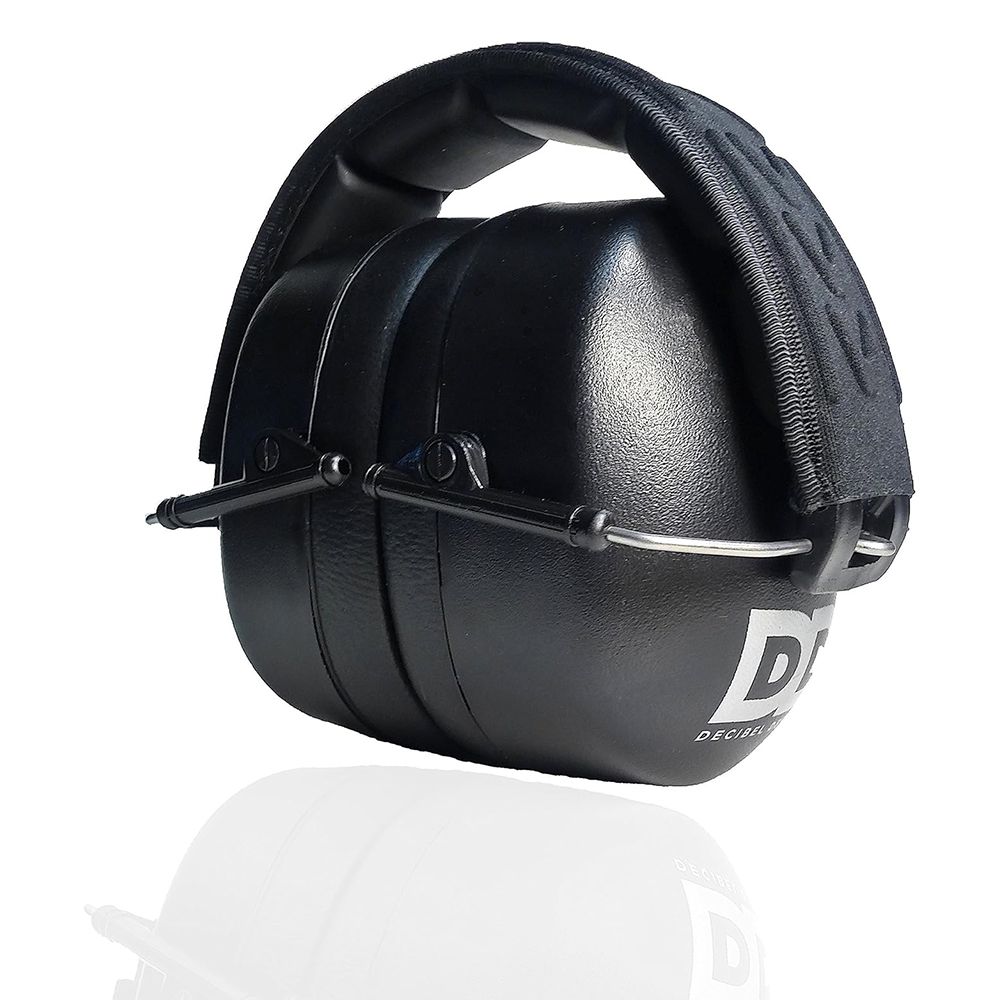
Credit: www.popularmechanics.com
Additional Hearing Protection Tips
Using ear muffs properly is key to protecting your hearing from loud power tools. Extra steps can make your hearing protection even better.
These tips help you stay safe and reduce the risk of hearing damage while working with noisy equipment.
Combining Ear Muffs With Earplugs
Wearing ear muffs with earplugs adds extra noise blocking. This combination helps lower sound levels more than using one alone.
- Insert earplugs gently into your ear canal.
- Put on ear muffs over the earplugs.
- Make sure both fit snugly and seal well.
- Check for comfort to avoid headaches.
Limiting Exposure Time
Reducing the time you spend near loud tools lowers hearing damage risk. Take breaks often to rest your ears.
- Plan your work in short intervals.
- Step away to a quiet place after using loud tools.
- Use a timer to remind you to take breaks.
- Listen for ringing or discomfort as warning signs.
Creating A Safe Work Environment
A safe workspace helps reduce noise and protects hearing. Organize your area to lower loud sounds as much as possible.
| Action | Benefit |
| Use sound barriers or walls | Blocks noise from spreading |
| Maintain tools regularly | Reduces extra noise from worn parts |
| Wear proper hearing protection | Prevents hearing loss |
| Keep workspace clean and organized | Less clutter means safer and quieter work |
Frequently Asked Questions
What Are Ear Muffs For Power Tools?
Ear muffs are protective devices that reduce noise exposure from power tools. They cover the ears to block loud sounds, safeguarding your hearing. These are essential for anyone frequently using power tools, as prolonged exposure to high decibel levels can cause hearing damage.
How Do You Wear Ear Muffs Properly?
To wear ear muffs properly, ensure a snug fit over your ears. Adjust the headband so the ear cups fully cover your ears without gaps. This ensures maximum noise reduction. Regularly check for wear and tear to maintain effectiveness.
Can Ear Muffs Be Used With Other Ppe?
Yes, ear muffs can be used with other personal protective equipment (PPE). They often pair with safety goggles, helmets, and dust masks. Ensure all equipment fits well together to maintain comfort and safety. This combination provides comprehensive protection during power tool use.
How Often Should Ear Muffs Be Replaced?
Ear muffs should be replaced when they show signs of wear, such as cracks or reduced noise reduction. Regular inspection is essential. Typically, replace them every 6 months to 1 year, depending on usage and maintenance. This ensures optimal protection and effectiveness.
Conclusion
Using ear muffs helps protect your ears from loud power tools. They reduce noise and keep hearing safe. Wear them every time you use noisy equipment. Make sure the ear muffs fit well and feel comfortable. Clean them regularly to keep them working well.
Taking these small steps protects your hearing for years. Keep your ears safe and enjoy your work without pain. Noise protection is simple but very important. Stay safe and use ear muffs whenever needed.