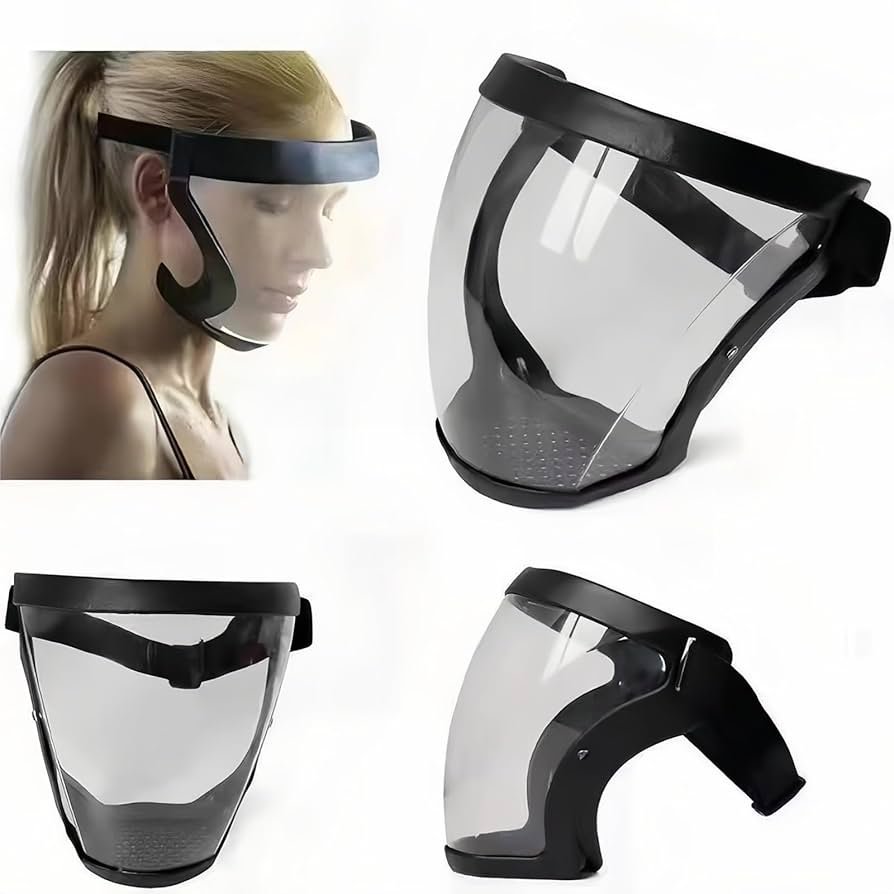
When you’re working with wood, safety isn’t just important—it’s essential. Using a full-face shield can protect your eyes, face, and even your confidence while you focus on your craft.
But are you using your full-face shield the right way? If you want to avoid injuries and get the most out of your woodworking sessions, this guide will show you exactly how to use full-face shields effectively. Keep reading, and you’ll discover simple tips that make your projects safer and more enjoyable from start to finish.

Credit: www.amazon.com.au
Benefits Of Full-face Shields
Full-face shields protect your entire face during woodworking. They help keep you safe from flying debris and other hazards.
Using a full-face shield can improve your comfort and visibility. This makes your work safer and easier.
Enhanced Protection From Debris
Woodworking creates many flying pieces of wood and sharp debris. A full-face shield blocks these from hitting your eyes and face.
- Protects eyes from splinters and chips
- Covers the whole face, not just the eyes
- Reduces risk of cuts and bruises
- Works well with safety glasses or goggles
Shielding Against Dust And Chemicals
Wood dust can irritate your skin and lungs. Chemicals like stains and finishes can harm your face. Full-face shields act as a barrier against these dangers.
| Hazard | Protection Provided |
|---|---|
| Wood Dust | Prevents dust from reaching skin and eyes |
| Chemical Splashes | Blocks harmful liquids from splashing on face |
| Fumes | Works with respirators for better safety |
Improved Visibility And Comfort
Full-face shields often have clear, anti-fog lenses. This helps you see your work clearly. They are also designed to fit comfortably for long use.
- Clear view without distortion
- Ventilation to reduce fogging
- Adjustable headbands for a secure fit
- Lightweight design for comfort

Credit: www.youtube.com
Choosing The Right Face Shield
Using a full-face shield protects your face from wood chips and dust. Picking the right one helps you work safely and comfortably.
Consider the material, fit, and how it works with your other safety gear. Each factor affects your protection and ease of use.
Material And Durability
Face shields usually come in plastic or polycarbonate. Polycarbonate is strong and clear, making it good for heavy work.
- Plastic shields are lightweight but may scratch easily.
- Polycarbonate shields resist impacts and last longer.
- Look for anti-fog and scratch-resistant coatings.
Fit And Adjustability
A shield must fit your head well to stay in place. Adjustable straps and headbands help you find a good fit.
| Feature | Benefit |
| Adjustable headband | Fits different head sizes |
| Pivoting shield | Allows easy lifting and lowering |
| Padded forehead area | Increases comfort during long use |
Compatibility With Other Gear
Check if the face shield works with your glasses, ear protection, or dust mask. Some shields fit better with certain gear.
- Choose shields with enough space for glasses.
- Look for designs that fit over earmuffs.
- Make sure the shield does not block your mask.
Proper Usage Techniques
Using a full-face shield correctly protects your face during woodworking. It helps shield your eyes and skin from flying debris.
Follow the right steps to wear, maintain, and store your shield. This keeps it effective and safe to use every time.
Wearing And Adjusting The Shield
Put the shield on so it covers your entire face. Adjust the headband to fit snugly but comfortably.
Make sure the shield does not touch your nose or chin. Tighten or loosen the straps to keep it stable during work.
- Place the shield over your face before starting tools
- Use the headband adjustment to fit your head size
- Check that the shield stays in place when you move
- Keep the shield a small distance from your face for comfort
Maintaining Clear Vision
Clear vision is very important for safety. Clean the shield often to remove dust and dirt.
Use mild soap and water or a soft cloth to wipe the shield. Avoid harsh cleaners that can scratch the surface.
- Clean the shield before and after each use
- Use a soft, lint-free cloth to avoid scratches
- Replace the shield if it becomes scratched or cloudy
- Keep the shield dry to prevent fogging
Handling And Storage Tips
Handle the shield with clean hands to avoid adding dirt. Store it in a safe, dry place to protect it from damage.
Keep the shield away from sharp objects and heat. Use a protective case or a soft cloth cover for storage.
- Hold the shield by the edges to avoid fingerprints
- Store the shield in a clean, dry spot
- Keep it away from direct sunlight and hot areas
- Use a case or pouch to prevent scratches
Maintenance And Cleaning
Full-face shields protect your face during woodworking. Keeping them clean and well-maintained ensures safety and clear vision. Regular care helps the shield last longer and perform better.
Follow simple cleaning and maintenance steps to avoid damage and keep your shield in top condition.
Daily Cleaning Procedures
Clean your full-face shield after each use. This removes dust, wood chips, and sweat that can build up. Use gentle materials to avoid scratches.
- Rinse the shield with warm water to remove loose dirt.
- Apply mild soap or a plastic-safe cleaner to a soft cloth.
- Gently wipe the shield surface, inside and outside.
- Rinse again with clean water to remove soap.
- Dry with a clean, soft cloth or let it air dry.
Avoiding Scratches And Damage
Scratches reduce visibility and weaken the shield. Protect it by handling and storing it carefully. Follow these tips:
- Always use a soft cloth for cleaning.
- Do not use abrasive cleaners or rough materials.
- Store the shield in a protective case or soft bag.
- Keep it away from sharp tools and rough surfaces.
- Do not place the shield face down on hard surfaces.
Replacing Worn Components
Check your shield often for worn or damaged parts. Replace components to keep the shield safe and effective. Use this table to know when to replace parts.
| Component | Signs to Replace | Replacement Frequency |
| Visor | Deep scratches, cracks, cloudiness | Every 6–12 months or as needed |
| Headband | Cracks, loss of elasticity, discomfort | Every 12 months or if damaged |
| Foam Padding | Wear, loss of cushioning, bad odor | Every 6 months or if damaged |
Common Mistakes To Avoid
Using full-face shields during woodworking helps protect your face and eyes. Many woodworkers make simple mistakes that reduce this protection.
Knowing what to avoid can keep you safer and make your work easier. Here are some common mistakes with full-face shields.
Using Damaged Shields
Using a shield with cracks or scratches can reduce visibility. It also lowers the shield’s ability to block flying debris.
Damaged shields might break more easily during use. This puts your face at risk of injury.
- Check for cracks or deep scratches before use
- Replace shields with any visible damage
- Clean shields gently to avoid scratches
Neglecting Fit Adjustments
A shield that does not fit well can move or block your view. Loose shields may fall off or let debris enter.
Adjust the headband and straps to fit snugly. Make sure the shield sits comfortably on your face.
- Adjust the headband for a secure fit
- Check that the shield covers your entire face
- Test movement to ensure it stays in place
Ignoring Compatibility Issues
Not all face shields fit with other safety gear. Wearing incompatible gear can reduce protection and comfort.
Make sure your shield works with glasses, dust masks, or ear protection. Check the manufacturer’s guidelines for compatibility.
- Test the shield with your other safety equipment
- Choose shields designed to fit with masks or glasses
- Replace gear that does not fit well together

Credit: us.amazon.com
Additional Safety Measures
Using a full-face shield is a smart way to protect your face while woodworking. Still, it should be part of a larger safety plan. Combining other safety gear and good habits keeps you safer in the workshop.
This guide covers extra safety tips to use with your face shield. Follow these to reduce risks and avoid injuries.
Using Masks With Face Shields
Wearing a mask under your face shield helps protect your lungs from dust and small particles. Face shields alone do not filter the air you breathe. A mask adds a needed layer of protection, especially in dusty environments.
Combining Gloves And Eye Protection
Gloves protect your hands from splinters, cuts, and chemicals. Eye protection stops debris from reaching your eyes. Use both with your face shield to cover all vulnerable areas.
- Choose gloves that fit well and allow good grip.
- Wear safety goggles or glasses under the shield.
- Check all gear for damage before starting work.
- Replace any worn or broken protective items.
Safe Workshop Practices
| Practice | Reason |
|---|---|
| Keep the workspace clean | Prevents slips and fire hazards |
| Use tools correctly | Reduces accidents and tool damage |
| Turn off machines before adjusting | Avoids unexpected starts and injuries |
| Store materials safely | Prevents falls and clutter |
Frequently Asked Questions
What Are The Benefits Of Using Full-face Shields In Woodworking?
Full-face shields protect your eyes, face, and neck from wood chips and dust. They reduce injury risks and improve visibility. Using them enhances safety and comfort during woodworking tasks.
How Do Full-face Shields Improve Woodworking Safety?
They act as a barrier against flying debris and harmful particles. Shields prevent eye injuries and skin cuts. This safety gear is essential when operating saws, routers, and sanders.
Can Full-face Shields Be Used With Other Protective Gear?
Yes, they fit well with safety glasses, ear protection, and dust masks. Combining gear offers comprehensive protection against noise, dust, and impact hazards. Always ensure a comfortable and secure fit.
How Should I Maintain My Full-face Shield For Woodworking?
Clean the shield regularly with mild soap and water. Avoid abrasive cleaners that can scratch the visor. Store it in a dry, safe place to prevent damage and extend its lifespan.
Conclusion
Full-face shields are essential for woodworking safety. They protect your face completely. Remember, safety always comes first in woodworking. Always choose a shield that fits well. Comfort is key for long hours of work. Make sure it’s clear and scratch-free.
Regular cleaning helps maintain visibility. Investing in a quality shield pays off. It reduces the risk of injuries. Proper care extends its life. Stay safe while creating your masterpieces. Enjoy woodworking with peace of mind. Happy crafting!