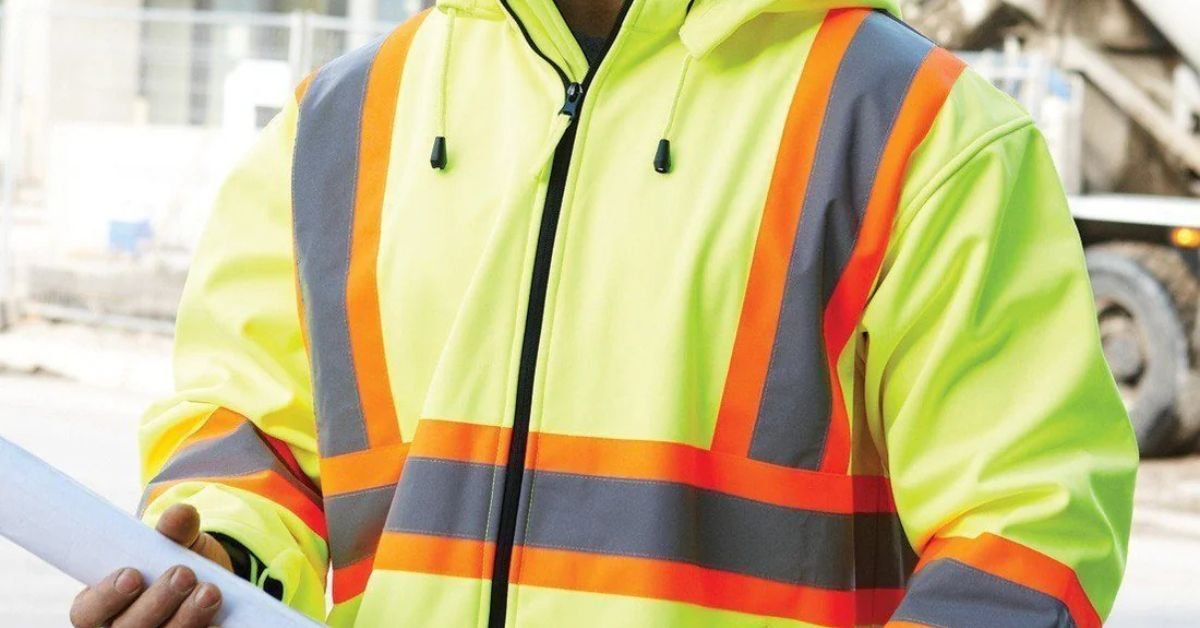
Imagine you’re working by the roadside. Cars whiz by, and the environment is bustling with noise and activity.
Your safety should be the top priority, right? That’s where high-visibility safety vests come in. These neon-colored garments are more than just a fashion statement; they’re your shield against potential accidents. But do you know how to use them effectively to ensure maximum safety?
In this guide, we’ll delve into the ins and outs of wearing high-visibility safety vests, ensuring you’re not only seen but also safe. Stick with us, and you’ll discover the secrets to making the most of this essential safety gear. Your life could depend on it. Let’s make sure you’re visible, protected, and confident on the road.

Credit: unifirst.com
Choosing The Right Vest
High-visibility safety vests keep workers safe near roads. Picking the right vest is very important. It helps drivers see workers clearly in all conditions.
Knowing what to look for in a vest makes a big difference. Focus on material, visibility, and fit to stay safe.
Material And Durability
Choose vests made from strong, tear-resistant fabric. Polyester is common because it is light and lasts long. The material should handle rain and wind without falling apart.
Durable vests save money and keep you protected. Look for vests with reinforced stitching and quality fabric to withstand daily use.
Reflective Strips And Visibility
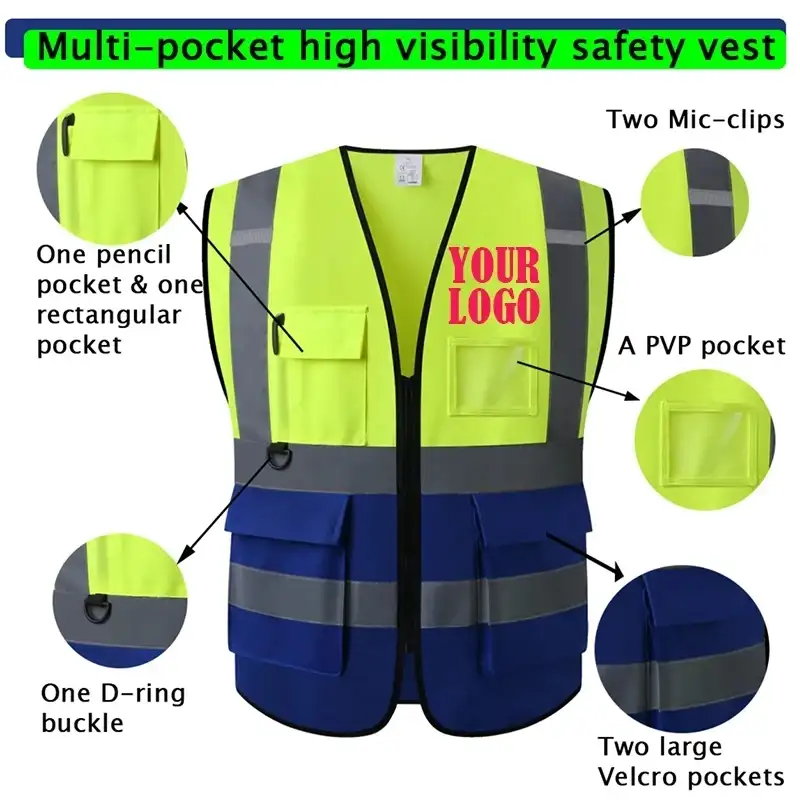
Reflective strips make you visible in low light. The more strips, the better the visibility. Strips on the front, back, and sides help drivers see you from all angles.
- Wide reflective strips increase visibility
- Bright colors like neon yellow or orange improve daytime safety
- Check if strips meet safety standards for your area
- Strips should be clean and unbroken for best effect
Size And Fit
| Fit Type | Advantages | Considerations |
| Regular Fit | Comfortable and easy to wear | May shift during movement |
| Adjustable Fit | Can be tightened or loosened | Better for layering clothes |
| Over-sized Fit | Fits over bulky clothes | May catch wind or snag |
Make sure the vest fits well over your clothes. It should not be too tight or too loose. You need to move freely while staying visible.
Proper Vest Usage
High-visibility safety vests help workers stay safe on the roadside. Wearing them correctly is very important. These vests make workers easy to see by drivers and others nearby.
Using the vest the right way can reduce accidents. It also improves communication and trust among team members. Let’s look at how to use these vests properly.
Wearing Over Clothing
Wear the safety vest over your outer clothes. It should not be covered by jackets or bags. This keeps the bright colors and reflective strips visible.
Choose a vest size that fits over your clothes without being too tight. The vest should cover your torso fully. This ensures maximum visibility.
- Wear the vest on top of all layers
- Check that reflective strips are not blocked
- Use larger sizes if wearing bulky clothes
Securing The Vest
Secure the vest properly using zippers, snaps, or Velcro closures. This keeps the vest in place during work. A loose vest can flap and reduce visibility.
Make sure the closure is fully fastened before starting work. If the vest does not have closures, adjust the fit with straps or ties. This prevents the vest from shifting.
- Fasten all closures completely
- Adjust straps for a snug fit
- Check vest position regularly
Maintaining Visibility In Different Conditions
Visibility changes with weather and light. Keep the vest clean and bright to stay visible. Dirt or damage can hide reflective parts.
In low light or fog, use vests with more reflective material. Avoid wearing dark clothes under the vest. Replace worn-out vests to maintain safety.
- Clean the vest regularly
- Use high-reflective vests in poor light
- Wear light clothes under the vest
- Replace vests if damaged or faded
Safety Standards And Compliance
High-visibility safety vests protect workers on roads. They make workers visible to drivers. Following safety standards is very important.
These standards help reduce accidents. They guide the design and use of safety vests. Knowing the rules keeps workers safe.
Ansi And Osha Guidelines
ANSI sets rules for high-visibility clothing. Their standard is called ANSI/ISEA 107. It defines the vest’s color and reflective areas.
OSHA enforces workplace safety. It requires workers near traffic to wear approved vests. These rules help prevent accidents on roads.
- ANSI classifies vests as Class 1, 2, or 3 by visibility level
- Class 3 offers the highest visibility for dangerous areas
- OSHA requires meeting ANSI standards for roadside work
- Workers must wear vests that fit and are in good condition
Color Codes And Their Meanings
Safety vests come in specific colors. Each color shows a different message to drivers and workers.
The main colors used are fluorescent yellow-green, orange-red, and red. Each color helps workers stand out in different environments.
| Color | Meaning | Common Use |
|---|---|---|
| Fluorescent Yellow-Green | High visibility in daylight and low light | Used by workers near traffic and school zones |
| Fluorescent Orange-Red | Warning color for road construction | Common for road crews and flaggers |
| Fluorescent Red | Less common, used for special safety needs | Used in some emergency and maintenance work |
Credit: www.leelinework.com
Caring For Safety Vests
High-visibility safety vests protect workers during roadside tasks. Proper care keeps them bright and effective. Follow simple steps to maintain your vest’s quality and safety features.
Taking care of your safety vest means cleaning it correctly, storing it well, and knowing when to replace it. This guide helps you do each with ease.
Cleaning And Washing Tips
Clean your safety vest regularly to remove dirt and grime. Use mild detergent and cold water. Avoid bleach or strong chemicals that damage reflective strips.
- Hand wash or use gentle machine cycle
- Do not use fabric softeners
- Air dry flat, away from direct sunlight
- Check for damage before and after washing
Storage Recommendations
Store safety vests properly to keep their shape and visibility. Hang them on a hook or fold them loosely. Avoid tight spaces that can crush the vest.
| Storage Method | Benefits |
| Hanging on a hook | Keeps vest wrinkle-free and visible |
| Folding loosely in a drawer | Prevents damage to reflective tape |
| Avoiding direct sunlight | Protects color and fabric strength |
When To Replace Your Vest
Replace your safety vest if it shows signs of wear or damage. Look for tears, fading, or worn-out reflective strips. A damaged vest lowers your safety on the road.
- Reflective tape peeling or missing
- Fabric holes or tears
- Faded colors reducing visibility
- After heavy use or several washes
Enhancing Roadside Safety
High-visibility safety vests help workers stay safe on the roadside. They make people easier to see by drivers.
Using these vests correctly reduces accidents and keeps workers protected while working near traffic.
Combining Vests With Other Safety Gear
Safety vests work best with other protective gear. Hard hats, gloves, and boots add extra safety.
Combining gear protects workers from many hazards at the roadside.
- Wear a hard hat to protect your head
- Use gloves to protect your hands
- Wear sturdy boots to avoid foot injuries
- Use eye protection if debris is present
Using Vests In Low-light Conditions
Vests with reflective strips help drivers see workers in low light. Dawn, dusk, and night need extra care.
Always check that your vest’s reflective tape is clean and bright to work well.
- Choose vests with reflective material
- Keep vests clean for better visibility
- Use extra lights if possible
- Wear vests even in bad weather
Communicating With Traffic
Workers must show clear signals to drivers. Use hand signals or flags to guide traffic safely.
Make sure your safety vest is visible when signaling. This helps drivers understand your instructions.
- Use bright flags or signs
- Make eye contact with drivers if possible
- Stand where drivers can see you clearly
- Keep movements slow and clear

Credit: www.amazon.ca
Frequently Asked Questions
What Are High-visibility Safety Vests?
High-visibility safety vests are brightly colored garments with reflective strips. They enhance worker visibility in low-light or roadside conditions, reducing accident risks and improving safety for roadside workers.
Why Use Safety Vests For Roadside Work?
Safety vests make workers highly visible to drivers. This visibility lowers the chance of accidents, ensuring safer conditions during roadside repairs or inspections, especially in poor lighting or bad weather.
How To Choose The Right Safety Vest?
Choose vests with bright colors like neon yellow or orange. Ensure they have reflective strips and meet OSHA or ANSI standards for roadside safety compliance.
When Should You Wear High-visibility Vests?
Wear vests anytime you work near moving traffic. This includes day and night, in all weather conditions, to maintain maximum visibility and safety.
Conclusion
High-visibility safety vests protect workers near roads. They help drivers see people clearly and avoid accidents. Choose vests with bright colors and reflective strips. Wear them properly every time you work outside. Staying visible saves lives and reduces risks. Always check your vest for damage before use.
Safety on the roadside is a team effort. Simple steps make a big difference in safety. Keep these tips in mind for your next job. Stay safe and stay seen at all times.
