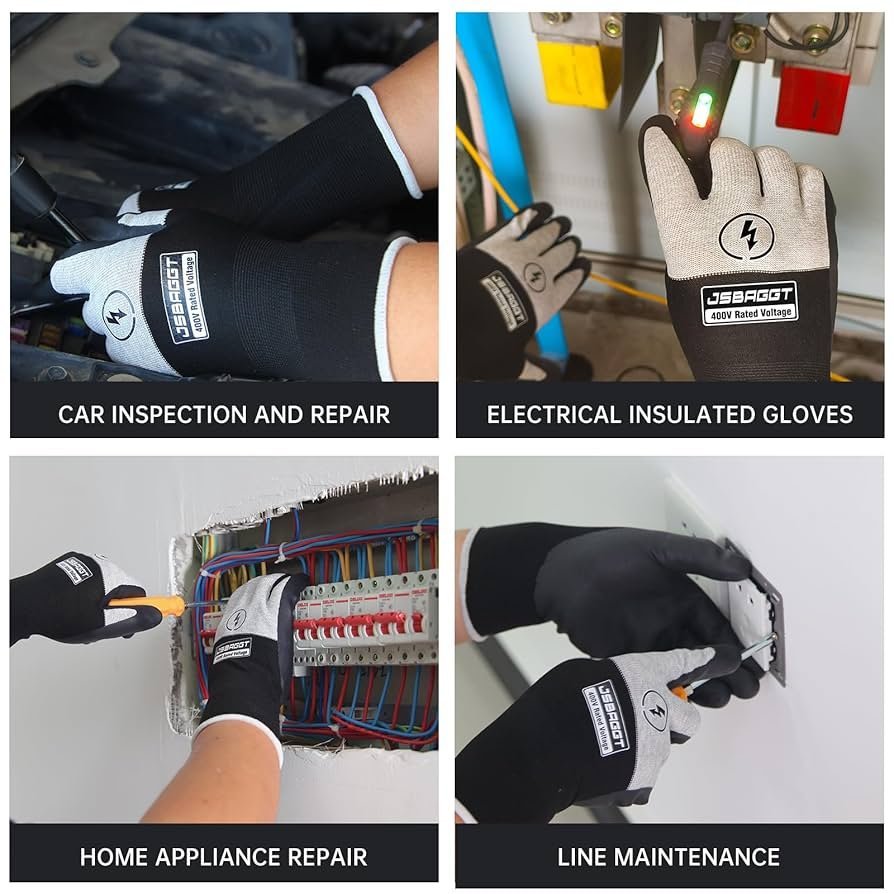
When you’re working with electrical repairs, your safety should always come first. Using insulated gloves is one of the smartest ways to protect yourself from electric shocks and serious injuries.
But do you know how to use them correctly? You’ll discover simple steps to choose, wear, and maintain insulated gloves to keep yourself safe every time you handle electrical work. Keep reading—your safety depends on it.

Credit: www.amazon.ae
Choosing The Right Gloves
Insulated gloves protect you from electrical shocks during repairs. Choosing the right gloves is very important for safety. The right gloves depend on the type, rating, and fit.
Wearing gloves that do not fit well or lack proper insulation can be dangerous. Learn about the types of gloves, their ratings, and how to select the right size.
Types Of Insulated Gloves
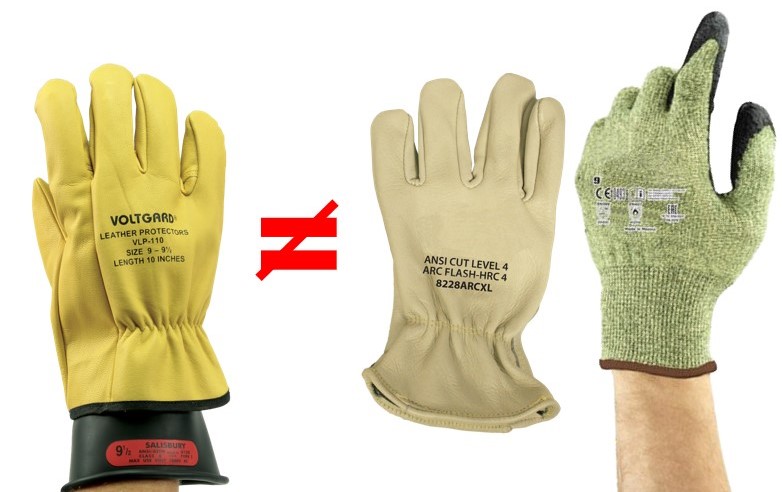
There are several types of insulated gloves. Each type has a unique material and protection level. Common types include rubber gloves, leather protectors, and hybrid gloves.
- Rubber Gloves:Provide direct electrical insulation.
- Leather Protectors:Worn over rubber gloves to prevent cuts and tears.
- Hybrid Gloves:Combine insulation with mechanical protection.
Glove Ratings And Standards
Gloves have ratings that show the maximum voltage they can handle. Standards like ASTM and IEC ensure gloves meet safety rules. Always check these ratings before use.
| Glove Class | Max Voltage (AC) | Test Voltage |
| Class 00 | 500 V | 2,500 V |
| Class 0 | 1,000 V | 5,000 V |
| Class 1 | 7,500 V | 10,000 V |
| Class 2 | 17,000 V | 20,000 V |
| Class 3 | 26,500 V | 30,000 V |
| Class 4 | 36,000 V | 40,000 V |
Sizing And Fit
Gloves must fit snugly but not be too tight. Proper fit improves comfort and safety. Measure your hand length and circumference to find the right size.
- Measure from the tip of the middle finger to the wrist.
- Measure the circumference around the widest part of your hand.
- Compare measurements to the glove size chart.
- Try gloves on to check flexibility and grip.
- Choose a size that allows easy movement without slipping.
Credit: www.saftgard.com
Inspecting Gloves Before Use
Insulated gloves protect you from electric shock during repairs. Always check them before wearing.
Proper inspection helps find damage that could cause accidents. Follow these simple steps every time.
Visual Inspection Tips
Look closely at the gloves for cuts, tears, or holes. Check for dirt, grease, or cracks that can weaken the material.
- Examine the surface under good light
- Inspect seams and edges for splits
- Check for discoloration or stiffness
- Look inside the gloves for debris or damage
Testing For Damage
Testing helps find invisible faults. Use the air test to check for leaks in the gloves.
- Insert your hand and close the glove opening
- Inflate the glove by blowing air inside
- Hold the opening tight and squeeze gently
- Look and listen for any escaping air bubbles or sounds
- Feel for any soft spots or weak areas
When To Replace Gloves
| Condition | Action |
|---|---|
| Visible cuts, tears, or holes | Replace immediately |
| Cracks or stiffness in material | Replace before use |
| Failed air test or leaks | Do not use; replace |
| Gloves past manufacturer’s expiration date | Replace even if no damage shows |
Proper Glove Usage
Using insulated gloves correctly is key for safe electrical repairs. These gloves protect you from electric shocks and injuries.
Learn how to put on and take off gloves safely. Avoid contamination to keep gloves effective. Use gloves with other safety gear.
Donning And Removing Gloves Safely
Put on insulated gloves carefully to avoid damage. Check gloves for holes or tears before use. Remove gloves without touching the outside.
- Inspect gloves for damage before use.
- Hold the glove at the cuff to put it on.
- Pull the glove over your hand gently.
- To remove, grasp the outside cuff and pull off.
- Avoid touching your skin with the glove’s outer surface.
Avoiding Contamination
Keep gloves clean and dry to maintain protection. Dirt and moisture reduce insulation quality. Store gloves in a clean, dry place.
| Do | Don’t |
| Clean gloves after use | Use gloves with cuts or holes |
| Store gloves away from chemicals | Expose gloves to direct sunlight |
| Dry gloves completely before storage | Use oily or wet gloves |
Using Gloves With Other Ppe
Insulated gloves work best with other protective gear. Use gloves with safety glasses and helmets. Check that gloves fit well with other PPE.
Tips for combining gloves with PPE:
- Wear gloves over sleeve cuffs to avoid gaps.
- Ensure gloves do not reduce the fit of helmets or glasses.
- Replace gloves immediately if they interfere with other PPE.
Working With Electrical Equipment
Using insulated gloves is important when working with electrical equipment. These gloves protect you from electric shocks. Always use them to stay safe while doing electrical repairs.
Insulated gloves are made to stop electricity from passing through. They help reduce the risk of injury or death from electric shocks.
De-energizing Circuits
Before starting any electrical work, turn off the power. De-energizing circuits lowers the chance of electric shock. Always check that the power is off with a tester.
- Switch off the main power supply
- Use a voltage tester to confirm no current
- Lock out and tag the circuit to prevent re-energizing
Maintaining Safe Working Distance
Keep a safe distance from live electrical parts. This reduces the risk of accidental contact. Use insulated tools to work safely around electricity.
- Stay at least 3 feet away from live wires
- Use insulated tools and equipment
- Wear insulated gloves to add protection
Handling Live Wires
Handling live wires is dangerous. Always wear insulated gloves to protect yourself. Never touch live wires with bare hands or wet gloves.
- Wear gloves rated for the voltage level
- Inspect gloves for damage before use
- Use one hand to reduce current flow through your body
Storing And Maintaining Gloves
Insulated gloves protect you from electric shocks during repairs. Keeping them clean and stored well extends their life.
Regular care helps find damage early. This stops accidents and keeps you safe.
Cleaning Methods
Clean gloves after each use to remove dirt and oils. Use mild soap and warm water for cleaning.
Do not use harsh chemicals or abrasive materials. These can damage the gloves and reduce protection.
- Use a soft cloth or sponge
- Rinse gloves thoroughly with clean water
- Dry gloves away from direct sunlight or heat
Storage Conditions
Store gloves in a cool, dry place. Avoid direct sunlight and extreme temperatures.
Keep gloves away from oils, chemicals, and sharp objects. Use a dedicated storage bag or box if possible.
- Store gloves flat or hanging
- Keep gloves away from electrical sources
- Check storage area for moisture or pests
Regular Maintenance Checks
Check gloves before each use. Look for holes, cracks, or tears on the surface.
Test gloves by inflating them to find small leaks. Replace gloves if any damage is found.
- Inspect inner and outer glove surfaces
- Check for stiffness or hard spots
- Record inspection dates and findings

Credit: divergentalliance.com
Common Mistakes To Avoid
Using insulated gloves correctly is vital for safe electrical repairs. Many workers make errors that put them at risk.
This guide explains common mistakes and how to avoid them for better safety.
Ignoring Glove Damage
Wearing gloves with cuts, holes, or tears lowers protection. Damaged gloves let electricity pass through.
- Always inspect gloves before use.
- Replace gloves if you find any damage.
- Store gloves properly to avoid cracks and wear.
- Check gloves for dirt or oil that can weaken material.
Using Wrong Glove Type
Not all insulated gloves are the same. Choosing the wrong type risks electrical shock.
| Glove Type | Use Case | Voltage Rating |
| Class 0 | Low voltage work | Up to 1,000 V |
| Class 1 | Medium voltage | Up to 7,500 V |
| Class 2 | Higher voltage | Up to 17,000 V |
| Class 3 | High voltage | Up to 26,500 V |
| Class 4 | Very high voltage | Up to 36,000 V |
Neglecting Other Safety Measures
Relying only on gloves is dangerous. Other safety steps must be followed to avoid accidents.
- Turn off power before repairs.
- Use insulated tools alongside gloves.
- Wear protective clothing and eye gear.
- Keep work area dry and clean.
- Follow all electrical safety guidelines.
Frequently Asked Questions
Why Use Insulated Gloves For Electrical Repairs?
Insulated gloves protect against electrical shocks during repairs. They are designed to withstand high voltage and provide a barrier between you and live wires. Always ensure the gloves meet safety standards and are undamaged. Regularly inspect them for wear and tear to maintain safety.
How To Choose The Right Insulated Gloves?
Choose gloves based on the electrical voltage you’ll encounter. Check for the appropriate class rating, which indicates the maximum voltage protection. Ensure they fit well and are comfortable to wear. Inspect for any damages before use and ensure they meet industry safety standards.
Can Insulated Gloves Be Reused?
Yes, but inspect them before each use. Regularly check for cuts, tears, or punctures. Clean them according to manufacturer instructions to maintain integrity. Store them properly to avoid damage. If any defect is found, replace the gloves immediately to ensure safety.
How To Care For Insulated Gloves?
Clean insulated gloves with mild soap and water. Avoid harsh chemicals that can degrade the material. Dry them thoroughly before storing. Store in a cool, dry place away from direct sunlight and heat. Regularly inspect for damage and replace if necessary to ensure safety.
Conclusion
Using insulated gloves protects you from electric shocks. Always check gloves for damage before starting any repair. Clean and store them properly after each use. These gloves help keep you safe and confident. Safety should be your top priority during electrical work.
Remember, careful use of insulated gloves prevents accidents. Stay alert and work smart to avoid risks. Your hands deserve the best protection every time.
