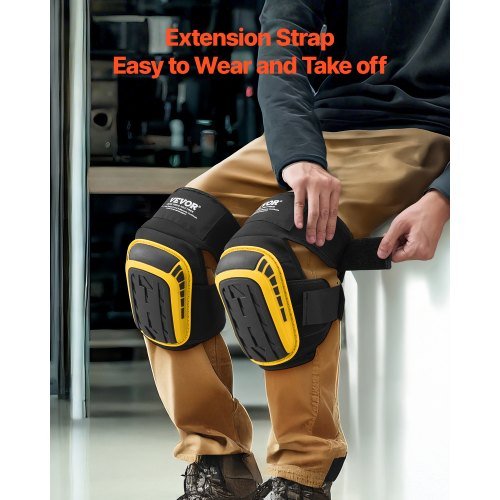
If you spend time working on carpentry projects, you know how tough it can be on your knees. Constant kneeling on hard surfaces can cause pain, discomfort, and even long-term damage.
That’s where knee pads come in. But do you know how to choose the right ones and use them correctly to protect yourself and boost your work efficiency? You’ll discover simple, practical tips on how to use knee pads for carpentry projects.
By the end, you’ll feel more comfortable and confident tackling your next build without worrying about knee pain slowing you down. Keep reading to learn how to protect your knees and get the job done right.
Choosing The Right Knee Pads
Knee pads protect your knees during carpentry projects. They help reduce pain and injury.
Selecting the right knee pads can improve comfort and work quality. Consider different types and features.
Types Of Knee Pads
Knee pads come in various types for different needs. Each type offers unique benefits for carpenters.
- Hard shell knee pads:Have a rigid outer layer. Good for rough surfaces.
- Soft knee pads:Made with foam or gel. Provide comfort on smooth floors.
- Strap-on knee pads:Use adjustable straps. Fit many knee sizes.
- Kneeling pads:Flat cushions. Used for light kneeling tasks.
Material And Padding Options
The material and padding affect durability and comfort. Look for options that last long and feel good.
| Material | Advantages | Disadvantages |
|---|---|---|
| Neoprene | Water-resistant, flexible | Can get hot |
| Gel padding | Soft, absorbs shock | Heavier than foam |
| Foam padding | Lightweight, breathable | Less durable |
| Hard plastic shell | Protects from sharp objects | Less flexible |
Size And Fit Considerations
Proper size and fit keep knee pads secure and comfortable. Ill-fitting pads can slip or cause pain.
- Measure your knee circumference before buying.
- Look for adjustable straps or elastic bands.
- Try pads on with work boots for best fit.
- Choose pads that allow free knee movement.
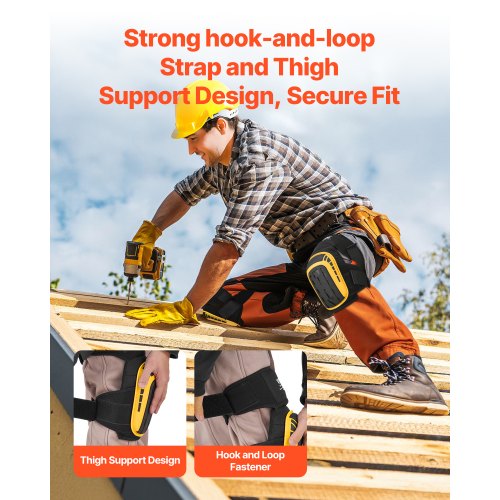
Credit: www.vevor.com
Preparing For Carpentry Work
Using knee pads is important for comfort and safety during carpentry. You need to prepare well before starting your work. This helps prevent injuries and makes the job easier.
Before putting on knee pads, check them carefully. Also, wear the right clothes to protect your body and stay comfortable.
Inspecting Knee Pads Before Use
Check your knee pads for any damage or wear. Look for cracks, tears, or broken straps. Make sure the padding is still soft and protective.
- Look over the surface for holes or cracks
- Test the straps to see if they hold tight
- Press the padding to check if it is firm but soft
- Clean any dirt or dust from the knee pads
- Replace knee pads if they show heavy damage
Dressing For Comfort And Safety
Wear clothes that protect you and help you move easily. Choose pants that fit well and cover your knees. Use clothes made from strong fabric to avoid cuts or scrapes.
| Clothing Item | Purpose |
| Work Pants | Protect knees and legs |
| Long Sleeve Shirt | Protect arms from scratches |
| Safety Glasses | Protect eyes from dust |
| Work Gloves | Protect hands and improve grip |
Proper Knee Pad Placement
Knee pads protect your knees during carpentry projects. Correct placement helps avoid injury. It also keeps you comfortable while working on hard surfaces.
Learn how to place your knee pads for the best protection and fit. This guide covers positioning and strap adjustments.
Positioning For Maximum Protection
Place the knee pads so the cushioned part covers your kneecads fully. The padding should sit just above your shin and below your thigh. This setup absorbs shocks and pressure.
- Align the center of the knee pad with your kneecap.
- Make sure the pad does not slide down when you bend your knee.
- Check that the padding covers the entire front of your knee.
- Adjust the pad height to avoid pressure on your joint.
Securing Straps And Adjustments
Straps keep knee pads in place and prevent slipping. Tighten the straps enough to hold the pads firmly. Avoid making them too tight to keep blood flowing.
| Strap Feature | Adjustment Tip |
|---|---|
| Elasticity | Choose straps with some stretch to fit snugly. |
| Velcro | Ensure the hook and loop fasten securely without gaps. |
| Buckles | Lock buckles firmly, but allow for quick release. |
| Padding | Check straps do not press uncomfortably on your skin. |

Credit: www.diy.com
Using Knee Pads During Projects
Knee pads protect your knees from hard surfaces and sharp objects. They help reduce pain and injury during carpentry work. Using knee pads lets you work longer without discomfort.
Choosing the right knee pads and wearing them correctly improves your work quality. They keep your knees safe and make kneeling easier on different surfaces.
Techniques For Kneeling Comfortably
Place the knee pads so they cover the kneecaps fully. Adjust the straps to fit snugly without cutting off circulation. This prevents slipping and pressure points.
- Wear clean socks to avoid skin irritation under the pads.
- Use knee pads with soft padding for extra comfort on rough floors.
- Take short breaks to stretch your legs and knees during long projects.
- Keep your knees slightly bent instead of locked while kneeling.
- Test different kneeling positions to find what feels best.
Maintaining Mobility And Balance
Knee pads should not limit your movement. Choose flexible designs that let you bend and shift easily. This helps keep your balance when working on uneven surfaces.
| Feature | Benefit |
| Flexible materials | Allow natural knee movement |
| Non-slip soles | Improve grip on floors |
| Adjustable straps | Ensure secure fit without tightness |
| Lightweight design | Reduce fatigue during long use |
| Durable outer shell | Protect against sharp objects |
Keep your body balanced by shifting weight between knees and feet. Move carefully to avoid sudden slips. Knee pads support this by cushioning impacts and keeping the knees steady.
Caring For Your Knee Pads
Knee pads protect your knees during carpentry projects. Taking care of them keeps them working well and lasting longer.
Cleaning and storing your knee pads properly stops damage. This guide shows you easy ways to care for your knee pads.
Cleaning And Maintenance Tips
Clean your knee pads after each use. Dirt and sweat can wear them out faster.
- Use a soft brush to remove dirt and dust.
- Wipe with a damp cloth and mild soap if needed.
- Avoid soaking them in water to protect the padding.
- Let knee pads air dry completely before storing.
- Check straps and fasteners for damage regularly.
Storage Recommendations
Store knee pads in a clean, dry place. Avoid direct sunlight and heat, which can damage materials.
| Storage Tip | Why It Matters |
|---|---|
| Keep knee pads flat or hung on hooks | Prevents misshaping and keeps straps intact |
| Store away from moisture | Stops mold and material breakdown |
| Keep them in a dust-free bag or box | Keeps pads clean and ready to use |
| Do not store with heavy tools on top | Avoids crushing and damaging padding |
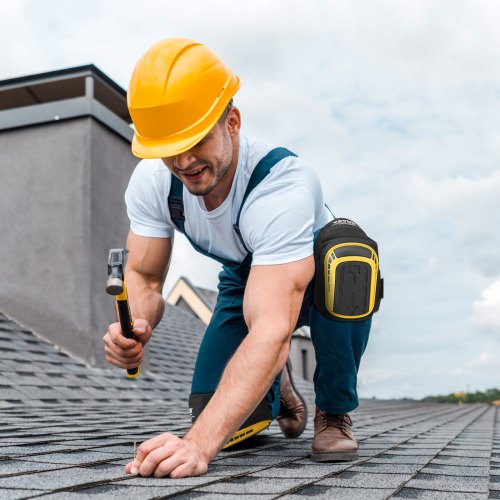
Credit: www.vevor.com
Common Mistakes To Avoid
Using knee pads is important for carpentry work. They protect your knees from hard surfaces and injuries. Many people make mistakes that reduce the pads’ effectiveness.
Knowing what to avoid helps you get the best use from your knee pads. Two common problems are bad fit and ignoring damage.
Improper Fit Issues
Knee pads that do not fit well can cause discomfort and reduce protection. They might slip off or press too tightly. Both can distract you and cause injury.
- Choosing knee pads that are too large or too small
- Wearing them loosely so they move around
- Securing straps too tight and cutting off circulation
- Not adjusting the pads to fit your knee shape
- Using pads designed for other tasks, not carpentry
Ignoring Wear And Tear
Knee pads face rough use on job sites. Over time, padding and straps wear out. Ignoring this damage lowers safety and comfort.
| Damage Type | Effect | Action |
|---|---|---|
| Worn padding | Less shock absorption | Replace pads or add cushion |
| Frayed straps | Straps can break or loosen | Fix or replace straps promptly |
| Cracked shell | Less knee protection | Buy new knee pads |
| Loose stitching | Pads can fall apart | Repair or replace immediately |
Frequently Asked Questions
How Do Knee Pads Protect During Carpentry Projects?
Knee pads cushion your knees from hard surfaces and reduce pressure. They prevent injuries and bruises. Using them improves comfort and allows longer work sessions without pain.
What Materials Are Best For Carpentry Knee Pads?
Look for knee pads with foam or gel cushioning. Durable outer layers like nylon or rubber resist wear. These materials provide comfort, impact absorption, and long-lasting protection for carpentry tasks.
How Should Knee Pads Fit For Carpentry Work?
Knee pads should fit snugly but not restrict movement. Adjustable straps ensure a secure fit. Proper fit prevents slipping and maximizes protection during various carpentry activities.
Can Knee Pads Improve Carpentry Work Efficiency?
Yes, knee pads reduce discomfort and fatigue. This allows carpenters to focus better and work longer. Comfortable knees lead to improved precision and productivity on projects.
Conclusion
Knee pads make carpentry safer and more comfortable. Protect your knees during projects. Choose the right size for a snug fit. Clean them regularly to maintain hygiene. Always check for any wear or damage. Replace them if necessary to ensure safety.
Learning proper use reduces injury risk. It also boosts your productivity. Investing in quality knee pads benefits your health long-term. They are essential for every carpenter. Keep your knees safe, and enjoy your work. Your future self will thank you.
