Are your knees feeling the strain from hours of kneeling on hard surfaces? Whether you’re laying tiles, installing carpets, or simply scrubbing floors, the right knee pads can be a game changer.
Imagine working comfortably without the constant ache that distracts you from doing your best. In this guide, you’ll discover how to use knee pads effectively for floor work, ensuring your knees are protected and your tasks are completed with ease.
Keep reading to find out how a simple adjustment can lead to a more comfortable and productive workday. Your knees will thank you!
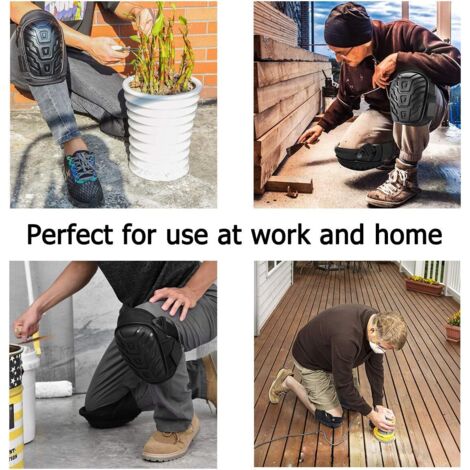
Credit: www.manomano.co.uk
Choosing The Right Knee Pads
Knee pads protect your knees during floor work. Picking the right ones helps you work safely and comfortably.
There are many types of knee pads. You need to think about material, padding, and fit before buying.
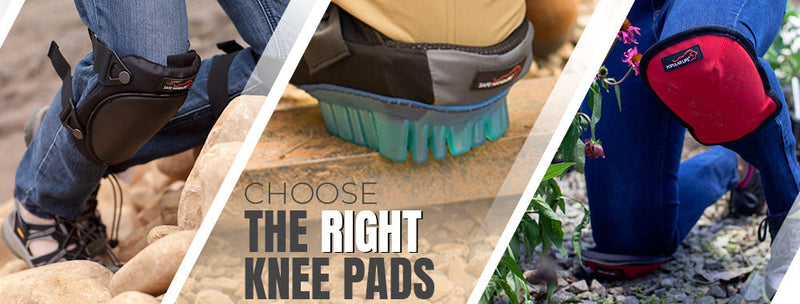
Types Of Knee Pads
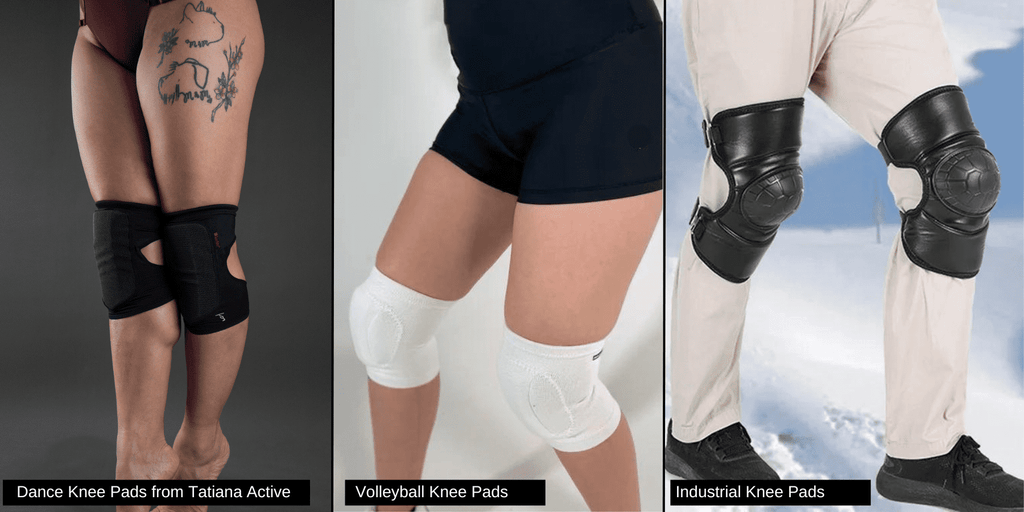
Knee pads come in different styles for different jobs. Some cover just the front knee, others offer more protection.
- Slip-on knee pads are easy to wear and remove.
- Strap-on knee pads have adjustable straps for a tight fit.
- Hard shell knee pads have a firm outer layer for tough surfaces.
- Soft knee pads are lighter and good for less harsh work.
Material And Padding Options
Knee pads use different materials to protect knees and keep you comfortable. Padding type affects shock absorption.
- Foam padding is soft and absorbs shock well.
- Gel padding molds to your knee for comfort.
- Hard plastic shells protect against sharp objects.
- Neoprene covers keep pads flexible and water resistant.
Size And Fit Considerations
Choose knee pads that fit well. Too tight pads can hurt, too loose pads may slip off.
Measure around your knee and check the size chart. Adjustable straps help get a better fit.
- Measure knee circumference while bent at 90 degrees.
- Look for padding that covers the knee cap fully.
- Make sure straps do not cut off circulation.
- Try pads on with work clothes before buying.

Credit: www.amazon.com.au
Preparing For Floor Work
Using knee pads helps protect your knees during floor work. Proper preparation makes the job easier and safer.
Before starting, check your knee pads carefully and dress in a way that keeps you comfortable.
Inspecting Your Knee Pads
Look over your knee pads for any damage or wear. This ensures they will protect your knees well.
- Check the straps to make sure they are not broken or loose.
- Look at the padding for cracks or thin spots.
- Test the knee pads by pressing on them to see if the cushion feels firm.
- Make sure the outer surface is clean and not slippery.
Cleaning And Maintenance Tips
Keep your knee pads clean to extend their life and maintain comfort.
| Cleaning Method | Frequency | Notes |
| Wipe with damp cloth | After every use | Removes dirt and sweat |
| Hand wash with mild soap | Weekly or as needed | Use cool water, air dry |
| Check straps and padding | Monthly | Replace if damaged |
Dressing For Maximum Comfort
Wear clothes that fit well and do not interfere with your knee pads. This helps you move easily.
- Choose pants with enough room at the knees.
- Wear socks that prevent slipping inside your shoes.
- Use knee pads over or under pants, depending on your comfort.
- Avoid tight clothing that restricts movement.
Proper Knee Pad Placement
Knee pads protect your knees during floor work. Correct placement helps avoid discomfort.
Placing knee pads properly allows you to work longer without pain or injury.
Correct Positioning Techniques
Place the knee pads centered over your kneecaps. The padding should cover the front and sides of your knees.
- Make sure the pads sit flat without gaps
- Adjust so the bottom edge rests just above your calf muscles
- Avoid placing pads too high or too low on the leg
- Test movement to ensure the pads stay in place
Securing Straps Effectively
Use the straps to hold the knee pads firmly but comfortably. Tight straps prevent slipping while allowing blood flow.
| Strap Type | How to Secure | Benefit |
| Velcro | Wrap and press firmly | Easy adjust and removal |
| Elastic | Stretch over knee and hook | Flexible fit for movement |
| Buckle | Fasten and tighten securely | Strong hold for heavy work |
Adjusting For Different Surfaces
Knee pads should be adjusted based on the surface you work on. Softer surfaces need less padding, hard surfaces need more.
- On smooth floors, use thinner pads to keep flexibility
- On rough or gravel surfaces, add extra padding or thicker knee pads
- Keep straps tighter on slippery floors to avoid slipping
- For uneven surfaces, check knee pad fit often and readjust
Credit: bisonlifeusa.com
Enhancing Comfort During Use
Knee pads protect your knees during floor work. Comfort matters to keep using them longer. Simple tips help reduce pain and pressure.
Adding extra cushions, taking breaks, and stretching can improve comfort. These steps also help avoid knee injuries.
Using Additional Cushions
Adding soft cushions inside your knee pads gives extra padding. This reduces hard pressure on your knees.
- Use foam or gel inserts for better shock absorption.
- Check that cushions fit well inside the knee pad.
- Replace worn-out cushions regularly.
- Choose cushions that keep your knees cool and dry.
Taking Regular Breaks
Rest breaks reduce knee strain and let your skin breathe. Short pauses help your knees recover from pressure.
| Break Time | Activity |
| Every 30 minutes | Stand up and walk around |
| Every 60 minutes | Remove knee pads and stretch |
| After 2 hours | Check for knee pain or redness |
Stretching And Knee Care
Stretching keeps your knees flexible and strong. Proper care lowers the risk of injury during floor work.
- Sit and extend one leg forward, hold for 20 seconds.
- Stand and bend each knee gently, hold for 15 seconds.
- Rotate ankles slowly to improve joint movement.
- Apply ice or warm compress if knees feel sore.
Maximizing Protection
Knee pads protect your knees during floor work. They reduce pain and prevent injuries. Using knee pads properly helps you work longer and safer.
This guide explains how to avoid injuries, work on different floor types, and know when to replace knee pads.
Avoiding Common Injuries
Injuries like bruises, cuts, and knee pain can happen without protection. Wearing knee pads lowers these risks. Use knee pads that fit well and stay in place.
- Choose knee pads with enough padding for your tasks
- Keep knee pads clean and dry
- Wear knee pads on both knees for balance
- Take breaks to reduce pressure on your knees
- Adjust straps to avoid cutting off circulation
Working On Various Floor Types
Different floors need different knee pad features. Hard floors require thicker pads. Soft floors need flexible and breathable materials to stay comfortable.
| Floor Type | Recommended Knee Pad Feature |
| Hard concrete | Extra thick padding, hard outer shell |
| Wooden floors | Medium padding, soft outer cover |
| Carpeted floors | Light padding, breathable fabric |
| Tile floors | Slip-resistant surface, firm padding |
When To Replace Knee Pads
Old knee pads lose their protection. Replace them if they show signs of wear or no longer fit well. Check padding, straps, and covers often.
- Padding feels thin or uneven
- Straps are loose or broken
- Cover has tears or holes
- Knee pads slip during work
- You feel more knee pain than before
Extra Tips For Floor Work Efficiency
Using knee pads can make floor work easier and safer. Adding a few extra tips helps you work faster and stay comfortable.
Organizing your space and combining gear properly will improve your workflow. Good posture also protects your body during long tasks.
Organizing Your Workspace
Keep tools and materials close to avoid unnecessary movement. A tidy workspace reduces time spent searching for items.
- Arrange tools within arm’s reach
- Use containers to separate small parts
- Clear clutter before starting work
- Plan your steps to minimize moving around
Combining Knee Pads With Other Gear
Wear knee pads with other protective gear for better comfort and safety. Choose gear that fits well and does not restrict movement.
| Gear | Benefit |
| Knee Pads | Protect knees from hard surfaces |
| Elbow Pads | Support arms during leaning tasks |
| Work Gloves | Improve grip and protect hands |
| Supportive Shoes | Reduce foot fatigue and provide balance |
Maintaining Good Posture
Keep your back straight and avoid leaning too much. Good posture lowers strain and helps you work longer.
Follow these posture tips:
- Keep knees bent at a comfortable angle
- Shift your weight evenly on both knees
- Take short breaks to stand and stretch
- Use cushioned knee pads to reduce pressure
Frequently Asked Questions
What Are The Best Knee Pads For Floor Work?
The best knee pads for floor work offer strong cushioning and durability. Look for adjustable straps and non-slip materials. Gel or foam padding provides comfort during long tasks. Choose knee pads that fit snugly without restricting movement.
How Do I Properly Wear Knee Pads For Floor Work?
Place the knee pads directly over your knees, ensuring padding covers the kneecap. Secure straps firmly but not too tight. Adjust straps to avoid slipping or discomfort. Proper fit prevents pressure points and enhances protection during floor work.
Can Knee Pads Prevent Knee Injuries During Floor Tasks?
Yes, knee pads significantly reduce impact and pressure on knees. They cushion hard surfaces, lowering injury risk. Consistent use protects joints from strain and bruises. Knee pads are essential for prolonged kneeling and heavy floor work.
How To Clean And Maintain Knee Pads For Longevity?
Remove dirt and debris after each use. Hand wash with mild soap and water, then air dry. Avoid machine washing or drying to preserve padding and straps. Regular cleaning extends knee pads’ durability and hygiene.
Conclusion
Using knee pads helps protect your knees during floor work. They reduce pain and prevent injuries. Choose the right type for your task and comfort. Always wear them snug but not too tight. Clean and check your knee pads regularly.
Taking these simple steps makes your work easier and safer. Remember, small actions keep your knees healthy for a long time. Stay safe and work smart with knee pads.