Are you tired of digging through cluttered drawers or fumbling with tiny tools when you need them most? Imagine having your small tools perfectly organized and right within your reach, saving you time and frustration.
Using magnetic strips is a simple, smart way to keep your workspace neat and your tools easy to find. You’ll discover how to use magnetic strips effectively, turning chaos into order with minimal effort. Stick around—your toolbox will never be the same!

Credit: www.reddit.com
Benefits Of Magnetic Strips
Magnetic strips help organize small tools in a neat way. They keep tools visible and easy to find. Using magnetic strips can make your workspace more efficient.
These strips use magnets to hold metal tools securely. They save space and reduce mess. This makes working faster and more comfortable.
Maximizing Workspace
Magnetic strips free up desk and drawer space. You can attach them to walls or under shelves. This opens up room for other tasks and materials.
- Mount strips vertically to use wall space
- Keep tools off surfaces to avoid clutter
- Organize tools by size or type on strips
- Use multiple strips for different tool groups
Easy Access To Tools
Tools on magnetic strips are easy to grab. You don’t need to open drawers or boxes. This saves time and effort during work.
| Tool Type | Benefit of Magnetic Strip |
| Screwdrivers | Quick to find and remove |
| Wrenches | Stay in place and easy to reach |
| Scissors | Visible and ready to use |
| Drill Bits | Organized by size for fast selection |
Reducing Clutter
Magnetic strips keep tools off counters and floors. This reduces mess and makes cleaning easier. It also lowers the risk of losing small tools.
- Label strips for specific tool types
- Regularly clean and rearrange tools
- Use strips in workshops and kitchens
- Combine with other storage solutions
Choosing The Right Magnetic Strip
Magnetic strips help keep small tools organized and easy to find. Picking the right strip makes your workspace safer and cleaner.
Think about the type, strength, size, and material before buying a magnetic strip. This guide explains these points simply.
Types Of Magnetic Strips
There are different magnetic strips for various uses. Some stick to metal surfaces, while others come with adhesive backs.
Choose from these common types:
- Flexible magnetic strips that cut to size
- Hard metal strips with strong magnets inside
- Adhesive-backed strips for walls and wood
- Mounted strips with screws for stability
Strength And Size Considerations
Magnetic strength holds tools in place. Stronger magnets support heavier tools. Size matters for the tool collection.
Use this guide to pick strength and size:
- Light tools need low to medium strength magnets
- Heavy tools need strong, thick magnets
- Long strips hold more tools at once
- Short strips fit small spaces
Material Compatibility
Magnetic strips only work with metal tools that magnets attract. Check your tools before choosing a strip.
Magnets do not stick to all metals. Use this list to check compatibility:
- Steel and iron tools stick well
- Stainless steel sometimes sticks, depending on type
- Aluminum, copper, and brass tools do not stick
- Plastic or wood tools need other storage options
Preparing Your Space
Using magnetic strips for small tools keeps your workspace tidy. Proper preparation helps the strips stick well and last longer.
Take time to prepare your wall or surface before attaching the magnetic strips. This makes the setup safe and secure.
Selecting The Location
Pick a spot where you use your tools most. It should be easy to reach and see the tools on the strip.
Avoid places near heat or moisture, as these can weaken the adhesive on the strip.
- Choose a dry and cool area
- Make sure the location is at a comfortable height
- Keep the strip away from direct sunlight
- Check for enough wall space to hold your tools
Cleaning And Surface Prep
Clean the wall or surface well before applying the strip. Dust and dirt stop the adhesive from sticking properly.
Use rubbing alcohol or mild soap and water to wipe the area. Let it dry completely before you continue.
- Remove dust, grease, and old paint flakes
- Wipe with a clean cloth
- Allow the surface to dry fully
Measuring And Marking
Measure the space carefully to fit the magnetic strip. Mark where you will place it to keep it straight.
Use a pencil and a level tool to draw light lines for guidance. This helps avoid crooked or uneven placement.
- Measure the length of the strip
- Mark the start and end points lightly with a pencil
- Use a level to draw a straight line
- Double-check measurements before sticking the strip

Credit: www.reddit.com
Installing Magnetic Strips
Magnetic strips help keep small tools organized and easy to find. Installing them correctly ensures they hold tools safely.
This guide covers how to mount magnetic strips, secure them well, and test their stability for tool storage.
Mounting Methods
You can mount magnetic strips using screws, adhesive backing, or mounting brackets. Choose the method that fits your wall type.
- Screws provide a strong hold on wood or drywall.
- Adhesive backing works on smooth, clean surfaces.
- Mounting brackets add extra support for heavy tools.
Securing The Strip
Make sure the magnetic strip is level and firmly attached to the wall. Tighten screws or press adhesive firmly.
Check that the strip sits flat without gaps to avoid tools slipping off or falling.
- Use a level to align the strip before fixing it.
- Clean the surface well before using adhesive.
- Apply firm pressure to activate adhesive strength.
- Tighten screws evenly to avoid bending the strip.
Testing Stability
After installation, test the magnetic strip by hanging different small tools. This shows if it holds well.
Remove any tools that fall easily and check if the strip needs better mounting or a stronger magnet.
- Start with light tools like screwdrivers.
- Try heavier tools to check magnet strength.
- Look for any movement or loosening on the strip.
- Adjust mounting if tools slip or strip moves.
Organizing Small Tools
Keeping small tools organized helps you find them fast. Magnetic strips are great for this job.
They hold tools on walls and free up space on benches or drawers. This way, your workspace stays neat.
Grouping Similar Tools
Put tools that do the same job near each other on the strip. This saves time when you work.
For example, place all screwdrivers together and all pliers in one spot. It looks tidy and feels organized.
- Group by tool type
- Keep sizes in order
- Separate heavy and light tools
Arranging For Efficiency
Arrange tools so you can grab them without moving others. Put the most used tools in easy reach.
Place rarely used tools at the ends or higher up. This helps you work faster and stay focused.
- Keep frequent tools at eye level
- Place similar size tools together
- Leave space to add new tools
Labeling Tips
Use labels to mark tool groups or individual spots. This helps you and others know where tools go.
Labels can be simple stickers or tags. Make sure they are clear and easy to read.
- Label each tool type
- Use large, clear fonts
- Replace worn labels regularly
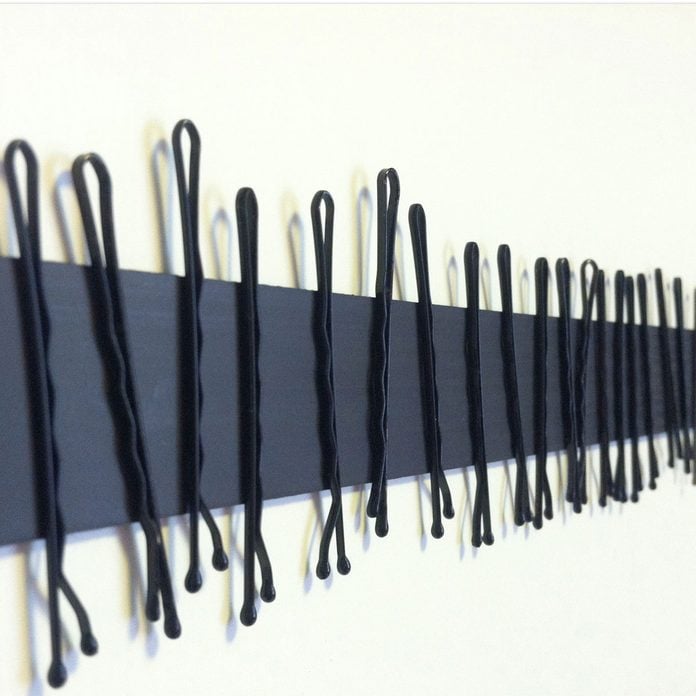
Credit: www.familyhandyman.com
Maintaining Magnetic Strips
Magnetic strips help keep small tools organized and easy to reach. To keep them working well, regular maintenance is important.
Proper care extends the life of your magnetic strips and keeps your workspace tidy.
Cleaning And Upkeep
Clean magnetic strips often to remove dust and dirt. Dirt can reduce the strip’s strength and cause tools to slip.
Use a soft cloth with mild soap and water to wipe the strip. Avoid soaking the strip or using harsh chemicals.
- Wipe with a damp cloth regularly
- Dry the strip completely after cleaning
- Keep the area around the strip free of dust
Avoiding Damage
Handle magnetic strips with care to avoid damage. Dropping heavy objects on them can weaken the magnet.
Do not bend or twist the strip, as this can break the magnetic material inside. Avoid exposure to strong heat or moisture.
- Do not drop heavy tools on the strip
- Keep strips flat and avoid bending
- Store strips away from heat and water
Replacing Worn Strips
Replace magnetic strips if they lose strength or show signs of wear. Worn strips may not hold tools securely.
Check strips regularly and swap them out to keep your tools safe and organized.
- Inspect strips for cracks or weak spots
- Test magnet strength by holding tools
- Replace strips that no longer hold tools firmly
Creative Uses Beyond Tools
Magnetic strips are not just for holding tools. They can help organize many small items around the house. Using magnetic strips saves space and keeps things easy to find.
Here are some creative ways to use magnetic strips in different areas. These ideas help keep your space neat and tidy.
Kitchen Organization
Magnetic strips can hold knives, spice jars, and metal utensils in the kitchen. This keeps counters clear and tools within reach.
Mount a magnetic strip on the wall or under cabinets to save drawer space. It also helps to keep sharp knives safely stored.
- Hold knives and metal cooking tools
- Stick spice jars with metal lids
- Hang measuring spoons and cups
- Keep kitchen scissors handy
Office Supplies
Use magnetic strips to organize paper clips, scissors, and small metal office items. This helps keep your desk clean and clutter-free.
Attach a strip near your workspace to hang metal rulers or binder clips. It makes these items easy to grab when you need them.
- Store paper clips and push pins
- Hang scissors and metal rulers
- Keep binder clips in one place
- Attach small metal containers for supplies
Hobby And Craft Storage
Magnetic strips hold metal craft tools like tweezers, scissors, and small tins for beads or pins. This keeps your hobby area tidy.
Mount strips on the wall or inside craft cabinets. It helps you find tools quickly and keeps your workspace clear.
- Hold scissors and tweezers
- Keep small tins with beads or pins
- Organize metal rulers and cutters
- Hang paintbrushes with metal handles
Frequently Asked Questions
How Do Magnetic Strips Hold Tools Securely?
Magnetic strips hold tools securely using strong magnets embedded within. These magnets create a powerful force that attracts metal tools, keeping them firmly in place. The strength of the magnet ensures that tools don’t slip or fall, providing a reliable storage solution for your workspace.
Can Magnetic Strips Hold Heavy Tools?
Magnetic strips can hold many small to medium-sized tools effectively. However, their capacity to hold heavy tools depends on the strength of the magnets used. For heavier tools, consider using industrial-grade magnetic strips or combining them with additional support to ensure safety and stability.
Are Magnetic Strips Easy To Install?
Yes, magnetic strips are very easy to install. Most come with adhesive backing or mounting hardware for simple attachment to walls or toolboards. Just ensure the surface is clean and dry before installation. Follow the manufacturer’s instructions for optimal placement and secure attachment.
What Surfaces Are Suitable For Magnetic Strips?
Magnetic strips can be attached to various surfaces including wood, metal, and drywall. Ensure the surface is clean and smooth for optimal adhesion. Avoid uneven or textured surfaces that may hinder the magnet’s effectiveness. Always check the manufacturer’s guidelines for specific surface compatibility.
Conclusion
Magnetic strips keep small tools organized and easy to find. They save space and reduce clutter in your workspace. Using them helps protect tools from damage and loss. You can place strips almost anywhere—workshops, garages, or kitchens. Installation is quick and requires minimal effort.
Keep your tools within reach and your area neat. Try magnetic strips to make tool storage simple and efficient. A small change that makes a big difference in daily work.