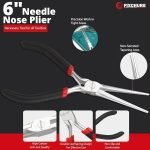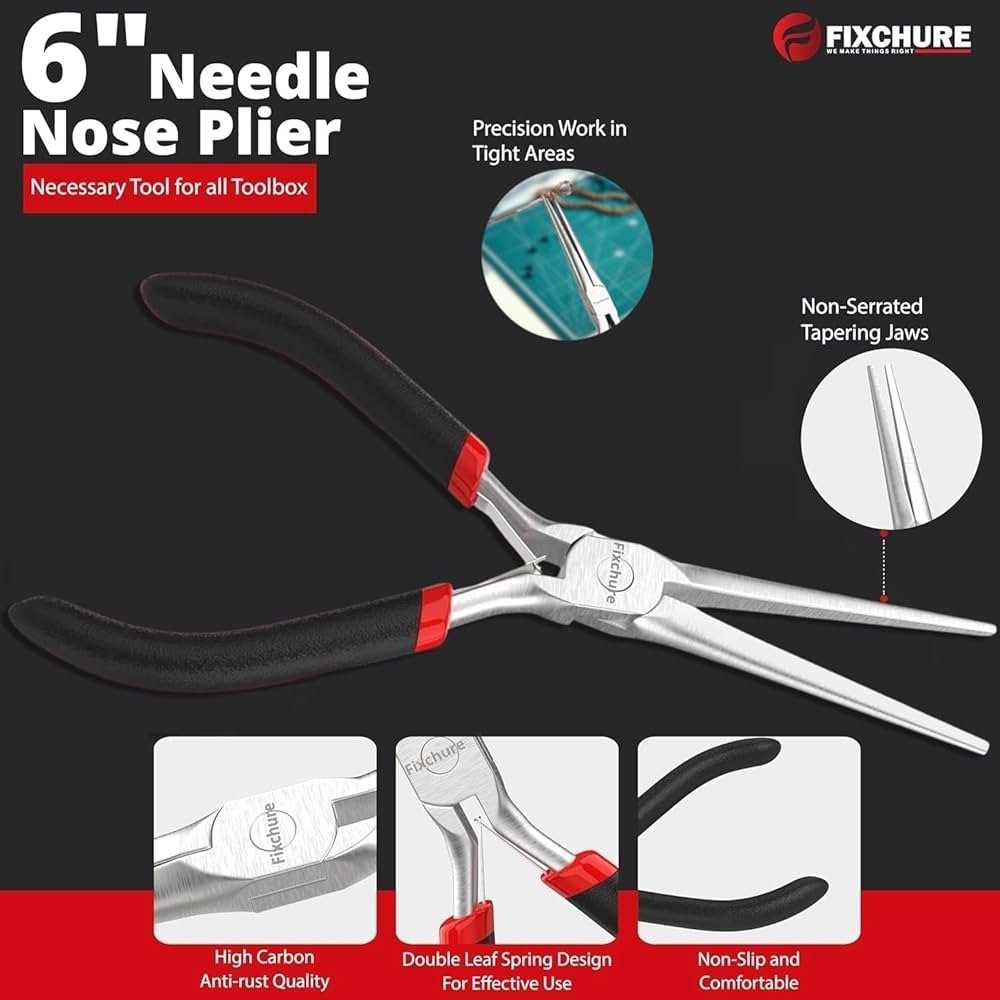
If you’ve ever struggled to grip tiny objects or twist wires in tight spaces, you know how frustrating it can be. Needle-nose pliers are the perfect tool to solve these problems—but only if you know how to use them right.
You’ll discover simple tips and tricks to handle needle-nose pliers like a pro. By the end, you’ll feel confident tackling delicate tasks with ease and precision. Ready to make your work faster and smoother? Let’s dive in.
Choosing The Right Needle-nose Pliers
Needle-nose pliers are useful tools for many tasks. Choosing the right pair makes work easier and safer.
This guide helps you pick the best pliers by looking at types, size, material, and grip.
Types And Sizes
Needle-nose pliers come in different types and sizes. Each type suits different jobs.
- Standard: Long, thin jaws for bending and cutting small wires.
- Bent nose: Jaws bend at an angle for hard-to-reach spots.
- Long nose: Extra long jaws for precision and deep access.
- Wire cutter: Includes cutting edges near the jaws.
Choose size based on your hand and the space you work in. Smaller pliers fit tight areas better.
Material And Build Quality
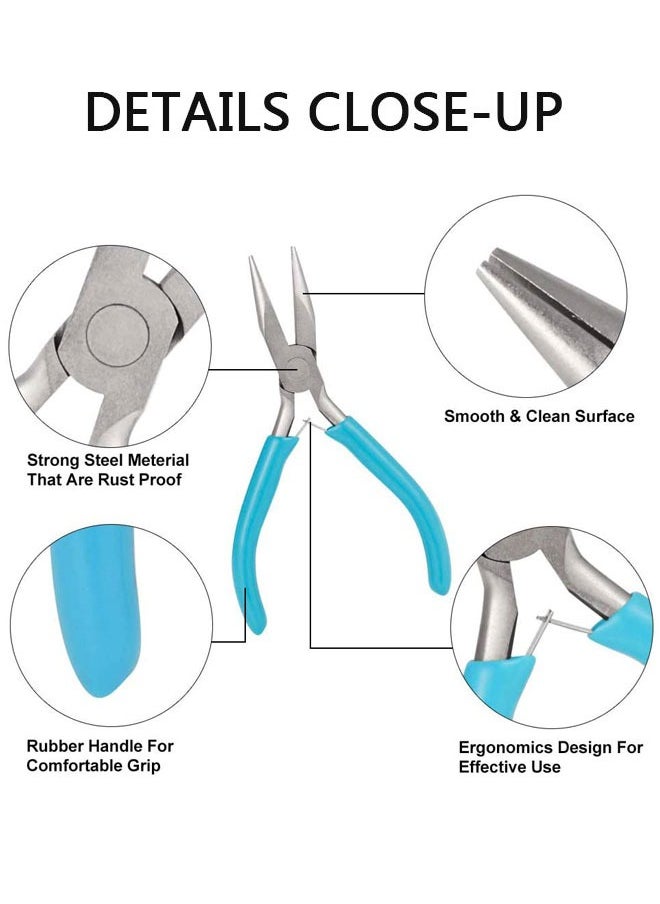
Good needle-nose pliers use strong metals like steel. This keeps them durable and reliable.
| Material | Benefit |
| Carbon steel | Strong and holds sharp edges well |
| Stainless steel | Resists rust and lasts longer |
| Chrome vanadium | Extra tough for heavy use |
Check the finish. A smooth finish protects against rust and wear.
Grip And Comfort
Comfortable handles reduce hand fatigue during work. Look for soft, non-slip grips.
- Rubber or plastic coating for better hold
- Ergonomic shapes fit your hand well
- Non-slip surfaces prevent accidents
- Size of handle matches your hand size

Credit: www.reddit.com
Basic Techniques For Needle-nose Pliers
Needle-nose pliers are useful tools for gripping, bending, and shaping small objects. Learning how to use them correctly makes tasks easier and safer.
This guide covers how to hold, grip, and bend wires with needle-nose pliers. These basic techniques help you work with precision and control.
Proper Holding And Positioning
Hold the pliers firmly but not too tight. Keep your hand relaxed to avoid fatigue. Position the pliers so the tips face the workpiece directly.
Use your dominant hand to control the pliers. Support the object with your other hand if needed. Make sure your wrist stays straight for better control.
Common Gripping Methods
Needle-nose pliers can grip objects in several ways. Choose the grip that fits your task for the best result.
- Tip Grip:Use the very tips for small or delicate items.
- Middle Grip:Hold objects between the middle of the jaws for more force.
- Full Jaw Grip:Use the entire jaw length for larger items.
- Side Grip:Hold objects between the sides of the jaws for better angle control.
Bending And Shaping Wires
Bending wires with needle-nose pliers requires careful pressure and control. Use the jaws to shape wires without breaking or damaging them.
| Wire Type | Bending Tip | Notes |
|---|---|---|
| Thin Wire | Use the plier tips for tight bends. | Work slowly to avoid snapping. |
| Medium Wire | Use middle jaw area for smooth curves. | Apply steady pressure. |
| Thick Wire | Use full jaw grip for strong bends. | May require multiple bends. |
Advanced Tips For Precision Work
Needle-nose pliers help with detailed tasks that need careful control.
Using them right can improve your work quality and save time.
Working In Tight Spaces
Needle-nose pliers fit into small areas where other tools do not reach.
Keep the jaws closed slightly to avoid slipping in narrow spots.
- Choose pliers with a slim, long nose for better reach.
- Use a light grip to prevent damaging nearby parts.
- Position your hand to keep steady control in tight areas.
- Work slowly to avoid sudden movements that could cause harm.
Using Pliers With Delicate Materials
Delicate materials need gentle handling to avoid breaks or marks.
| Material | Tip for Using Pliers |
|---|---|
| Thin Wire | Wrap jaws with tape for extra grip and softness. |
| Soft Plastic | Use light pressure and avoid squeezing too hard. |
| Glass | Hold gently and avoid sharp jaw edges. |
| Electronics | Use pliers with insulated handles to protect parts. |
Combining Tools For Efficiency
Using needle-nose pliers with other tools can improve your speed.
- Hold small parts with pliers while tightening screws with a screwdriver.
- Use tweezers for very tiny pieces, then switch to pliers for more grip.
- Pair pliers with a magnifier to see details clearly and work precisely.
- Combine pliers with a wire cutter to shape and trim wires quickly.

Credit: spannerss.wordpress.com
Maintenance And Care
Needle-nose pliers last longer with proper care. Regular maintenance keeps them working well.
Simple steps like cleaning and storing them right help avoid rust and damage.
Cleaning And Lubricating
Clean your pliers after each use. Remove dirt and grease to stop buildup.
- Wipe the tool with a dry cloth
- Use mild soap and water for tougher grime
- Dry completely to avoid rust
- Apply a few drops of oil on the joints
- Work the oil into the hinge by opening and closing the pliers
Sharpening And Alignment
Keep the tips sharp for precise work. Use a fine file or sharpening stone carefully.
Check the alignment by closing the jaws. They should meet evenly without gaps.
| Check | Action |
|---|---|
| Jaws not aligned | Bend gently with pliers or hammer |
| Dull tips | File with a fine metal file |
| Loose hinge | Tighten screw or pin |
Storage Tips
Store pliers in a dry place to stop rust. Avoid damp or humid areas.
- Use a tool box or drawer organizer
- Keep them separate from heavy tools
- Wrap in cloth if storing for long periods
- Apply light oil before storing if needed
Safety Measures
Using needle-nose pliers can be safe if you follow the right safety steps. These tools help with gripping, bending, and cutting small objects.
It is important to protect yourself from injuries. Knowing how to use the pliers safely will keep your hands and body safe.
Protecting Your Hands
Wear gloves to protect your hands from cuts and pinches. Gloves also improve your grip on the pliers.
Keep your hands dry and clean. Wet hands can slip and cause accidents.
- Use gloves made for hand tools
- Check gloves for holes or tears
- Wash hands after using the pliers
- Keep nails trimmed to avoid snagging
Avoiding Common Injuries
Do not use needle-nose pliers for tasks they are not made for. Using them wrongly can cause strain or damage.
Watch your fingers and hands while working. Keep clear from the cutting edges and gripping parts.
- Never use pliers as a hammer
- Do not apply too much force
- Keep fingers away from the jaws
- Replace damaged pliers immediately
Safe Usage Practices
Hold the pliers firmly but do not squeeze too hard. Use smooth, controlled motions to avoid slipping.
Store the pliers properly after use. Keep them in a dry place to stop rust and damage.
- Check pliers before each use
- Use the right size pliers for the job
- Keep jaws clean and free of grease
- Store in a toolbox or on a rack
Credit: true-routes.com
Frequently Asked Questions
What Are Needle-nose Pliers Used For?
Needle-nose pliers are ideal for gripping, bending, and cutting small wires. They excel in tight spaces and detailed work, commonly used in electronics, jewelry making, and crafts.
How Do I Grip Objects With Needle-nose Pliers?
Open the pliers and place the object between the jaws. Squeeze the handles gently but firmly to hold the object securely without slipping or damaging it.
Can Needle-nose Pliers Cut Wires Effectively?
Yes, many needle-nose pliers have a cutting edge near the pivot. Use this edge to cut thin wires precisely and cleanly, avoiding damage to the pliers.
How To Maintain Needle-nose Pliers For Long Life?
Keep the pliers clean and dry after each use. Regularly apply light oil to the pivot joint to ensure smooth operation and prevent rust.
Conclusion
Needle-nose pliers are useful for many tasks. They help reach tight spaces and hold small objects firmly. Always choose the right size for your job. Keep the pliers clean and rust-free for best use. Practice proper hand placement to avoid slipping.
Use steady pressure to prevent damage. With patience, your skills will improve quickly. Small efforts lead to better results. Keep these tips in mind for safe and effective work. Your projects will become easier and more precise.