Have you ever struggled with bending wires using your fingers or basic pliers, only to end up with uneven loops or strained hands? If so, you’re not alone.
Many people face this challenge, especially when working on intricate projects or detailed crafts. The good news is, there’s a simple tool that can make your life easier: needle-nose pliers. These handy tools are a game-changer when it comes to precision and control in wire bending.
Imagine creating perfect loops and bends with ease, all while saving time and effort. By mastering the use of needle-nose pliers, you’ll enhance your projects and enjoy the process more. Ready to discover how this tool can transform your work? Keep reading to unlock the secrets of using needle-nose pliers for bending wires like a pro.
Choosing The Right Needle-nose Pliers
Needle-nose pliers are useful tools for bending wires. Picking the right one helps you work safely and easily.
Look at the types, material, and grip before buying needle-nose pliers. These details affect how well they work.
Types Of Needle-nose Pliers
Needle-nose pliers come in several styles. Each style fits different tasks and wire types.
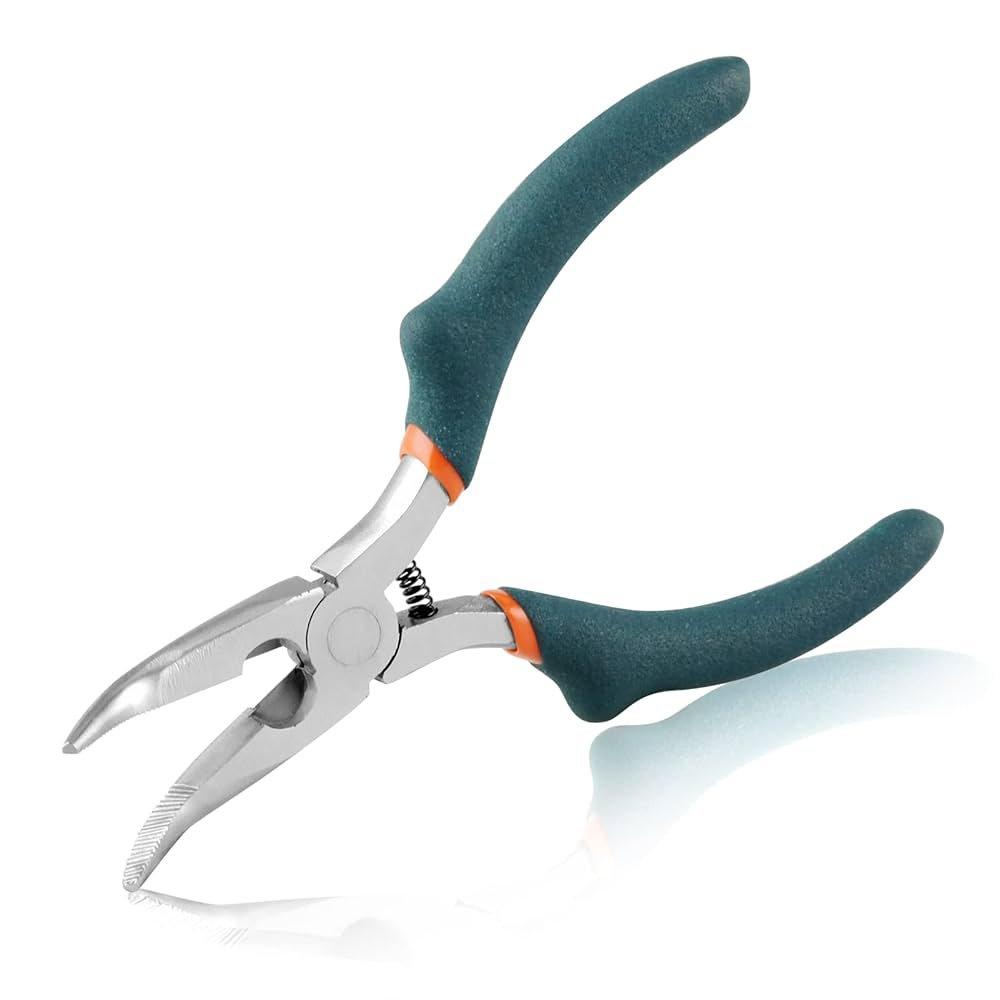
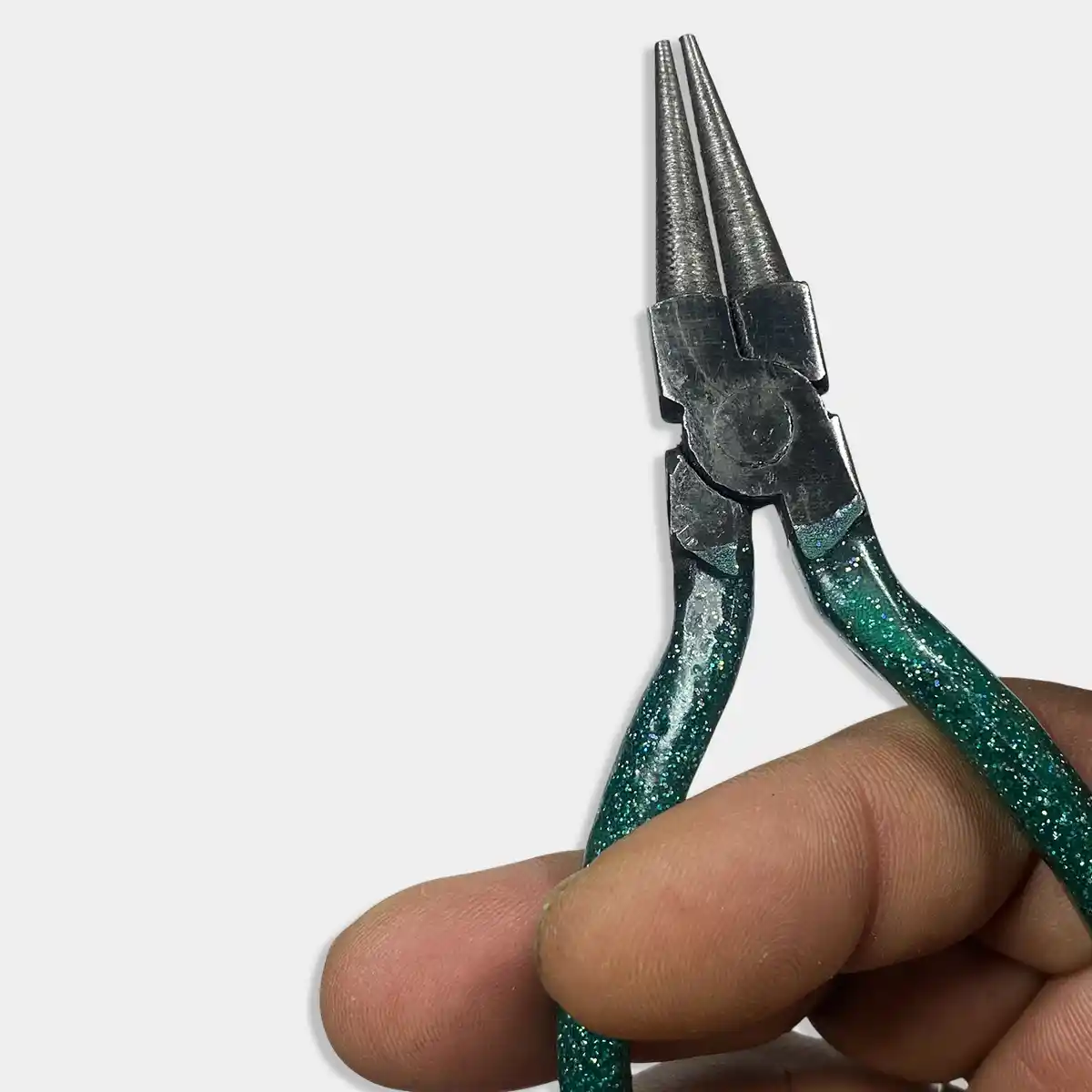
Long nose pliers have thin, pointed tips for tight spots. Bent nose pliers have angled jaws for better access.
- Long nose pliers: straight, thin tips for precision
- Bent nose pliers: angled tips for hard-to-reach places
- Combination pliers: mix of needle-nose and regular pliers
Material And Build Quality
Good pliers use strong metals like steel to last long. Rust-resistant coatings keep them safe in wet areas.
Check if the pliers feel sturdy and solid. Weak joints can break and cause accidents.
- Steel body for strength
- Rust-resistant finish
- Secure joint for smooth movement
Comfort And Grip
Comfort matters when bending wires for a long time. Pliers with soft handles reduce hand strain.
Look for grips that stop slipping. Non-slip handles give better control and safety.
- Soft, cushioned handles
- Textured or rubber grips
- Ergonomic shape for hand comfort
Credit: www.aliexpress.com
Preparing Wires For Bending
Using needle-nose pliers to bend wires needs proper preparation. Preparing wires well makes bending easier and safer.
This guide explains how to get wires ready before bending them with needle-nose pliers.
Selecting Suitable Wire Types
Choose the right wire type for your project. Some wires bend easily, while others are hard to shape.
Soft metals like copper and aluminum are best for bending. Harder wires need more force and can break.
- Copper wire is flexible and good for crafts.
- Aluminum wire is light and easy to bend.
- Steel wire is strong but harder to bend.
- Avoid very thick wires for needle-nose pliers.
Cutting And Stripping Wires
Cut wires to the right length before bending. Use wire cutters for a clean cut.
Strip the wire ends if needed. Remove the insulation carefully without damaging the wire.
- Measure and mark wire length first.
- Cut wire straight with sharp cutters.
- Use a wire stripper to remove insulation.
- Check wire for damage after stripping.
Safety Precautions
Protect yourself when handling wires. Safety helps avoid cuts and electric shocks.
Wear safety glasses and gloves. Work in a well-lit and clean area.
- Use insulated tools for electrical wires.
- Keep fingers away from cutting edges.
- Work slowly to avoid mistakes.
- Check wire for sharp ends after cutting.
Basic Wire Bending Techniques
Needle-nose pliers are useful tools for bending wires precisely. They help shape wires for crafts, repairs, and electronics.
Learning simple bending techniques makes your work easier and cleaner. This guide covers how to hold the pliers, make bends, and avoid errors.
Holding The Pliers Correctly
Hold the pliers with a firm grip near the joint. Your thumb and fingers should wrap around the handles comfortably.
- Place the wire between the jaws close to the tip.
- Keep your wrist straight to control the movement.
- Use your other hand to support the wire if needed.
- Do not squeeze too hard to avoid damaging the wire.
Creating Simple Bends
Start by gripping the wire where you want the bend. Slowly move the pliers to form the angle you need.
- Grip the wire firmly but gently.
- Bend the wire by rotating your wrist or moving the pliers jaws.
- Check the bend angle and adjust if necessary.
- Repeat for additional bends to shape the wire.
Avoiding Common Mistakes
| Mistake | Effect | How to Avoid |
| Gripping too tightly | Wire may break or deform | Use steady, moderate pressure |
| Bending too quickly | Uneven or sharp bends | Bend slowly and control the motion |
| Holding pliers too far from tip | Less control, sloppy bends | Hold near the jaws for precision |
| Ignoring wire type | Wire may not bend well or get damaged | Use appropriate pliers and adjust force |
Advanced Bending Methods
Needle-nose pliers help shape wires with precision and control. Using advanced methods, you can create complex wire forms.
This guide covers forming loops and hooks, making sharp angles, and twisting wires with pliers.
Forming Loops And Hooks
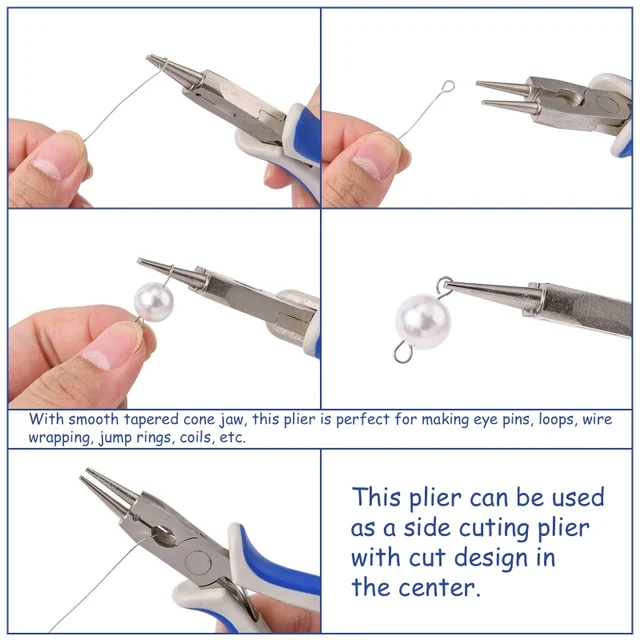
Loops and hooks are common shapes in wire work. Use the pliers’ tips to curl the wire smoothly.
- Grip the wire near the end with the pliers.
- Rotate the pliers to bend the wire around the tip.
- For hooks, bend the wire sharply after the loop.
- Adjust the size by opening or closing the curl.
Making Sharp Angles
Sharp angles give wires strong bends and defined shapes. Use the flat edge of the pliers to bend the wire at the desired point.
| Angle Type | Method |
| 90 Degrees | Place wire between jaws and bend down sharply |
| 45 Degrees | Bend gently with slow pressure |
| Multiple Angles | Bend in small increments along the wire |
Using Pliers For Twisting
Twisting wires creates strong bonds or decorative effects. Hold both wire ends with pliers and twist evenly.
Follow these tips for twisting wires:
- Grip one wire end with one pair of pliers.
- Hold the other wire end with another pair or your hand.
- Turn the pliers to twist the wires tightly together.
- Keep twists uniform for a neat appearance.
- Use needle-nose pliers for small or detailed twists.
Maintaining Needle-nose Pliers
Needle-nose pliers bend wires precisely. Keeping them in good shape helps them work well. Proper care makes them last longer and stay sharp.
Regular maintenance prevents rust and damage. It also keeps the handles smooth and the jaws aligned. Follow simple steps to care for your tool.
Cleaning And Lubrication
Clean your pliers after each use. Dirt and grease can build up and cause rust. Wipe the metal parts with a dry cloth to remove dust and grime.
Use a small amount of light machine oil on the joint. This keeps the movement smooth. Avoid using too much oil to prevent dirt sticking.
- Wipe jaws and handles with a clean cloth
- Apply oil to the pivot joint regularly
- Remove excess oil with a dry cloth
- Store in a dry place to avoid rust
Sharpening Tips
Needle-nose pliers usually do not need sharpening. But if the jaws get dull, you can sharpen them carefully. Use a fine file or sharpening stone for best results.
Work slowly and file the edges evenly. Keep the original shape of the jaws. Avoid removing too much metal to keep the pliers strong.
- Use a fine metal file or sharpening stone
- File the jaws gently and evenly
- Keep the original jaw shape
- Check the fit by closing the jaws after sharpening
Storage Recommendations
Store needle-nose pliers in a dry place. Moisture can cause rust and damage. Use a toolbox or tool rack to keep them safe and easy to find.
Avoid dropping or throwing pliers in a drawer. This can bend or dull the jaws. Use protective covers or cases if available to protect the tips.
- Keep pliers in a dry toolbox or rack
- Avoid tossing them in crowded drawers
- Use protective covers for the jaws
- Store with other hand tools to prevent damage

Credit: www.amazon.ca
Troubleshooting Common Issues
Using needle-nose pliers to bend wires can sometimes cause problems. Knowing how to fix these issues helps you work better and safer.
This guide covers common troubles and easy ways to solve them.
Dealing With Wire Slippage
Wire slippage happens when the wire slips out of the pliers’ grip. This can make bending hard and cause mistakes.
- Check if the pliers’ tips are clean and free from oil or dirt.
- Use pliers with serrated jaws for a better grip.
- Apply firm but gentle pressure to hold the wire firmly.
- Try wrapping the wire end with tape for extra grip.
- Replace the pliers if the tips are worn out or smooth.
Handling Bent Or Damaged Pliers
Bent or damaged pliers lose precision and can harm the wire or your hands. Fix small bends to keep them working well.
| Problem | Cause | Fix |
| Bent tips | Dropping or heavy use | Gently bend back with a hammer or another tool |
| Loose joint | Wear or rust | Tighten screw or add lubricant |
| Rust spots | Exposure to moisture | Clean with steel wool and apply oil |
| Worn grip | Old or damaged handle | Replace grips or the whole tool |
Fixing Wire Breaks
Wire breaks can stop your work. Fix or avoid breaks by following these tips.
- Use the right wire type and thickness for your project.
- Bend the wire slowly to avoid stress points.
- Support the wire close to the bend with your pliers.
- Trim any sharp ends to prevent cracks.
- Replace broken wire pieces if they are weak or damaged.
Credit: aarimaterials.com
Frequently Asked Questions
What Are Needle-nose Pliers Used For?
Needle-nose pliers are ideal for bending, gripping, and cutting wires. They work well in tight spaces and delicate tasks. Their long, narrow jaws provide precision and control for intricate wire bending.
How Do You Bend Wire With Needle-nose Pliers?
Grip the wire firmly near the bend point with the pliers. Slowly apply pressure to shape the wire. Use the narrow tip for sharp bends and the flat part for smooth curves.
Can Needle-nose Pliers Cut Wire?
Yes, many needle-nose pliers have a built-in cutting edge near the pivot. They can cut thin wires effectively. However, for thicker wires, use dedicated wire cutters to avoid tool damage.
What Wire Types Work Best With Needle-nose Pliers?
Needle-nose pliers work best with soft to medium gauge wires. Common types include copper, aluminum, and thin steel wires. Avoid hard or thick wires that may damage the pliers.
Conclusion
Needle-nose pliers help bend wires with control and ease. Hold the wire firmly and bend it slowly. Practice makes your bends neat and accurate. Choose the right pliers for the wire size. Keep your hands steady to avoid slips. Using these tips will improve your wire work.
Small steps lead to better results. Enjoy creating with needle-nose pliers every time.