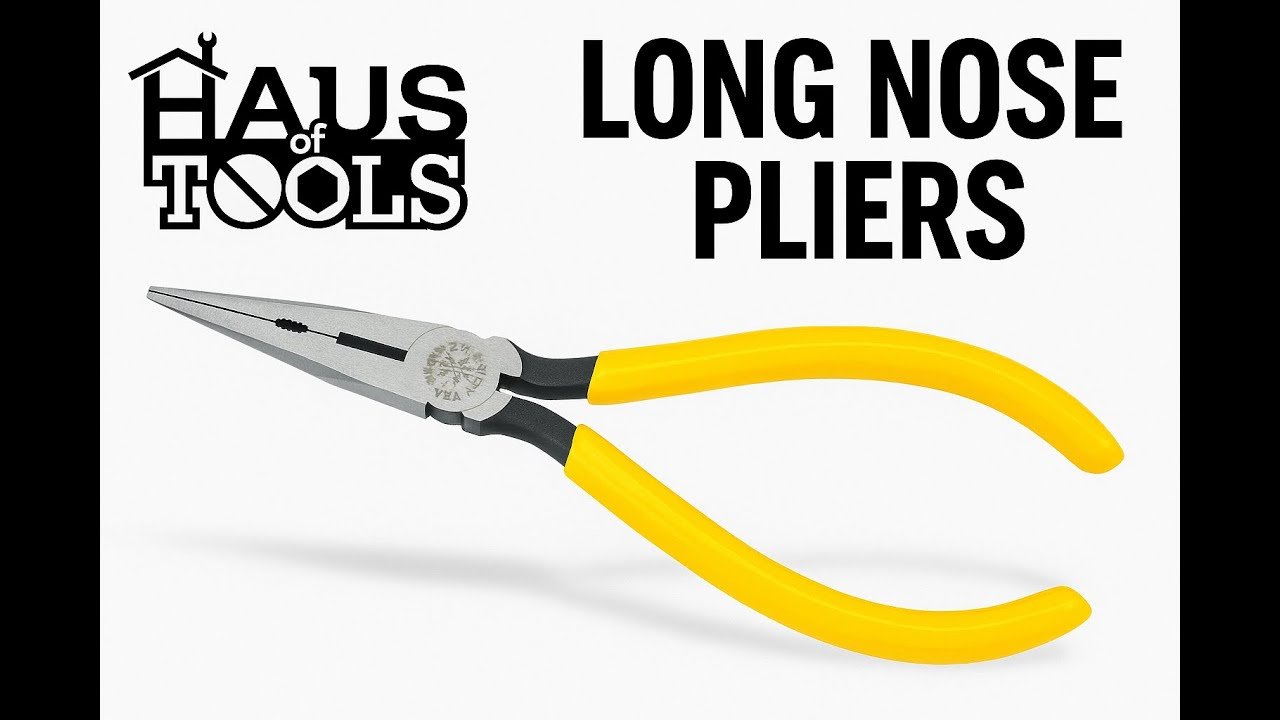
If you’ve ever struggled to twist, bend, or grip wires with your bare hands, needle-nose pliers can be your best friend. These slim, pointed tools give you the control and precision you need for delicate tasks.
But do you know how to use them right? Learning the right techniques can save you time, prevent damage to your wires, and make your projects much easier. Keep reading, and you’ll discover simple tips that will transform how you work with wires using needle-nose pliers.

Credit: www.amazon.com
Choosing The Right Needle-nose Pliers
Needle-nose pliers are useful for gripping, bending, and cutting wires. Picking the right type helps you work safely and efficiently.
This guide explains different types of needle-nose pliers and what to consider about their material and grip.
Types Of Needle-nose Pliers
Needle-nose pliers come in various shapes and sizes. Each type suits different tasks and wire types.
- Standard Needle-Nose:Long, thin tips for precise gripping and bending.
- Bent Nose:Tips bent at an angle for hard-to-reach places.
- Round Nose:Rounded tips for making loops in wires.
- Wire Cutters:Needle-nose combined with wire cutting edges.
Material And Grip Considerations
Choosing pliers made from strong materials and having a good grip can protect your hands and improve control.
| Material | Advantages | Disadvantages |
| Carbon Steel | Durable and holds sharp edges well | Can rust if not cared for |
| Stainless Steel | Resists rust and corrosion | May be less strong than carbon steel |
| Chrome Vanadium | Strong and resistant to wear | Usually more expensive |
- Grip Type:Look for non-slip rubber handles for comfort.
- Handle Size:Choose handles that fit your hand well.
- Insulated Handles:Needed for electrical work to prevent shocks.
Preparing Wires For Work
Using needle-nose pliers properly starts with preparing the wires. Good preparation makes your work easier and safer.
This guide covers how to strip wire insulation and clean and straighten wires before use.
Stripping Wire Insulation
Remove the insulation carefully without damaging the wire strands inside. Needle-nose pliers can help pull off the insulation once it is cut.
- Use a wire stripper or a sharp knife to cut around the insulation.
- Do not cut too deep to avoid nicking the wire.
- Grip the wire with needle-nose pliers close to the cut.
- Pull the insulation away from the wire gently.
- Check the exposed wire for any damage.
Cleaning And Straightening Wires
Before connecting wires, clean and straighten them to ensure good contact. Needle-nose pliers can help remove dirt and shape the wire.
| Cleaning Task | How Needle-Nose Pliers Help |
| Remove corrosion or dirt | Use pliers tips to scrape gently |
| Twist wire strands together | Grip and twist wires firmly |
| Straighten bent wires | Hold and pull wires straight |
| Shape wire ends | Bend wires into hooks or loops |
Basic Techniques With Needle-nose Pliers
Needle-nose pliers are useful tools for working with wires. They help grip, bend, and twist wires safely and precisely. Learning basic techniques can make your tasks easier and safer.
This guide covers key skills to use needle-nose pliers correctly. Focus on gripping and holding wires, bending wires accurately, and twisting wires safely.
Gripping And Holding Wires
Use the pointed tips of the pliers to grip wires tightly. Hold the handles firmly but do not squeeze too hard to avoid damaging the wire. The narrow jaws let you reach small spaces and hold wires steadily.
Follow these tips for a strong grip:
- Position the wire near the tip of the jaws for best control.
- Keep your hand steady to prevent slipping.
- Use the textured inner surfaces of the jaws to increase grip.
- Do not use needle-nose pliers to cut thick wires.
Bending Wires Accurately
Bending wires with needle-nose pliers requires care to keep shapes precise. Hold the wire firmly and use the pliers to bend at the desired angle. You can make sharp or smooth bends depending on how you move the jaws.
| Wire Type | Bending Tip | Use Case |
| Thin Wire | Use the very tip for tight bends | Jewelry making, small circuits |
| Medium Wire | Grip further from tip for softer bends | Electrical wiring, crafts |
| Thick Wire | Apply more force with wider grip | Structural frames, heavy-duty wiring |
Twisting Wires Safely
Twisting wires joins them securely. Use the pliers to hold one wire steady. Twist the other wire around it by turning the pliers or your wrist. Always keep control to avoid sharp wire ends.
- Wear safety glasses to protect your eyes.
- Keep fingers away from the twisting point.
- Twist wires slowly to avoid breaking them.
- Check that the twist is tight but not too tight to cut the wire.

Credit: www.youtube.com
Advanced Wire Manipulation Tips
Needle-nose pliers are perfect for detailed wire work. They help shape wires and make tight bends.
Using these pliers correctly improves your wiring projects. Learn key techniques for better results.
Creating Loops And Hooks
Hold the wire near the tip of the pliers for control. Bend the wire slowly to form smooth loops or hooks. Avoid sharp bends that weaken the wire.
- Use the round nose part of the pliers for curves.
- Rotate the pliers to shape the wire evenly.
- Check loop size to fit your project needs.
- Practice small loops before making larger ones.
Making Precise Cuts
Position wire cutters close to the base for clean cuts. Cut wires straight to avoid sharp edges. Use steady pressure to prevent crushing the wire.
| Tip | Reason |
|---|---|
| Cut near the joint | Ensures a clean break without fraying |
| Use sharp cutters | Reduces wire deformation |
| Hold wire firmly | Prevents slipping during cutting |
| Trim excess wire | Improves safety and appearance |
Securing Connections
After shaping, twist wires tightly to secure. Use needle-nose pliers to press connections close together. Avoid over-bending, which can break the wire.
- Twist wires clockwise for a firm hold.
- Use pliers to press twisted wires flat.
- Check connections for looseness before finalizing.
- Trim any loose wire ends to prevent shorts.
Safety Measures And Maintenance
Using needle-nose pliers for wires requires care and attention. Safety helps prevent injuries while working with sharp or live wires.
Maintaining your pliers keeps them in good shape and makes your work easier and safer.
Protecting Hands And Eyes
Always protect your hands and eyes when using needle-nose pliers. Wires can snap, and sharp tips can cause cuts or pokes.
- Wear safety goggles to shield your eyes from flying wire bits.
- Use gloves to protect your hands from cuts and pinches.
- Check the wire for electricity before handling to avoid shocks.
- Keep your hands clear of the pliers’ jaws to avoid pinching.
- Work in a well-lit area to see clearly what you are doing.
Cleaning And Storing Pliers
Keep your needle-nose pliers clean and dry. Proper storage prevents rust and damage.
| Task | How to Do It |
|---|---|
| Cleaning | Wipe pliers with a dry cloth after use. Use a small brush to clean teeth and joints. |
| Lubrication | Apply light machine oil to the joint to keep it moving smoothly. |
| Storage | Store pliers in a dry toolbox or hang them on a pegboard to avoid moisture. |
| Inspection | Check for rust, loose parts, or damage before each use. |

Credit: www.youtube.com
Common Mistakes To Avoid
Needle-nose pliers are great for working with wires. Using them wrong can cause problems.
Learn what mistakes to avoid for better results and safer work.
Over-bending And Wire Damage
Bending wires too much with needle-nose pliers can break them. Over-bending weakens wire inside.
Damaged wires cause poor connections or no connection at all. Be gentle when bending wires.
- Do not bend wires more than needed
- Use smooth pressure, avoid sharp bends
- Check wires for breaks after bending
- Use the right pliers size for wire thickness
Using Pliers For Wrong Tasks
Needle-nose pliers are not for cutting thick wires or gripping hard objects. Using them wrong breaks the tool.
Use the right tool for each job. This keeps your pliers in good shape and makes work easier.
- Do not use needle-nose pliers to cut hard wires
- Avoid using them as a hammer or wrench
- Use wire cutters for trimming wires
- Use adjustable pliers for gripping big parts
Frequently Asked Questions
What Are Needle-nose Pliers Used For?
Needle-nose pliers are primarily used for gripping, bending, and cutting wires. Their long, tapered jaws make them ideal for reaching into tight spaces. They are essential for electrical work, jewelry making, and small repairs. The precision tip allows for detailed tasks, ensuring accurate wire manipulation and safe handling.
How Do You Hold Needle-nose Pliers?
To hold needle-nose pliers, grip the handles firmly with your dominant hand. Ensure your fingers are wrapped around the handles for control. Position your thumb opposite your fingers for stability. This grip allows precise movement and control over the pliers’ jaws, ensuring effective and safe wire manipulation.
Can Needle-nose Pliers Cut Wires?
Yes, needle-nose pliers can cut wires, especially thin ones. They have a cutting edge near the jaws. This feature allows them to cleanly snip through wires. However, for thicker wires, use a more robust tool like a wire cutter. Always ensure the pliers are sharp for efficient cutting.
Are Needle-nose Pliers Safe For Electrical Work?
Yes, needle-nose pliers are safe for electrical work when used properly. Ensure they have insulated handles to prevent electrical shocks. They are ideal for gripping and bending wires in confined spaces. However, always ensure the power is off before working with electrical components for safety.
Conclusion
Needle-nose pliers are helpful for bending and cutting wires. Hold the tool firmly for better control and safety. Use the pointed tips to reach tight spaces easily. Avoid using too much force to protect the wires and tool. Practice a few times to feel more confident.
These pliers make wire work faster and neater. Keep them clean and store safely after use. Small steps lead to better results. Grab your pliers and start working with wires today!