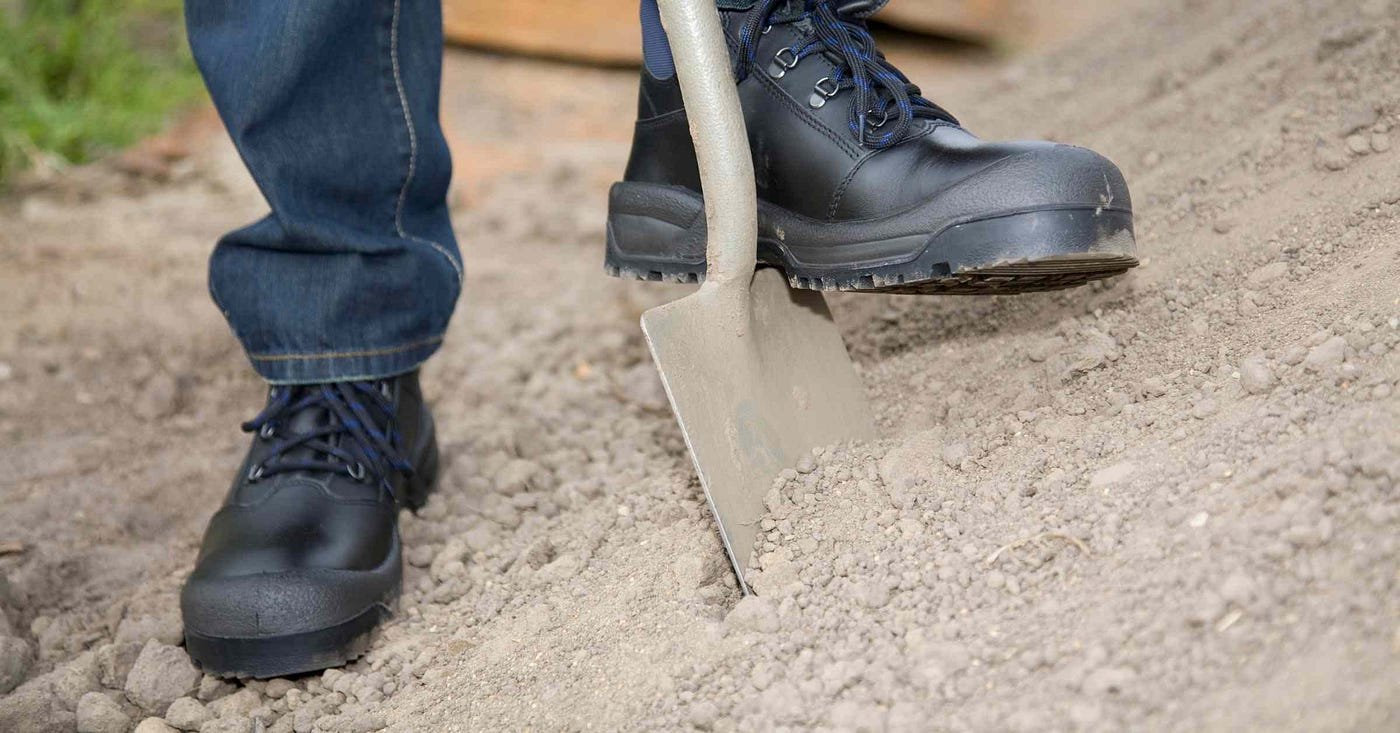
Are you ready to protect your feet and stay safe at work? Using safety boots with steel toes is one of the smartest choices you can make.
These boots shield your toes from heavy objects, sharp tools, and unexpected accidents. But simply wearing them isn’t enough—you need to know how to use them properly to get the full benefit. You’ll learn easy tips and tricks to make sure your steel toe boots keep you safe and comfortable all day long.
Keep reading to discover how to get the most out of your safety boots and protect your feet like a pro.
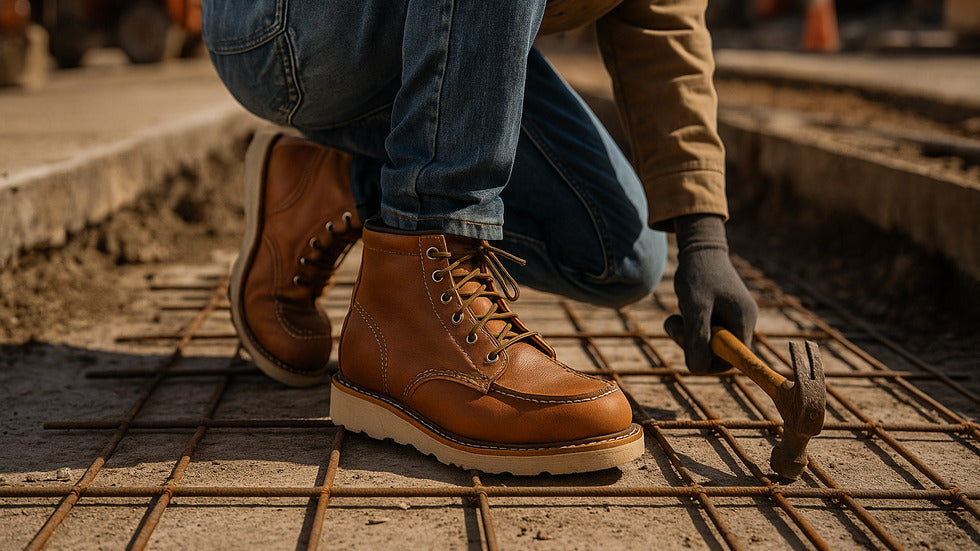
Credit: www.overlookboots.com
Choosing The Right Steel Toe Boots
Steel toe boots protect your feet from heavy objects and sharp items. It is important to pick the right boots for safety and comfort.
Choosing boots that fit well and meet safety rules helps you work better and stay safe.
Materials And Construction
Steel toe boots come in different materials. Leather is strong and lasts long. Synthetic materials are lighter and dry faster.
Look for boots with good stitching and solid soles. The sole should resist slipping and wear. A tough outsole adds extra protection.
- Leather boots are durable and water-resistant
- Synthetic boots are light and quick to dry
- Rubber or polyurethane soles resist slipping
- Strong stitching keeps boots from falling apart
Fit And Comfort
Boots must fit your feet well to avoid pain and injury. Try boots with thick socks to check the fit.
Choose boots with cushioned insoles and good ankle support. This helps reduce foot fatigue during long work hours.
- Leave space for toes to move
- Check heel fits snugly to prevent slipping
- Look for padded collars and tongues
- Try boots on late in the day when feet are bigger
Safety Standards To Check
Check if steel toe boots meet safety rules for your job. Look for certification marks on the boots or box.
These standards ensure boots protect against impact, compression, and electrical hazards.
- ASTM F2413: Standard for impact and compression resistance
- EN ISO 20345: European safety shoe standard
- EH rating: Protection against electrical hazards
- Slip-resistant soles for wet or oily surfaces

Credit: www.ishn.com
Proper Ways To Wear Steel Toe Boots
Wearing steel toe boots correctly keeps your feet safe and comfortable. It also helps the boots last longer.
Learn some simple tips on lacing, adding support, and breaking in your new boots.
Correct Lacing Techniques
Proper lacing keeps your boots snug and prevents foot injuries. Tighten the laces evenly to avoid pressure points.
- Start by pulling the laces tight at the bottom eyelets.
- Cross the laces over and thread them through the next eyelets.
- Keep the tension even on both sides as you move up.
- Use the hooks near the top for extra ankle support.
- Tie a secure knot to prevent loosening during work.
Using Insoles For Extra Support
Insoles add comfort and reduce foot fatigue. Choose insoles that fit your boots and foot shape well.
| Insole Type | Best For | Benefits |
| Gel Insoles | High impact jobs | Shock absorption |
| Foam Insoles | All-day wear | Comfort and cushioning |
| Orthotic Insoles | Foot pain relief | Arch support |
Breaking In New Boots
New boots feel stiff at first. Break them in slowly to avoid blisters and soreness.
- Wear your boots for short periods at home first.
- Use thick socks to protect your feet.
- Walk on soft surfaces to soften the boot material.
- Apply leather conditioner to keep the boots flexible.
- Increase wear time gradually each day.
Maintaining Your Safety Boots
Safety boots with steel toes protect your feet in tough jobs. Taking care of them helps keep them strong. Proper maintenance also extends the life of your boots.
This guide covers cleaning, checking for damage, and knowing when to replace your boots. Follow these tips to keep your safety boots in good shape.
Cleaning And Drying Tips
Keep your boots clean to prevent damage and smells. Dirt and moisture can break down the materials.
- Brush off mud and dirt after each use.
- Use a damp cloth with mild soap to clean the surface.
- Do not soak your boots in water.
- Dry your boots naturally at room temperature.
- Avoid placing boots near direct heat or sunlight.
- Use newspaper inside the boots to absorb moisture.
Regular Inspections For Damage
Check your boots regularly to spot damage early. This helps keep your feet safe and comfortable.
| Part of Boot | What to Check | Why It Matters |
|---|---|---|
| Steel Toe Cap | Cracks or dents | Protects your toes from impact |
| Soles | Worn or cracked areas | Prevents slips and provides support |
| Stitching | Loose threads or breaks | Keeps boot structure strong |
| Uppers | Tears or holes | Keeps moisture and dirt out |
| Eyelets and Laces | Broken or missing parts | Ensures secure fit |
When To Replace Your Boots
Knowing when to replace your boots keeps you safe on the job. Old boots may lose protection.
- Steel toe is cracked or bent.
- Soles have deep cracks or are very thin.
- Boots leak water or smell bad after cleaning.
- Boots feel uncomfortable or lose support.
- Damage cannot be fixed by repair.
Enhancing Protection With Accessories
Steel toe safety boots protect your feet from heavy impacts. You can add accessories to increase this protection.
Accessories help keep your boots in good shape and improve comfort and safety. They make your work safer and easier.
Using Waterproof Covers
Waterproof covers keep your steel toe boots dry in wet conditions. They stop water from soaking into the boots.
These covers protect your feet from cold and wetness. They are easy to put on and take off over your boots.
- Choose covers that fit snugly over your boots
- Look for durable and tear-resistant materials
- Clean and dry covers after use to prevent damage
Adding Slip-resistant Soles
Slip-resistant soles help prevent falls on slippery surfaces. They give better grip on wet or oily floors.
You can add slip-resistant soles to your boots or buy boots with this feature built in. Always check the sole condition.
- Look for soles with deep treads for extra grip
- Replace soles if they become worn out
- Choose soles made from rubber or similar materials
Wearing Safety Socks
Safety socks add comfort and protection inside your boots. They reduce foot injuries and absorb sweat.
These socks often have extra padding and use materials that keep feet dry and cool all day.
- Pick socks made of breathable fabrics like cotton or wool
- Choose socks with extra cushioning on toes and heels
- Change socks daily to keep feet clean and healthy
Common Mistakes To Avoid
Safety boots with steel toes protect your feet in tough work conditions. Using them wrong can cause discomfort or injury. Avoid common mistakes to get the best protection and comfort.
Knowing what not to do helps you keep your boots effective and safe. Read on to learn common errors and how to avoid them.
Ignoring Proper Fit
Wearing boots that do not fit well can cause pain and reduce safety. Boots that are too tight hurt your feet. Boots that are too loose can cause slips or trips.
Proper fit means you have enough space for your toes but the boot stays secure. Always try boots on with the socks you plan to wear at work.
- Measure your feet before buying
- Check toe room and heel fit
- Wear work socks when trying boots
- Test walking to check comfort
Neglecting Boot Maintenance
Safety boots need regular care to last longer and stay safe. Dirt, mud, and water can damage the boots over time. Ignoring cleaning and drying can cause cracks or weak spots.
Check your boots often for damage and fix small problems quickly. Proper care keeps the steel toe strong and the boots comfortable.
- Clean boots after each use
- Dry boots away from direct heat
- Apply leather conditioner if needed
- Inspect soles and steel toes regularly
Using Boots For Wrong Activities
Steel toe boots protect your feet in specific jobs. Using them for the wrong activities can reduce their life and safety. For example, using heavy work boots for running or sports is unsafe.
Choose the right boots for your task. Using boots only for their designed work keeps them in good shape and protects your feet better.
- Do not wear work boots for casual walking or sports
- Use boots designed for your workplace hazards
- Replace boots if they get damaged during wrong use

Credit: www.safetoeshop.com
Frequently Asked Questions
What Are Safety Boots With Steel Toes?
Safety boots with steel toes are protective footwear designed to shield feet from heavy objects. The steel toe cap helps prevent injuries from impacts and compression. They are essential in environments where heavy machinery or materials are present. By wearing these boots, workers can ensure better foot protection and safety.
How Do Steel Toe Boots Protect Feet?
Steel toe boots protect feet by incorporating a reinforced steel cap in the toe area. This cap effectively absorbs and disperses impact forces from falling objects. Additionally, they prevent foot injuries by providing a sturdy barrier against heavy or sharp materials.
This makes them essential for hazardous work environments.
Are Steel Toe Boots Comfortable For Long Hours?
Modern steel toe boots are designed for both protection and comfort. They feature padded insoles, breathable linings, and ergonomic designs. This ensures they can be worn comfortably for extended periods. Choosing the right size and style enhances comfort further, allowing for safe and comfortable all-day wear.
How To Choose The Right Size Steel Toe Boots?
Choosing the right size involves measuring your feet accurately and considering width and arch support. Always try boots with the socks you’ll wear at work. It’s essential to walk around in them to ensure comfort. A properly fitting boot should not pinch or cause discomfort.
Conclusion
Steel toe safety boots protect your feet from heavy objects and sharp items. Wear them properly to get full protection at work or on tough jobs. Choose the right size and keep them clean for comfort and durability. Check boots for damage before each use to stay safe.
Remember, safety boots are an important part of your gear. Use them every day to avoid injuries and work with confidence. Stay safe, stay comfortable, and protect your feet well.