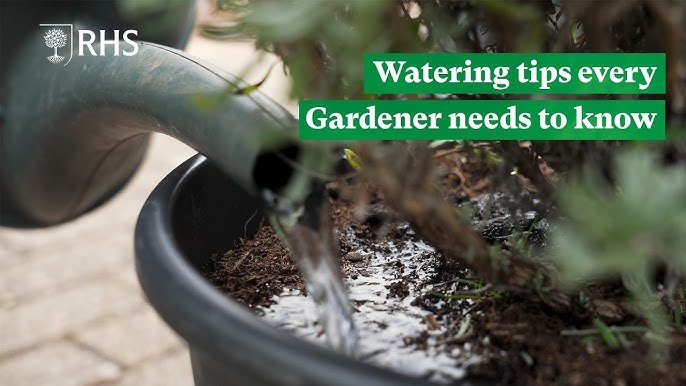
Are your container plants not thriving as expected? You might be making a common yet crucial mistake.
Watering container plants effectively is an art and science that can mean the difference between lush, vibrant growth and wilting, lifeless leaves. Imagine walking into your home or garden and seeing your plants flourishing, bringing a sense of joy and tranquility to your space.
You can achieve this with just a few tweaks to your watering routine. In this guide, you’ll discover simple yet powerful techniques to ensure your container plants receive the right amount of moisture they need to thrive. Ready to transform your plant care routine and enjoy a more vibrant living space? Let’s dive in and uncover the secrets to watering container plants effectively.
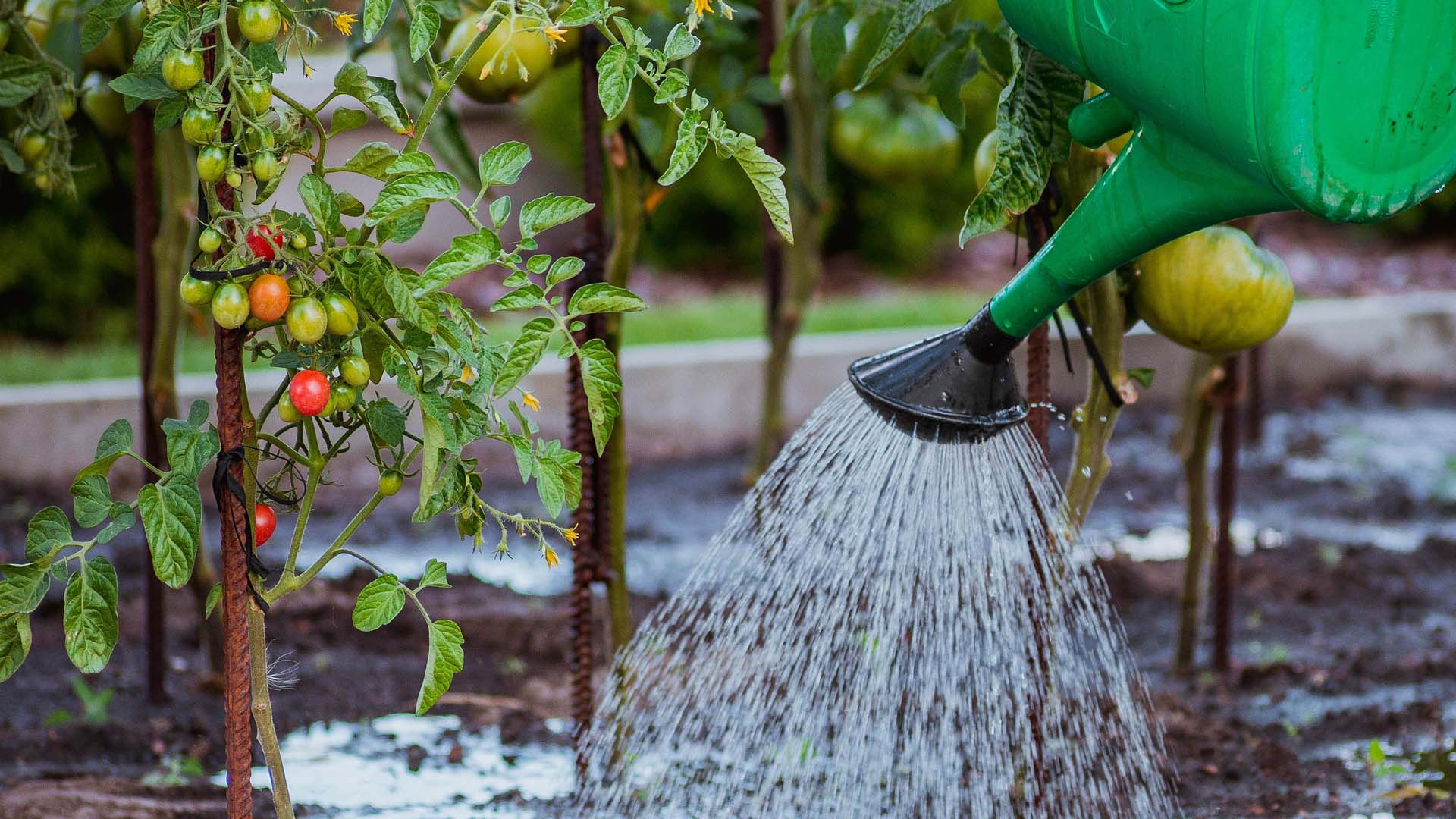
Credit: www.hillier.co.uk
Choosing The Right Containers
Picking the right container helps your plants grow well. Good containers hold water and keep roots healthy.
Think about container material, size, and drainage. These affect how you water your plants.
Material Matters
Containers come in many materials like plastic, clay, and metal. Each holds water differently.
Plastic keeps soil moist longer because it does not dry out fast. Clay pots breathe well but lose water quickly.
- Plastic is light and holds water well
- Clay is porous and dries faster
- Metal can heat up and dry soil fast
- Wood holds moisture but may rot over time
Size And Drainage
Choose a container size that fits the plant’s root system. Too small pots dry out fast.
Drainage holes are important. They stop water from sitting at the bottom and causing root rot.
- Use pots with holes for good drainage
- Pick larger pots for bigger plants
- Small pots need more frequent watering
- Check drainage holes often to keep them clear
Selecting Suitable Soil
Choosing the right soil is key for healthy container plants. Soil affects water absorption and root growth.
Good soil helps plants get the water and nutrients they need. It also prevents problems like overwatering.
Soil Types For Containers
Container soil must be light and drain well. Avoid garden soil because it is too dense for pots.
- Potting mix: A blend of peat, bark, and perlite. It holds moisture but drains well.
- Cactus mix: Good for plants that need less water. It has sand and small stones.
- Seed-starting mix: Fine and soft, ideal for young plants. It drains quickly to stop rotting.
- Soilless mix: Made from coconut coir or peat moss. It is light and keeps air around roots.
Improving Drainage And Moisture Retention
Good drainage stops water from pooling and hurting roots. Moisture retention keeps plants hydrated longer.
| Method | Purpose | Materials |
| Adding perlite | Improves drainage | White volcanic rock |
| Mixing vermiculite | Holds moisture | Light mineral flakes |
| Using sand | Keeps soil loose | Fine or coarse sand |
| Adding compost | Provides nutrients and moisture | Decomposed organic matter |
Watering Basics
Watering container plants is very important for their health. Plants in pots need careful watering because their soil dries out faster.
Good watering helps plants grow strong and stay green. Too much or too little water can harm them.
When To Water
Check the soil before watering your plants. If the top inch feels dry, it is time to water.
Watering early in the morning or late in the afternoon is best. This reduces water loss from evaporation.
- Touch the soil to test moisture
- Water when soil is dry to the touch
- Choose cooler parts of the day for watering
How Much Water Is Enough
Water your container plants until water drains from the bottom. This ensures the roots get enough moisture.
Avoid letting plants sit in water. Good drainage helps prevent root rot and keeps plants healthy.
- Water until it flows out the drainage holes
- Empty excess water from saucers
- Check pots often for dryness
Techniques For Effective Watering
Watering container plants correctly helps them grow strong and healthy. Using the right techniques saves water and prevents plant stress.
Understanding how and when to water is key. This guide explains important tips for watering container plants well.
Deep Watering Benefits
Deep watering means giving plants enough water to soak the soil fully. This encourages roots to grow deeper and stronger.
Shallow watering keeps roots near the surface. This makes plants weaker and less able to handle dry conditions.
- Promotes strong root growth
- Helps plants survive dry periods
- Improves nutrient absorption
- Reduces the frequency of watering
Avoiding Overwatering
Overwatering can harm container plants. Too much water causes roots to rot and stops oxygen from reaching them.
Check soil moisture before watering. Water only if the top inch of soil feels dry to touch.
- Use pots with drainage holes
- Water slowly to let soil absorb moisture
- Do not let plants sit in standing water
- Adjust watering based on weather and plant needs
Tools To Simplify Watering
Watering container plants can be easy with the right tools. These tools help you save time and water.
Using simple watering tools ensures your plants get enough water without extra effort.
Using Watering Cans And Hoses
Watering cans are great for small groups of plants. They give you control over how much water you use.
Hoses help water many container plants quickly. Choose a hose with a spray nozzle for better control.
- Watering cans work well for indoor and balcony plants
- Use a hose with adjustable spray settings
- Water early in the morning or late in the evening
- Check for leaks to avoid wasting water
Automatic Irrigation Options
Automatic irrigation systems save time by watering plants on a schedule. They deliver water evenly to each container.
Drip irrigation and self-watering pots are popular choices. These systems reduce water waste and keep plants healthy.
- Drip irrigation delivers water slowly to plant roots
- Self-watering pots store extra water for later use
- Timers control watering times automatically
- Automatic systems reduce overwatering risk
Adjusting Watering By Plant Type
Container plants have different water needs depending on their type. Knowing how much water each plant requires helps it grow healthy.
Some plants need less water and dry soil, while others like moist soil. Adjust your watering habits to fit each plant’s needs.
Water Needs Of Succulents
Succulents store water in their leaves, so they need less frequent watering. Overwatering can cause root rot in these plants.
- Water only when the soil is dry to the touch.
- Use pots with good drainage to avoid water buildup.
- Water deeply but infrequently, allowing soil to dry out between watering.
- Reduce watering in cooler months when succulents grow slowly.
Hydrating Tropical Plants
Tropical plants like humidity and moist soil. They need more water than succulents but should not be waterlogged.
| Plant Type | Water Frequency | Soil Condition |
| Ferns | Every 2-3 days | Keep soil moist |
| Orchids | Once a week | Allow to dry slightly |
| Peace Lilies | Every 3-4 days | Keep soil evenly moist |
| Philodendrons | Weekly | Soil moist but not soggy |
Seasonal Watering Tips
Watering container plants changes with the seasons. Plants need different amounts of water in hot and cool weather.
Adjusting your watering habits helps plants stay healthy all year long. Watch for signs of dryness or overwatering.
Watering In Hot Weather
In hot weather, container plants dry out quickly. You may need to water them every day, especially in full sun.
Water deeply to reach all roots. Avoid light sprinkling that only wets the surface.
- Water early in the morning or late in the evening to reduce evaporation.
- Check soil moisture daily by touching the soil.
- Use mulch on top to keep soil moist longer.
- Ensure containers have good drainage to prevent waterlogging.
Managing Water In Cooler Months
In cooler months, plants need less water. Soil stays moist longer due to lower temperatures.
Water only when the top inch of soil feels dry. Overwatering can cause root rot in cold weather.
- Check soil moisture twice a week instead of daily.
- Reduce watering amount but keep roots slightly moist.
- Move containers to sheltered spots to protect from cold wind.
- Remove fallen leaves and debris to prevent fungus growth.
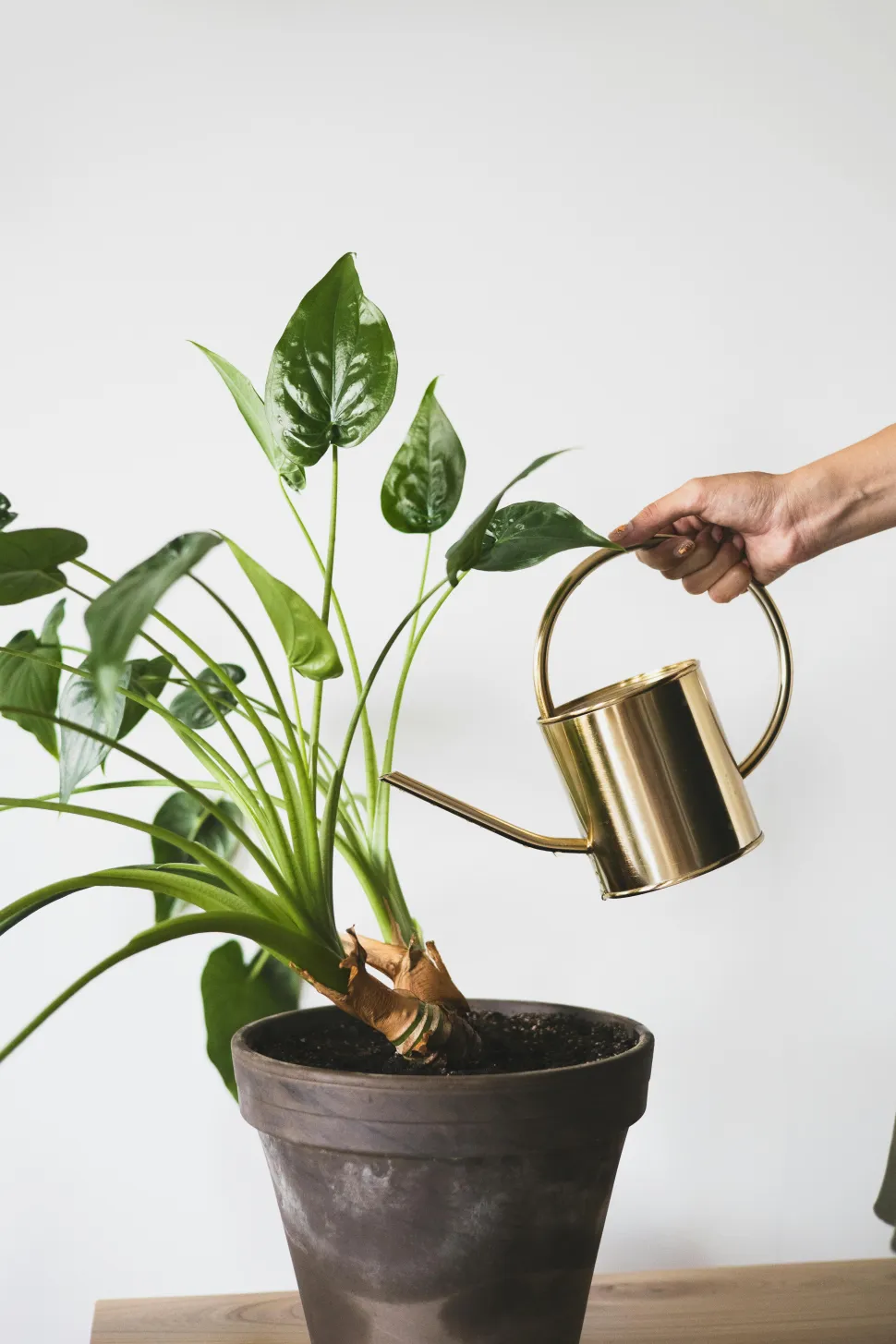
Credit: www.monstera-app.com
Signs Of Water Stress
Container plants need the right amount of water to grow well. Too little or too much water can harm them.
Learning to see the signs of water stress helps you care for your plants better. These signs show if your plant is thirsty or drowning.
Identifying Underwatering
Underwatered plants do not get enough water to stay healthy. They may look dry and weak.
Leaves often turn brown and crispy at the edges. The soil feels dry to the touch and pulls away from the pot.
- Leaves curl or wilt
- Brown or dry leaf tips
- Soil is very dry and hard
- Slow or no growth
Recognizing Overwatering
Overwatered plants get too much water. This causes roots to stay wet and unable to breathe.
Leaves may turn yellow and feel soft or limp. The soil stays wet for a long time and may smell bad.
- Yellowing leaves
- Soft or mushy leaves
- Soil stays wet and heavy
- Fungus or mold on soil surface

Credit: easyplant.com
Frequently Asked Questions
How Often Should I Water Container Plants?
Water container plants when the top inch of soil feels dry. Frequency varies by plant type and weather. Typically, watering 2-3 times weekly works well. Avoid overwatering to prevent root rot and ensure healthy growth.
What Is The Best Time To Water Container Plants?
The best time to water container plants is early morning or late evening. This reduces water evaporation and allows roots to absorb moisture effectively. Avoid watering during midday to prevent leaf burn and water waste.
How Much Water Do Container Plants Need?
Container plants generally need enough water to moisten the soil fully. Water until you see drainage from the pot’s bottom. This ensures roots get adequate moisture without waterlogging. Adjust amount based on plant species and pot size.
Can I Use Tap Water For Container Plants?
Yes, tap water is usually fine for container plants. However, let it sit for 24 hours to evaporate chlorine. If water is hard or heavily chlorinated, consider filtered or rainwater to avoid leaf damage and soil issues.
Conclusion
Watering container plants needs care and attention. Check soil moisture often to avoid overwatering. Use water that reaches the roots deeply. Water in the morning or evening for best results. Drainage holes help prevent water buildup. Adjust watering based on weather and plant type.
Healthy watering helps plants grow strong and stay green. Simple steps make a big difference for your plants. Keep these tips in mind for happy container gardens. Your plants will thank you with vibrant blooms and leaves.