Are your hanging baskets looking droopy even after watering? You might be overwatering without realizing it.
Finding the right balance is key to keeping your plants healthy and vibrant. In this guide, you’ll learn simple, effective ways to water your hanging baskets so they get just the right amount of moisture. Keep reading to discover easy tips that will save your plants and make your gardening routine stress-free.
Credit: www.dripworks.com
Choosing The Right Basket And Soil
Watering hanging baskets can be tricky. Using the right basket and soil helps keep plants healthy.
Choosing well-draining baskets and moisture-retentive soil prevents overwatering and root problems.
Selecting Well-draining Baskets
Pick baskets that allow water to flow out easily. This stops water from sitting in the basket.
Look for baskets with holes or slats. These help air reach the roots and stop soggy soil.
- Plastic baskets with drainage holes work well
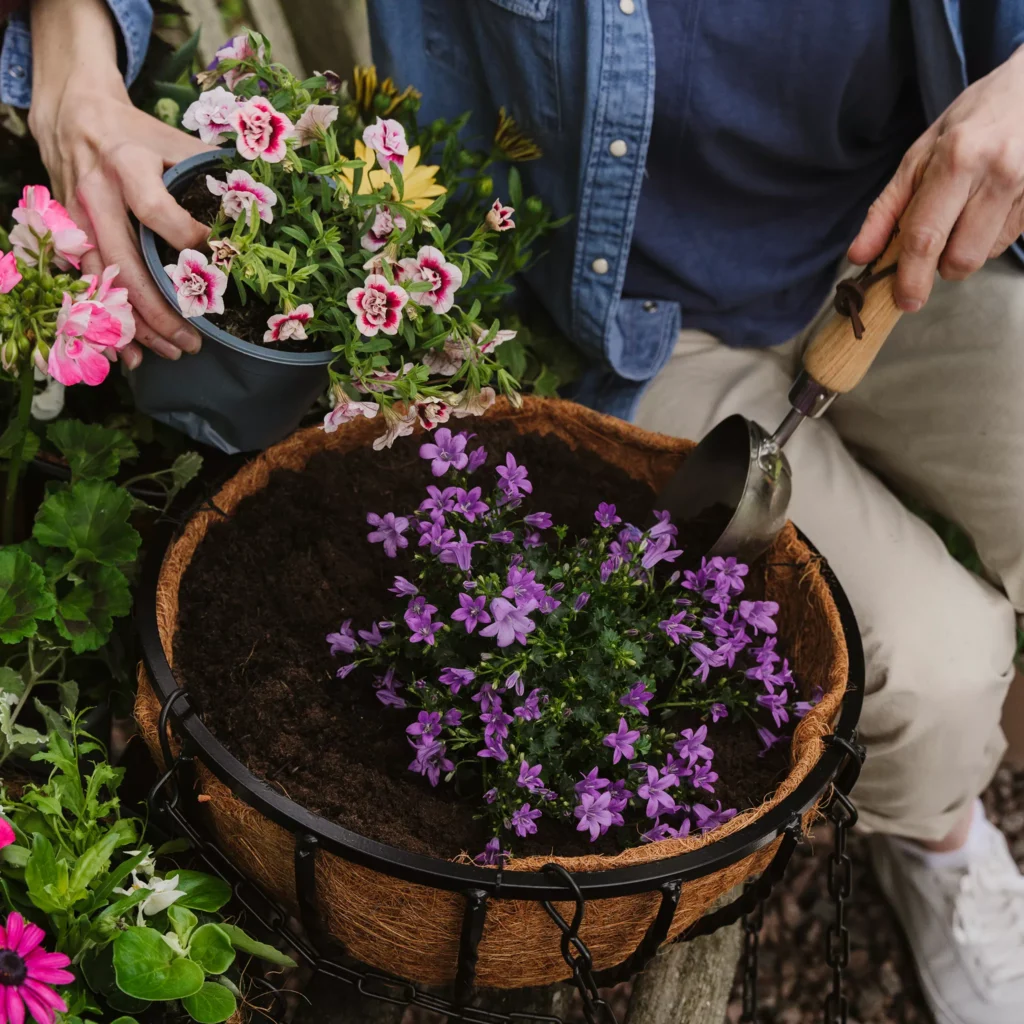
- Wire or metal baskets lined with coconut coir allow good drainage
- Avoid baskets without holes to prevent water buildup
Using Moisture-retentive Soil Mixes
Choose soil that holds some moisture but drains excess water. This keeps plants hydrated without drowning roots.
Soil mixes with peat moss or coconut coir retain moisture well. Add perlite or sand to improve drainage.
- Peat moss or coconut coir holds moisture gently
- Perlite or sand helps water drain quickly
- Use a balanced mix to keep soil moist but not soggy
Signs Of Proper Hydration
Watering hanging baskets is important for healthy plants. Knowing the signs of proper hydration helps avoid overwatering. Plants need just the right amount of water to grow well.
Too much water can harm roots and cause leaves to yellow. Too little water makes plants dry and weak. Watch your plants closely to see how they react to watering.
Checking Soil Moisture Levels
Soil moisture is the best way to know if your hanging basket needs water. Use your finger or a moisture meter to check the soil inside the basket.
Stick your finger about one inch deep into the soil. If it feels dry, it is time to water. If it feels moist, wait before watering again.
- Dry soil means the plant needs water
- Moist soil means the plant is well hydrated
- Wet soil means you should hold off watering
Observing Plant Leaf Changes
Leaves show clear signs of how much water your plant has. Healthy leaves are firm and have a bright color. Changes in leaves help you know if the plant is properly watered.
Wilting or drooping leaves often mean the plant needs water. Yellow or brown leaves can mean too much water is harming the plant.
- Firm, bright green leaves show good hydration
- Droopy leaves signal the need for water
- Yellowing leaves may mean overwatering
- Browning leaf edges can show stress from water issues
Watering Techniques
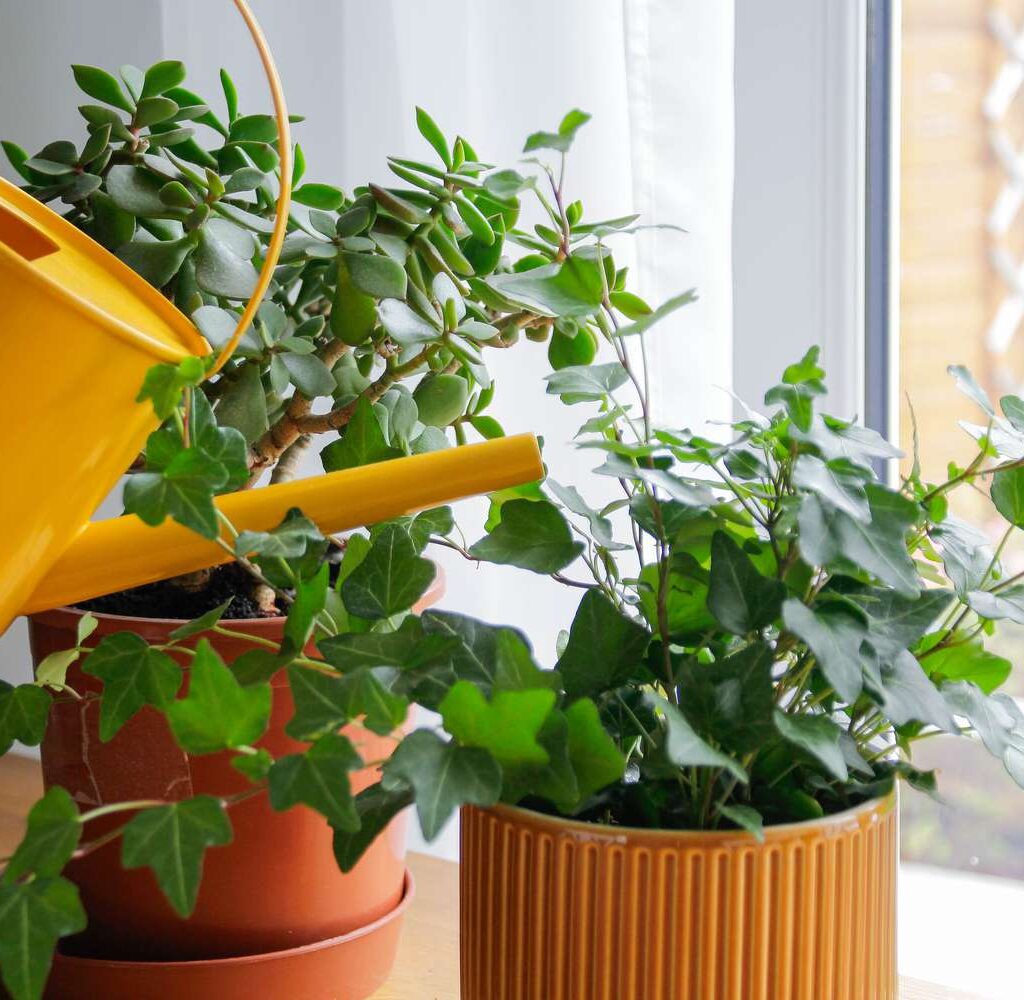
Watering hanging baskets correctly helps plants stay healthy. Overwatering can cause root rot and other problems.
Choosing the right method keeps your plants happy and saves water. Learn how to water from the top or bottom and use self-watering systems.
Watering From The Top Vs. Bottom
Watering from the top is the most common way. You pour water on the soil surface to soak the roots. This method is simple but may waste water if it drains too fast.
Bottom watering means adding water to the saucer below the basket. The soil absorbs water through drainage holes. This method helps avoid wet leaves and reduces overwatering risks.
- Top wateringwets the soil surface directly.
- Bottom wateringlets roots drink water from below.
- Top watering may cause water to drip over edges.
- Bottom watering encourages deeper root growth.
- Both methods need careful timing to avoid soggy soil.
Using Self-watering Systems
Self-watering baskets have built-in reservoirs that supply water slowly. They help keep moisture steady and reduce how often you water.
| Benefit | Description |
| Consistent moisture | Plants get water as they need it. |
| Less overwatering | Water stays below soil surface. |
| Convenience | Less frequent watering needed. |
| Water savings | Reduces water waste and runoff. |
Credit: lodhigarden.com
Frequency And Timing
Watering hanging baskets is important to keep plants healthy. Doing it too much can harm roots and cause problems.
Knowing how often and when to water helps you avoid overwatering. This keeps your plants happy and growing well.
Adjusting Watering Based On Weather
Weather changes affect how quickly soil dries in hanging baskets. Hot and dry days need more water than cool, cloudy days.
Check the soil often to decide if watering is needed. Water only when the top inch feels dry to touch.
- Water more often during hot, sunny weather
- Water less during rainy or humid days
- Windy days can dry soil faster, so watch carefully
Best Times To Water Hanging Baskets
Watering early in the morning is best. This helps plants absorb water before the heat of the day.
Evening watering is okay if mornings are not possible. Avoid watering late at night to prevent mold and root issues.
- Water in the morning for best absorption
- Evening watering is second best option
- Do not water late at night to avoid damp soil
Tools To Help Prevent Overwatering
Watering hanging baskets can be tricky. Too much water harms roots and plants.
Using the right tools helps keep plants healthy. These tools show when and how much to water.
Moisture Meters
Moisture meters measure soil wetness. They have a probe to insert into the soil.
- Show if soil is dry, moist, or wet
- Prevent watering when soil is still wet
- Easy to use for quick checks
- Help avoid root rot caused by overwatering
Drip Irrigation Systems
Drip irrigation gives water slowly and directly to the soil. It controls how much water plants get.
| Feature | Benefit |
| Slow water delivery | Prevents water pooling and waste |
| Timers | Set watering times automatically |
| Targeted watering | Water reaches roots efficiently |
| Easy to adjust | Control water amount per basket |
Common Mistakes To Avoid
Watering hanging baskets is important for healthy plants. Many people make mistakes that harm their plants.
Knowing what to avoid helps keep your baskets fresh and green without too much water.
Ignoring Drainage
Good drainage lets extra water escape from the basket. Without it, water stays at the roots.
Too much water around roots causes them to rot and plants to die.
- Check if the basket has holes at the bottom.
- Use a well-draining soil mix for hanging baskets.
- Elevate baskets slightly to allow water to flow out.
Overestimating Plant Water Needs
Plants in hanging baskets do not need water every day. Giving too much water wastes it and harms plants.
Water only when the top inch of soil feels dry. This prevents overwatering and keeps plants healthy.
- Check soil moisture before watering.
- Water in the morning to help plants absorb it.
- Use a moisture meter if unsure about soil dryness.
Credit: lodhigarden.com
Frequently Asked Questions
How Often Should I Water Hanging Baskets?
Water hanging baskets when the top inch of soil feels dry. This usually means watering them every 1-3 days, depending on the weather. Consistent watering helps prevent overwatering and ensures healthy plant growth. Check soil moisture regularly to adjust your watering schedule as needed.
What’s The Best Time To Water Hanging Baskets?
The best time to water hanging baskets is early in the morning. This allows the plants to absorb moisture before the sun becomes too intense. Avoid watering in the evening to prevent excess moisture, which can lead to root rot and fungal diseases.
How Can I Prevent Overwatering Hanging Baskets?
To prevent overwatering, ensure your baskets have proper drainage. Check soil moisture before watering and only water when necessary. Use well-draining potting mix and avoid waterlogging. Regularly inspect plants for signs of overwatering, like yellowing leaves and wilting.
Should I Use A Moisture Meter For Hanging Baskets?
Yes, using a moisture meter can help ensure accurate watering. It provides an easy way to check soil moisture levels. Moisture meters prevent overwatering by indicating when the soil is dry enough to need water. They are a useful tool for maintaining plant health.
Conclusion
Watering hanging baskets needs care and attention. Check soil moisture before adding water. Use a watering can or gentle hose spray. Drainage holes help prevent too much water. Watch your plants daily for signs of thirst or sogginess. Proper watering keeps flowers healthy and vibrant.
Remember, less is often more with watering. Enjoy your beautiful hanging baskets all season long. Simple steps make a big difference in plant care.