
Are you tired of watching your beautiful hanging plants struggle or dry out despite your best efforts? Watering hanging plants can be tricky, but with the right approach, you can keep them healthy and thriving without wasting water or time.
Imagine your plants flourishing effortlessly, adding fresh life and color to your space. You’ll discover simple, effective tips to water your hanging plants efficiently—so you can enjoy their beauty without the hassle. Keep reading to learn how to give your plants exactly what they need, when they need it.
Credit: www.dripworks.com
Choosing The Right Watering Method
Watering hanging plants can be tricky. Using the right method helps keep plants healthy. It also saves water and time.
There are several ways to water hanging plants. Each method has its own benefits. Choose one that fits your needs.
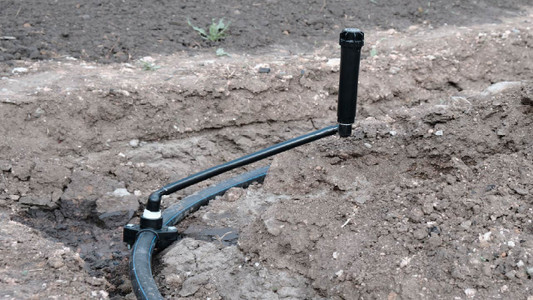
Drip Irrigation Benefits
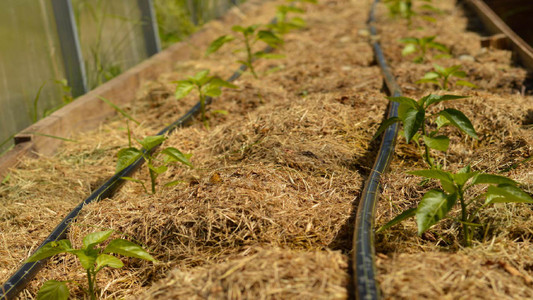
Drip irrigation gives water slowly to the roots. This stops water from dripping off leaves. It also reduces water waste.
- Delivers water directly to the soil
- Reduces water evaporation and runoff
- Prevents overwatering and root rot
- Can be set on timers for regular watering
- Works well for many hanging plants at once
Using Self-watering Systems
Self-watering systems hold water in a reservoir. The plant soaks up water as needed. This keeps soil moist for longer.
| Type | How It Works | Best For |
| Wick System | Wick draws water from reservoir | Small to medium plants |
| Capillary Mat | Plant pot sits on moist mat | Multiple small plants |
| Self-Watering Pot | Reservoir below pot feeds water up | Larger hanging plants |
Hand Watering Techniques
Hand watering lets you check each plant closely. It helps avoid overwatering or dry soil. Use the right tools and tips.
- Use a watering can with a long spout
- Water slowly until water drains from the bottom
- Check soil moisture before watering again
- Water in the early morning or late afternoon
- Avoid wetting leaves to prevent disease
Credit: www.dripworks.com
Timing Your Watering Sessions
Watering hanging plants at the right time helps them grow well. It also saves water and prevents plant problems.
Knowing when to water depends on the plant type and the season. Timing affects how well the plant absorbs water.
Best Time Of Day
Water hanging plants early in the morning. This gives plants time to dry before night.
Evening watering can cause leaves to stay wet, leading to mold or fungus. Avoid watering in the heat of midday.
Frequency Based On Plant Type
Different plants need different watering schedules. Succulents need less water than flowering plants.
- Succulents: water every 2-3 weeks
- Flowering plants: water once or twice a week
- Ferns: water 2-3 times a week
Check the soil before watering. If it feels dry, it’s time to water.
Adjusting For Seasonal Changes
Plants need more water in summer when it is hot. Water less in winter when growth slows.
Watch how your plants respond. Change watering amounts and frequency as the seasons change.
- Summer: water more often, usually twice a week
- Winter: water less, about once every 2 weeks
- Spring and fall: adjust based on weather and plant needs
Assessing Soil Moisture
Watering hanging plants correctly keeps them healthy. Checking soil moisture helps avoid overwatering or underwatering. It is important to know when your plants need water.
This guide explains three ways to assess soil moisture for hanging plants. You can use tools or simple checks to keep your plants happy.
Soil Moisture Meters
Soil moisture meters are small tools that measure water in the soil. Insert the probe into the soil and read the level. This gives an accurate idea of how wet the soil is.
These meters help avoid guesswork. They are easy to use and show if the soil is dry, moist, or wet.
Touch And Visual Checks
You can check soil moisture without tools. Touch the soil surface or dig a little below. If it feels dry, your plant likely needs water. If it feels damp, wait before watering.
- Touch soil with fingers to check dryness.
- Look for soil color changes: dry soil is lighter.
- Check if soil pulls away from the edges of the pot.
Signs Of Overwatering And Underwatering
| Sign | Overwatering | Underwatering |
| Leaves | Yellow and soft | Brown and crispy |
| Soil | Always wet or soggy | Very dry and hard |
| Plant Growth | Stunted or rotting roots | Slow growth, wilting |
Watch your plants closely. Early signs help you fix watering problems fast. Adjust watering based on these signals to keep plants thriving.
Credit: www.dripworks.com
Watering Tips For Different Plant Varieties
Hanging plants need the right amount of water to stay healthy. Different plants have different water needs. Knowing how to water each type helps them grow well.
Below are tips for watering succulents and cacti, ferns and tropical plants, and flowering hanging plants. Follow these to keep your plants happy.
Succulents And Cacti
Succulents and cacti store water in their leaves and stems. They like dry soil and do not need much water. Overwatering can cause root rot.
- Water only when soil is completely dry.
- Use a watering can with a narrow spout to avoid wetting leaves.
- Water deeply but less often, about every 2-3 weeks.
- Ensure pots have good drainage holes.
Ferns And Tropical Plants
Ferns and tropical plants need moist soil and high humidity. They do not like to dry out. Keep their soil damp but not soggy.
| Plant Type | Watering Frequency | Soil Condition |
| Boston Fern | Every 2-3 days | Evenly moist |
| Spider Plant | Once a week | Moist but not wet |
| Bird’s Nest Fern | Every 3 days | Moist and humid |
Flowering Hanging Plants
Flowering hanging plants need more water during blooming. They like soil that drains well but stays moist. Too much water can harm their flowers.
- Water when the top inch of soil feels dry.
- Use room temperature water to avoid shock.
- Water early in the day to allow drying.
- Remove dead flowers to prevent disease.
Improving Water Retention
Hanging plants need water to stay healthy. Water retention helps keep the soil moist longer. This saves water and keeps plants happy.
Using the right methods can reduce how often you need to water. Below are ways to improve water retention in hanging plants.
Choosing The Right Potting Mix
Good potting mix holds water and drains well. A mix that is too sandy dries fast. Too much clay can hold too much water and harm roots.
- Use peat moss or coconut coir for moisture retention
- Add perlite or vermiculite to improve drainage
- Choose a lightweight mix to avoid heavy pots
- Look for mixes labeled for container or hanging plants
Using Mulch In Hanging Baskets
Mulch covers the soil surface and stops water from evaporating quickly. It also keeps soil cool and reduces weed growth.
- Use shredded bark, straw, or dry leaves as mulch
- Apply a thin layer on top of the soil in baskets
- Replace mulch if it breaks down or blows away
Adding Water Retaining Crystals
Water retaining crystals absorb water and release it slowly to plants. They help keep soil moist for longer periods.
| Benefit | Description |
| Water storage | Hold large amounts of water inside crystals |
| Slow release | Release water to roots gradually |
| Reduce watering | Lower frequency of watering needed |
| Easy to mix | Mix crystals evenly into potting soil |
Preventing Common Watering Mistakes
Watering hanging plants can be tricky. Giving too much or too little water causes problems.
Learning how to water correctly saves water and keeps plants healthy.
Avoiding Water Waste
Use just enough water to soak the soil. Too much water wastes resources and harms plants.
Water plants slowly so the soil can absorb it well. Fast watering causes runoff and waste.
- Water in the early morning or late evening to reduce evaporation.
- Use a watering can with a narrow spout for better control.
- Check soil moisture before watering to avoid overwatering.
Handling Drainage Issues
Good drainage keeps roots healthy. Hanging pots need holes to let excess water escape.
Without drainage, water stays in the soil and may cause root damage or plant death.
- Choose pots with drainage holes at the bottom.
- Use well-draining soil mix to prevent water buildup.
- Place a saucer under the pot to catch excess water safely.
Preventing Root Rot
Root rot happens when roots sit in water too long. It kills plants quickly.
Water only when the top inch of soil feels dry. This helps keep roots healthy.
- Check pots regularly for signs of soggy soil.
- Use pots made of breathable materials like terracotta.
- Trim dead roots to stop rot from spreading.
Frequently Asked Questions
How Often Should I Water Hanging Plants?
Water hanging plants when the top inch of soil feels dry. Typically, watering once a week suits most varieties. Adjust frequency based on plant type, climate, and pot size to avoid overwatering or drying out.
What Is The Best Watering Method For Hanging Plants?
Use a watering can with a long spout for precise watering. Water slowly to ensure deep soil penetration without runoff. Avoid wetting leaves to prevent fungal diseases and promote healthy growth.
How Much Water Do Hanging Plants Need?
Most hanging plants require enough water to moisten the root ball evenly. Avoid waterlogging by ensuring excess water drains well. The amount varies by plant species, pot size, and weather conditions.
Can I Water Hanging Plants With A Spray Bottle?
A spray bottle is ideal for misting but insufficient for thorough watering. Use it to increase humidity or clean leaves. For watering, a watering can or hose with a gentle flow is better.
Conclusion
Efficient watering keeps hanging plants healthy and vibrant. Consistent care ensures lush growth. Choose the right watering tool for ease and efficiency. Check soil moisture regularly. Avoid overwatering to prevent root rot. Morning watering reduces water loss through evaporation. Ensure even water distribution for balanced plant growth.
Hanging plants enhance spaces with greenery and beauty. Proper watering extends their life and vitality. Remember, a little attention goes a long way. Enjoy the serenity and freshness they bring to your home. Happy gardening!
