Have you ever wondered if your plants are getting enough water? Many gardeners think that a quick sprinkle does the trick, but your plants might be thirstier than you think.
Learning how to water plants deeply can transform your garden into a thriving oasis. Imagine your plants with lush, green leaves and vibrant blooms that capture everyone’s attention. Deep watering goes beyond the surface, reaching the roots where it matters most.
This technique can make the difference between struggling plants and a garden full of life. Keep reading to discover how deep watering can be a game-changer for your green space and ensure your plants are healthier than ever. Your garden will thank you!
Credit: minismus.eu
Why Deep Watering Matters
Deep watering helps plants grow strong and healthy. It reaches the roots better than surface watering.
Watering deeply saves water and supports the plant’s long-term health.
Benefits For Root Growth
Deep watering encourages roots to grow downward. This makes plants more stable and able to find water during dry times.
- Roots grow deeper and stronger
- Plants resist drought better
- Soil stays healthier around roots
Reducing Water Waste
Watering deeply means using less water overall. Shallow watering causes water to evaporate quickly or run off.
| Watering Method | Water Used | Water Efficiency |
| Shallow Watering | High | Low |
| Deep Watering | Moderate | High |
Improving Plant Health
Deep watering helps plants get nutrients better. It also reduces diseases that happen in wet leaves or soil surface.
Tips for better plant health with deep watering:
- Water early in the morning to reduce evaporation.
- Use drip irrigation to target the roots.
- Avoid watering leaves to prevent fungal growth.
Signs Your Plants Need Deep Watering
Plants need water to grow healthy and strong. Sometimes, shallow watering is not enough. Deep watering helps roots grow deeper.
Look for signs that show your plants need water deep in the soil. This helps you know when to water better.
Wilting Leaves
Wilting leaves often mean plants lack water. Leaves curl or droop when roots cannot find enough moisture.
- Leaves look limp or soft
- Edges may turn brown or dry
- Plants may look tired during the day
Dry Soil Below Surface
Surface soil can look wet but be dry underneath. Check soil moisture below the top layer to know if plants need deep watering.
| Soil Depth | Dry | Moist |
| Top 1 inch | No | Yes |
| 1 to 3 inches | Yes | No |
| Below 3 inches | Yes | No |
Slow Growth
Plants that grow slowly may not get enough water deep down. Water helps roots take nutrients from the soil.
Signs of slow growth include:
- Smaller leaves than usual
- Fewer new shoots or buds
- Pale or yellowing leaves
Best Tools For Deep Watering
Deep watering helps plants grow strong roots. Using the right tools makes watering easier and more effective. This guide covers three popular tools for deep watering.
Each tool has unique features to help water reach plant roots deeply and reduce water waste. Choose the tool that fits your garden size and needs.
Soaker Hoses
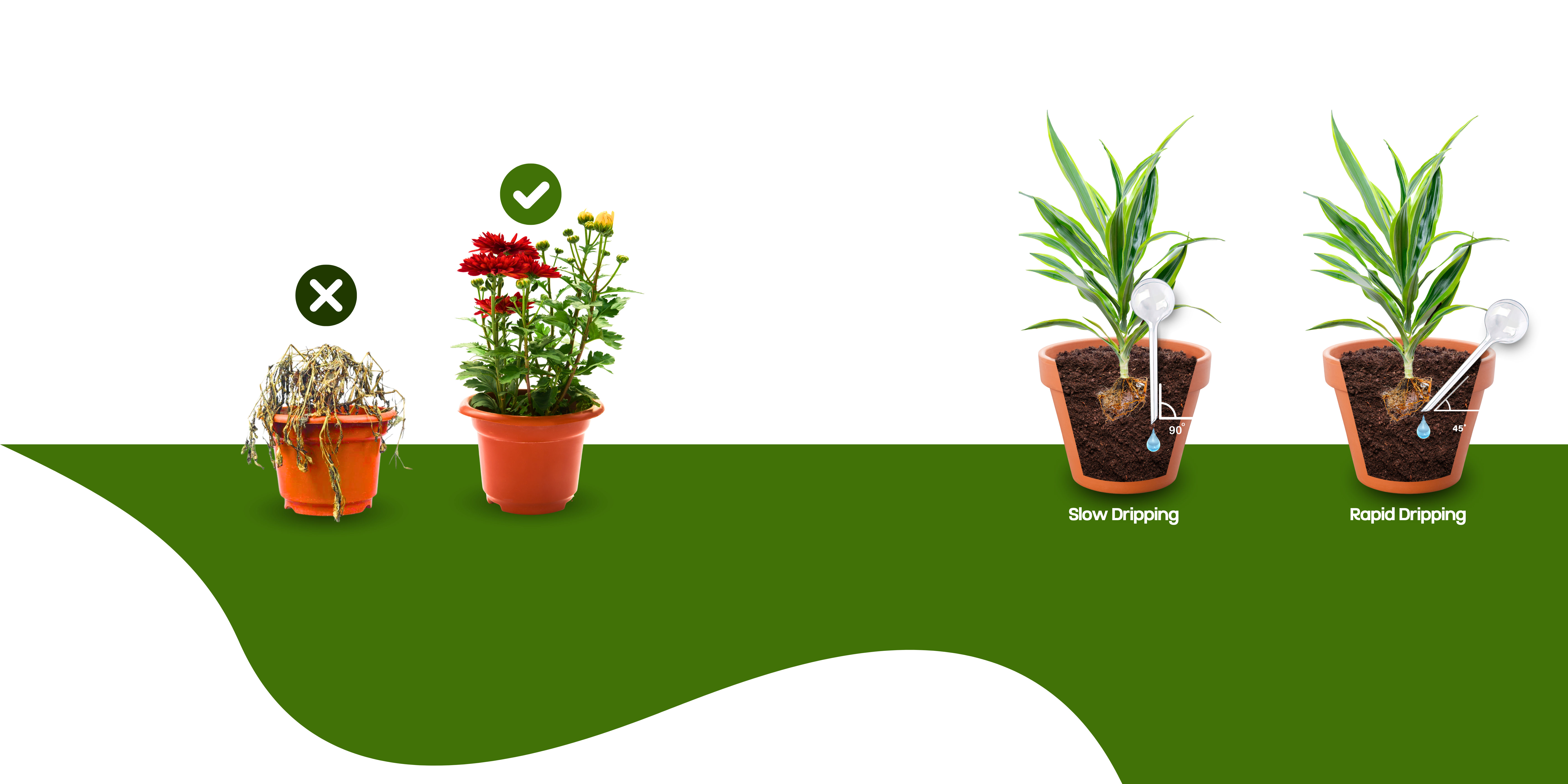
Soaker hoses release water slowly along their length. They lie on the soil surface or under mulch to soak water directly into the ground. This keeps soil moist without runoff.
- Easy to install and use
- Good for garden beds and rows
- Water seeps slowly and deeply
- Can save water compared to sprinklers
- Works well under mulch to reduce evaporation
Drip Irrigation Systems
Drip irrigation delivers water drop by drop near plant roots. It uses tubes with small emitters to water plants efficiently. This system is great for precise watering in gardens and containers.
| Feature | Benefit |
| Emitters | Control water flow to each plant |
| Tubes | Direct water exactly where needed |
| Timers (optional) | Automate watering schedules |
| Low water waste | Water reaches roots without runoff |
Watering Wands
Watering wands have a long handle and a spray head. They help reach plants farther away or those in tight spots. The wand controls water flow and pressure for deep watering.
Advantages of watering wands:
- Easy to use for container plants and hanging baskets
- Adjustable spray patterns for different plant needs
- Reach deep roots without bending
- Control water flow to avoid overwatering
Techniques For Deep Watering
Deep watering helps plants grow strong roots. It keeps soil moist deep down.
Using the right watering techniques saves water and improves plant health.
Slow And Steady Method
Water plants slowly to let water soak deeply. Fast watering wastes water and stays on top.
Use a drip or soaker hose. These tools release water gently over time.
- Water for 30 minutes to an hour
- Check soil moisture after watering
- Repeat if water does not soak deep enough
Watering At Root Zone
Focus water directly at the plant’s root zone. This area needs the most moisture.
Avoid watering leaves or stems. Water on leaves can cause disease.
- Find the base of the plant
- Place watering tool close to soil
- Apply water slowly to roots
Timing And Frequency
Water plants early in the morning or late in the evening. This reduces evaporation.
Water deeply but less often. This encourages roots to grow deeper.
- Water 2-3 times a week for most plants
- Adjust frequency based on weather and soil type
- Check soil moisture regularly
Adjusting Watering For Different Plants
Watering plants deeply helps roots grow strong and healthy. Different plants need different amounts of water. Learning how to water each type properly keeps them alive and thriving.
Some plants like moist soil, while others prefer dry conditions. Adjust your watering habits based on the plant type to avoid overwatering or underwatering.
Vegetables Vs. Flowers
Vegetables need consistent moisture to produce well. Flowers can vary; some like wet soil, others like it to dry out between waterings.
- Vegetables usually require daily or every-other-day watering in hot weather.
- Flowers like petunias or impatiens need regular watering to keep blooms fresh.
- Drought-tolerant flowers like marigolds need less frequent watering.
Trees And Shrubs
Trees and shrubs have deep roots. Water them slowly and deeply to reach the roots. Shallow watering can cause weak roots.
| Plant Type | Watering Frequency | Watering Method |
| Young Trees | Once or twice a week | Deep soak around base |
| Mature Trees | Every 2-4 weeks | Deep soak less often |
| Shrubs | Once a week | Slow watering near roots |
Succulents And Cacti
Succulents and cacti store water in their leaves. They need less water than other plants. Overwatering can harm them.
Tips for watering succulents and cacti:
- Water only when soil is completely dry.
- Use a deep but infrequent soak.
- Avoid water sitting in the pot’s bottom.
- Reduce watering in cooler months.
Common Mistakes To Avoid
Watering plants deeply helps roots grow strong and healthy. Many gardeners make mistakes that stop deep watering from working well.
Knowing what to avoid can improve your plant care and save water. Read about three common mistakes below.
Overwatering
Giving plants too much water can harm them. Overwatering fills air spaces in soil with water, causing roots to rot.
It also wastes water and can encourage plant diseases. Water only when soil feels dry a few inches below.
Shallow Watering
Watering just the surface of the soil keeps roots near the top. This makes plants weak and less able to handle dry times.
Deep watering encourages roots to grow down. Water slowly so water seeps deep into the soil.
Ignoring Soil Type
Different soils hold water differently. Clay soil holds water longer, sandy soil drains quickly.
Ignoring soil type can cause watering mistakes. Adjust watering time and amount for your soil type.
- Clay soil: water less often but longer
- Sandy soil: water more often but less time
- Loamy soil: water moderately
Enhancing Water Absorption
Watering plants deeply helps roots grow stronger and reach further down. This lets plants absorb more water and nutrients from the soil.
To improve water absorption, you can use mulch, aerate the soil, and add organic matter. These actions help water reach the roots better.
Mulching Benefits
Mulch covers the soil surface to keep moisture in. It stops water from evaporating too fast and keeps soil cool.
Mulch also prevents weeds that take water from your plants. It breaks down over time and adds nutrients to the soil.
- Reduces water loss
- Keeps soil temperature steady
- Blocks weed growth
- Adds nutrients when decomposed
Soil Aeration
Soil aeration means making small holes in the soil. This helps air and water move deeper to the roots.
Compacted soil blocks water from reaching plant roots. Aeration breaks up hard soil and allows better water flow.
- Improves water penetration
- Increases oxygen to roots
- Reduces soil compaction
- Helps roots grow stronger
Using Organic Matter
Adding organic matter like compost improves soil texture. It helps soil hold water and nutrients better for plants.
Organic matter also feeds helpful soil microbes. These microbes break down materials and make nutrients easy to absorb.
- Enhances water retention
- Supplies nutrients to plants
- Boosts soil health
- Supports beneficial microbes

Credit: gardengram.in
:max_bytes(150000):strip_icc()/GettyImages-1266022637-f977a0cf090b4be787da0fe3d631dcdc.jpg)
Credit: www.thespruce.com
Frequently Asked Questions
What Is Deep Watering For Plants?
Deep watering means soaking soil thoroughly to encourage roots to grow deep. It helps plants access more nutrients and stay healthy longer. This method reduces water waste and promotes stronger, drought-resistant plants by reaching roots below the surface.
How Often Should I Water Plants Deeply?
Water deeply once or twice a week, depending on plant type and weather. Avoid frequent shallow watering, which weakens roots. Adjust frequency during hot or dry periods to keep soil moist but not soggy.
Which Tools Help Water Plants Deeply?
Use drip irrigation, soaker hoses, or watering wands to water deeply. These tools deliver water slowly to the root zone, minimizing runoff and evaporation. They ensure efficient and targeted watering for healthier plants.
Can Deep Watering Prevent Plant Diseases?
Yes, deep watering keeps foliage dry, reducing fungal and bacterial diseases. Wet leaves often promote infections. Watering at the soil level encourages strong roots and healthier plants less prone to disease.
Conclusion
Watering plants deeply helps roots grow strong and healthy. It saves water and keeps plants alive longer. Use slow, steady watering to reach deep soil layers. Avoid quick, shallow watering that only wets the surface. Check the soil moisture regularly to know when to water next.
Deep watering supports better growth and boosts plant health. Try these tips to see your garden thrive. Keep your plants happy and green with proper watering habits. Simple steps make a big difference in plant care.
