Are you tired of seeing some of your plants thrive while others wither away due to uneven watering? If you’ve ever felt frustrated by the patchy results of your garden hose, you’re not alone.
Watering your garden evenly is crucial for healthy plant growth, but it can often feel like an uphill battle. Imagine stepping outside to see your garden looking lush and vibrant, every plant getting just the right amount of water. This doesn’t have to be a dream.
With a few simple techniques, you can master the art of watering with a hose and ensure your plants get the even hydration they need. Stick around, because we’re about to uncover the secrets to transforming your garden into a flourishing oasis.

Credit: www.calloways.com
Choosing The Right Hose
To water plants evenly with a hose, you need the right tool. Picking the right hose helps you control water flow and reach all plants easily.
There are many hoses to choose from. Knowing the types, sizes, and materials will help you pick one that fits your garden and watering needs.
Types Of Garden Hoses
Garden hoses come in different types for various uses. Each type works well in certain situations. Choose one that matches your garden size and watering style.
- Standard Rubber Hose:Heavy, durable, and good for everyday use.
- Soaker Hose:Leaks water slowly along its length for gentle watering.
- Expandable Hose:Lightweight and grows when filled with water.
- Reinforced Hose:Stronger with extra layers to prevent kinks.
Hose Length And Diameter
Length and diameter affect how water flows through the hose. A longer hose may reduce water pressure. A wider diameter lets more water flow at once.
Choose a hose length that reaches all plants without stretching too much. Pick a diameter that matches your water source and nozzle.
- Length:25 to 100 feet depending on garden size.
- Diameter:1/2 inch for light watering, 5/8 inch for general use, 3/4 inch for heavy watering.
Material And Durability
The hose material affects how long it lasts and how easy it is to use. Durable hoses stand up to weather and rough handling.
Look for hoses made from rubber or reinforced vinyl. These materials resist cracks and kinks. Avoid hoses that feel thin or flimsy.
- Rubber:Heavy but very durable and flexible.
- Vinyl:Lightweight and cheaper but less durable.
- Reinforced Vinyl:Stronger and resists kinks better than regular vinyl.
- Polyurethane:Lightweight, flexible, and lasts long in sunlight.
Credit: gardenbetty.com
Preparing Your Hose For Watering
Watering plants evenly helps them grow healthy and strong. Preparing your hose is an important first step. A good setup saves water and makes watering easier.
Check your hose before you start. Fix any problems and choose the right attachments. This way, your watering will be smooth and efficient.
Checking For Leaks And Kinks
Look over your hose carefully before watering. Leaks waste water and reduce pressure. Kinks block water flow and cause uneven watering.
Run water through the hose and watch for wet spots or drips. Straighten out any bends or twisted parts to keep water flowing well.
- Inspect the entire hose length
- Fix leaks with hose tape or replace parts
- Straighten kinks and avoid sharp bends
- Check connectors for tight fits
Attaching Nozzles And Sprayers
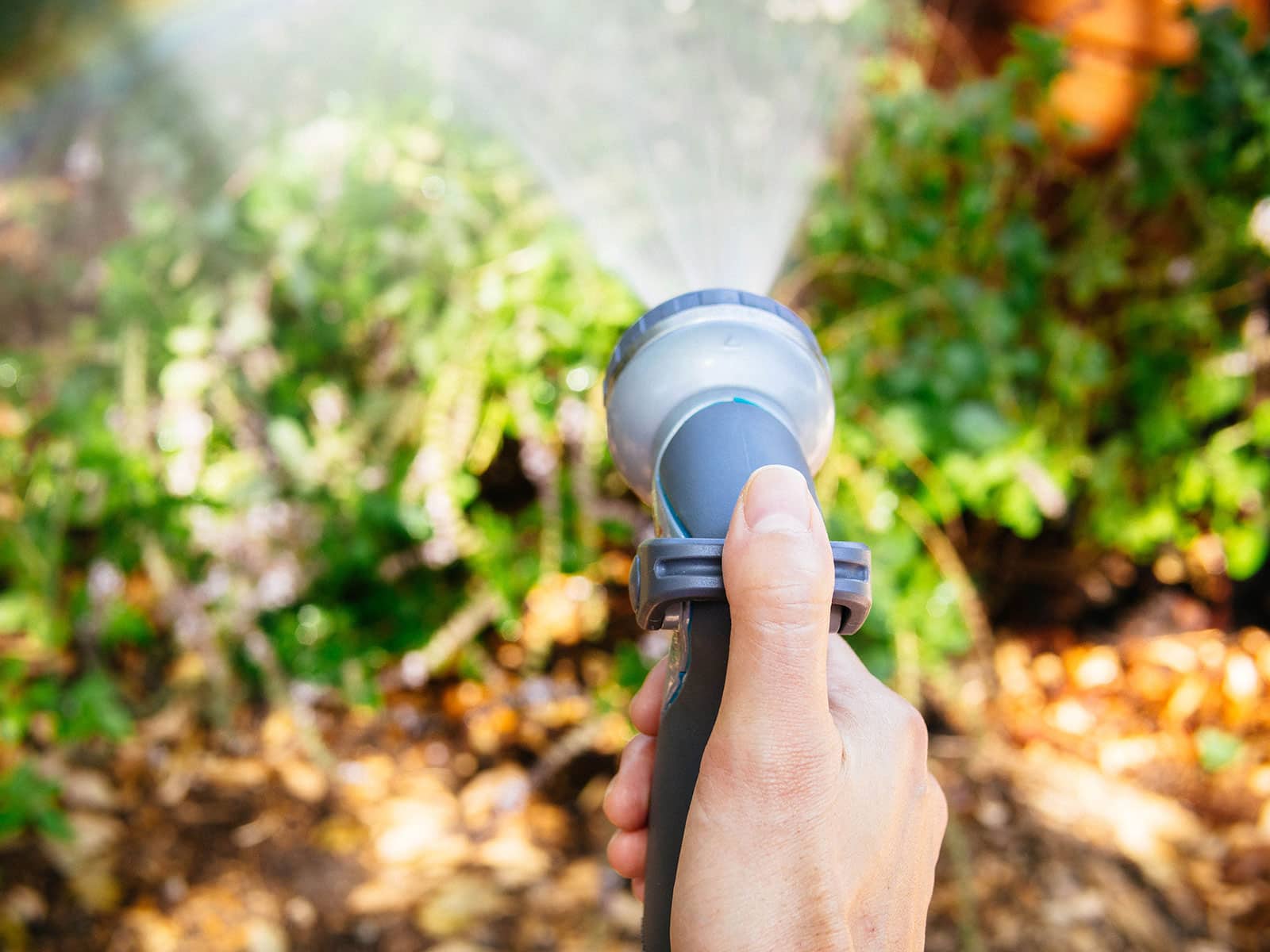
Choose a nozzle or sprayer that fits your watering needs. Some spray wide, others focus on small areas. Attach them securely to avoid leaks.
Twist or snap the nozzle onto the hose end. Test it by turning on water to see the spray pattern. Adjust or change the nozzle if needed.
- Select nozzles for gentle or strong sprays
- Attach firmly to the hose tip
- Test spray before watering plants
- Change nozzle for different garden needs
Adjusting Water Pressure
Water pressure affects how evenly water spreads. Too high pressure can damage plants. Too low pressure may not reach all areas.
Control pressure by adjusting the faucet or nozzle settings. Start with medium pressure and change as needed for your plants.
- Turn faucet slowly to adjust flow
- Use nozzle settings to change spray strength
- Check water reach and coverage
- Lower pressure for delicate plants
Techniques For Even Watering
Watering plants evenly helps them grow healthy and strong. Uneven watering can cause some plants to get too much water while others stay dry.
Using the right techniques makes watering easier and more effective. Here are some ways to water your plants evenly with a hose.
Slow And Steady Movement
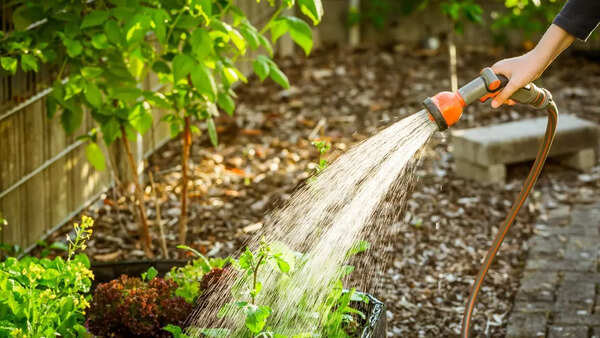
Move the hose slowly across the plants to give each area enough water. Fast movement can leave some spots dry.
Keep a steady pace to make sure water soaks into the soil. This helps roots absorb water better.
Using Soaker Hose Attachments
Attach a soaker hose to your regular hose for gentle watering. It releases water slowly and evenly along its length.
This method reduces water waste and prevents soil erosion. It works well for garden beds and rows of plants.
Watering In Sections
Divide your garden into small sections before watering. Focus on one section at a time to give equal attention to all plants.
This way, you avoid overwatering some areas and underwatering others. It also helps you track which parts need more water.
Credit: timesofindia.indiatimes.com
Timing And Frequency Tips
Watering plants evenly is key to keeping them healthy. Knowing when and how often to water helps you avoid common problems.
This guide covers the best times to water, how often different plants need water, and signs of watering issues.
Best Time Of Day To Water
The best time to water plants is early in the morning. Watering then reduces evaporation and helps roots absorb moisture.
Evening watering is possible but may cause leaves to stay wet overnight. This can lead to fungus or mold growth.
- Water plants before 10 a.m. for best results
- Avoid midday watering to reduce water loss
- If watering late, do it at least two hours before sunset
How Often To Water Different Plants
Different plants need different watering schedules. Some like moist soil, while others prefer dry periods.
| Plant Type | Watering Frequency |
| Succulents | Once every 2 weeks |
| Vegetables | Every 2-3 days |
| Flowering plants | Every 3-4 days |
| Lawn grass | 2-3 times per week |
| Herbs | Every 3 days |
Signs Of Overwatering And Underwatering
Plants show clear signs if you water too much or too little. Watch for these clues to adjust your care.
- Overwatering:Yellow leaves, soft stems, moldy soil, or wilting despite wet soil
- Underwatering:Dry, brown leaf edges, wilting with dry soil, slow growth
- Check soil moisture by sticking your finger about an inch deep
- Adjust watering based on plant type and weather conditions
Advanced Tools And Accessories
Watering plants evenly can be a challenge without the right tools. Advanced watering tools help you save water and keep plants healthy. These tools make watering easier and more precise.
Using accessories designed for hoses can improve your garden’s irrigation. You can control water flow and target specific areas with less effort.
Timers And Automatic Shut-offs
Timers and automatic shut-offs let you control watering times. They prevent overwatering and save water by turning off the hose when done. You can set the timer to water your plants at the best times of day.
- Set watering duration
- Choose start and stop times
- Prevent water waste
- Work well for busy schedules
Watering Wands For Precision
Watering wands attach to hoses and help you reach plants easily. They offer better control over water flow and direction. Use wands to water hanging baskets and tight spots without bending or stretching.
| Feature | Benefit |
| Long handle | Reach high or far plants easily |
| Adjustable nozzle | Control water pressure and spray type |
| Lightweight design | Reduce arm strain during watering |
| Trigger control | Start and stop water flow quickly |
Drip Irrigation Systems
Drip irrigation uses tubes and emitters to deliver water directly to plant roots. It saves water by reducing evaporation and runoff. This system works well for vegetable gardens and flower beds.
- Water reaches roots slowly and evenly
- Less water waste compared to sprinklers
- Reduces weed growth by targeting plants only
- Easy to set up with hose connectors
Common Mistakes To Avoid
Watering plants with a hose seems easy, but many make mistakes that harm plants. These errors stop water from reaching roots evenly.
Knowing what to avoid can help your plants grow healthy and strong. Below are common watering mistakes and how to fix them.
Overwatering And Soil Saturation
Too much water can drown plant roots and cause soil to stay too wet. This stops air from reaching roots and can cause rot.
- Watering too often without checking soil moisture
- Using a strong hose flow that floods the soil
- Ignoring drainage problems in pots or garden beds
- Not adjusting watering during rainy days
Watch your soil’s moisture level before watering. Water only when the top inch feels dry to touch.
Ignoring Plant Water Needs
| Plant Type | Water Frequency | Water Amount |
| Succulents | Once every 2 weeks | Light watering |
| Vegetables | 2-3 times per week | Deep watering |
| Flowering Plants | Every 3 days | Moderate watering |
Different plants need different water amounts and timing. Learn your plants’ needs to avoid underwatering or overwatering.
Neglecting Hose Maintenance
A dirty or damaged hose can block water or cause leaks. This leads to uneven watering and wasted water.
- Check the hose for holes or cracks regularly
- Clean the hose nozzle to prevent clogging
- Store the hose properly to avoid damage
- Replace worn-out parts to keep good water flow
Good hose care ensures smooth water flow and helps you water plants evenly every time.
Frequently Asked Questions
How Can I Water Plants Evenly With A Hose?
Use a hose with a spray nozzle to control water flow. Move the hose slowly and steadily around the plant base. Avoid overwatering one spot by distributing water in a circular motion. This ensures even soil moisture and healthy plant growth.
What Is The Best Hose Nozzle For Even Watering?
A nozzle with adjustable spray patterns is best for even watering. Choose a gentle shower or mist setting to prevent soil erosion. This helps distribute water uniformly over the plant roots without causing damage.
How Long Should I Water Plants With A Hose?
Water plants for about 10 to 15 minutes per session. Adjust timing based on soil type, plant size, and weather conditions. Proper timing ensures deep root hydration and avoids water waste.
Can I Use A Soaker Hose For Even Watering?
Yes, a soaker hose provides consistent, slow water delivery directly to roots. It prevents surface runoff and ensures even soil moisture. Ideal for garden beds and areas needing uniform watering.
Conclusion
Watering plants evenly helps them grow healthy and strong. Use a hose with a nozzle for better control. Move the hose slowly to cover all areas. Check the soil often to avoid overwatering or dryness. Consistent watering keeps plants happy and green.
Small steps make a big difference in gardening. Keep practicing, and your plants will thank you. Simple habits lead to great results in plant care.