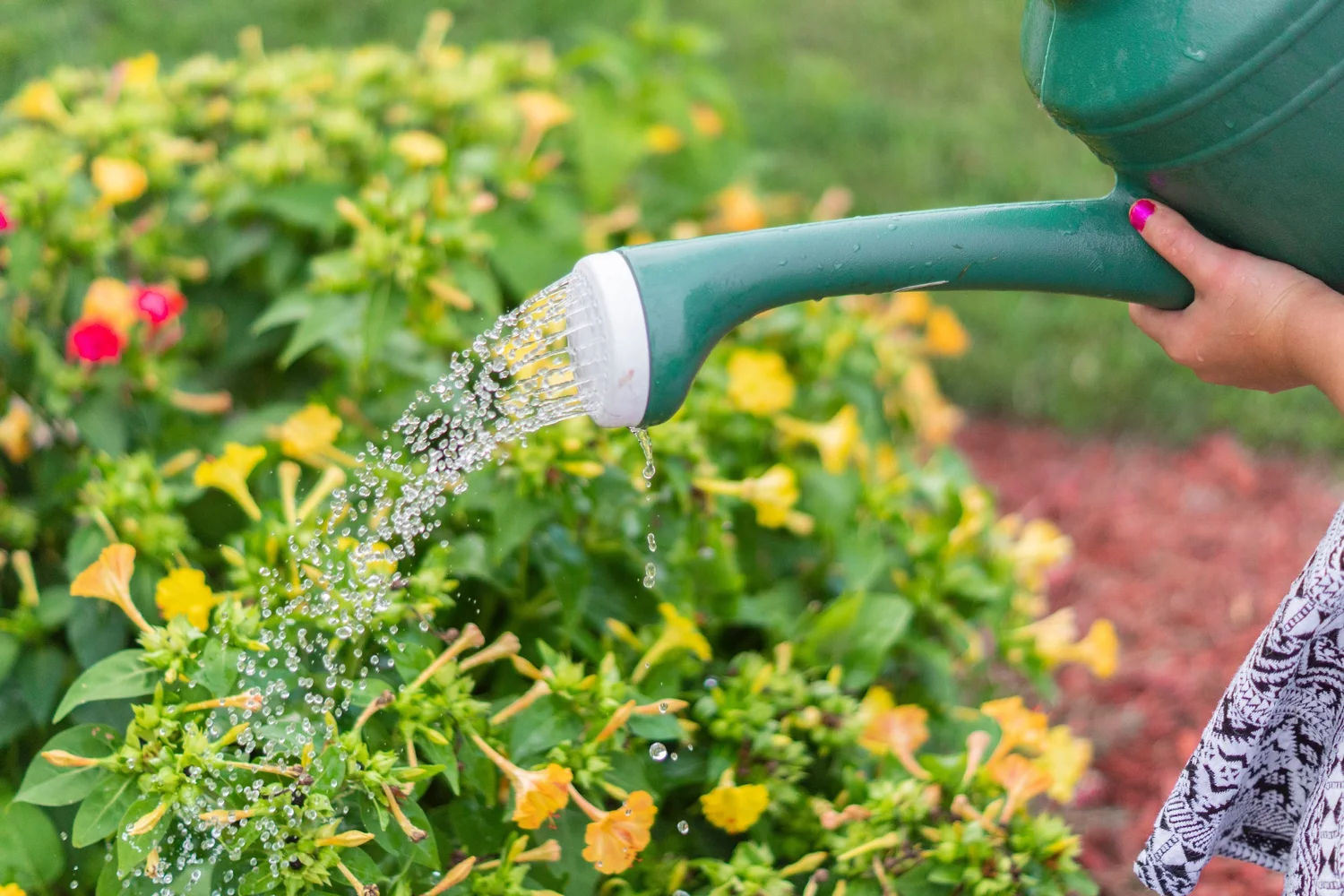
Are your plants looking a little droopy or unevenly hydrated? You might be surprised to learn that the way you water them could be the culprit.
Using a watering can seems simple enough, but are you really getting the job done evenly? You’re not alone if you’ve found yourself wondering why some plants thrive while others seem to lag behind despite getting the same amount of attention.
Imagine transforming your garden or indoor plants into a lush, vibrant oasis. The secret? Mastering the art of even watering with a trusty watering can. This doesn’t just make your plants look better; it can also save you time, water, and effort. You’ll discover easy, practical steps to ensure each of your plants gets the perfect amount of hydration. Stick around to unlock the secrets to a thriving plant paradise right at your fingertips!
Credit: www.thecelticfarm.com
Choosing The Right Watering Can
Using the right watering can helps you water plants evenly. It makes plant care easier and more effective.
Choosing the best watering can depends on the material, size, and spout type. These factors affect how well you water your plants.
Material And Size Options
Watering cans come in different materials like plastic, metal, and ceramic. Each material has its benefits and drawbacks.
Size matters too. A small can is easy to carry and good for indoor plants. Larger cans hold more water for outdoor gardening.
- Plastic:Lightweight, affordable, and rustproof.
- Metal:Durable and stylish but heavier.
- Ceramic:Decorative but fragile and heavy.
- Small size (1-2 liters):Best for small spaces and quick watering.
- Medium size (3-5 liters):Good for regular home gardening.
- Large size (6+ liters):Suitable for large gardens but heavier to carry.
Spout Types For Precision
The spout controls how water flows from the can. Different spouts help you water plants with care and precision.
Long, narrow spouts reach tight spaces. Rose spouts spread water gently over many plants at once.
- Long spout:Ideal for reaching inside pots or hanging plants.
- Rose spout:Has small holes to create a soft shower effect.
- Standard spout:Offers a strong, direct flow for quick watering.
Preparing Your Watering Can
Using a watering can helps you water plants evenly. Preparing it well makes watering easier.
Start by getting your watering can ready. This helps deliver water just right to your plants.
Filling Techniques
Fill your watering can slowly to avoid spills. Hold it steady under the tap or water source.
Use the right amount of water. Too much water can overflow and waste water.
- Place the can close to the water source
- Fill to the marked level if available
- Stop filling before water spills over
Checking Water Temperature
Check water temperature before watering. Cold water can shock plants and harm roots.
Use room temperature water for best results. Let tap water sit for a while if it is too cold.
- Avoid ice-cold water from the fridge
- Test water with your hand or wrist
- Use water that feels neither hot nor cold
Watering Techniques For Even Coverage
Watering plants evenly helps them grow healthy and strong. Using a watering can correctly ensures every part of the plant gets enough water.
This guide explains simple ways to water plants so they get the right amount of water without waste.
Slow And Steady Pouring
Pour water slowly to avoid flooding the soil. A steady flow lets water soak deep into the ground. Fast pouring can cause runoff and waste water.
- Hold the watering can close to the soil.
- Pour gently in one spot for a few seconds.
- Move to the next spot slowly and repeat.
- Watch the soil absorb water before pouring more.
Targeting The Root Zone
Water should reach the roots where plants take in moisture. Avoid wetting the leaves too much, as this can cause disease.
| Area | Why Water Here |
| Root Zone | Roots absorb water and nutrients |
| Leaves | Less water needed; wet leaves risk disease |
| Soil surface | Helps keep soil moist but not waterlogged |
Using Circular Motions
Pour water in small circles around the base of the plant. This spreads water evenly and covers the entire root area.
- Start near the stem, pouring slowly.
- Move the watering can in a circle around the plant.
- Cover the whole root zone evenly.
- Repeat if soil looks dry in some spots.
Adjusting Watering For Different Plants
Using a watering can to water plants evenly helps them grow well. Different plants need different amounts of water. Adjust your watering to fit each plant’s needs.
Knowing how much water each plant requires helps prevent overwatering or underwatering. This guide covers how to water plants based on their type and soil moisture.
Water Needs By Plant Type
Plants have unique water needs depending on their species. Some like moist soil all the time, while others prefer dry conditions.
- Succulents and cacti:Water sparingly. Let soil dry completely before watering again.
- Flowering plants:Keep soil evenly moist but not soggy.
- Vegetables:Need regular watering, especially during fruiting.
- Ferns:Like consistently damp soil and higher humidity.
- Herbs:Water moderately, allowing soil to dry slightly between watering.
Soil Moisture Considerations
Soil type affects how much water plants need. Sandy soil drains fast, while clay soil holds water longer. Check soil moisture before watering.
| Soil Type | Watering Frequency | Watering Tips |
| Sandy Soil | More often | Water lightly but frequently to keep soil moist. |
| Loamy Soil | Moderate | Water deeply and less often for healthy roots. |
| Clay Soil | Less often | Water slowly to avoid waterlogging. |
Common Mistakes To Avoid
Watering plants might seem simple but many make errors that harm their plants. Even watering is key to healthy growth.
This guide points out common mistakes and how to avoid them for better watering results.
Overwatering Risks
Giving too much water can drown roots and cause plant diseases. It stops roots from getting air.
- Leaves turn yellow or wilt easily.
- Soil stays soggy for days.
- Roots start to rot and smell bad.
- Mold or fungus grows on soil surface.
Watch for these signs and adjust watering to keep plants healthy.
Ignoring Drainage
Good drainage lets extra water leave the pot or soil. Without it, water builds up and harms roots.
| Drainage Problem | Effect on Plants |
|---|---|
| Clogged pots | Water pools, causing root rot |
| No holes in containers | Soil stays wet too long |
| Heavy soil mix | Water drains slowly, suffocating roots |
Always check your containers and soil for proper drainage before watering.
Uneven Water Distribution
Watering only one spot leaves some roots dry and others too wet. Even spread helps roots grow well.
- Move the watering can slowly in a circle.
- Water near the plant base and outer edge.
- Use a watering can with a rose head for gentle flow.
- Check soil moisture in several spots before watering again.

Credit: www.calloways.com
Maintaining Your Watering Can
Keeping your watering can in good shape helps you water plants evenly. Regular care prevents clogs and damage.
Learn easy tips on cleaning and storing your watering can to make it last longer.
Cleaning Tips
Clean your watering can after each use. This stops dirt and algae from building up inside.
- Empty all water from the can
- Rinse the inside with warm water
- Use a soft brush to scrub the spout gently
- Check for blocked holes and clear them with a thin wire
- Dry the can thoroughly before storing
Storage Best Practices
Store your watering can in a dry, cool place. Avoid leaving it outside in harsh weather.
| Storage Tip | Reason |
| Keep indoors or in shed | Protects from sun and rain damage |
| Hang or place on a shelf | Prevents dirt and pests |
| Store empty | Avoids rust and mold growth |
| Cover spout | Keeps insects out |

Credit: comfynesting.com
Frequently Asked Questions
How Do I Water Plants Evenly With A Watering Can?
To water plants evenly, use a watering can with a fine rose head. Pour slowly and move the spout in a circular motion to cover all soil areas equally.
What Is The Best Watering Can For Even Watering?
Choose a watering can with a detachable rose head and a long spout. This design ensures gentle, controlled water flow and reaches all plant bases easily.
How Often Should I Water Plants With A Watering Can?
Water plants when the top inch of soil feels dry. Frequency depends on plant type, weather, and pot size, usually every 2–3 days for most indoor plants.
Can I Water Multiple Plants Evenly At Once?
Yes, use a watering can with a wide rose head or multiple spouts. Water slowly and observe to avoid overwatering any single plant.
Conclusion
Watering plants evenly helps them grow strong and healthy. Use a watering can with a fine spout for gentle flow. Move the can slowly to cover all soil areas. Check soil moisture regularly to avoid over or underwatering. Practice makes perfect—your plants will thank you.
Keep these tips in mind for better plant care. Enjoy watching your garden thrive with simple watering steps.