Do you ever wonder why your plants aren’t thriving despite your best efforts? The secret might be in how you water them, especially if they’re planted in dry soil.
Understanding the right techniques can make all the difference in ensuring your garden flourishes. Imagine a garden where every plant is vibrant and healthy, where your efforts truly pay off. Wouldn’t you want to transform your garden into such a haven?
By mastering the art of watering in dry soil, you not only save time and resources but also enhance the beauty and vitality of your plants. Dive into this guide to uncover simple, effective strategies that will turn your garden into a lush paradise. Your plants deserve the best, and so do you.

Credit: mygreenscape.ca
Signs Of Dry Soil
Knowing the signs of dry soil helps keep plants healthy. Dry soil can stress plants and stop growth.
Watch your plants and soil closely. Early signs show when watering is needed.
Checking Soil Moisture
Touch the soil to check moisture. Dry soil feels hard and crumbly. Moist soil feels cool and soft.
- Push your finger about 2 inches into the soil.
- If it feels dry, the soil needs water.
- If it sticks to your finger, the soil is moist.
- Check soil in different spots around the plant.
Wilting Leaves
Leaves droop or curl when plants lack water. Wilting is a clear sign of dry soil.
Look for these leaf changes:
- Leaves lose their firmness and bend down.
- Edges of leaves may turn brown or dry.
- New leaves grow slowly or not at all.
Soil Cracks And Texture
Dry soil often cracks and looks different in texture. It may pull away from plant roots.
| Soil Condition | Description |
| Moist Soil | Dark color, soft, holds shape when squeezed |
| Dry Soil | Light color, hard, cracks appear on surface |
| Very Dry Soil | Loose particles, deep cracks, pulls from roots |
Choosing The Right Watering Method
Watering plants in dry soil needs care. Choosing the right watering method helps plants grow strong.
Different methods give water to plants in different ways. Pick one that fits your plant and soil type.
Deep Watering Techniques
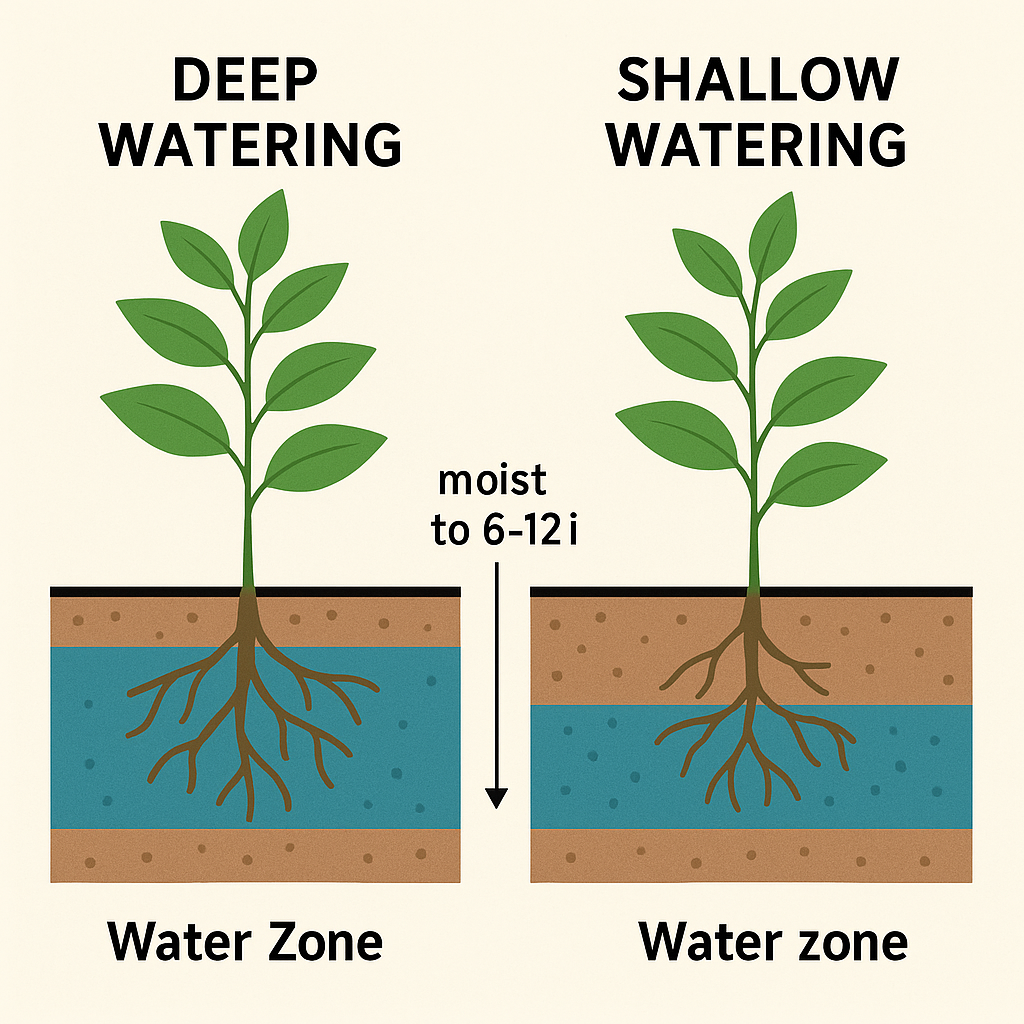
Deep watering helps water reach plant roots in dry soil. It makes roots grow deeper and stronger.
Use a watering wand or hose to water slowly at the base. Avoid watering leaves or shallow soil.
- Water slowly to soak deep into soil
- Check soil moisture below surface
- Water less often but longer each time
Using Drip Irrigation
Drip irrigation delivers water directly to plant roots. It saves water and keeps soil moist for longer.
This system uses small tubes or hoses with tiny holes. Water drips slowly and stops evaporation.
- Place tubes near plant roots
- Set timer for regular watering
- Check for clogs in tubes
Hand Watering Tips
Hand watering lets you control how much water each plant gets. Use a watering can or hose with a soft spray.
Water at the base of plants and avoid wetting leaves. Water early in the morning or late in the evening.
- Check soil moisture before watering
- Water slowly to soak roots
- Avoid watering during hot midday hours
Best Time To Water Plants
Watering plants at the right time helps them grow well. Dry soil needs careful watering to keep plants healthy.
Choosing the best time reduces water waste and helps plants absorb moisture better.
Morning Vs Evening Watering
Watering plants in the morning is usually best. The air is cooler, so water stays in the soil longer.
Evening watering can cause leaves to stay wet overnight. This may lead to plant diseases.
- Morning watering helps plants start the day hydrated
- Evening watering can increase risk of fungal growth
- Morning water dries quickly, reducing water loss
Avoiding Evaporation Loss
Water evaporates quickly in hot sun. Watering early lowers evaporation and saves water.
Use slow watering methods to let water soak deep into dry soil. This helps roots grow stronger.
- Water plants early in the morning
- Use drip irrigation or soaker hoses
- Water deeply, not just the surface
- Mulch around plants to keep soil moist
Improving Soil Retention
Dry soil struggles to hold water. This makes watering plants hard. Improving soil retention helps plants get enough water.
Good soil holds water longer. It also gives plants air and nutrients. Use these methods to keep soil moist in dry conditions.
Adding Organic Matter
Organic matter improves soil structure. It helps soil hold water and nutrients. Add compost, leaf mold, or aged manure to the soil.
- Mix compost into the top 6 inches of soil
- Add leaf mold to improve moisture retention
- Use aged manure to increase nutrients
- Avoid fresh manure as it can burn plants
Mulching Benefits
Mulch covers soil and reduces water loss. It keeps soil cooler and prevents erosion. Use organic mulches like wood chips or straw.
| Mulch Type | Benefit |
| Wood chips | Slow water evaporation |
| Straw | Keeps soil cool |
| Grass clippings | Add nutrients as they decompose |
Soil Amendments
Soil amendments change soil properties. They improve water retention and drainage. Common amendments include clay, sand, and peat moss.
Use this simple guide for soil amendments:
- Add clay to sandy soil to hold water better.
- Add sand to clay soil to improve drainage.
- Add peat moss to increase organic content and moisture retention.
Watering Frequency For Dry Soil
Watering plants in dry soil needs careful timing. Too much water can harm roots.
Checking soil moisture helps decide when to water again. Dry soil often needs deeper watering.
Adjusting For Plant Type
Different plants need different watering amounts. Some like moist soil, others prefer dry.
Succulents need less water than vegetables or flowers. Adjust watering to plant needs.
- Cacti and succulents: water once every 2-3 weeks
- Vegetables and herbs: water 2-3 times a week
- Flowering plants: water 3-4 times a week
Seasonal Considerations
Seasons affect how often you should water plants. Hot weather dries soil faster.
Water more in summer and less in winter. Watch soil moisture closely during seasonal changes.
- Summer: water 3-4 times weekly
- Spring and Fall: water 1-2 times weekly
- Winter: water once every 2 weeks or less
Credit: mycityplants.com
Preventing Overwatering
Watering plants in dry soil needs care to avoid giving too much water. Overwatering can harm the roots and stop plants from growing well.
It is important to know how to tell if plants have too much water. This helps keep plants healthy and strong.
Signs Of Excess Moisture
Plants with too much water show certain signs. Watch leaves and soil for clues that plants need less water.
- Leaves turn yellow or feel soft and limp
- Soil stays wet for a long time after watering
- Roots look brown or smell bad
- Plant growth slows down or stops
These signs tell you to stop watering and let the soil dry out a bit.
Balancing Water Needs
Give plants just the right amount of water to keep soil moist but not soggy. Check soil moisture before watering again.
Use a finger or a moisture meter to test soil. Water only if the top few inches feel dry.
- Water deeply to reach roots
- Allow soil to dry between watering
- Adjust watering amount based on weather
- Use pots with drainage holes
Tools And Accessories
Watering plants in dry soil needs the right tools. These tools help you check soil moisture and water efficiently.
Using the correct accessories saves water and keeps plants healthy in dry conditions.
Soil Moisture Meters
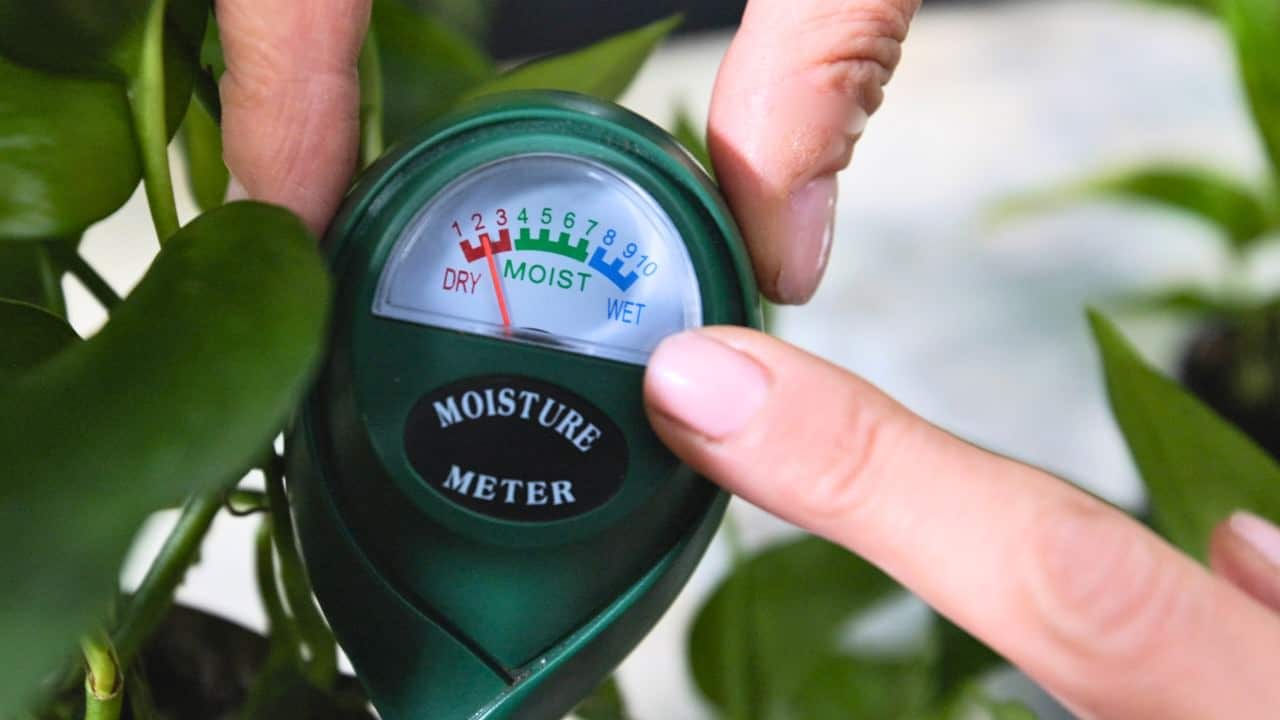
Soil moisture meters measure how wet or dry the soil is. They help you know when to water your plants.
- Insert the probe into the soil near plant roots.
- Read the moisture level on the meter display.
- Water plants only when the soil is dry.
Watering Cans And Hoses
Watering cans and hoses deliver water to plants. Choose tools that control water flow to avoid overwatering.
| Tool | Best Use | Benefit |
| Watering Can | Small pots and indoor plants | Easy to control water amount |
| Garden Hose | Lawn and large garden beds | Covers large areas quickly |
| Hose Nozzle | Targeted watering | Adjustable spray for gentle watering |
Timers And Automations
Timers and automations help water plants on a schedule. They save time and make watering consistent.
Benefits of using timers and automation:
- Water plants early morning or late evening
- Prevent water waste with set watering times
- Keep soil moist for longer periods
- Reduce manual watering effort

Credit: www.reddit.com
Frequently Asked Questions
How Often Should I Water Plants In Dry Soil?
Water plants in dry soil deeply once or twice a week. This encourages strong root growth. Adjust frequency based on plant type and weather conditions to avoid overwatering.
What Is The Best Time To Water Dry Soil Plants?
Water dry soil plants early morning or late evening. This reduces water evaporation and helps plants absorb moisture better. Avoid watering during midday heat to prevent stress.
How Much Water Do Plants Need In Dry Soil?
Use enough water to moisten soil 6 to 8 inches deep. This ensures roots get adequate hydration. Avoid shallow watering as it causes weak root development.
Can Dry Soil Damage Plant Roots?
Yes, dry soil can cause roots to shrivel and weaken. Prolonged dryness stresses plants and limits nutrient uptake. Consistent watering helps maintain healthy roots.
Conclusion
Watering plants in dry soil needs care and attention. Give water slowly so it soaks deep. Avoid pouring too fast to stop runoff. Check soil moisture before watering again. Use mulch to keep soil moist longer. Healthy plants grow better with steady water.
Your efforts will help plants stay green and strong. Keep watching soil and adjust watering as needed. Simple steps make a big difference in dry soil. Keep plants happy with regular, careful watering.