Are you tired of seeing your plants suffer while you worry about wasting water? Watering your plants doesn’t have to mean pouring gallons down the drain.
What if you could keep your garden healthy and green while using less water? You’ll discover simple, smart ways to give your plants exactly what they need—no more, no less. Ready to save water and help your plants thrive? Keep reading, because these easy tips will change how you care for your garden forever.

Credit: www.express.co.uk
Choosing The Right Watering Tools
Watering plants carefully saves water and helps plants grow well. Using the right tools makes watering easier and more effective.
Different tools work best for different garden types and plant needs. Learn about some popular watering tools below.
Drip Irrigation Systems
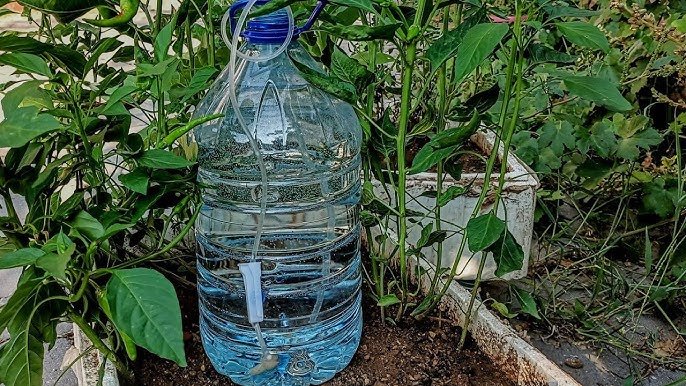
Drip irrigation delivers water directly to the plant roots. This method uses less water by avoiding evaporation and runoff.
It is great for vegetable gardens and flower beds. You can set a timer to water at the best times of day.
Soaker Hoses
Soaker hoses release water slowly along their length. They soak the soil evenly and reduce water waste.
- Lay the hose near plant roots
- Use mulch to keep moisture in the soil
- Run the hose for a short time to avoid overwatering
Watering Cans Vs. Sprinklers
| Tool | Best Use | Water Efficiency |
| Watering Can | Small gardens, indoor plants | High – direct watering |
| Sprinkler | Large lawns and gardens | Lower – water loss by evaporation |
Watering cans give you control and save water. Sprinklers cover large areas but waste more water if not used carefully.

Credit: www.msn.com
Optimal Watering Times
Watering plants at the right time helps save water and keeps plants healthy.
Choosing the best time of day reduces water waste and improves absorption.
Morning Watering Benefits
Watering plants early in the morning allows water to soak into the soil before the heat rises.
- Soil stays moist longer
- Plants absorb water better
- Reduces risk of fungal diseases
- Less water lost to evaporation
Avoiding Midday Evaporation
Watering during midday wastes water because the sun is strongest then.
| Time of Day | Water Loss Risk |
| Morning (6 AM – 10 AM) | Low |
| Midday (11 AM – 3 PM) | High |
| Evening (4 PM – 7 PM) | Medium |
Evening Watering Tips
Evening watering can work if done early enough to let leaves dry before night.
- Water around 4 PM to 6 PM
- Avoid watering too late to prevent mold
- Check soil moisture before watering
Soil And Mulch Techniques
Saving water while watering plants is very important. Using the right soil and mulch helps keep water in the ground. This way, plants get enough moisture without wasting water.
Good soil and mulch reduce water loss. They make watering more effective and help plants grow better.
Improving Soil Moisture Retention
Soil that holds water well keeps plants healthy. Adding organic matter like compost or peat helps soil keep moisture longer. This reduces how often you need to water.
- Add compost to sandy soil to hold water.
- Mix clay soil with sand to improve drainage.
- Use organic matter to improve soil structure.
- Avoid compacting soil to let water soak in.
Using Mulch To Reduce Evaporation
Mulch covers soil and stops water from evaporating fast. It also keeps soil temperature steady. Mulch can be made from leaves, straw, or wood chips.
| Mulch Type | Benefits | Best Use |
| Wood Chips | Long-lasting, good for trees | Around shrubs and trees |
| Straw | Lightweight, breaks down fast | Vegetable gardens |
| Leaves | Free and natural | Flower beds |
Selecting Soil Types For Efficiency
Different soils hold water differently. Clay soil holds water well but drains slowly. Sandy soil drains fast but does not hold water. Loam soil is best for most plants because it holds water and drains well.
Choose soil based on plant needs:
- Use loam for most garden plants.
- Add sand to clay soil to improve drainage.
- Add organic matter to sandy soil to hold water.
- Test soil moisture by feeling it after watering.
Credit: www.housedigest.com
Plant Selection And Grouping
Watering plants without waste starts with smart plant choices. Choosing the right plants helps save water.
Grouping plants by their water needs also reduces water use. It makes watering easier and more efficient.
Choosing Drought-tolerant Plants
Drought-tolerant plants need less water to grow well. They survive dry periods better than other plants.
These plants have special features like thick leaves or deep roots. They store water or reach deep soil moisture.
- Succulents like aloe and agave
- Lavender and rosemary herbs
- Native grasses and cacti
Grouping Plants By Water Needs
Group plants that need similar water amounts together. This helps give each group the right water amount.
For example, put thirsty plants in one bed and drought-tolerant plants in another. This avoids overwatering some plants.
- High water plants: vegetables, ferns
- Medium water plants: roses, marigolds
- Low water plants: succulents, lavender
Native Plants For Water Efficiency
Native plants are adapted to local climate and soil. They usually need less water and care.
Using native plants helps keep your garden healthy and water-wise. They attract local wildlife too.
- Choose plants native to your region
- Native plants thrive with natural rainfall
- They reduce the need for extra watering
Water Recycling Methods
Saving water helps plants grow and protects the environment. Using water recycling methods can reduce waste. These methods reuse water safely for watering plants.
Below are simple ways to recycle water at home. Each method uses water smartly to keep plants healthy.
Collecting Rainwater
Rainwater is a natural source that plants love. Collecting rainwater saves tap water and reduces bills. You can collect rainwater from rooftops using barrels or containers.
- Place barrels under roof drains to catch water
- Use a mesh screen to keep out leaves and bugs
- Cover the barrel to prevent mosquitoes
- Use collected water within a few days
Reusing Household Water
Reuse water from washing vegetables or rinsing dishes. This water is safe for plants if no chemicals are added. Avoid water with soap or strong detergents.
| Source | Safe to Reuse | Use Tips |
| Vegetable washing water | Yes | Water outdoor plants |
| Drinking water leftover | Yes | Water indoor plants |
| Dishwashing water | No | Avoid using |
| Bath water | No | Avoid using |
Greywater Systems
Greywater is used water from sinks, showers, and laundry. It can be reused with a simple system to water plants. Greywater systems filter and direct water safely to your garden.
Use these tips for greywater:
- Use eco-friendly soaps and detergents
- Direct greywater to plants that do not produce food
- Keep pipes and filters clean to avoid clogs
- Do not store greywater for long periods
Monitoring And Adjusting Water Usage
Watering plants correctly saves water and keeps plants healthy. You can watch your plants closely and adjust how much water they get. This helps stop wasting water.
There are simple ways to check if your plants need water. Using tools and watching plants helps give just the right amount.
Using Soil Moisture Sensors
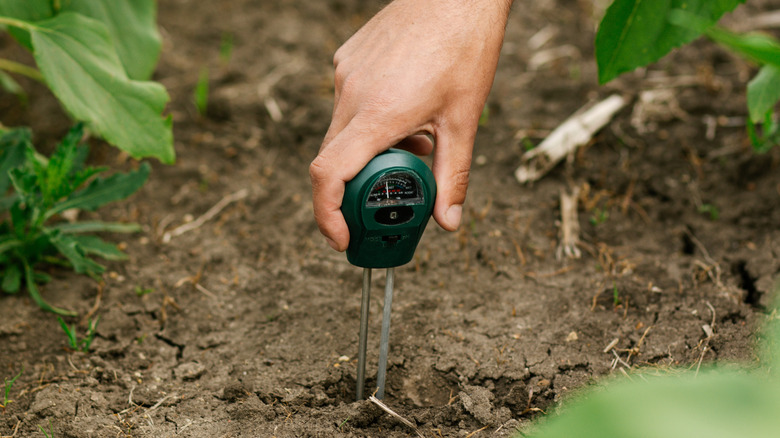
Soil moisture sensors tell you how wet the soil is. They show if plants need water or if the soil is still damp. This stops watering too much or too little.
- Insert the sensor into the soil near plant roots.
- Read the moisture level on the sensor display.
- Water plants only when the soil is dry.
- Check sensors regularly to track soil moisture.
Observing Plant Health
Look at your plants for signs of water stress. Wilting or yellow leaves often mean too little or too much water. Healthy green leaves show good watering.
| Plant Sign | Possible Cause | Action |
| Wilting leaves | Not enough water | Water plants soon |
| Yellow leaves | Too much water | Reduce watering |
| Dry soil | Needs watering | Check soil moisture sensor |
| Healthy green leaves | Proper watering | Keep current routine |
Adjusting Watering Frequency
Change how often you water based on soil and plant needs. This avoids wasting water and keeps plants happy. Check weather and season for best timing.
- Check soil moisture before watering.
- Water less often in rainy weather.
- Water more often in hot, dry weather.
- Adjust watering times if plants show stress signs.
- Keep a watering schedule and update it as needed.
Smart Watering Habits
Watering plants carefully helps save water and keeps plants healthy. Using smart habits means giving plants just the right amount of water.
These habits include focusing on plant roots, avoiding too much water, and checking plants regularly. Follow these tips to water plants without waste.
Watering At Plant Roots
Watering directly at the roots ensures plants absorb water well. It reduces evaporation and helps soil stay moist longer.
- Use a watering can or drip irrigation near the soil surface.
- Avoid watering leaves to prevent disease.
- Water early in the morning or late in the evening to reduce water loss.
Avoiding Overwatering
Too much water wastes resources and harms plants. It can cause root rot and stop plants from growing well.
| Signs of Overwatering | What to Do |
| Yellowing leaves | Check soil moisture before watering |
| Wilting despite wet soil | Reduce watering frequency |
| Fungus or mold on soil | Improve drainage and air flow |
Regular Maintenance Checks
Check plants often to keep watering just right. Look for signs of dryness or excess water in soil and leaves.
- Feel soil 1-2 inches below surface before watering.
- Remove weeds that use extra water.
- Prune dead leaves to improve air circulation.
- Adjust watering based on weather and season.
Frequently Asked Questions
How Can I Water Plants Efficiently?
Water plants early in the morning or late afternoon to reduce evaporation. Use a drip irrigation system or soaker hoses to deliver water directly to the roots. Mulch around plants to retain moisture. Adjust watering based on weather and plant type to avoid overwatering.
What Are Eco-friendly Ways To Water Plants?
Utilize rain barrels to collect rainwater for watering. Implement drip irrigation systems to minimize water waste. Use gray water from household activities like washing dishes, but ensure it’s safe for plants. Group plants with similar water needs together to optimize water usage.
How Often Should I Water My Plants?
The frequency depends on the plant type, climate, and soil. Generally, water when the top inch of soil feels dry. Overwatering can harm plants, so it’s better to underwater slightly. During hot weather, plants may need more frequent watering. Always adjust based on specific plant needs.
Can I Use Recycled Water For Plants?
Yes, you can use recycled water if it’s free from harmful chemicals. Gray water from baths or sinks can be used for non-edible plants. Ensure the water doesn’t contain salts, detergents, or oils that can damage plants. Always check local regulations regarding gray water usage.
Conclusion
Watering plants carefully saves water and helps plants grow well. Use small amounts of water often, not too much at once. Water early in the morning or late in the evening to avoid quick drying. Collect rainwater to use for watering your garden.
Mulch around plants keeps soil moist and reduces water need. These simple steps protect water and keep your plants healthy. Try these tips to water smartly and make a difference today.