Are you sure your construction helmet is doing its job? Wearing a helmet might seem simple, but the way you wear it can make all the difference between safety and serious injury.
If your helmet sits too high, too loose, or at the wrong angle, it won’t protect you when you need it most. You’ll discover the exact steps to wear your helmet correctly—so you stay safe, confident, and ready for anything on the job site.
Keep reading to learn how a small adjustment can protect your most valuable asset: your head.

Credit: www.safetyandhealthmagazine.com
Choosing The Right Helmet
Wearing the right helmet keeps you safe on construction sites. It protects your head from falling objects and other hazards. Picking the right helmet is very important.
Many helmets look similar but differ in design and use. Learn about types, materials, and how to find the right size for your head.
Types Of Construction Helmets
Construction helmets come in different styles. Each type fits a certain need and work environment. Choose one that matches your job tasks.
- Type I: Protects from blows to the top of the head.
- Type II: Offers side impact protection as well.
- Class G: General use with low voltage protection.
- Class E: High voltage electrical protection.
- Class C: No electrical protection, lightweight.
Material And Durability
Helmets must be strong and long-lasting. The material affects protection and comfort. Choose one made from approved materials.
| Material | Features | Common Use |
| High-Density Polyethylene (HDPE) | Strong, lightweight | General construction |
| Fiberglass | Very durable, heat-resistant | Heavy-duty and electrical work |
| ABS Plastic | Good impact resistance | Standard protection |
Size And Fit Considerations
A helmet that fits well stays in place and protects better. Check the size and adjust the suspension system for a snug fit.
- Measure your head circumference with a tape.
- Try helmets to find a comfortable fit.
- Adjust the chin strap to keep the helmet secure.
- Make sure the helmet sits level on your head.
- Replace helmets that feel loose or damaged.
Preparing Your Helmet
Wearing a helmet correctly protects your head on construction sites. It is important to prepare your helmet before use. This helps keep you safe and comfortable all day long.
Preparing your helmet involves checking it carefully, cleaning it, and replacing parts as needed. These steps ensure your helmet works well every time you wear it.
Inspecting For Damage
Look over your helmet before each use. Check for cracks, dents, or deep scratches on the shell. Make sure the suspension system inside is not broken or worn out. If you find any damage, do not use the helmet.
- Examine the outer shell for cracks or dents
- Check the inner suspension for tears or breaks
- Make sure the chin strap is not frayed or loose
- Test the helmet for a secure fit on your head
Cleaning And Maintenance
Keep your helmet clean to maintain safety and hygiene. Use mild soap and warm water to wash the shell and suspension. Avoid harsh chemicals that can weaken the materials. Dry the helmet naturally in a cool place.
| Cleaning Step | What to Use | What to Avoid |
| Washing Shell | Mild soap and warm water | Strong detergents or solvents |
| Cleaning Suspension | Soft cloth and mild soap | Harsh chemicals or bleach |
| Drying | Air dry in shade | Direct sunlight or heat sources |
Replacing Worn Parts
Parts of your helmet wear out over time. Replace any worn or broken parts to keep your helmet safe. Use only parts made by the helmet manufacturer. This keeps the helmet strong and reliable.
- Remove damaged suspension or straps
- Fit new parts securely and test for comfort
- Replace the helmet if parts are no longer available
- Do not paint or modify the helmet shell
Proper Helmet Placement
Wearing a helmet correctly is essential for safety on construction sites. Proper placement protects your head from injuries and ensures comfort during long hours of work.
This guide explains how to position your helmet, adjust its suspension, and secure the chin strap for the best fit.
Positioning On The Head
Place the helmet level on your head. It should sit low on your forehead, about one inch above your eyebrows. This position covers the top and sides of your head well.
A helmet worn too far back or tilted can reduce protection and increase injury risk.
Adjusting The Suspension System
The suspension system inside the helmet keeps it snug and absorbs shocks. Adjust it so the helmet does not move when you shake your head.
- Locate the adjustment knob or straps inside the helmet.
- Turn the knob or tighten the straps to fit your head size.
- Make sure the helmet feels secure but not too tight.
- Test by moving your head side to side and front to back.
Securing The Chin Strap
The chin strap keeps the helmet in place during sudden movements. Fasten it firmly under your chin without causing discomfort.
| Chin Strap Check | What to Do |
|---|---|
| Strap too loose | Tighten until it fits snugly under your chin |
| Strap too tight | Loosen slightly to avoid discomfort |
| Buckle not fastened | Always clip the buckle securely |
| Strap twisted | Straighten for better comfort and safety |
Additional Safety Features
Wearing a helmet is vital on construction sites. Extra safety features improve protection and comfort. These features help workers stay safe in tough conditions.
Choosing a helmet with the right additions can make a big difference. Some helmets offer visors, hearing protection, and reflective parts.
Visors And Face Shields
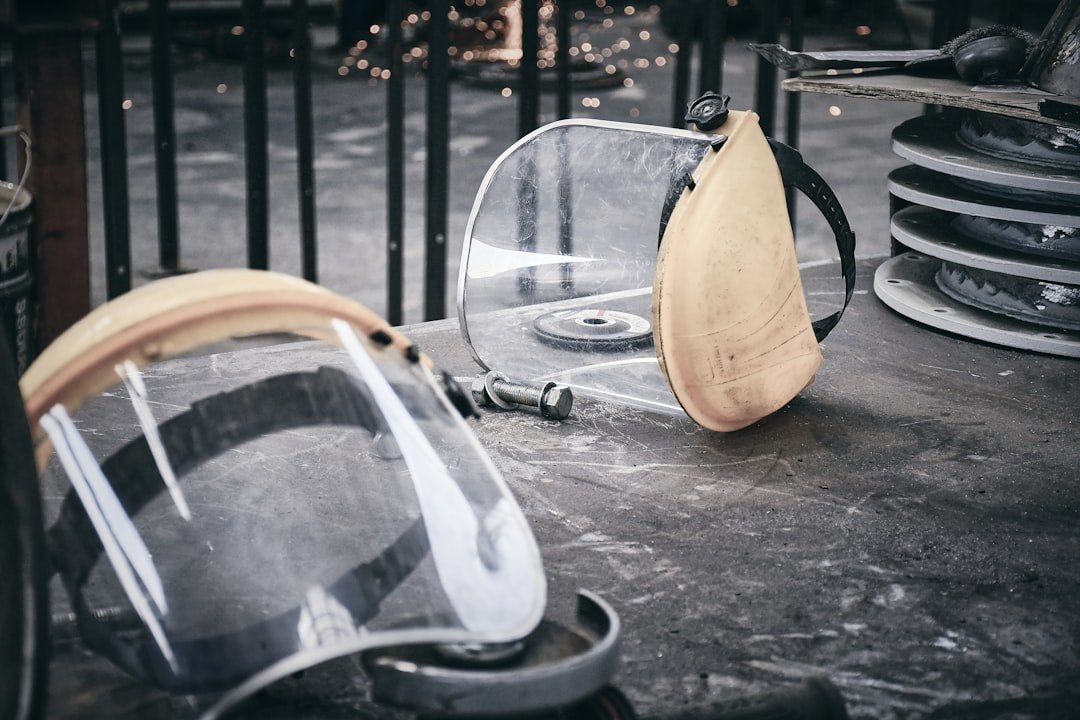
Visors and face shields protect your eyes and face from flying debris and dust. They can be clear or tinted, depending on the work environment.
- Shield against sparks and chemical splashes
- Reduce glare from bright lights
- Easy to flip up when not needed
Hearing Protection Integration
Some helmets come with built-in hearing protection. These help reduce loud noise on site and protect your ears from damage.
| Type | Benefit | Use |
| Ear Muffs | Blocks loud sounds | Heavy machinery areas |
| Ear Plugs | Fits inside ear canal | Flexible and portable |
Reflective Elements
Reflective strips or stickers on helmets increase visibility. They help workers be seen in low light or dark conditions.
Key points about reflective elements:
- Boost safety near moving vehicles
- Easy to spot from a distance
- Works well with other safety gear
Common Mistakes To Avoid
Wearing a helmet correctly keeps you safe on construction sites. Many workers make simple errors that reduce protection.
Knowing what to avoid helps you stay safe and prevent injuries. Here are common helmet mistakes to watch out for.
Wearing Helmets Backwards
Some workers wear helmets backward by mistake. This lowers the helmet’s ability to protect your head.
Helmets are designed to absorb impact from the front and top. Wearing it backward leaves your face and head exposed.
- The front brim shields your eyes from sun and debris
- The inner padding fits best when worn correctly
- Straps and adjustment points are positioned for proper fit
Loose Straps And Poor Fit
Loose straps make helmets slide or fall off during work. A helmet must fit snugly to protect you well.
Make sure the chin strap is tight but comfortable. Adjust the side straps so the helmet stays stable.
- Check straps daily before starting work
- Use adjustment points to fit helmet to your head size
- Shake your head gently to test if the helmet moves
Ignoring Helmet Damage
Cracks, dents, or worn parts weaken a helmet’s protection. Using a damaged helmet is risky.
Inspect your helmet often. Replace it if you find damage or after a strong impact.
- Look for cracks inside and outside the shell
- Check suspension straps and padding for wear
- Follow manufacturer rules for helmet lifespan

Credit: www.safetyandhealthmagazine.com
Helmet Care On The Job Site
Wearing a helmet correctly keeps you safe on construction sites. Proper care helps your helmet last longer and work well.
Follow simple tips to store, inspect, and know when to replace your helmet. This keeps your head protected every day.
Storage Tips
Keep your helmet in a clean, dry place when not in use. Avoid leaving it in direct sunlight or near heat sources.
- Store helmets on a shelf or hook, not on the floor
- Keep helmets away from chemicals and paint
- Use a helmet bag for extra protection during transport
- Do not store helmets in extreme temperatures
Regular Inspections
Check your helmet before each workday. Look for cracks, dents, or worn straps that could reduce safety.
| Inspection Item | What to Check |
| Shell | Cracks, dents, deep scratches |
| Suspension | Frayed or broken straps |
| Chin Strap | Secure buckle and no tears |
| Fit | Helmet sits firmly, not loose |
When To Replace Your Helmet
Replace your helmet if it has taken a hard hit, shows damage, or is over five years old. Old helmets lose their strength.
- After a strong impact, replace the helmet immediately
- Replace if you see cracks or deep scratches
- Change helmets every five years, even without damage
- Replace if suspension or straps are worn and cannot be fixed

Credit: www.ishn.com
Frequently Asked Questions
How Should A Construction Helmet Fit?
A construction helmet should fit snugly without being too tight. Adjust the suspension system for a secure fit. Ensure the helmet sits level on your head, covering the forehead. This provides optimal protection. Avoid tilting it backward or forward, which can reduce effectiveness.
Always check for comfort and stability before use.
Why Is Helmet Chin Strap Important?
The chin strap ensures the helmet stays securely on your head. It prevents the helmet from shifting during movement. This is crucial in active construction environments. A properly fastened chin strap enhances safety and protection. Always ensure it’s comfortably tightened, but not too restrictive.
How Often Should Helmet Be Replaced?
Replace construction helmets every five years, or sooner if damaged. Regular inspections are crucial to identify cracks or wear. Exposure to harsh conditions may require more frequent replacements. Always follow manufacturer guidelines for specific helmet types. Maintaining helmet integrity ensures maximum protection.
Can You Wear A Cap Under A Helmet?
Avoid wearing caps under helmets, as they can affect fit and safety. Caps can interfere with proper suspension system adjustments. This reduces the helmet’s effectiveness in protecting your head. Instead, use specially designed liners if extra warmth or comfort is needed.
Always prioritize safety and fit.
Conclusion
Wearing a helmet correctly keeps you safe on construction sites. Always check the fit before starting work. Adjust the straps so the helmet stays firm and comfortable. Replace helmets after any hard impact or damage. Clean your helmet regularly to maintain its strength.
Remember, a well-worn helmet can prevent serious injuries. Safety is in your hands—wear your helmet the right way every day. Stay alert, stay protected, and work smart. Your head deserves the best care.