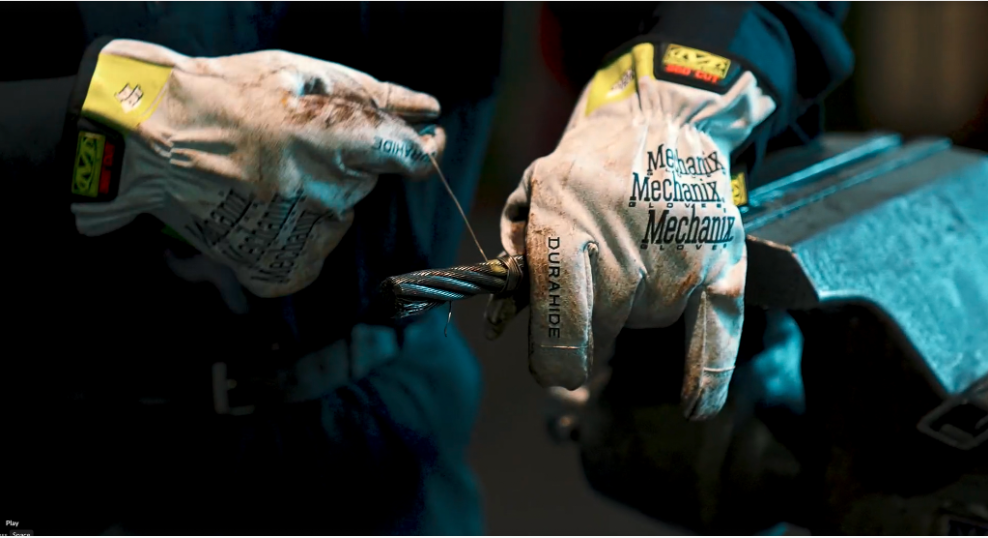
When you work with metal, your hands are always at risk. Sharp edges and rough surfaces can cause serious cuts that slow you down and put your safety in danger.
That’s why wearing cut-resistant gloves isn’t just a good idea—it’s a must. But it’s not enough to just put them on; you need to know how to wear them the right way to get the best protection and comfort. You’ll discover simple, practical tips to make sure your gloves fit perfectly and keep your hands safe every time you handle metal.
Keep reading to protect yourself better and work with confidence.

Credit: www.amazon.co.uk
Choosing The Right Cut-resistant Gloves
Cut-resistant gloves protect your hands during metalwork. Picking the right gloves helps you stay safe and work well.
This guide explains materials, cut levels, and sizing for the best protection and comfort.
Material Types And Their Benefits
Gloves come in different materials. Each type offers unique protection and comfort for metalwork tasks.
- Kevlar:Strong and heat-resistant, good for sharp metal edges.
- Dyneema:Lightweight and flexible, offers high cut resistance.
- Steel Mesh:Provides maximum cut protection but less flexibility.
- Nitrile Coating:Adds grip and some chemical resistance.
Determining The Right Cut Level
Cut levels show how much protection gloves offer. Choose a level based on your metalwork risks.
| Cut Level | Protection Strength | Recommended Use |
| A1 – A3 | Low to Moderate | Light metal handling, low risk of cuts |
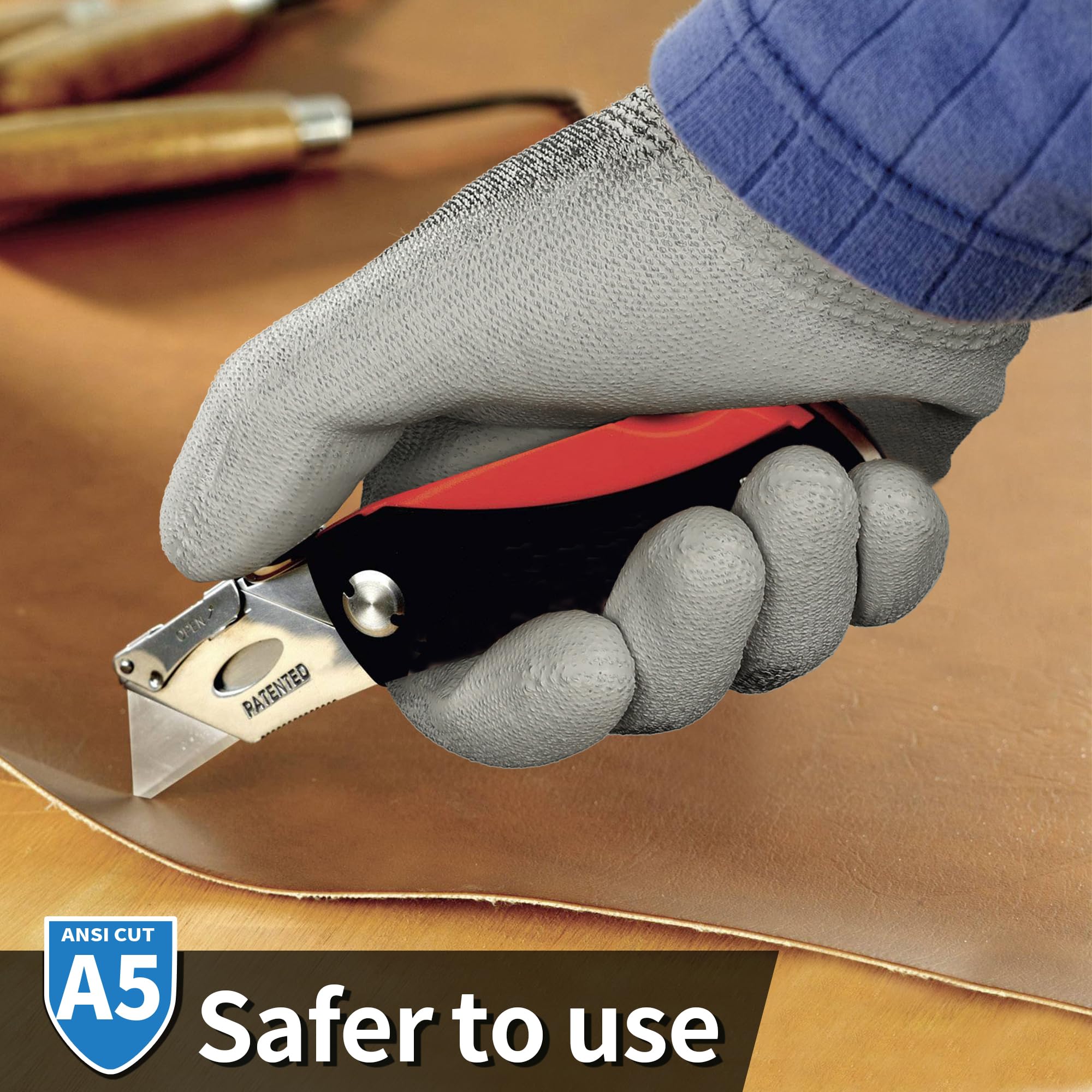
| A4 – A6 | High | Sharp metal work, cutting, grinding |
| A7 – A9 | Very High | Heavy-duty metal cutting, high risk jobs |
Sizing For Comfort And Protection
Proper glove size matters. Too tight or loose gloves can reduce protection and cause discomfort.
- Measure your hand’s circumference around the palm.
- Check the glove size chart before buying.
- Try gloves on for a snug fit without tightness.
- Ensure fingers move freely to handle tools safely.

Credit: nocry.com
Preparing Your Hands Before Wearing Gloves
Wearing cut-resistant gloves helps protect your hands during metalwork. Preparing your hands properly makes the gloves more effective. Clean and check your hands before putting on the gloves.
This guide covers key steps to prepare your hands. Follow these tips to keep your hands safe and comfortable inside the gloves.
Cleaning And Drying Your Hands
Clean hands prevent dirt and oils from damaging the gloves. Dry hands help the gloves fit better and last longer.
- Wash your hands with warm water and mild soap.
- Remove all grease, dirt, and debris.
- Rinse your hands thoroughly to remove soap.
- Dry your hands completely with a clean towel.
- Ensure no moisture remains between your fingers.
Checking For Existing Injuries
Inspect your hands for cuts, bruises, or blisters. Wearing gloves over injuries can cause discomfort or infection.
| Type of Injury | Action to Take |
| Small Cuts | Clean and cover with a bandage before wearing gloves |
| Bruises | Avoid pressure on the bruised area |
| Blisters | Protect with a soft dressing or change gloves frequently |
| Open Wounds | Do not wear gloves until wound heals properly |
Proper Glove Wearing Techniques
Wearing cut-resistant gloves correctly is important for safety in metalwork. Proper techniques help protect your hands from sharp edges and tools.
Follow these guidelines to ensure your gloves work well and keep you safe on the job.
Inspecting Gloves For Damage
Before putting on your gloves, check them carefully for any damage. Small tears or holes can reduce protection.
- Look for cuts, holes, or worn spots on the fabric.
- Check the seams for any loose threads or splits.
- Ensure the gloves are clean and dry to avoid slipping.
- Replace gloves if you find any damage.
Putting On Gloves Correctly
Put gloves on carefully to avoid tearing or stretching them. Proper wearing helps keep your hands safe.
- Hold the glove by the cuff and slide your hand in slowly.
- Make sure each finger fits into the right space.
- Pull the cuff down to cover your wrist fully.
- Adjust the glove for comfort without making it too loose.
Ensuring A Secure Fit
A secure fit keeps gloves in place and improves your control while working.
| Fit Check | What to Do | Why It Matters |
| Snug but Comfortable | Make sure gloves are tight enough not to slip. | Prevents accidents caused by loose gloves. |
| Finger Movement | Check that fingers move freely inside gloves. | Allows better grip and tool handling. |
| Cuff Coverage | Ensure cuffs cover wrists completely. | Protects wrists from cuts and sparks. |
Maintaining Gloves During Metalwork
Cut-resistant gloves protect your hands during metalwork. Keeping them in good shape is important. Proper care helps gloves last longer and stay safe.
Regular maintenance stops accidents and saves money. Follow simple steps to keep your gloves clean and strong.
Avoiding Contamination And Damage
Do not touch oils, chemicals, or sharp objects with your gloves. These can damage the cut-resistant fibers. Keep gloves away from dirt and grease.
Store gloves in a clean, dry place. Avoid folding or crushing them. Use a bag or box to protect gloves from dust and sunlight.
- Do not wear gloves when handling chemicals
- Keep gloves away from sharp edges when not in use
- Clean gloves after each use with mild soap and water
- Dry gloves naturally, do not use heat sources
Periodic Inspection For Wear And Tear
Check your gloves often for holes, cuts, or thinning areas. Look closely at fingertips and palms. These spots wear out faster.
Inspect gloves before and after each use. Small damage can reduce protection. Replace gloves if damage is found.
- Look for cuts or tears on fabric
- Feel for thin or worn spots
- Check seams for loose threads
- Test glove fit to ensure no stretching
When To Replace Gloves
Replace gloves when you see any damage. Gloves with holes or worn areas can fail during work. Do not try to repair cut-resistant gloves.
Also replace gloves if they feel stiff or lose flexibility. Old gloves may not protect well. Always use gloves that fit properly and feel comfortable.
- Replace gloves with visible cuts or tears
- Replace if gloves lose shape or stretch
- Replace after heavy exposure to chemicals
- Replace gloves after long use periods
Additional Safety Tips For Metalwork
Wearing cut-resistant gloves is important for metalwork safety. These gloves protect your hands from sharp edges and cuts. It is also important to follow extra safety tips to keep your hands safe.
Using the right gear and handling metal carefully reduces accidents. Knowing what to do if your hands get hurt helps you stay safe at work.
Using Gloves With Other Protective Gear
Wear cut-resistant gloves with other safety equipment. This includes safety glasses, helmets, and protective clothing. This gear works together to protect your entire body.
Make sure all gear fits well and does not restrict your movement. Loose or tight gear can cause accidents or reduce protection.
- Wear safety glasses to protect your eyes from sparks and metal shards
- Use helmets or face shields if there is a risk of flying debris
- Wear long sleeves and pants made of sturdy material
- Use ear protection if noise levels are high
Safe Handling Practices
Handle metal pieces carefully to avoid injuries. Always hold metal away from your body and keep a firm grip. Watch your hands and fingers while working.
Keep your work area clean and organized. Remove sharp scraps and waste to prevent accidental cuts. Use tools designed for metalwork instead of bare hands.
- Inspect gloves before use for any damage
- Do not use gloves with holes or tears
- Keep tools sharp to reduce slipping
- Work slowly and focus on your task
Emergency Procedures For Hand Injuries
Know what to do if you get a hand injury. Stop work immediately and clean small wounds with water. Apply pressure to stop bleeding. Use a clean cloth or bandage.
Seek medical help for deep cuts or if bleeding does not stop. Report all injuries to your supervisor. Early care helps prevent infection and long-term damage.
- Stop the bleeding by applying firm pressure
- Clean the wound with clean water
- Cover the wound with a sterile bandage
- Seek medical attention for serious injuries
- Report the incident to your supervisor
Credit: www.amazon.ca
Frequently Asked Questions
What Are Cut-resistant Gloves?
Cut-resistant gloves are specialized gloves designed to protect hands from cuts and injuries. They’re made from high-performance materials like Kevlar or Dyneema. These gloves are essential for metalwork, offering safety without compromising dexterity. Always choose the right cut level for your specific tasks to ensure maximum protection.
How To Choose The Right Glove Size?
To choose the right glove size, measure your hand circumference with a tape measure. Compare your measurement with the manufacturer’s sizing chart for accuracy. A snug fit ensures maximum protection and dexterity. Avoid gloves that are too tight or too loose as they can hinder performance and safety.
Why Are Cut-resistant Gloves Important?
Cut-resistant gloves are crucial for safety in metalwork. They prevent injuries from sharp tools and materials. These gloves enhance grip and dexterity, allowing precise work. By wearing them, workers can focus on tasks without worrying about cuts, ensuring productivity and safety in demanding environments.
How To Maintain Cut-resistant Gloves?
To maintain cut-resistant gloves, regularly inspect them for wear and damage. Clean them according to manufacturer instructions, usually with mild detergent and cold water. Avoid using bleach or harsh chemicals. Proper maintenance ensures longevity and effectiveness, providing continuous protection during metalwork tasks.
Conclusion
Wearing cut-resistant gloves keeps your hands safe from sharp metal edges. Choose the right size for comfort and full protection. Always check gloves for damage before starting work. Clean and store them properly to make them last longer. Using gloves correctly helps prevent injuries and improves your work quality.
Stay safe and confident with every metalwork task. Safety first, every time.