Are you ready to take your woodworking skills to the next level while ensuring your safety? Whether you’re a seasoned craftsman or just starting out, using the right protective gear is crucial.
Among the most important safety tools in your workshop are cut-resistant gloves. These gloves are designed to protect your hands from sharp tools and unexpected slips, allowing you to work confidently and efficiently. But how exactly should you wear them to maximize both safety and comfort?
Stick around, because we’re about to reveal the secrets to wearing cut-resistant gloves effectively, ensuring every woodworking session is not only productive but also injury-free. Keep reading to discover how this simple change can transform your woodworking experience!
Choosing The Right Cut-resistant Gloves
Cut-resistant gloves protect your hands during woodworking. Picking the right gloves keeps you safe and comfortable. You need to know the material, fit, and safety ratings.
Each type of glove has its own benefits. The fit matters for good control. Ratings show how much protection the gloves provide.
Material Types And Their Benefits
Gloves come in many materials. Some are stronger, some more flexible. Choose the material based on your work needs.
- Kevlar:Very strong and heat resistant. Good for heavy cutting tasks.
- Dyneema:Lightweight and very cut resistant. It offers good dexterity.
- Steel Mesh:Offers high protection but less flexible. Best for very sharp tools.
- Nitrile Coated:Provides grip and some cut resistance. Useful for handling small parts.
Sizing And Fit Considerations
Well-fitting gloves improve safety and comfort. Gloves that are too tight or loose can cause accidents.
| Fit Factor | Why It Matters |
| Snug Fit | Better control and less hand fatigue |
| Too Loose | Gloves may catch on tools or reduce grip |
| Too Tight | Can limit movement and cause discomfort |
| Proper Length | Protects wrists without limiting motion |
Glove Ratings And Standards
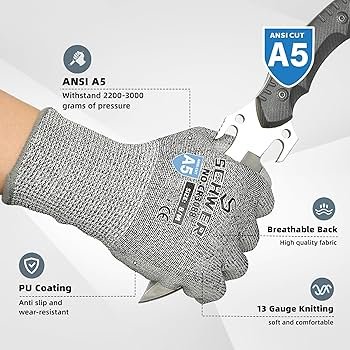
Gloves have ratings that show cut resistance levels. Look for standards like ANSI or EN388 to compare gloves.
- ANSI/ISEA 105:Rating from A1 to A9, higher means better protection.
- EN388:European standard with scores for cut, abrasion, tear, and puncture resistance.
- Level 5 Cut Resistance:Offers high protection for sharp tools.
- Look for Certification:Certified gloves meet safety and quality rules.

Credit: www.reddit.com
Preparing Your Hands Before Wearing Gloves
Wearing cut-resistant gloves protects your hands during woodworking. Preparing your hands before putting on gloves helps keep them safe and comfortable.
Clean and dry hands reduce the risk of skin problems and improve glove fit. Checking your hands for injuries ensures you avoid worsening any issues.
Cleaning And Drying Hands
Start by washing your hands with warm water and mild soap. Remove dirt, oils, and dust that may cause irritation inside the gloves.
- Use a soft brush to clean under nails
- Rinse hands thoroughly to remove soap
- Dry hands completely with a clean towel
- Avoid using oily lotions before wearing gloves
Checking For Injuries Or Irritations
Inspect your hands for cuts, blisters, or skin irritation before wearing gloves. Gloves can trap moisture and cause infections if worn over injured skin.
| Issue | What to Do |
| Small cuts or scratches | Clean and cover with a bandage before glove use |
| Blisters | Avoid wearing gloves until healed |
| Redness or itching | Apply soothing cream and let skin rest |
| Severe wounds | Seek medical help before woodworking |
Proper Glove Wearing Techniques
Wearing cut-resistant gloves correctly protects your hands during woodworking. Proper use lowers injury risks.
Learn how to put on gloves, ensure a good fit, and avoid mistakes. These tips keep your gloves effective.
Putting On Gloves Correctly
Start by choosing clean, dry gloves. Dirt or moisture can reduce protection and comfort.
Slide your hand into the glove gently. Avoid forcing your fingers, which may damage the glove.
- Insert fingers one at a time
- Adjust fingertips for comfort
- Pull the glove cuff over your wrist
Ensuring A Secure Fit
A secure fit keeps gloves in place and improves hand movement. Loose gloves reduce safety.
Check the glove’s size before use. The glove should fit snugly but not be too tight.
- Make sure fingers reach the glove’s end
- No extra material at fingertips
- Secure wrist area without pinching
Avoiding Common Mistakes
Common errors reduce glove protection and cause discomfort. Avoid these to stay safe.
- Do not wear gloves with holes or tears
- Avoid wearing gloves that are too loose or tight
- Do not wear gloves over wet or dirty hands
- Avoid rolling the glove cuff down

Credit: www.amazon.com
Maintaining And Caring For Your Gloves
Cut-resistant gloves protect your hands during woodworking. Taking care of them keeps them strong and safe. Proper maintenance helps your gloves last longer.
Learn simple ways to clean, store, and know when to replace your gloves. These tips keep your gloves in good shape.
Cleaning Guidelines
Clean your gloves after each use to remove dirt and dust. Use mild soap and lukewarm water. Avoid harsh chemicals that can weaken the fibers.
Gently scrub the gloves with a soft brush or cloth. Rinse well and squeeze out water without twisting. Let them air dry completely before using again.
- Use mild soap and lukewarm water only
- Do not use bleach or strong detergents
- Air dry gloves flat, away from heat
- Do not machine wash or dry
Storage Tips
Store gloves in a cool, dry place to avoid damage. Keep them away from sunlight and moisture. Avoid folding or crushing the gloves.
Use a clean container or drawer to keep gloves protected. Keeping them dry prevents mold and keeps the material strong.
- Keep gloves in a dry, cool area
- Avoid direct sunlight exposure
- Do not store near chemicals or oils
- Use a container to keep gloves clean
When To Replace Gloves
Check gloves regularly for cuts, holes, or worn areas. Damaged gloves cannot protect your hands properly. Replace gloves if they show signs of wear.
If gloves feel stiff or lose flexibility, it is time to get new ones. Using damaged gloves increases the risk of injury during woodworking.
- Replace gloves with visible cuts or holes
- Discard gloves that feel stiff or brittle
- Change gloves if protection decreases
- Inspect gloves before every use
Additional Safety Tips For Woodworking
Woodworking involves many risks, so safety is very important. Wearing cut-resistant gloves is one way to protect your hands.
These tips will help you use gloves safely and keep your hands safe while working.
Using Gloves With Power Tools
Wearing gloves with power tools can be tricky. Gloves may get caught in moving parts, causing injury.
Use gloves that fit well and do not have loose parts. Always stay focused and keep gloves away from blades and belts.
- Choose snug gloves without loose fingers
- Keep gloves clean and dry for better grip
- Turn off tools before adjusting or cleaning
- Never wear gloves near spinning parts like saw blades
Combining Gloves With Other Protective Gear
Gloves protect your hands, but other gear protects other parts of your body. Use them together for full safety.
Wear safety glasses, ear protection, and dust masks along with gloves. This helps protect your eyes, ears, and lungs.
- Safety glasses shield eyes from flying debris
- Ear protection guards hearing from loud noise
- Dust masks stop inhaling sawdust and particles
- Wear sturdy shoes to protect your feet
Safe Handling Of Sharp Tools
Sharp tools can cause serious cuts. Use your gloves to reduce the risk of injury.
Always cut away from your body and keep your hands clear of blades. Store sharp tools safely after use.
- Hold tools firmly and cut slowly
- Keep blades sharp to avoid slips
- Store tools in a secure place
- Inspect gloves for damage before use

Credit: www.amazon.com
Frequently Asked Questions
What Are Cut-resistant Gloves For Woodworking?
Cut-resistant gloves protect your hands from sharp tools and splinters. They reduce injury risk while maintaining dexterity for detailed work.
How Do I Choose The Right Glove Size?
Measure your hand circumference and length. Choose gloves that fit snugly without restricting movement for optimal protection and comfort.
Can Cut-resistant Gloves Affect Tool Handling?
High-quality gloves are designed to maintain grip and tactile sensitivity. They allow safe and precise handling of woodworking tools.
When Should I Replace My Cut-resistant Gloves?
Replace gloves if they show cuts, tears, or significant wear. Damaged gloves lose their protective properties and increase injury risk.
Conclusion
Wearing cut-resistant gloves keeps your hands safe while woodworking. Choose the right size for comfort and protection. Always check gloves for damage before use. Keep your gloves clean and dry to last longer. Use gloves with good grip to handle tools better.
Protecting your hands helps you focus on your work. Safety is simple when you wear the right gloves. Stay safe and enjoy your woodworking projects every time.